Welcome to the world of fresh, vibrant juice! If you’re looking to elevate your health and wellness journey, a whole fruit slow juicer might just be your perfect companion. Forget the messy chopping and limited options of traditional juicers; these innovative machines are designed to deliver maximum nutrition with minimal effort, transforming your approach to healthy living.
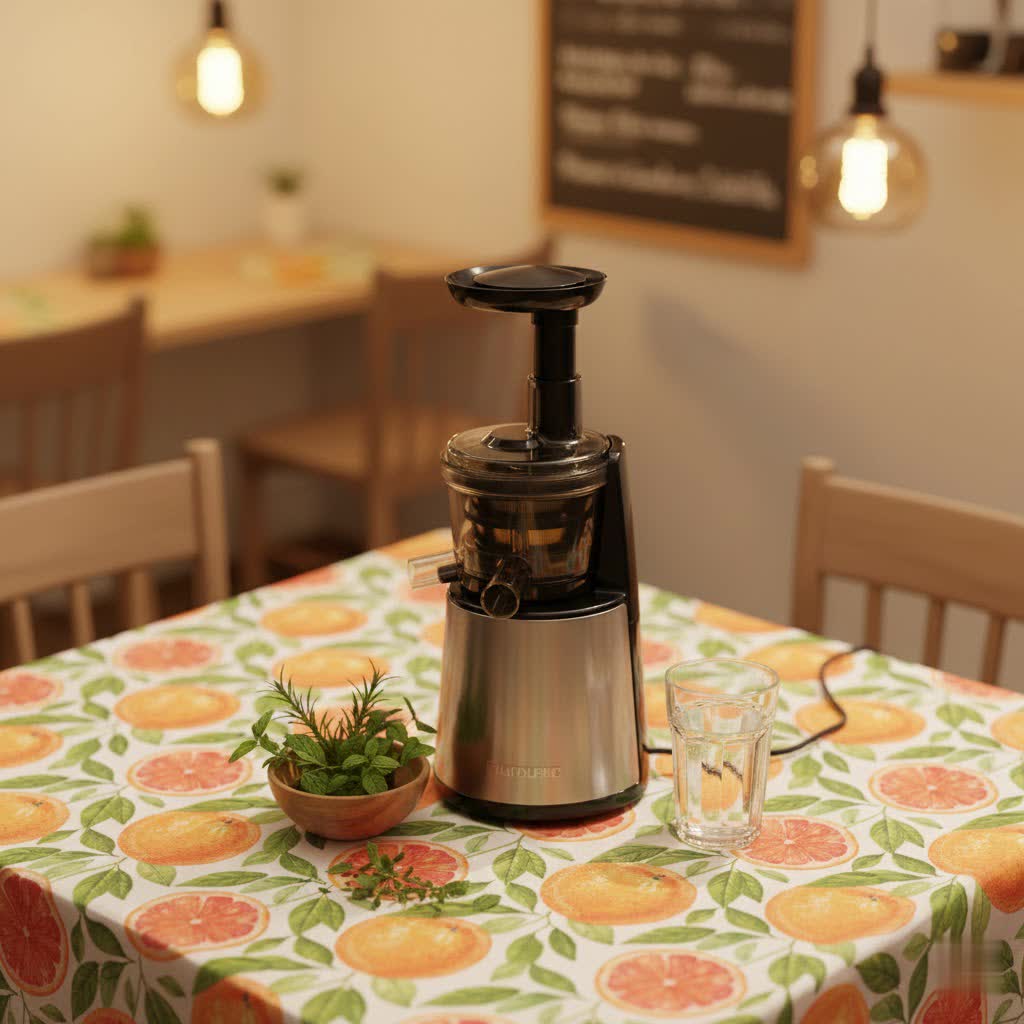
What is a Whole Fruit Slow Juicer and Why Do You Need One?
A whole fruit slow juicer, often known as a masticating juicer or cold press juicer, operates by slowly crushing and pressing fruits and vegetables to extract their juice. Unlike high-speed centrifugal juicers, which use fast-spinning blades to shred produce, slow juicers work at much lower RPMs. This gentle process minimizes heat buildup and oxidation, preserving more vitamins, enzymes, and nutrients in your juice. The “whole fruit” aspect means many models feature wider feeding chutes, allowing you to juice larger pieces of produce, or even entire fruits and vegetables, with little to no pre-cutting.
The health benefits of incorporating fresh, nutrient-rich juice into your diet are significant. Freshly pressed juice is easily absorbed by the body, providing a quick and efficient way to consume a concentrated dose of vitamins, minerals, and antioxidants. It can boost energy levels, support detoxification, improve digestion, and strengthen your immune system. With a whole fruit slow juicer, you’re investing in a powerful tool that makes healthy living more convenient and delicious.
Popular Types of Juicers on the Market
While whole fruit slow juicers are gaining immense popularity, it’s helpful to understand the landscape of juicers available. Generally, juicers fall into three main categories:
-
Centrifugal Juicers: These are the most common and often the most affordable. They use a high-speed spinning blade to shred produce against a mesh filter, separating the pulp from the juice.
- Pros: Fast operation, generally lower price point, readily available.
- Cons: High speed creates heat and oxidation, which can degrade nutrients and enzymes. Juice often contains more foam and separates quickly. Not ideal for leafy greens.
- Best for: Beginners, those on a budget, or individuals who prioritize speed over maximum nutrient retention.
-
Masticating (Slow) Juicers: As discussed, these operate by slowly crushing and squeezing produce. They come in both vertical and horizontal designs. Whole fruit slow juicers are a specialized subset of vertical masticating juicers designed with wider chutes.
- Pros: Produces high-quality, nutrient-dense juice with minimal oxidation. Excellent for leafy greens, hard root vegetables, and fruits. Higher juice yield and drier pulp.
- Cons: Slower operation, generally higher price point, can require more counter space.
- Best for: Health-conscious individuals, those who juice regularly, and anyone looking for the highest quality juice with maximum nutritional value.
-
Triturating Juicers (Twin Gear Juicers): These are considered the crème de la crème of juicers. They use two interlocking gears that spin slowly to grind and press produce.
- Pros: Unparalleled juice quality and yield, exceptional nutrient preservation, versatile for a wide range of produce including wheatgrass and herbs. Some can also make nut butters, pasta, and baby food.
- Cons: Very expensive, larger footprint, more components to clean, often slower than single-gear masticating juicers.
- Best for: Dedicated juicing enthusiasts, those on advanced juice fasts, or individuals seeking ultimate versatility and nutrient extraction.
|
Our Picks for the Best Fruit Juicer in 2026
As an Amazon Associate I earn from qualifying purchases.
|
||
| Num | Product | Action |
|---|---|---|
| 1 | QCen Juicer Machine, 500W Centrifugal Juicer Extractor with Wide Mouth 3” Feed Chute for Fruit Vegetable, Easy to Clean, Stainless Steel, BPA-free (Aqua) |

|
| 2 | Juicer Machine, 800W Centrifugal Juicer Extractor with Wide Mouth 3” Feed Chute for Fruit Vegetable, Easy to Clean, Stainless Steel, BPA-free (Green) |
|
| 3 | Juicer Machine, 800W Centrifugal Juicer Extractor with Wide Mouth 3” Feed Chute for Fruit Vegetable, Easy to Clean, Stainless Steel, BPA-free (Aqua) |
|
| 4 | Juicer Machine, 800W Centrifugal Juicer Extractor with Wide Mouth 3” Feed Chute for Fruit Vegetable, Easy to Clean, Stainless Steel, BPA-free (Gold) |
|
| 5 | QCen Juicer Machine, 500W Centrifugal Juicer Extractor with Wide Mouth 3” Feed Chute for Fruit Vegetable, Easy to Clean, Stainless Steel, BPA-free (Gold) |
|
| 6 | Qcen Juicer Machine, 500W Centrifugal Juicer Extractor with Wide Mouth 3” Feed Chute for Fruit Vegetable, Easy to Clean, Stainless Steel, BPA-free (Black) |
|
| 7 | QCen Juicer Machine, 500W Centrifugal Juicer Extractor with Wide Mouth 3” Feed Chute for Fruit Vegetable, Easy to Clean, Stainless Steel, BPA-free (Green) |
|
| 8 | Qcen Juicer Machine, 800W Centrifugal Juicer Extractor with Wide Mouth 3” Feed Chute for Fruit Vegetable, Easy to Clean, Stainless Steel, BPA-free (Black) |
|
| 9 | Juicer Machine, 800W Centrifugal Juicer Extractor with Wide Mouth 3” Feed Chute for Fruit Vegetable, Easy to Clean, Stainless Steel, BPA-free (Metallic Red) |
|
| 10 | Juicer Machine, 800W Centrifugal Juicer Extractor with Wide Mouth 3” Feed Chute for Fruit Vegetable, Easy to Clean, Stainless Steel, BPA-free (Metallic Black) |
|
Detailed Comparison Table of Juicer Types
| Feature | Centrifugal Juicers | Masticating (Slow) Juicers | Triturating (Twin Gear) Juicers |
|---|---|---|---|
| Juicing Speed | Very Fast | Slow | Very Slow |
| Juice Quality | Lower (more oxidation, foam) | High (less oxidation, more nutrients) | Highest (minimal oxidation, maximum nutrients) |
| Juice Yield | Moderate | High (drier pulp) | Highest (very dry pulp) |
| Noise Level | Loud | Quiet | Quiet |
| Produce Versatility | Good for soft/hard fruits, poor for greens | Excellent for all produce, especially greens | Excellent for all, including wheatgrass |
| Price Range | Low to Medium | Medium to High | Very High |
| Ease of Cleaning | Relatively easy | Moderate | More complex |
| Nutrient Preservation | Good | Excellent | Superior |
Top Whole Fruit Slow Juicers Loved by Users Today
While specific models can vary based on market availability and new releases, several brands consistently rank high for their whole fruit slow juicer offerings. When considering a top model, look for features like a wide feeding chute, durable auger, strong motor, and easy-to-clean design.
- Model A (Premium Choice): Often praised for its ultra-wide feed chute, robust motor, and superior juice yield. Users frequently highlight its quiet operation and ability to handle everything from apples to fibrous greens without pre-chopping. Its patented slow-squeeze technology ensures minimal oxidation.
- Model B (Mid-Range Performer): This model strikes a great balance between performance and value. It features a moderately wide chute and a powerful motor, making it a reliable choice for everyday juicing. Reviewers often commend its ease of assembly and cleaning, making it suitable for those who prioritize convenience.
- Model C (Budget-Friendly Option): For those new to slow juicing or working with a tighter budget, this model offers an excellent entry point. While its feed chute might be slightly smaller than premium options, it still handles larger pieces of produce and delivers high-quality, nutrient-rich juice. It’s often recommended for its compact design and straightforward operation.
Each of these machines provides distinct advantages, but they all share the core benefit of maximizing nutrient extraction and offering the convenience of whole fruit juicing.
Your Guide to Choosing the Perfect Whole Fruit Slow Juicer
Selecting the right whole fruit slow juicer involves more than just picking the first one you see. Consider these key factors to ensure your choice aligns with your lifestyle and juicing habits:
-
Define Your Usage Needs:
- What type of produce will you mostly be juicing? If leafy greens and fibrous vegetables are your priority, a slow juicer is essential. If you mostly stick to soft fruits, a wide chute for whole fruits will be a major convenience.
- How often will you be juicing? Daily juicers might prioritize durability and a powerful motor, while occasional users might opt for a more compact and affordable model.
- How much juice do you need? Some models are better suited for large batches, while others excel at single servings.
-
Budget Considerations: Whole fruit slow juicers can range from a few hundred to over a thousand dollars. Determine what you’re willing to invest, keeping in mind that higher price points often correlate with better build quality, more advanced features, and longer warranties. Think of it as an investment in your health.
-
Other Important Factors:
- Noise Level: Slow juicers are generally quieter than centrifugal juicers, but some are whisper-quiet, which can be a significant factor for early morning juicers.
- Ease of Cleaning: Juicing can be a joy, but cleaning can be a chore. Look for models with fewer parts, wider openings, and included cleaning brushes to simplify the process. Dishwasher-safe parts are a bonus.
- Footprint and Storage: Measure your counter space and consider where you’ll store the juicer. Vertical slow juicers often have a smaller footprint than horizontal ones.
- Warranty and Customer Support: A good warranty indicates the manufacturer’s confidence in their product. Excellent customer support can be invaluable if you encounter any issues.
> “Choosing a whole fruit slow juicer is about aligning the machine’s capabilities with your health goals. Don’t compromise on the features that will make juicing a consistent and enjoyable part of your routine.” – Dr. Elena Petrova, Nutritional Scientist
Tips for Using and Maintaining Your Whole Fruit Slow Juicer
Getting the most out of your whole fruit slow juicer involves proper usage and diligent care.
-
Correct Usage:
- Prepare your produce: Even with a whole fruit chute, some larger or tougher produce (like very hard carrots or beets) might benefit from being cut into smaller, manageable pieces to prevent clogging and reduce strain on the motor. Remove pits and large seeds.
- Feed slowly and steadily: Avoid overfeeding the juicer. Let the auger process each piece completely before adding the next. This prevents jams and ensures maximum yield.
- Alternate produce types: When juicing a mix of soft and hard produce, or leafy greens, alternate them. For example, follow leafy greens with a harder fruit or vegetable to help push the greens through and clean the auger.
-
Post-Use Cleaning:
- Clean immediately: The easiest time to clean your juicer is right after use. Rinse all removable parts under running water to prevent pulp from drying and sticking.
- Use the brush: Most juicers come with a special cleaning brush for the mesh screen. This is crucial for removing stubborn pulp and ensuring optimal performance.
- Disassemble fully: Take apart all removable components and wash them thoroughly with warm, soapy water.
- Air dry: Allow all parts to air dry completely before reassembling to prevent mildew or odors.
-
Long-Term Storage and Maintenance:
- Store properly: Keep your juicer in a dry, clean place. If you have limited counter space, ensure it’s easy to store and retrieve.
- Inspect parts regularly: Periodically check the auger, screens, and gaskets for wear and tear. Replacing worn parts can significantly extend the life of your machine.
- Descaling (if applicable): If your water is hard, mineral deposits can build up over time. Consult your manual for any specific descaling recommendations.
Common Whole Fruit Slow Juicer Problems and How to Fix Them
Even the best juicers can encounter minor issues. Here are some common problems and their simple solutions:
-
The juicer won’t turn on:
- Check power: Ensure the juicer is properly plugged into a functioning outlet.
- Safety features: Most juicers have safety interlocks. Make sure all parts are correctly assembled and locked into place. Refer to your manual for specific assembly instructions.
- Overload protection: If the motor overheated, it might have an automatic shut-off. Unplug it, let it cool down for 30 minutes, and then try again.
-
The juicer gets clogged or jammed:
- Overfeeding: You might be feeding produce too quickly or pushing too much through at once. Remove the excess produce and restart.
- Improper cutting: Very fibrous or stringy vegetables (like celery or ginger) should be cut into shorter pieces. Large, hard fruits should also be cut to prevent overwhelming the auger.
- Reverse function: Many slow juicers have a “reverse” button. Use this briefly to clear blockages, then try juicing again.
-
Juice contains too much pulp:
- Screen blockage: The juicing screen might be clogged. Disassemble and thoroughly clean the screen, especially with the included brush.
- Produce type: Some softer fruits naturally produce more pulp. For a clearer juice, you can strain it after extraction.
- Wear and tear: If the problem persists, your screen or auger might be worn out and need replacing.
Where to Buy a Reliable Whole Fruit Slow Juicer?
Investing in a whole fruit slow juicer is a step towards a healthier lifestyle, and choosing a reputable vendor is key.
- Authorized Retailers and Specialty Stores: Major appliance stores, health food shops, and kitchenware boutiques often carry a selection of high-quality juicers. Shopping here allows you to see the product in person, ask questions, and sometimes even get demonstrations.
- Online Marketplaces: Websites like Amazon, eBay, and directly from manufacturer websites offer a vast selection, often with competitive pricing and detailed customer reviews.
- Online buying tips: Always check the seller’s reputation, read recent customer reviews, and verify the warranty and return policy before purchasing. Be wary of deals that seem “too good to be true.”
> “Always prioritize buying from an authorized dealer to ensure you receive a genuine product with a valid warranty. This protects your investment and provides peace of mind.” – Sarah Chen, Home Appliance Expert
Conclusion
Embracing a whole fruit slow juicer is more than just buying a kitchen appliance; it’s adopting a lifestyle change that prioritizes convenience, nutrition, and vibrant health. These machines excel at extracting high-quality, enzyme-rich juice from a wide array of produce, often requiring minimal pre-cutting. By understanding the types available, knowing what to look for, and committing to proper usage and maintenance, you can ensure your juicer serves you well for years to come. Isn’t it time you experienced the difference a fresh, nutrient-packed glass of juice can make in your daily routine?
Frequently Asked Questions
What’s the main advantage of a whole fruit slow juicer over a regular slow juicer?
The primary advantage lies in the wider feeding chute, which allows you to insert larger pieces of produce or even entire fruits and vegetables with little to no pre-cutting. This significantly reduces preparation time and effort, making daily juicing more convenient and efficient.
Do whole fruit slow juicers really preserve more nutrients?
Yes, they do. By operating at low speeds, whole fruit slow juicers minimize heat generation and exposure to air, which are factors that can degrade delicate vitamins, enzymes, and antioxidants. This cold-press method results in a more nutrient-dense and vibrant juice compared to high-speed centrifugal juicers.
Are whole fruit slow juicers difficult to clean?
While they have more parts than some simpler juicers, most modern whole fruit slow juicers are designed for relatively easy cleaning. Many come with specialized brushes for the mesh screen, and parts are often dishwasher-safe or easily rinsed under a tap. Cleaning immediately after use prevents pulp from drying and sticking.
Can I juice leafy greens and wheatgrass in a whole fruit slow juicer?
Absolutely! Whole fruit slow juicers, being a type of masticating juicer, are exceptionally good at extracting juice from leafy greens, herbs, and wheatgrass. Their slow crushing action effectively presses out juice from fibrous produce, resulting in a higher yield and better quality juice compared to centrifugal models.
How long does the juice from a whole fruit slow juicer last?
Due to the minimal oxidation during the slow juicing process, juice from a whole fruit slow juicer typically lasts longer than juice from a centrifugal juicer. When stored properly in an airtight container in the refrigerator, it can remain fresh and nutritious for up to 48-72 hours, though it’s always best to consume it as soon as possible for maximum benefits.
