Embracing a healthier lifestyle often starts in the kitchen, and for many, that means unlocking the vibrant nutrition found in fresh fruits and vegetables. But with so many options available, choosing the best fruit and vegetable juicer can feel overwhelming. Are you tired of consuming processed drinks and ready to experience the pure, unadulterated goodness of homemade juice? This comprehensive guide will navigate you through the world of juicers, ensuring you select the perfect machine to kickstart your wellness journey.
What is a Fruit and Vegetable Juicer? Why Do You Need One?
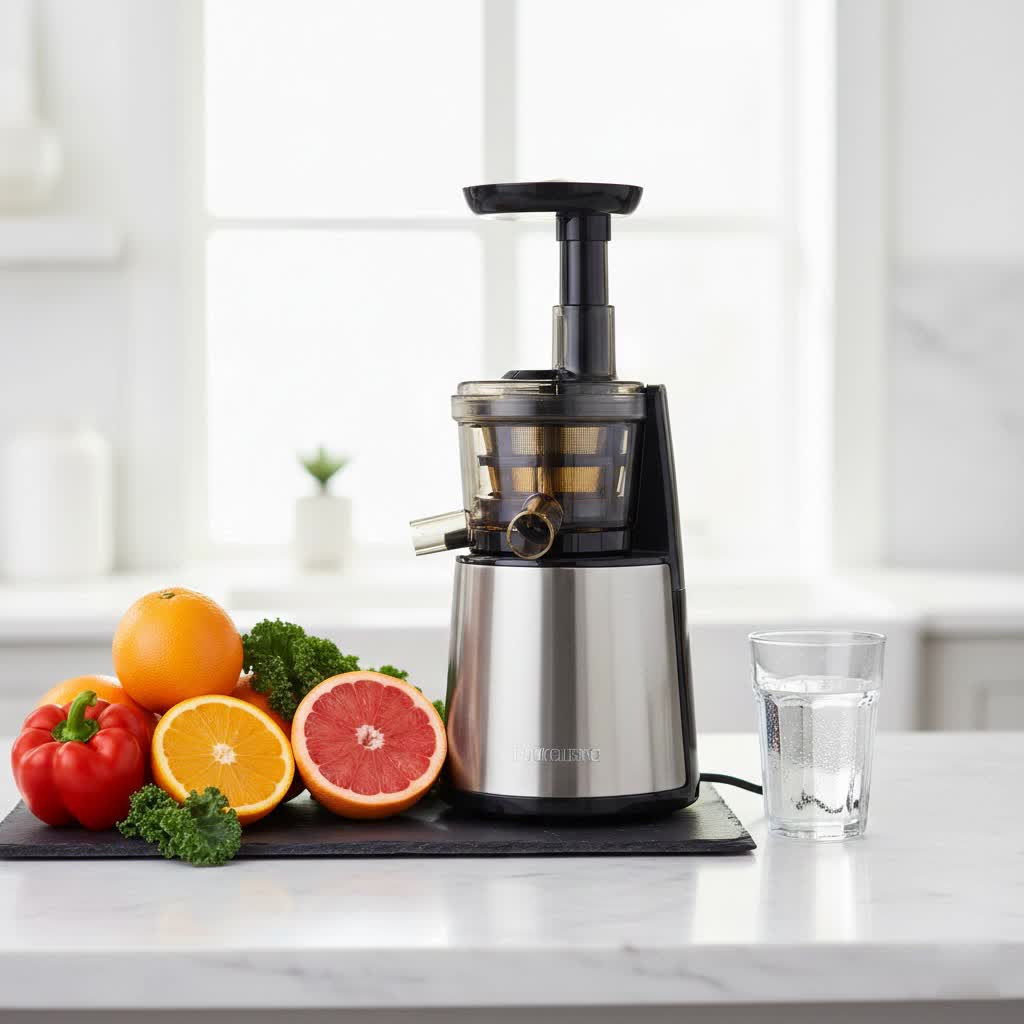
A fruit and vegetable juicer is a kitchen appliance designed to extract juice from raw fruits, vegetables, and leafy greens, separating it from the pulp. It’s a powerful tool for concentrating the vitamins, minerals, and enzymes from produce into an easily digestible liquid form.
The benefits of incorporating fresh, homemade juice into your diet are immense. Juicing allows you to consume a wider variety of nutrients quickly, boosting energy levels, supporting detoxification, strengthening the immune system, and improving skin health. It’s an efficient way to meet your daily recommended intake of fruits and vegetables, especially if you struggle to eat enough whole produce.
On the market today, you’ll find several primary types of fruit and vegetable juicers, each with unique mechanisms and advantages. Understanding these differences is key to making an informed decision about which juicer best suits your needs and lifestyle.
Common Types of Fruit and Vegetable Juicers
The world of juicers offers diverse technologies, each impacting juice quality, speed, and the types of produce they handle best. Let’s break down the most popular categories.
Centrifugal Juicers
Centrifugal juicers are often recognized for their speed and affordability, making them a popular entry-level choice. They operate by using a high-speed spinning blade that grates produce against a mesh filter. The centrifugal force then separates the juice from the pulp.
- Advantages: These machines are typically faster than other types, allowing you to get a glass of fresh juice in minutes. They are generally more budget-friendly and easy to find. Many models feature wide feeding chutes, reducing the need for extensive pre-chopping.
- Disadvantages: The high speed and heat generated during operation can lead to oxidation, potentially reducing some nutrient content and shortening the juice’s shelf life. They also tend to be louder and produce more foam, and they are less efficient at juicing leafy greens or soft fruits. The pulp can sometimes be wetter, indicating less juice extraction.
- Best for: Beginners, those on a budget, and individuals who primarily juice hard fruits and vegetables like apples, carrots, and celery.
|
Our Picks for the Best Fruit Juicer in 2026
As an Amazon Associate I earn from qualifying purchases.
|
||
| Num | Product | Action |
|---|---|---|
| 1 | Juicer Machine, 800W Centrifugal Juicer Extractor with Wide Mouth 3” Feed Chute for Fruit Vegetable, Easy to Clean, Stainless Steel, BPA-free (Green) |

|
| 2 | Juicer Machine, 800W Centrifugal Juicer Extractor with Wide Mouth 3” Feed Chute for Fruit Vegetable, Easy to Clean, Stainless Steel, BPA-free (Gold) |
|
| 3 | Juicer Machine, 800W Centrifugal Juicer Extractor with Wide Mouth 3” Feed Chute for Fruit Vegetable, Easy to Clean, Stainless Steel, BPA-free (Metallic Black) |
|
| 4 | Qcen Juicer Machine, 800W Centrifugal Juicer Extractor with Wide Mouth 3” Feed Chute for Fruit Vegetable, Easy to Clean, Stainless Steel, BPA-free (Black) |
|
| 5 | QCen Juicer Machine, 500W Centrifugal Juicer Extractor with Wide Mouth 3” Feed Chute for Fruit Vegetable, Easy to Clean, Stainless Steel, BPA-free (Green) |
|
| 6 | Qcen Juicer Machine, 500W Centrifugal Juicer Extractor with Wide Mouth 3” Feed Chute for Fruit Vegetable, Easy to Clean, Stainless Steel, BPA-free (Black) |
|
| 7 | Juicer Machine, 800W Centrifugal Juicer Extractor with Wide Mouth 3” Feed Chute for Fruit Vegetable, Easy to Clean, Stainless Steel, BPA-free (Metallic Red) |
|
| 8 | Juicer Machine, 800W Centrifugal Juicer Extractor with Wide Mouth 3” Feed Chute for Fruit Vegetable, Easy to Clean, Stainless Steel, BPA-free (Aqua) |
|
| 9 | QCen Juicer Machine, 500W Centrifugal Juicer Extractor with Wide Mouth 3” Feed Chute for Fruit Vegetable, Easy to Clean, Stainless Steel, BPA-free (Gold) |
|
| 10 | QCen Juicer Machine, 500W Centrifugal Juicer Extractor with Wide Mouth 3” Feed Chute for Fruit Vegetable, Easy to Clean, Stainless Steel, BPA-free (Aqua) |
|
Masticating Juicers (Slow Juicers / Cold Press Juicers)
Masticating juicers, also known as slow juicers or cold press juicers, operate at a much lower speed, typically between 40 and 100 RPM. They use a single auger to crush and press produce against a screen, slowly squeezing out the juice. This gentle process minimizes heat and oxidation.
- Advantages: Masticating juicers excel at producing high-quality, nutrient-dense juice with minimal foam and oxidation. This means the juice retains more enzymes and vitamins and has a longer shelf life (up to 72 hours when stored properly). They are highly efficient at juicing a wide range of produce, including leafy greens, wheatgrass, soft fruits, and hard vegetables. They also tend to be quieter in operation.
- Disadvantages: Their slower speed means juice takes longer to prepare. Masticating juicers are generally more expensive than centrifugal models and can sometimes have more parts to clean, though many now offer dishwasher-safe components.
- Best for: Health enthusiasts, those who prioritize maximum nutrient retention, individuals who juice leafy greens frequently, and those looking for versatile machines that can also make nut milks or sorbets.
Twin-Gear (Triturating) Juicers
Twin-gear juicers, sometimes called triturating juicers, represent the pinnacle of slow juicing technology. They utilize two interlocking gears that grind and press produce together at an even slower speed than single-auger masticating juicers. This method achieves the highest possible juice yield and nutrient extraction.
- Advantages: These machines offer the absolute best juice quality, extracting the most nutrients, enzymes, and the driest pulp. They are exceptionally effective with leafy greens, herbs, and wheatgrass. Many models also offer multi-purpose functions beyond juicing, such as making pasta or grinding coffee.
- Disadvantages: Twin-gear juicers are significantly more expensive, slower to operate, and can be more cumbersome to assemble and clean due to their complex design. They are also quite large and heavy.
- Best for: Dedicated juicing aficionados, those with specific health goals requiring maximum nutrient intake, and users who frequently process fibrous produce like wheatgrass.
Detailed Comparison Table of Juicer Types
| Feature | Centrifugal Juicer | Masticating (Slow/Cold Press) Juicer | Twin-Gear (Triturating) Juicer |
|---|---|---|---|
| Speed | Very Fast (10,000+ RPM) | Slow (40-100 RPM) | Very Slow (under 100 RPM) |
| Juice Quality | Good, but more oxidation and foam | Excellent, minimal oxidation & foam | Superior, highest nutrient retention |
| Produce Type | Hard fruits & veggies | All (hard, soft, leafy greens, wheatgrass) | All, exceptional for leafy greens & herbs |
| Yield | Lower (wetter pulp) | Higher (drier pulp) | Highest (driest pulp) |
| Price | Low to Mid-range | Mid to High-range | Very High-range |
| Noise Level | High | Low to Moderate | Low |
| Ease of Cleaning | Generally easy (some dishwasher-safe) | Varies, can have more parts | More complex, can be harder to clean |
Top-Rated Fruit Juicers on the Market Today
Based on expert reviews and user satisfaction, several models consistently stand out in the fruit and vegetable juicer market. Here are a few top picks across different categories:
-
Best Overall Masticating Juicer: Omega NC900HDC Juicer Extractor
- Pros: Exceptional juice yield, quiet operation, handles leafy greens beautifully, versatile (can make nut butters, pasta, sorbets). Offers a 15-year warranty.
- Cons: Higher price point, slower operation.
- Ideal for: Serious juicers and those prioritizing nutrient retention and versatility.
-
Best Centrifugal Juicer: Breville JE98XL Juice Fountain Plus
- Pros: Very fast, wide feed chute (minimal prep), powerful motor, relatively affordable, easy to clean with dishwasher-safe parts.
- Cons: Louder operation, more foam, less efficient with leafy greens, juice has a shorter shelf life.
- Ideal for: Beginners, busy individuals, and those who primarily juice hard produce.
-
Best Value Slow Juicer: NutriBullet Slow Juicer
- Pros: Compact design, quiet, good juice yield for its price point, easy to assemble and clean, wide-mouth hopper.
- Cons: May struggle with very fibrous vegetables compared to premium models, single speed setting.
- Ideal for: Those new to slow juicing or with limited counter space looking for a reliable, entry-level masticating option.
-
Best for Leafy Greens: Ninja Never Clog Cold Press
- Pros: Specifically designed to prevent clogging with fibrous greens, easy to clean, excellent juice quality, particularly for green juices.
- Cons: Can be slower with harder produce, a newer model without as long a track record as some brands.
- Ideal for: Dedicated green juice drinkers and those who prioritize effortless processing of leafy vegetables.
When considering a specific model, always read recent reviews and watch demonstration videos to see the juicer in action and gauge its real-world performance.
How to Choose the Right Fruit Juicer
Selecting the best fruit and vegetable juicer for your home involves weighing several factors against your personal needs and preferences. Don’t just pick the most expensive or popular model; choose the one that truly fits your lifestyle.
-
Determine Your Usage Needs:
- What type of produce will you juice most often? If leafy greens and wheatgrass are your staples, a masticating or twin-gear juicer is superior. For hard fruits and vegetables, a centrifugal juicer might suffice.
- How often will you be juicing, and in what quantity? Daily juicers might prioritize efficiency and ease of cleaning, while occasional users might opt for a more budget-friendly model.
- Are versatility and other functions important? Some slow juicers can make nut milks, sorbets, or even pasta, adding extra value.
-
Consider Your Budget: Juicers range widely in price from under $100 to over $1000. Set a realistic budget before you start shopping. Remember that a higher price often correlates with better juice quality, durability, and a longer warranty, but excellent mid-range options are available.
-
Evaluate Other Factors:
- Noise Level: Centrifugal juicers are typically louder than masticating models. If you juice early in the morning or late at night, a quiet juicer might be a priority.
- Ease of Cleaning: This is often cited as a major factor in how often people actually use their juicer. Look for models with fewer parts, dishwasher-safe components, or included cleaning brushes.
- Footprint and Storage: Consider the size of the juicer and whether you have enough counter space or storage room. Some models are quite bulky.
- Assembly: A juicer that is quick and intuitive to assemble will encourage more frequent use.
> “The best juicer isn’t just about the juice it produces, but how well it integrates into your daily routine. Ease of use and cleaning are paramount for long-term juicing success.” – Expert Reviewer, Kitchen Appliance Specialist
Tips for Using and Maintaining Your Fruit Juicer
To maximize the life and performance of your fruit and vegetable juicer, proper usage and diligent maintenance are crucial.
-
Proper Usage:
- Prepare your produce: Wash all fruits and vegetables thoroughly. Remove pits, large seeds, and tough peels (like citrus rinds) before juicing. Cut produce into appropriate sizes for your juicer’s feed chute to prevent clogging.
- Feed gradually: Don’t overload the juicer. Feed produce slowly, especially with masticating juicers, to allow the machine to process it efficiently and prevent jams.
- Alternate produce types: When juicing a mix of hard and soft or leafy ingredients, alternate them. For example, follow a handful of spinach with a piece of apple to help push the greens through.
- Don’t force it: Use the food pusher gently. If the machine struggles, stop, clear any blockages, and re-evaluate your produce size or feeding speed.
-
Cleaning Your Juicer After Each Use:
- Disassemble immediately: Don’t let pulp dry and harden inside the juicer, as this makes cleaning much more difficult. Disassemble the parts as soon as you’re done.
- Rinse thoroughly: Rinse all removable parts under warm running water. Use a brush (many juicers come with one) to scrub the mesh screen, which can trap small fibers.
- Soak if needed: For stubborn pulp, soak parts in warm, soapy water for a few minutes before scrubbing.
- Avoid abrasive cleaners: Use mild dish soap and a soft sponge or cloth to prevent scratching.
- Air dry or towel dry: Ensure all parts are completely dry before reassembling or storing to prevent mold and mildew.
-
Long-Term Storage: If you don’t use your juicer daily, store it in a clean, dry place. Keep the instruction manual handy for reference. Periodically check for any wear and tear on parts, especially the mesh screen or auger.
Common Juicer Problems and Solutions
Even the best fruit and vegetable juicer can encounter minor issues. Knowing how to troubleshoot common problems can save you time and frustration.
-
Juicer Not Working/Turning On:
- Check power: Ensure the juicer is properly plugged into a working outlet.
- Safety lock: Most juicers have a safety interlock system that prevents operation if parts are not assembled correctly. Double-check that all components are securely locked into place.
- Overheat protection: Some juicers have an automatic shut-off feature if they overheat. Let the machine cool down for 15-30 minutes before trying again.
-
Juicer Getting Clogged:
- Pre-cut produce: Ensure fruits and vegetables are cut into pieces small enough for the feed chute.
- Slow feeding: Avoid pushing too much produce through at once. Feed ingredients slowly and steadily.
- Alternate ingredients: As mentioned, alternate soft and hard produce to help clear the chamber.
- Clean screen: A clogged mesh screen can reduce efficiency. Ensure it’s clean and free of dried pulp.
-
Juice is Too Pulpy / Low Yield:
- Juicer type: Centrifugal juicers naturally produce more pulpy juice and lower yields, especially with leafy greens. This is normal for this type.
- Clogged screen: A partially clogged screen can restrict juice flow. Clean it thoroughly.
- Produce freshness: Fresher, firmer produce generally yields more juice.
- Masticating technique: For slow juicers, ensure the produce is being properly crushed and squeezed, not just pushed through.
Where to Buy a Reliable Fruit Juicer
Once you’ve decided on the best fruit and vegetable juicer for your needs, the next step is finding a reputable place to purchase it.
-
Brick-and-Mortar Stores:
- Large electronics retailers: Stores like Best Buy, Target, or Walmart (in the US) often carry a selection of popular centrifugal and masticating juicers. You can see the juicers in person, compare sizes, and sometimes get advice from sales associates.
- Department stores: High-end department stores might offer premium juicer brands.
- Specialty kitchen stores: These stores often have knowledgeable staff who can provide in-depth information and demonstrations.
-
Online Retailers:
- Amazon: Offers an unparalleled selection of juicers from virtually every brand, often with competitive pricing and extensive customer reviews.
- Manufacturer websites: Buying directly from brands like Omega, Breville, NutriBullet, or Ninja can sometimes offer exclusive deals, direct warranty support, and access to their full product line.
- Other online marketplaces: Retailers like Walmart.com, Target.com, or Wayfair also carry a range of juicers.
-
Tips for Buying Online:
- Read reviews: Pay close attention to recent customer reviews regarding performance, durability, and ease of cleaning.
- Check warranty: Understand the manufacturer’s warranty and return policy.
- Compare prices: Use price comparison tools to ensure you’re getting the best deal.
- Shipping costs: Factor in shipping costs, especially for heavier items.
Conclusion
Choosing the best fruit and vegetable juicer is an investment in your health and well-being. By understanding the different types—centrifugal for speed and budget, masticating for nutrient retention and versatility, and twin-gear for ultimate quality—you can confidently select a machine that aligns with your specific needs. Prioritize factors like juice quality, ease of cleaning, noise level, and your budget to make the perfect choice. With the right juicer, consistent usage, and proper maintenance, you’re well on your way to enjoying delicious, nutrient-rich fresh juices every day.
What fresh juice creation will you try first with your new fruit and vegetable juicer?
Frequently Asked Questions
Is a cold press juicer truly better for health than a centrifugal juicer?
Yes, cold press (masticating) juicers are generally considered better for health. They operate at lower speeds, minimizing heat and oxidation, which helps preserve more vitamins, enzymes, and nutrients in the juice. This results in a higher quality, more nutrient-dense juice with a longer shelf life compared to the juice from centrifugal models.
How much should I expect to spend on a good quality fruit and vegetable juicer?
The price of a good quality fruit and vegetable juicer can vary significantly. You can find decent centrifugal juicers starting from $50-$150. For a reliable masticating (slow) juicer, expect to pay anywhere from $150 to $400. Premium or twin-gear juicers can range from $500 to over $1000. Your budget should align with your juicing frequency and specific health priorities.
