Embarking on a journey to incorporate more fresh, vibrant nutrition into your diet often leads to the question: can a juicer handle the icy challenge of frozen fruit? Many health enthusiasts turn to frozen produce for convenience, cost-effectiveness, and year-round access to seasonal favorites. However, not all juicers are created equal when it comes to transforming rock-hard fruit into a silky smooth beverage. Choosing the right juicer is paramount to avoid damaging your appliance and to consistently create delicious, nutrient-rich juices or refreshing frozen desserts. This comprehensive guide will navigate the world of juicers, focusing specifically on those that excel with frozen fruit, helping you make an informed decision for your kitchen.
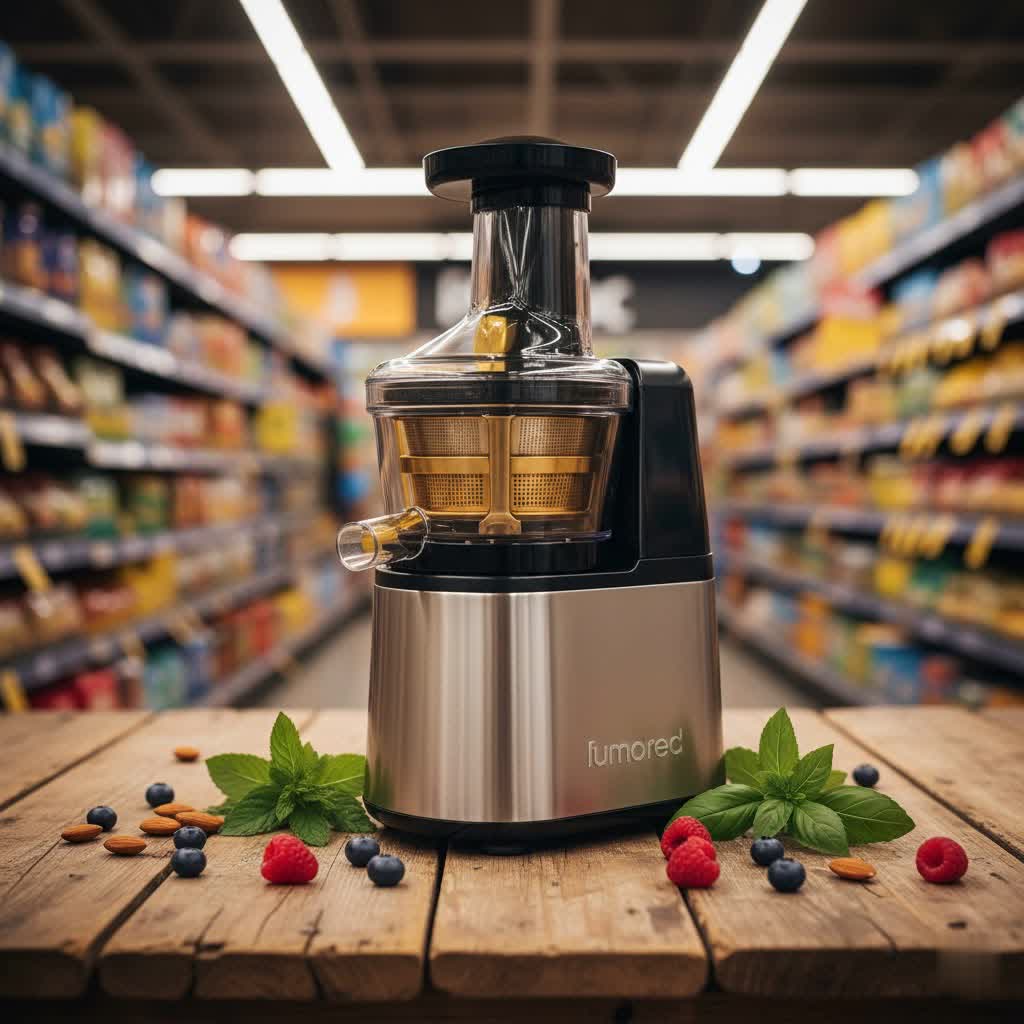
Understanding Juicers: What Are They and Why Do You Need One?
A juicer is a kitchen appliance designed to extract juice from fruits, vegetables, and leafy greens, separating it from the pulp. The primary purpose is to provide a concentrated source of vitamins, minerals, and enzymes that can support overall health and well-being. Freshly made juice offers a convenient way to boost your daily nutrient intake, improve hydration, and even aid digestion.
The market offers several types of juicers, each with a distinct mechanism for extraction and varying capabilities when it comes to different produce, especially challenging ingredients like frozen fruit. Understanding these differences is key to selecting an appliance that truly meets your needs and lifestyle.
Popular Types of Juicers and Their Frozen Fruit Capabilities
Different juicer types employ unique extraction methods, impacting their efficiency, the quality of the juice produced, and their ability to process frozen ingredients.
Centrifugal Juicers (Fast Juicers)
Centrifugal juicers are often recognized by their speed and affordability, making them a popular entry point for many.
- How they work: These juicers operate with a rapidly spinning blade that shreds fruits and vegetables against a mesh filter. Centrifugal force then separates the juice from the pulp, funneling them into separate containers.
- Pros: They are typically fast, processing ingredients quickly, and are generally more budget-friendly. Their wide feed chutes often reduce prep time.
- Cons: The high-speed operation generates heat, which can potentially degrade some heat-sensitive nutrients and enzymes. They also tend to produce more foam and can be louder. When it comes to frozen fruit, centrifugal juicers are generally not recommended for fully frozen items. The hard ice crystals can strain the motor and dull the blades. While some powerful models might handle slightly thawed frozen fruit cut into small pieces, they are primarily designed for fresh produce and may yield a less desirable, often foamy, result.
- Best for: Beginners, those on a budget, and individuals primarily juicing fresh, firmer fruits and vegetables like apples, carrots, and celery.
|
Our Picks for the Best Fruit Juicer in 2026
As an Amazon Associate I earn from qualifying purchases.
|
||
| Num | Product | Action |
|---|---|---|
| 1 | Juicer Machine, 800W Centrifugal Juicer Extractor with Wide Mouth 3” Feed Chute for Fruit Vegetable, Easy to Clean, Stainless Steel, BPA-free (Gold) |

|
| 2 | Juicer Machine, 800W Centrifugal Juicer Extractor with Wide Mouth 3” Feed Chute for Fruit Vegetable, Easy to Clean, Stainless Steel, BPA-free (Aqua) |
|
| 3 | Juicer Machine, 800W Centrifugal Juicer Extractor with Wide Mouth 3” Feed Chute for Fruit Vegetable, Easy to Clean, Stainless Steel, BPA-free (Metallic Red) |
|
| 4 | QCen Juicer Machine, 500W Centrifugal Juicer Extractor with Wide Mouth 3” Feed Chute for Fruit Vegetable, Easy to Clean, Stainless Steel, BPA-free (Green) |
|
| 5 | Qcen Juicer Machine, 500W Centrifugal Juicer Extractor with Wide Mouth 3” Feed Chute for Fruit Vegetable, Easy to Clean, Stainless Steel, BPA-free (Black) |
|
| 6 | Juicer Machine, 800W Centrifugal Juicer Extractor with Wide Mouth 3” Feed Chute for Fruit Vegetable, Easy to Clean, Stainless Steel, BPA-free (Metallic Black) |
|
| 7 | Qcen Juicer Machine, 800W Centrifugal Juicer Extractor with Wide Mouth 3” Feed Chute for Fruit Vegetable, Easy to Clean, Stainless Steel, BPA-free (Black) |
|
| 8 | QCen Juicer Machine, 500W Centrifugal Juicer Extractor with Wide Mouth 3” Feed Chute for Fruit Vegetable, Easy to Clean, Stainless Steel, BPA-free (Aqua) |
|
| 9 | QCen Juicer Machine, 500W Centrifugal Juicer Extractor with Wide Mouth 3” Feed Chute for Fruit Vegetable, Easy to Clean, Stainless Steel, BPA-free (Gold) |
|
| 10 | Juicer Machine, 800W Centrifugal Juicer Extractor with Wide Mouth 3” Feed Chute for Fruit Vegetable, Easy to Clean, Stainless Steel, BPA-free (Green) |
|
Masticating Juicers (Slow Juicers/Cold Press Juicers)
Masticating juicers are the preferred choice for those prioritizing nutrient retention and juice quality, especially when it comes to tougher or fibrous ingredients, and notably, frozen fruit.
- How they work: Also known as slow juicers or cold press juicers, these machines use a single or twin auger (a slow-rotating screw-like mechanism) to crush and press fruits and vegetables against a screen, extracting juice without generating excessive heat.
- Pros: They excel at extracting high yields of juice with minimal oxidation and foam, preserving more vitamins, minerals, and enzymes. They operate quietly and are highly efficient with leafy greens, soft fruits, and yes, frozen fruit (with proper preparation). The juice produced typically has a longer shelf life. Many come with attachments for making sorbets or nut butters.
- Cons: They are generally slower than centrifugal juicers, require more upfront preparation (cutting ingredients to fit smaller chutes), and tend to be more expensive. Cleaning can sometimes involve more parts.
- Best for: Health-conscious individuals, those who want to juice leafy greens, soft fruits, and frozen fruits, and those looking for the highest quality and most nutrient-dense juice.
Triturating Juicers (Twin Gear Juicers)
Triturating juicers represent the pinnacle of juicing technology, often considered a specialized type of masticating juicer.
- How they work: These machines feature two interlocking gears that grind and press produce with extreme efficiency.
- Pros: They offer the highest juice yield, superior nutrient extraction, and are excellent for a wide variety of produce, including wheatgrass and fibrous greens. Many also have attachments for making other food items.
- Cons: Triturating juicers are the slowest, most expensive, and can be the most challenging to clean due to their complex design.
- Best for: Serious juicing enthusiasts, those making specialty items like wheatgrass shots, and users who demand the absolute maximum yield and nutrient preservation. While they handle frozen fruit exceptionally well, their high price point makes them a niche choice.
Detailed Comparison Table: Juicer Types for Frozen Fruit
| Feature | Centrifugal Juicers | Masticating Juicers | Triturating Juicers |
|---|---|---|---|
| Extraction Method | High-speed blade and spinning basket | Slow-rotating auger crushes and presses | Twin interlocking gears grind and squeeze |
| Speed | Very fast | Slow | Very slow |
| Frozen Fruit Handling | Not recommended for fully frozen; okay for slightly thawed, small pieces. Risk of damage. | Excellent for thawed frozen fruit; many make sorbet from fully frozen with attachment. | Excellent for thawed frozen fruit; often superior for sorbet from fully frozen. |
| Juice Quality | More foam, quicker oxidation | Less foam, preserves nutrients, longer shelf life | Minimal foam, highest nutrient retention, longest shelf life |
| Yield | Lower, especially for soft/leafy produce | High | Highest |
| Noise Level | Loud | Quiet | Quiet |
| Ease of Cleaning | Generally easier | Moderate (more parts) | More complex (many parts) |
| Price Range | Low to moderate | Moderate to high | High to very high |
| Best For | Quick daily juice, hard produce | Nutrient-rich juice, leafy greens, frozen fruit, nut milks | Maximum extraction, wheatgrass, versatile food processing |
Top Juicers for Frozen Fruit: Recommended Models
When it comes to juicing frozen fruit, masticating juicers consistently rise to the top. Here are some highly-regarded models known for their performance with frozen ingredients, often requiring them to be slightly thawed or offering specialized attachments for frozen desserts:
- Omega J8006HDS Nutrition Center Masticating Juicer: A classic horizontal masticating juicer, the Omega J8006 is praised for its durability and efficiency in handling a wide range of produce, including slightly thawed frozen fruit. It excels at delivering high yields and also functions as a food processor for making nut butters, pasta, and frozen desserts.
- Kuvings Whole Slow Juicer EVO820/REVO830: Kuvings models, particularly the EVO820 and REVO830, are popular for their wide feed chutes, which minimize pre-cutting. They are powerful vertical masticating juicers that produce excellent quality juice and often come with a dedicated frozen dessert strainer, allowing you to make sorbet from fully frozen fruit.
- Nama J2 Cold Press Juicer: The Nama J2 is a premium cold press juicer known for its efficient juice extraction and a design that makes it relatively easy to clean. It performs exceptionally well with various produce, including properly thawed frozen fruit, yielding smooth, high-quality juice. While it doesn’t always come with a dedicated frozen attachment, its strong motor handles semi-frozen items well for juice.
- NutriBullet Slow Juicer: Often lauded for its overall performance and ease of use, the NutriBullet Slow Juicer is a great choice for those looking for a reliable masticating option. It handles thawed frozen fruits effectively, producing good yields and quality juice, and is generally quieter than many competitors.
How to Choose the Right Juicer for Your Needs
Selecting the perfect juicer, especially with frozen fruit in mind, involves considering several factors:
- Determine Your Primary Use: Are you aiming for liquid juice from frozen fruit, or do you want to make sorbets and frozen desserts? If it’s primarily liquid juice, a powerful masticating juicer is ideal, often requiring the fruit to be thawed. If sorbets are a priority, look for masticating juicers with specific frozen dessert attachments.
- Budget: Juicers vary widely in price. Centrifugal juicers are the most affordable, while masticating and triturating models are a greater investment. Consider your budget and how frequently you plan to juice.
- Types of Produce: If frozen fruit is a frequent ingredient, a masticating juicer is your best bet. If you also plan to juice a lot of leafy greens or soft fruits, masticating juicers are superior. For hard fruits and vegetables, both types can work, but masticating still offers better quality.
- Ease of Cleaning: Juicers need to be cleaned immediately after use. Some models have fewer parts or dishwasher-safe components, making cleanup quicker. Consider your tolerance for disassembly and washing.
- Noise Level: Masticating juicers are significantly quieter than centrifugal models, which can be a crucial factor if you juice early in the morning or in a shared living space.
- Feed Chute Size: A wider feed chute means less pre-chopping, saving you time. This is particularly beneficial when dealing with bulkier frozen fruits.
Tips for Using and Maintaining Your Juicer with Frozen Fruit
To get the best results and extend the lifespan of your juicer, especially when processing frozen fruit, follow these guidelines:
- Thaw Properly: For liquid juice, it is crucial to partially or fully thaw frozen fruit before putting it through most juicers. This prevents damage to the auger, motor, or blades. Letting it sit at room temperature for 30-60 minutes, or a quick rinse under cold water, can help.
- Cut into Smaller Pieces: Even when thawed, cutting larger frozen fruit pieces (like mango chunks or whole berries) into smaller, manageable sizes will ease the juicer’s work and prevent clogging.
- Alternate Ingredients: When juicing thawed frozen fruit, it can sometimes be thick. Alternating with fresh, watery fruits or vegetables (like cucumber or apple) can help push the pulp through and maintain a smoother flow.
- Use the Right Attachment: If your masticating juicer comes with a blank screen or a specific frozen dessert attachment, use it for making sorbets from fully frozen fruit. Do not use the fine mesh screen for this purpose, as it can cause blockages and strain the motor.
- Clean Immediately: Frozen fruit pulp can be stickier than fresh pulp. Clean your juicer components immediately after use to prevent residue from drying and becoming difficult to remove.
- Don’t Overload: Feed ingredients gradually. Forcing too much frozen fruit into the chute at once can overwhelm the motor and lead to jams.
Common Issues When Juicing Frozen Fruit and How to Fix Them
Even with the right juicer, you might encounter specific challenges when processing frozen fruit:
- Juicer Not Working/Getting Stuck: This is almost always due to trying to juice completely frozen, hard fruit without proper thawing, or overloading the machine.
- Fix: Ensure fruit is at least partially thawed. Cut into smaller pieces. Feed gradually. Use the reverse function on masticating juicers to clear blockages.
- Mushy Output (Not Liquid Juice): This happens when the fruit is still too frozen or the juicer isn’t designed for this task.
- Fix: Allow more thawing time. If you want a liquid juice, the fruit needs to be soft, not icy. If you were aiming for sorbet, ensure you’re using the correct attachment (if available).
- Low Juice Yield: Frozen fruit can sometimes yield less juice due to changes in its cellular structure upon freezing and thawing.
- Fix: Ensure the fruit is fully thawed for optimal juice extraction. Masticating juicers generally provide higher yields.
- Juice is Too Thick: Thawed frozen fruit often results in a thicker juice consistency.
- Fix: Add a splash of water, coconut water, or mix with a higher water content fresh fruit or vegetable juice to thin it out.
Where to Purchase Reliable Juicers
Investing in a quality juicer for frozen fruit is a step towards healthier living. Reputable retailers and online stores are the best places to make your purchase:
- Major Appliance Retailers: Stores like Best Buy, Target, and Walmart often carry a range of juicer brands.
- Specialty Kitchen Stores: Stores focusing on kitchen gadgets and small appliances can offer a more curated selection and knowledgeable staff.
- Online Marketplaces: Amazon, Wayfair, and the official websites of brands like Omega, Kuvings, and Nama provide extensive options, user reviews, and direct-to-consumer warranties.
When buying online, always verify the seller’s reputation, check customer reviews specific to frozen fruit performance, and understand the warranty and return policy.
Conclusion
Choosing the Best Juicer For Frozen Fruit is a matter of understanding your needs and the capabilities of different juicer types. While centrifugal juicers offer speed and affordability, masticating (slow press) juicers are unequivocally the superior choice for handling frozen ingredients, provided they are properly thawed or processed with specific attachments for frozen desserts. They preserve more nutrients, produce higher yields, and offer a quieter, more versatile juicing experience. By investing in a high-quality masticating juicer and following proper usage guidelines, you can effortlessly transform your favorite frozen fruits into delicious, healthy juices and refreshing treats year-round. So, are you ready to unlock the full potential of your frozen fruit with the perfect juicer?
Frequently Asked Questions
Can I put completely frozen fruit directly into any juicer?
No, it is generally not recommended to put completely frozen, hard fruit directly into most juicers, especially centrifugal models. This can damage the motor, blades, or auger. For liquid juice, the fruit should be at least partially thawed. Some masticating juicers, however, come with special attachments that allow you to process fully frozen fruit into sorbet-like consistency.
Is juicing frozen fruit as nutritious as juicing fresh fruit?
Flash-frozen fruits are often picked at their peak ripeness and immediately frozen, which helps lock in their nutritional content. Therefore, juicing thawed frozen fruit can be nearly as nutritious as juicing fresh fruit. However, the freezing and thawing process can sometimes alter the texture and may lead to a slightly lower juice yield compared to perfectly ripe fresh fruit.
What’s the main difference between juicing frozen fruit for juice vs. sorbet?
When making liquid juice from frozen fruit, the fruit must be thawed to a soft consistency. The juicer will then separate the liquid from the pulp. When making sorbet, the fruit is typically kept fully frozen and processed through a masticating juicer using a “blank” screen or a dedicated frozen dessert attachment, which crushes the fruit into a thick, ice cream-like consistency rather than separating liquid.
Do I need a powerful motor to juice frozen fruit?
Yes, a powerful and robust motor, especially in a masticating juicer, is beneficial when processing thawed frozen fruit. It ensures the machine can handle the denser texture without straining or overheating, contributing to both efficiency and the longevity of the appliance.
How long does juice from frozen fruit last?
Juice made from properly thawed frozen fruit, especially with a cold press (masticating) juicer, can typically be stored in an airtight container in the refrigerator for up to 24-72 hours. However, it’s always best to consume freshly made juice as soon as possible for maximum nutrient benefit and flavor.
