Are you ready to transform your health with fresh, vibrant juices, but feel overwhelmed by the myriad of options? An Electric Fruit Juicer can be your best ally in unlocking a world of concentrated nutrition, simplifying your daily routine, and making healthy living genuinely enjoyable. This comprehensive guide will navigate you through everything you need to know about choosing, using, and maintaining the perfect electric fruit juicer for your home.
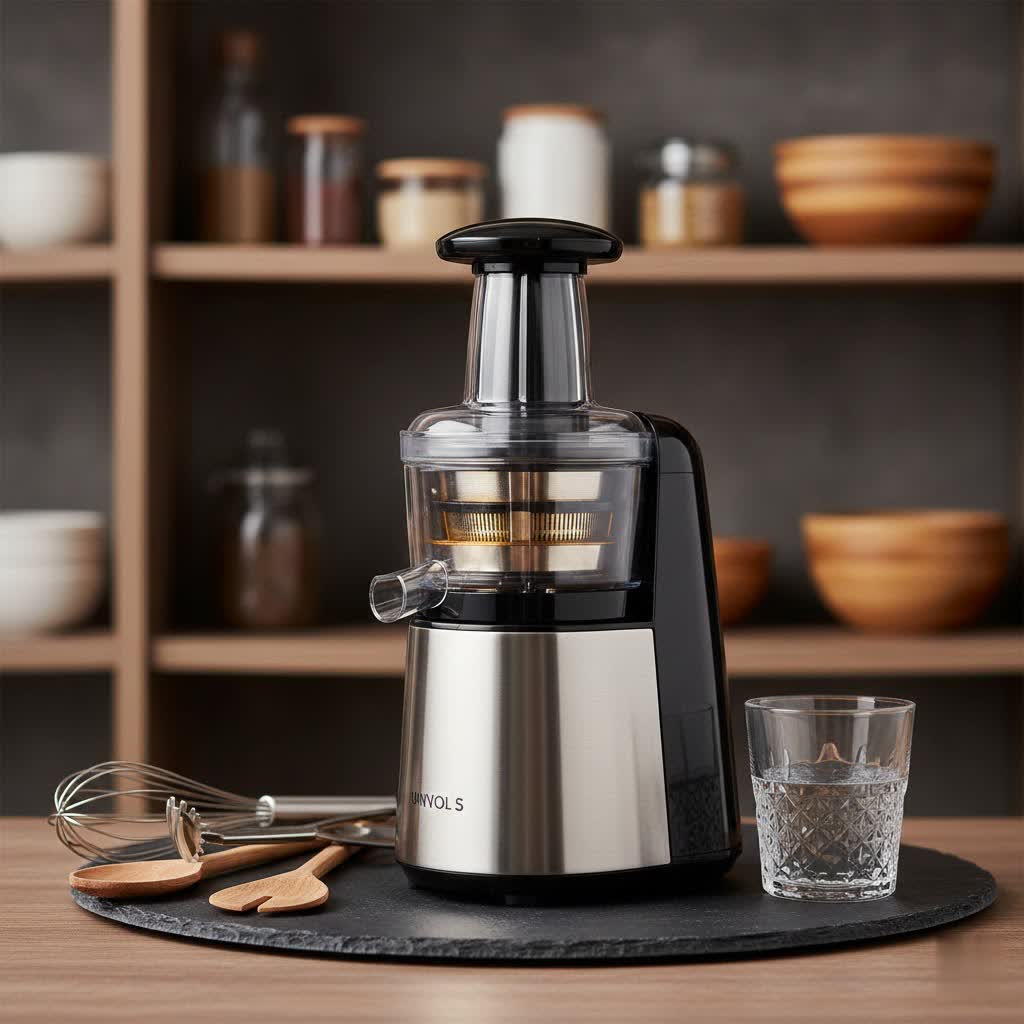
What is an Electric Fruit Juicer? Why Do You Need One?
An electric fruit juicer is a kitchen appliance designed to extract liquid from fruits and vegetables, separating the pulp and fiber. It mechanizes the juicing process, making it significantly faster and less effortful than manual methods. Owning an electric fruit juicer means you can easily create custom beverages packed with vitamins, minerals, and enzymes, providing a concentrated boost of nutrients that are quickly absorbed by your body.
The benefits of incorporating fresh, homemade juice into your diet are extensive. Beyond simply tasting delicious, fresh juices support detoxification, boost immunity, enhance skin radiance, and provide a sustained energy lift without the jitters of caffeine. They are an excellent way to increase your daily intake of fruits and vegetables, especially for those who struggle to consume enough whole produce.
There are several types of electric fruit juicers available, each with unique characteristics that cater to different needs and preferences. Understanding these varieties is the first step toward finding your ideal juicing companion.
Common Types of Electric Fruit Juicers
The world of electric fruit juicers can be broadly categorized into a few key types, each employing a distinct mechanism to extract juice.
Centrifugal Juicers
Centrifugal juicers, often called “fast juicers,” operate by shredding produce with a high-speed spinning blade. The shredded pulp is then forced against a mesh filter, separating the juice through centrifugal force.
- Pros:
- Speed: They process fruits and vegetables very quickly, delivering juice in seconds.
- Affordability: Generally the most budget-friendly option, making them ideal for beginners.
- Ease of Use: Simple to operate, often with wide feed chutes that require minimal chopping of produce.
- Cons:
- Noise: Can be quite loud, similar to a blender.
- Oxidation and Foam: The high speed generates heat and incorporates air, leading to more oxidation, froth, and a shorter shelf life for the juice.
- Less Efficient for Leafy Greens: They tend to be less effective at extracting juice from leafy greens and herbs, often leaving wet pulp.
|
Our Picks for the Best Fruit Juicer in 2026
As an Amazon Associate I earn from qualifying purchases.
|
||
| Num | Product | Action |
|---|---|---|
| 1 | Juicer Machine, 800W Centrifugal Juicer Extractor with Wide Mouth 3” Feed Chute for Fruit Vegetable, Easy to Clean, Stainless Steel, BPA-free (Green) |

|
| 2 | QCen Juicer Machine, 500W Centrifugal Juicer Extractor with Wide Mouth 3” Feed Chute for Fruit Vegetable, Easy to Clean, Stainless Steel, BPA-free (Gold) |
|
| 3 | Juicer Machine, 800W Centrifugal Juicer Extractor with Wide Mouth 3” Feed Chute for Fruit Vegetable, Easy to Clean, Stainless Steel, BPA-free (Metallic Red) |
|
| 4 | QCen Juicer Machine, 500W Centrifugal Juicer Extractor with Wide Mouth 3” Feed Chute for Fruit Vegetable, Easy to Clean, Stainless Steel, BPA-free (Green) |
|
| 5 | Juicer Machine, 800W Centrifugal Juicer Extractor with Wide Mouth 3” Feed Chute for Fruit Vegetable, Easy to Clean, Stainless Steel, BPA-free (Aqua) |
|
| 6 | Juicer Machine, 800W Centrifugal Juicer Extractor with Wide Mouth 3” Feed Chute for Fruit Vegetable, Easy to Clean, Stainless Steel, BPA-free (Gold) |
|
| 7 | Qcen Juicer Machine, 500W Centrifugal Juicer Extractor with Wide Mouth 3” Feed Chute for Fruit Vegetable, Easy to Clean, Stainless Steel, BPA-free (Black) |
|
| 8 | Qcen Juicer Machine, 800W Centrifugal Juicer Extractor with Wide Mouth 3” Feed Chute for Fruit Vegetable, Easy to Clean, Stainless Steel, BPA-free (Black) |
|
| 9 | QCen Juicer Machine, 500W Centrifugal Juicer Extractor with Wide Mouth 3” Feed Chute for Fruit Vegetable, Easy to Clean, Stainless Steel, BPA-free (Aqua) |
|
| 10 | Juicer Machine, 800W Centrifugal Juicer Extractor with Wide Mouth 3” Feed Chute for Fruit Vegetable, Easy to Clean, Stainless Steel, BPA-free (Metallic Black) |
|
Masticating (Slow) Juicers
Masticating juicers, also known as “slow juicers” or “cold press juicers,” work by slowly crushing and pressing fruits and vegetables using a single auger. This gentle process minimizes heat and oxidation.
- Pros:
- High Juice Quality: Produces nutrient-dense juice with minimal foam and oxidation, preserving more enzymes and vitamins.
- Better Yield: Extracts more juice, resulting in drier pulp and less waste.
- Versatility: Excellent for a wide range of produce, including leafy greens, wheatgrass, and even making nut milks or sorbets.
- Quieter Operation: Significantly less noisy than centrifugal models.
- Cons:
- Slower Speed: The juicing process takes longer.
- Higher Price: Generally more expensive upfront.
- More Prep Work: Often require produce to be cut into smaller pieces due to narrower feed chutes.
- Cleaning: Can have more parts to assemble and clean, though many newer models are improving in this regard.
Triturating (Twin-Gear) Juicers
Triturating juicers, sometimes called twin-gear juicers, are a subcategory of slow juicers that feature two interlocking gears. These gears grind and crush produce more finely than a single auger, extracting even more juice and nutrients.
- Pros:
- Highest Juice Yield and Nutrient Extraction: Considered the most efficient at extracting maximum juice and phytochemicals.
- Superior Juice Quality: Produces very smooth, rich-colored juice with excellent shelf life.
- Extremely Versatile: Can handle virtually any type of produce, and often come with attachments for making pasta, baby food, or nut butters.
- Cons:
- Very High Price: Typically the most expensive type of juicer.
- Bulky and Heavy: Can take up significant counter space and be difficult to move.
- Complex Cleaning: Generally the most challenging to clean due to their intricate parts.
Electric Citrus Juicers
These specialized juicers are designed exclusively for citrus fruits. They feature a reamer that spins against the cut half of a citrus fruit to extract juice.
- Pros:
- Efficiency for Citrus: Quick and effective for juicing oranges, lemons, limes, and grapefruits.
- Simple Operation: Usually very straightforward to use.
- Compact Options: Many models are relatively small and easy to store.
- Cons:
- Limited Use: Cannot juice other types of fruits or vegetables.
- Manual Pressure: Often requires some hand pressure, even for electric models.
Detailed Comparison Table of Electric Juicer Types
| Feature | Centrifugal Juicers | Masticating (Slow) Juicers | Triturating (Twin-Gear) Juicers |
|---|---|---|---|
| Juicing Speed | Very Fast | Slow to Moderate | Slow |
| Juice Quality | Good, but more froth & oxidation | Excellent, minimal foam & oxidation | Superior, maximum nutrient retention |
| Nutrient Retention | Moderate | High | Highest |
| Suitable Produce | Hard fruits & vegetables (apples, carrots) | All types, especially leafy greens & soft fruits | All types, including wheatgrass & herbs |
| Price Range | $60 – $500 | $150 – $700+ | $400 – $1000+ |
| Noise Level | High | Low | Low |
| Ease of Cleaning | Moderate, filter can be tricky | Moderate to High | High, due to multiple intricate parts |
Top-Rated Electric Fruit Juicers Today
With numerous models on the market, selecting a top performer can be daunting. Here are some highly-regarded electric fruit juicers that consistently receive positive reviews for their performance and features across different categories.
- NutriBullet Slow Juicer: Often lauded as a “best overall” choice for its blend of performance and value. It boasts a wide-mouth hopper for larger produce, a quiet motor, and many dishwasher-safe parts, making it excellent for daily, hassle-free juicing. It excels at extracting juice from tough kale and stringy celery.
- Breville Juice Fountain Cold: A top pick among centrifugal juicers, known for its powerful motor, fast operation, and wide chute that accommodates whole fruits and vegetables. Its “Cold Spin Technology” aims to minimize heat transfer, preserving nutrients. It’s great for quickly juicing hard fruits but may struggle with leafy greens.
- Omega NC900HDC Juicer Extractor: Frequently cited as a leading masticating juicer, this model offers excellent juice yield, quiet operation, and versatility for various produce, including wheatgrass. Its robust design makes it a favorite among serious juicers.
- Hamilton Beach Big Mouth Juicer: A strong contender for “best value.” This centrifugal juicer is affordable and features a large feed chute for whole produce, simplifying prep. While it might be noisier and less efficient with leafy greens than premium models, it’s a reliable, budget-friendly option for occasional juicing.
- Kuvings Whole Slow Juicer REVO830W: Praised for its quick and easy juicing operation, yielding delicious, pulp-free juice. It features a dual feed chute system and a robust motor, offering both convenience and high-quality output, though it sits at a higher price point.
How to Choose the Right Electric Fruit Juicer
Choosing an electric fruit juicer is a personal decision that should align with your lifestyle and health goals. Consider these factors before making your investment.
Determine Your Usage Needs
- What will you juice? If you plan to mainly juice hard fruits like apples and carrots, a centrifugal juicer might suffice. For leafy greens, wheatgrass, or soft fruits, a masticating or twin-gear juicer will offer better results.
- How often will you juice? Daily juicers might prioritize efficiency, ease of cleaning, and durability. Occasional juicers might opt for a more affordable, simpler model.
- Quantity: Do you need to make single servings or large batches for the week? Consider juicer capacity and continuous operation time.
Set Your Budget
Electric fruit juicers range widely in price, from under $100 to over $1000. While cheaper models can be a good starting point, investing in a higher-quality machine often translates to better juice yield, nutrient retention, and overall longevity. Think of it as an investment in your long-term health.
Other Important Factors
- Noise Level: If you juice early mornings or late evenings, a quieter masticating or triturating juicer will be preferable. Centrifugal juicers can be quite noisy.
- Ease of Cleaning: Look for models with dishwasher-safe parts or minimal components that are easy to rinse. A cleaning brush is often included and crucial for mesh filters.
- Size and Storage: Consider your kitchen counter space and storage options. Vertical slow juicers tend to have a smaller footprint than horizontal models or some centrifugal units.
- Feed Chute Size: A wider feed chute reduces prep time as you won’t need to chop produce as much.
Tips for Using and Maintaining Your Electric Fruit Juicer
Proper usage and regular maintenance will extend the life of your electric fruit juicer and ensure you always get the best quality juice.
- Prep Your Produce: Wash all fruits and vegetables thoroughly. Remove pits from fruits like peaches or cherries, and hard seeds from apples if recommended by the manufacturer. While some juicers handle whole produce, cutting larger items into smaller pieces can ease the load on the motor and prevent clogging.
- Don’t Overload: Feed produce gradually. Pushing too much through at once can strain the motor or cause jams.
- Clean Immediately: This is perhaps the most crucial tip. Fruit and vegetable pulp can dry and stick to components, making cleaning much harder later. Rinse all removable parts under warm water immediately after juicing. Use the provided cleaning brush, especially for mesh filters, to remove stubborn fibers.
- Dishwasher-Safe Parts: Check your juicer’s manual for dishwasher-safe components. Many modern juicers feature parts that can go on the top rack, but some require hand washing.
- Store Properly: Ensure all parts are completely dry before reassembling or storing your juicer to prevent mold or odors. Store it in a convenient location that encourages regular use.
Common Electric Juicer Problems and Solutions
Even the best electric fruit juicers can encounter issues. Here’s how to troubleshoot some common problems:
- Juicer Not Starting:
- Solution: Check if the juicer is properly assembled and all safety locks are engaged. Many models have safety features that prevent operation if parts aren’t correctly aligned. Ensure it’s plugged into a working outlet.
- Juicer Clogs or Jams:
- Solution: This often happens when feeding produce too quickly or using overly fibrous ingredients without proper chopping. Turn off and unplug the juicer. Disassemble and clear the blockage. For slow juicers, a reverse function can sometimes help dislodge jams. Remember to cut fibrous vegetables like celery into smaller pieces.
- Pulp in Juice:
- Solution: A small amount of pulp is normal, especially with some centrifugal models. If there’s excessive pulp, check if the mesh filter is clean and free of blockages. For centrifugal juicers, ensuring the blade is sharp can help. If you prefer completely pulp-free juice, consider straining it through a fine-mesh sieve or cheesecloth after juicing.
Where to Buy a Reliable Electric Fruit Juicer
When investing in an electric fruit juicer, purchasing from a reputable source is key to ensuring product authenticity, warranty support, and reliable customer service.
- Major Retailers: Large electronics stores, department stores, and big-box retailers (both online and brick-and-mortar) typically carry a wide selection of electric juicers from various brands.
- Online Marketplaces: Websites like Amazon, Walmart, and Best Buy offer extensive choices, often with competitive pricing and user reviews that can help inform your decision.
- Specialty Kitchen Stores: These stores might offer a more curated selection, often with knowledgeable staff who can provide expert advice.
- Manufacturer Websites: Buying directly from the brand’s website can sometimes provide exclusive deals or extended warranties.
Always check for warranty information, return policies, and customer reviews before making a purchase, especially when buying online.
“A good juicer is more than just a kitchen gadget; it’s a gateway to a healthier lifestyle, offering convenience and a potent dose of nature’s best.”
Conclusion
Choosing the right electric fruit juicer is an empowering step towards a healthier, more vibrant you. By understanding the different types of juicers—from fast and affordable centrifugal models to nutrient-preserving slow masticating and powerful triturating options—you can make an informed decision that perfectly aligns with your juicing habits and health aspirations. Factors like your budget, the types of produce you’ll be juicing, ease of cleaning, and noise level all play a crucial role in finding your ideal machine.
Embracing the world of fresh, homemade juices with an electric fruit juicer allows you to unlock a wealth of concentrated nutrition and delightful flavors. Are you ready to press play on a healthier you?
Frequently Asked Questions
Is an electric fruit juicer better than a blender for making healthy drinks?
Electric fruit juicers extract only the liquid and soluble nutrients, separating the fiber (pulp). Blenders, on the other hand, liquefy whole fruits and vegetables, retaining all the fiber. Juicing provides a concentrated nutrient boost that is easily absorbed, while blending offers a thicker drink with digestive benefits from fiber. Neither is inherently “better”; it depends on your nutritional goals.
Can I juice frozen fruits in an electric fruit juicer?
Most electric fruit juicers are designed for fresh produce. Juicing frozen fruits can be difficult and may damage the motor or parts, especially in slow juicers. If you wish to use frozen fruits, it’s generally recommended to thaw them slightly or use them in a blender for smoothies instead.
How long does fresh juice from an electric fruit juicer last?
Juice from centrifugal juicers typically has a shorter shelf life due to higher oxidation, best consumed immediately. Juice from masticating or triturating juicers, due to their gentler extraction, can last up to 48-72 hours when stored in an airtight container in the refrigerator. Always check for changes in color, smell, or taste.
