In a world increasingly focused on wellness, a Fruit And Vegetable Juicer Machine has become an indispensable tool for many seeking to boost their health. Freshly extracted juices offer a concentrated dose of vitamins, minerals, and enzymes, making it easier to consume your daily recommended intake of produce. But with a myriad of options available, choosing the right juicer can feel overwhelming. This comprehensive guide will navigate you through everything you need to know, from understanding different juicer types to making an informed purchase and keeping your machine in top condition.
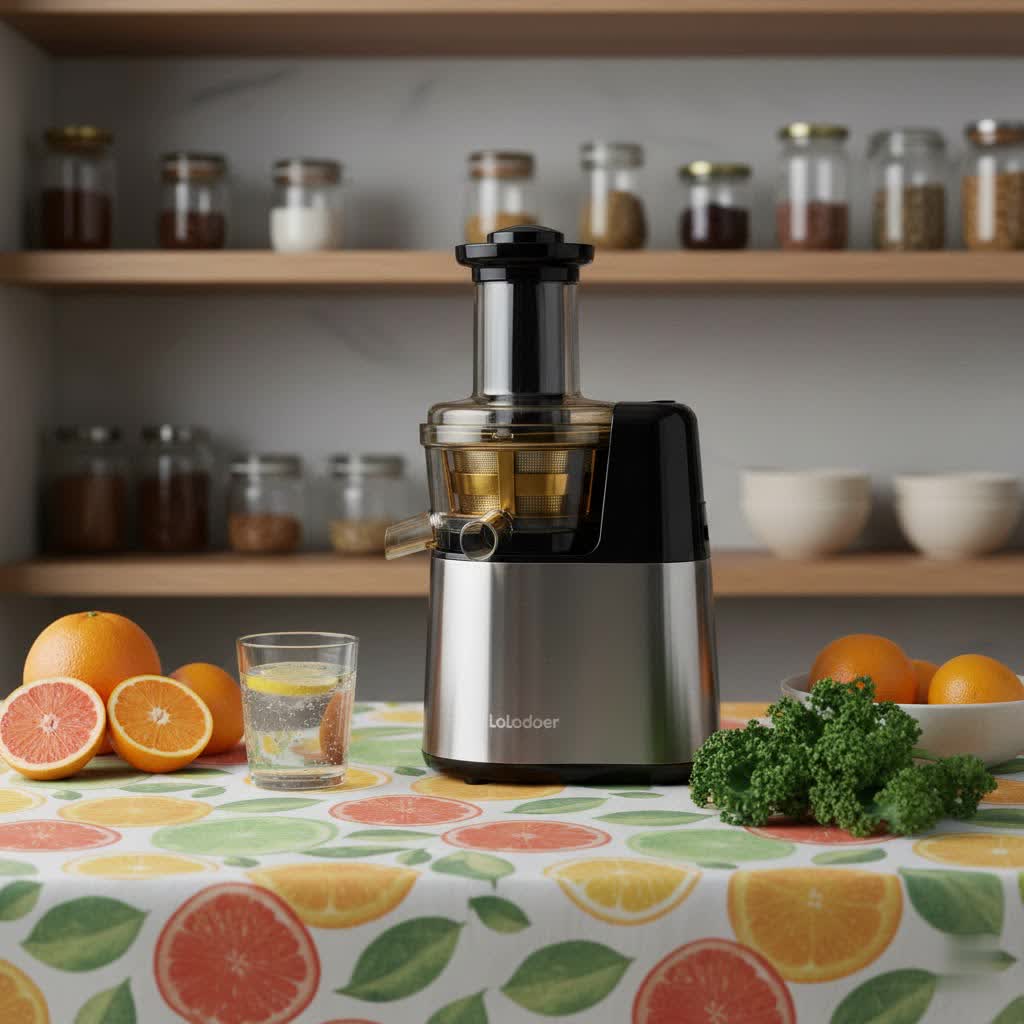
What is a Fruit and Vegetable Juicer Machine and Why Do You Need One?
A fruit and vegetable juicer machine is an appliance designed to extract liquid from fresh produce, separating the juice from the fibrous pulp. Unlike blenders that create smoothies (which retain all the fiber), juicers offer a smooth, pulp-free beverage. This distinction is crucial because juicing allows for rapid nutrient absorption, giving your digestive system a break while flooding your body with concentrated goodness.
The health benefits of incorporating fresh juices into your diet are significant. They can support detoxification, boost energy levels, enhance immunity, and provide a convenient way to consume a wide variety of fruits and vegetables, especially for those who struggle to eat enough whole produce. Moreover, custom-made juices allow you to control ingredients, avoiding added sugars and preservatives often found in store-bought options.
There are several popular types of fruit and vegetable juicer machines, each with its unique mechanism and advantages, catering to different needs and preferences. Understanding these differences is the first step towards finding your perfect juicing companion.
Popular Types of Fruit and Vegetable Juicer Machines
The market offers diverse juicer machines, each with its own method of extraction. The three primary types you’ll encounter are centrifugal, masticating, and triturating juicers.
Centrifugal Juicers
Centrifugal juicers are often the entry-level choice, recognized for their speed and affordability.
- How they work: These juicers use a fast-spinning metal blade that shreds fruits and vegetables against a mesh filter. Centrifugal force then separates the juice from the pulp, sending the juice out through a spout and the pulp into a separate container.
- Pros: They are typically faster than other types, quickly producing a glass of juice. They are also generally more budget-friendly and often feature wider feed chutes, reducing the need for extensive pre-chopping.
- Cons: The high-speed spinning generates heat and exposes the juice to more oxygen, which can lead to oxidation, potentially degrading some heat-sensitive nutrients and causing the juice to separate and foam more quickly. They are also often noisier and less efficient with leafy greens.
- Best for: Beginners, those on a budget, and individuals who prioritize speed and plan to juice mostly harder fruits and vegetables like apples and carrots.
|
Our Picks for the Best Fruit Juicer in 2026
As an Amazon Associate I earn from qualifying purchases.
|
||
| Num | Product | Action |
|---|---|---|
| 1 | Qcen Juicer Machine, 500W Centrifugal Juicer Extractor with Wide Mouth 3” Feed Chute for Fruit Vegetable, Easy to Clean, Stainless Steel, BPA-free (Black) |

|
| 2 | Juicer Machine, 800W Centrifugal Juicer Extractor with Wide Mouth 3” Feed Chute for Fruit Vegetable, Easy to Clean, Stainless Steel, BPA-free (Metallic Red) |
|
| 3 | Qcen Juicer Machine, 800W Centrifugal Juicer Extractor with Wide Mouth 3” Feed Chute for Fruit Vegetable, Easy to Clean, Stainless Steel, BPA-free (Black) |
|
| 4 | QCen Juicer Machine, 500W Centrifugal Juicer Extractor with Wide Mouth 3” Feed Chute for Fruit Vegetable, Easy to Clean, Stainless Steel, BPA-free (Gold) |
|
| 5 | Juicer Machine, 800W Centrifugal Juicer Extractor with Wide Mouth 3” Feed Chute for Fruit Vegetable, Easy to Clean, Stainless Steel, BPA-free (Gold) |
|
| 6 | Juicer Machine, 800W Centrifugal Juicer Extractor with Wide Mouth 3” Feed Chute for Fruit Vegetable, Easy to Clean, Stainless Steel, BPA-free (Aqua) |
|
| 7 | Juicer Machine, 800W Centrifugal Juicer Extractor with Wide Mouth 3” Feed Chute for Fruit Vegetable, Easy to Clean, Stainless Steel, BPA-free (Green) |
|
| 8 | QCen Juicer Machine, 500W Centrifugal Juicer Extractor with Wide Mouth 3” Feed Chute for Fruit Vegetable, Easy to Clean, Stainless Steel, BPA-free (Green) |
|
| 9 | QCen Juicer Machine, 500W Centrifugal Juicer Extractor with Wide Mouth 3” Feed Chute for Fruit Vegetable, Easy to Clean, Stainless Steel, BPA-free (Aqua) |
|
| 10 | Juicer Machine, 800W Centrifugal Juicer Extractor with Wide Mouth 3” Feed Chute for Fruit Vegetable, Easy to Clean, Stainless Steel, BPA-free (Metallic Black) |
|
Masticating (Slow/Cold Press) Juicers
Masticating juicers, also known as slow juicers or cold press juicers, operate at a much slower speed, prioritizing juice quality and nutrient preservation.
- How they work: These machines use a single auger (a slowly rotating screw) to crush and press fruits and vegetables against a screen, extracting juice. This “chewing” action minimizes heat buildup and oxidation.
- Pros: They produce high-quality juice with minimal foam and less oxidation, preserving more vitamins, minerals, and enzymes. This results in a richer, more vibrant juice with a longer shelf life (up to 72 hours when stored properly). They are excellent for leafy greens, wheatgrass, and soft fruits, and are generally quieter than centrifugal models. Masticating juicers also boast higher juice yields, meaning less waste.
- Cons: They are slower to operate, require more preparation (produce often needs to be cut into smaller pieces), and tend to be more expensive upfront. Cleaning can sometimes involve more parts.
- Best for: Health enthusiasts, those serious about nutrient retention, and individuals who frequently juice leafy greens, herbs, and soft produce.
Triturating (Twin Gear) Juicers
Triturating juicers are considered the pinnacle of home juicing, offering the highest quality and most versatile performance.
- How they work: These machines use two interlocking gears that grind and press produce with extreme precision, mimicking the human chewing process even more effectively than single-auger masticating juicers.
- Pros: They deliver the highest juice yield and superior nutrient preservation due to minimal heat and oxidation. They are exceptionally good at extracting juice from all types of produce, including very fibrous greens and herbs. Many models also offer versatility for making nut butter, sorbets, and pasta. They are typically quiet during operation.
- Cons: Triturating juicers are the most expensive option, often have a larger footprint, and can be more complex to assemble and clean due to their multiple components.
- Best for: Dedicated juicers, those seeking maximum nutritional benefits, and individuals who want a multi-functional kitchen appliance.
Comparison Table: Centrifugal vs. Masticating vs. Triturating Juicers
| Feature | Centrifugal Juicers | Masticating Juicers | Triturating Juicers |
|---|---|---|---|
| Juicing Speed | Fast | Slow | Slowest |
| Juice Quality | Good, more foam/oxidation | Excellent, less foam/oxidation | Superior, minimal foam/oxidation |
| Nutrient Retention | Moderate | High | Highest |
| Juice Yield | Moderate | High | Highest |
| Noise Level | Loud | Quiet | Very Quiet |
| Price Range | Budget-friendly (low-mid) | Mid-High | Premium (high) |
| Ease of Cleaning | Generally easy | Moderate | More involved |
| Versatility | Basic juicing | Good (greens, nut milks) | Excellent (nut butters, sorbets, pasta) |
| Produce Type Best For | Hard fruits, firm vegetables | All produce, especially leafy greens, soft fruits | All produce, including fibrous greens |
Top Fruit and Vegetable Juicer Machines for Every Need
Selecting the “best” juicer depends on your individual priorities. Here, we highlight common characteristics of top-rated machines across different categories to help you identify what might suit you.
- Best Overall for Beginners/Value: Look for centrifugal models that offer a good balance of speed, ease of use, and reasonable price. Many highly-rated centrifugal juicers are known for their wide feed chutes and straightforward operation, making daily juicing hassle-free.
- Example features: Powerful motors (e.g., 1000W), large pulp containers, dishwasher-safe parts for quick cleanup.
- Best for Health-Conscious Individuals (Masticating): Top masticating juicers excel in extracting nutrient-dense juice from a wide array of produce.
- Example features: Slow speeds (e.g., 40-80 RPM) for minimal oxidation, robust augers, ability to handle leafy greens and wheatgrass efficiently, often come with attachments for other food prep (e.g., sorbets, nut milks).
- Best for Maximum Yield and Versatility (Triturating): For those seeking the ultimate juicing experience and multi-functionality, premium twin-gear juicers are the go-to.
- Example features: Dual-gear system for superior extraction, heavy-duty construction, extensive accessories for varied food processing, long warranties reflecting durability.
When evaluating products, consider user reviews for insights into daily performance, durability, and actual juice quality. Pay attention to comments regarding specific produce types you plan to juice most often.
How to Choose the Right Fruit and Vegetable Juicer Machine
Making an informed decision about your fruit and vegetable juicer machine involves considering several key factors tailored to your lifestyle and goals.
-
Determine Your Juicing Needs:
- What produce will you juice? If leafy greens and wheatgrass are staples, a masticating or triturating juicer is essential. For mostly hard fruits and root vegetables, a centrifugal model might suffice.
- How much juice will you make? For single servings daily, a compact model works well. For batch juicing for a family or for storage, consider models with larger pulp containers and higher yields.
- How often will you juice? Daily juicers might prioritize ease of cleaning and durability, while occasional users might opt for a more budget-friendly model.
-
Set Your Budget: Juicers range widely in price. While it’s tempting to go for the cheapest option, remember that higher-priced models often offer better juice quality, yield, durability, and features, potentially saving you money on produce and replacements in the long run. View it as an investment in your health.
-
Consider Other Factors:
- Noise Level: If you plan to juice early mornings or late evenings, a quieter masticating or triturating juicer will be preferable to a loud centrifugal one.
- Ease of Cleaning: This is a major factor for consistent use. Look for models with fewer parts, dishwasher-safe components, or innovative cleaning mechanisms (like self-rinsing functions or mesh-free screens).
- Size and Footprint: Measure your available countertop and storage space. Vertical masticating juicers often have a smaller footprint than horizontal ones, but some models can be quite tall.
- Motor Power and Speed Settings: A powerful motor handles tougher produce with ease. Multiple speed settings offer versatility for different ingredients; slow for soft fruits, high for firm vegetables.
- Brand Reputation and Warranty: Reputable brands often provide better customer support and longer warranties, which is crucial for a significant appliance investment.
Tips for Using and Maintaining Your Fruit and Vegetable Juicer Machine
Proper use and diligent maintenance are crucial for maximizing the lifespan and performance of your fruit and vegetable juicer machine.
Guide to Proper Use
- Prepare Produce: Wash all fruits and vegetables thoroughly. Remove pits from fruits like cherries or peaches. For masticating and triturating juicers, cut produce into smaller, manageable pieces to prevent clogging and optimize extraction.
- Feed Gradually: Don’t overload the machine. Feed produce slowly, allowing the juicer to process each piece before adding the next. This prevents clogging and motor strain.
- Alternate Produce: When juicing fibrous greens (like celery or kale) or very soft fruits (like tomatoes), alternate them with harder, wetter produce (like carrots or apples). This helps push the softer/fibrous material through and prevents blockages.
- Use the Pusher Correctly: Only use the provided food pusher to guide ingredients, not to force them. Let the machine do the work.
Cleaning and Storage Best Practices
- Clean Immediately After Use: This is the most important rule. Dried pulp and juice residue are much harder to remove and can harbor bacteria or mold.
- Unplug: Always unplug the juicer before disassembling or cleaning.
- Disassemble: Remove all detachable parts (juicing bowl, auger/blade, strainer, pulp container, juice collector).
- Rinse: Rinse each part under running water to remove loose pulp and juice. Use the included cleaning brush (especially for mesh strainers) to dislodge stubborn bits.
- Soak & Wash: Soak parts (excluding the motor base) in warm, soapy water for 5-10 minutes. Scrub gently with a non-abrasive sponge or brush.
- Rinse & Dry: Rinse thoroughly to remove soap residue. Allow all parts to air dry completely or dry with a clean cloth before reassembling.
- Wipe Base: Wipe the motor base with a damp cloth; never immerse it in water.
- Deep Clean Regularly: For hard water areas, mineral deposits (limescale) can build up. Every 2-3 weeks, soak non-electrical parts in a warm water and mild vinegar or lemon juice solution to descale.
- Store Properly: Reassemble the juicer only when all parts are completely dry to prevent rust or mold. Store it in a dry, accessible place.
Common Juicer Machine Problems and How to Fix Them
Even the best fruit and vegetable juicer machine can encounter issues. Knowing how to troubleshoot common problems can save you frustration and extend your appliance’s life.
- Problem: Low Juice Yield or Wet Pulp
- Causes: Dull blade/auger, clogged filter, incorrect speed setting, produce not cut small enough, or overfeeding.
- Fix: Clean the filter/screen thoroughly. Ensure produce is cut to the recommended size. Use the appropriate speed setting (slower for leafy greens). If parts are worn, consider replacing the blade or auger.
- Problem: Motor Overheating or Shutting Off
- Causes: Overloading the machine, continuous long run times, blocked air vents.
- Fix: Allow the juicer to cool down (15-30 minutes). Process smaller batches of produce. Ensure air vents are clear of dust and debris. Always follow the manufacturer’s recommended run time.
- Problem: Clogging or Pulp Build-Up
- Causes: Juicing too many fibrous greens or soft, mushy fruits without alternating, rushing the process, or insufficient cleaning.
- Fix: Pre-cut fibrous items. Alternate soft/fibrous produce with harder ones. Pause and clean the filter if pulp accumulates. Don’t force ingredients; let the machine process at its own pace. Deep clean the juicing screen regularly.
- Problem: Juicer Won’t Start
- Causes: Power cord issue, safety lock mechanism not engaged, motor fault.
- Fix: Check the power supply and ensure the cord is securely plugged in. Most juicers have safety interlocks; ensure all parts are correctly assembled and locked into place. If the issue persists, contact customer support.
- Problem: Juice Leaking
- Causes: Worn seals/gaskets, improper assembly, cracks in components.
- Fix: Check that all parts are correctly assembled. Inspect seals and gaskets for wear and tear; replace if damaged. Ensure there are no cracks in the juicing chamber or other parts.
Where to Buy a Reliable Fruit and Vegetable Juicer Machine
When investing in a fruit and vegetable juicer machine, purchasing from reputable sources is paramount to ensure quality, warranty, and support.
- Large Retailers: Major appliance stores and electronics retailers (both online and brick-and-mortar) often carry a wide selection of juicers from various brands. They can be a good starting point for comparing models and prices.
- Specialty Stores: Health appliance stores or kitchenware specialists may offer a more curated selection, often with knowledgeable staff who can provide tailored recommendations, especially for high-end masticating or triturating models.
- Online Marketplaces: While offering convenience and competitive pricing, be sure to buy directly from official brand stores or highly-rated sellers with strong return policies. Always check product reviews and seller ratings.
Considerations for Online Purchases:
- Authenticity: Verify the seller is authorized to prevent counterfeit products.
- Warranty & Returns: Understand the warranty policy and return process before purchasing.
- Shipping: Check shipping costs and delivery times.
Ultimately, whether online or in-store, prioritize vendors known for their customer service and commitment to product quality.
Conclusion
A fruit and vegetable juicer machine can be a transformative addition to your kitchen, unlocking a world of fresh, nutrient-rich beverages that support a healthier lifestyle. From the speedy convenience of centrifugal models to the superior nutrient preservation of masticating and triturating juicers, there’s a machine designed to meet every need and budget. By understanding the different types, considering your personal juicing habits, and committing to proper care, you can choose a juicer that will serve you and your family for years to come.
Ready to embark on your juicing journey or upgrade your current setup? What fresh juice concoction will you create first?
Frequently Asked Questions
What is the difference between a juicer and a blender?
A juicer extracts liquid from fruits and vegetables, separating it from the fibrous pulp to create a smooth, thin drink. A blender, conversely, pulverizes whole ingredients, including the fiber, resulting in a thicker smoothie or puree.
Can I juice all fruits and vegetables in any juicer machine?
While most juicers handle common fruits and vegetables, certain types excel with specific produce. Masticating and triturating juicers are generally better for leafy greens, herbs, and soft fruits, whereas centrifugal juicers are often more efficient for harder produce like carrots and apples.
How long does fresh juice last when made with a cold press juicer?
Fresh juice made with a cold press (masticating or triturating) juicer typically lasts longer due to minimal oxidation. When stored in an airtight container in the refrigerator, it can stay fresh for up to 48-72 hours, retaining most of its nutritional value.
Are expensive juicers really worth the investment?
Expensive juicers, particularly masticating and triturating models, often offer higher juice yield, better nutrient preservation, quieter operation, and greater versatility. While a larger upfront cost, they can save money on produce over time and provide a higher quality, healthier juice.
How often should I clean my fruit and vegetable juicer machine?
It is highly recommended to clean your juicer immediately after every use. This prevents pulp and juice residue from drying and hardening, which makes cleaning more difficult and can lead to bacterial growth and reduced machine performance.
Can I put my juicer parts in the dishwasher?
Some juicer parts are dishwasher-safe, but it’s essential to check your specific model’s manual. The motor base, however, should never be submerged in water or put in the dishwasher; it should only be wiped clean with a damp cloth.
