Imagine starting each day with a glass of vibrant, nutrient-packed juice, brimming with the goodness of fresh fruits and vegetables. For many, this vision of enhanced health and flavor is a powerful motivator. However, stepping into the world of juicers can feel overwhelming, with countless models and types promising different benefits. This comprehensive guide will navigate the complexities of Fruit Juicers, drawing on extensive experience to help you make an informed decision that perfectly aligns with your health goals and lifestyle.
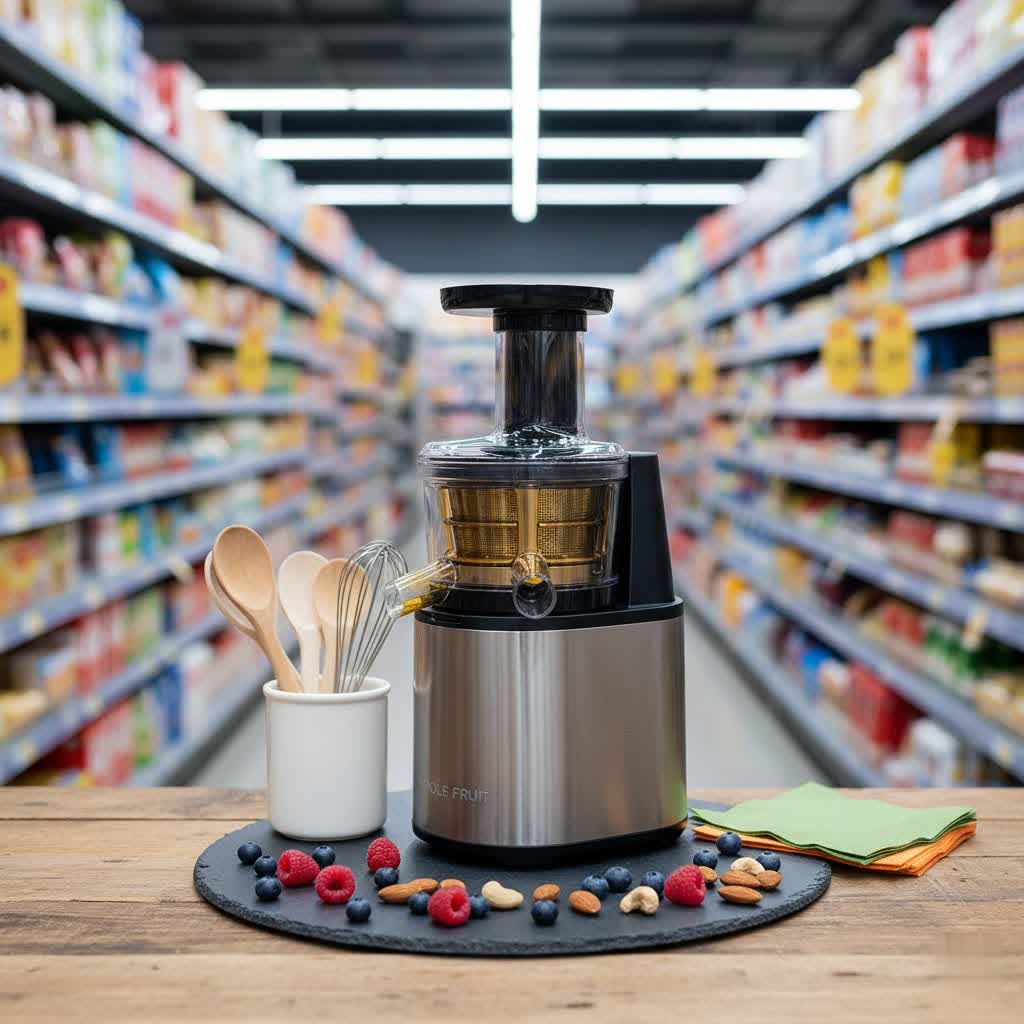
What is a Fruit Juicer? Why Do You Need One?
A fruit juicer is a kitchen appliance designed to extract liquid from fresh fruits and vegetables, separating the juice from the fibrous pulp. Its primary purpose is to provide an easy and efficient way to consume a concentrated dose of vitamins, minerals, and phytonutrients often missing from modern diets.
The benefits of incorporating fresh juice into your routine are manifold. Juicing can offer a significant nutrient boost, delivering essential vitamins like C, A, and K, along with vital minerals such as potassium and folate, directly to your system in a highly absorbable form. It also contributes to improved hydration, providing a flavorful alternative to plain water, and its rich antioxidant content helps support the immune system. Many find that regular juicing leads to a natural energy boost and can aid in digestive health by giving the digestive system a rest from processing fiber. For those with picky eaters in the family, or individuals who struggle to consume enough whole produce, juicing offers a wonderful workaround to ensure a broader intake of essential nutrients.
Popular Types of Fruit Juicers
The market primarily offers three main categories of fruit juicers, each with distinct mechanisms, advantages, and drawbacks. Understanding these differences is crucial for selecting the best fit.
Centrifugal Juicers
Centrifugal juicers, often called “fast juicers,” operate by using a rapidly spinning metal blade that shreds fruits and vegetables into a pulp. The centrifugal force then flings the pulp against a mesh filter, separating the juice from the solids.
- Advantages: Centrifugal juicers are typically faster in operation, making them ideal for quick morning juices. They are generally more affordable, making them a popular entry-level option, and are easy to use with minimal preparation required for most hard fruits and vegetables like apples and carrots.
- Disadvantages: The high-speed rotation generates heat and introduces air, which can lead to oxidation of nutrients, reducing the juice’s nutritional quality and shortening its shelf life. They often produce more foam and are less efficient at extracting juice from leafy greens and soft fruits. Centrifugal models also tend to be noisier during operation.
- Best for: Beginners, individuals on a budget, and those who prioritize speed and convenience for daily juicing of harder produce.
|
Our Picks for the Best Fruit Juicer in 2026
As an Amazon Associate I earn from qualifying purchases.
|
||
| Num | Product | Action |
|---|---|---|
| 1 | Juicer Machine, 800W Centrifugal Juicer Extractor with Wide Mouth 3” Feed Chute for Fruit Vegetable, Easy to Clean, Stainless Steel, BPA-free (Green) |

|
| 2 | Juicer Machine, 800W Centrifugal Juicer Extractor with Wide Mouth 3” Feed Chute for Fruit Vegetable, Easy to Clean, Stainless Steel, BPA-free (Aqua) |
|
| 3 | Juicer Machine, 800W Centrifugal Juicer Extractor with Wide Mouth 3” Feed Chute for Fruit Vegetable, Easy to Clean, Stainless Steel, BPA-free (Metallic Black) |
|
| 4 | Juicer Machine, 800W Centrifugal Juicer Extractor with Wide Mouth 3” Feed Chute for Fruit Vegetable, Easy to Clean, Stainless Steel, BPA-free (Gold) |
|
| 5 | QCen Juicer Machine, 500W Centrifugal Juicer Extractor with Wide Mouth 3” Feed Chute for Fruit Vegetable, Easy to Clean, Stainless Steel, BPA-free (Aqua) |
|
| 6 | QCen Juicer Machine, 500W Centrifugal Juicer Extractor with Wide Mouth 3” Feed Chute for Fruit Vegetable, Easy to Clean, Stainless Steel, BPA-free (Green) |
|
| 7 | Qcen Juicer Machine, 500W Centrifugal Juicer Extractor with Wide Mouth 3” Feed Chute for Fruit Vegetable, Easy to Clean, Stainless Steel, BPA-free (Black) |
|
| 8 | QCen Juicer Machine, 500W Centrifugal Juicer Extractor with Wide Mouth 3” Feed Chute for Fruit Vegetable, Easy to Clean, Stainless Steel, BPA-free (Gold) |
|
| 9 | Qcen Juicer Machine, 800W Centrifugal Juicer Extractor with Wide Mouth 3” Feed Chute for Fruit Vegetable, Easy to Clean, Stainless Steel, BPA-free (Black) |
|
| 10 | Juicer Machine, 800W Centrifugal Juicer Extractor with Wide Mouth 3” Feed Chute for Fruit Vegetable, Easy to Clean, Stainless Steel, BPA-free (Metallic Red) |
|
Masticating (Slow/Cold Press) Juicers
Masticating juicers, also known as “slow juicers” or “cold press juicers,” use a single auger (a slow-turning screw) to crush and press fruits and vegetables against a screen. This “chewing” action slowly extracts the juice.
- Advantages: Due to their low-speed operation, masticating juicers generate minimal heat and oxidation, preserving more vitamins, enzymes, and phytonutrients. This results in higher quality juice with a richer color, better taste, and a longer shelf life. They are highly efficient at juicing leafy greens, wheatgrass, and soft fruits, and typically offer a higher juice yield with drier pulp. Masticating juicers are also considerably quieter than centrifugal models. Many are also versatile, capable of making nut milks, sorbets, and baby food.
- Disadvantages: Masticating juicers are slower to operate, requiring more time for juicing. They are generally more expensive than centrifugal juicers. Many models have smaller feed chutes, necessitating more pre-chopping of produce, and can sometimes clog with very fibrous ingredients if not properly prepared.
- Best for: Health-conscious individuals, those who regularly juice leafy greens, and users prioritizing maximum nutrient retention, juice quality, and a quieter operation.
Triturating (Twin Gear) Juicers
Triturating juicers represent the pinnacle of slow juicing technology, utilizing two intermeshing gears (twin gears) to grind and press produce with extreme thoroughness. These are often considered a more advanced form of masticating juicer.
- Advantages: They deliver the absolute highest juice quality and nutrient preservation, extracting virtually every drop of liquid and leaving behind very dry pulp. Triturating juicers excel with all types of produce, including fine leafy greens, wheatgrass, and even sprouts. Their versatility extends beyond juice, allowing for the creation of nut butters, pasta, and frozen desserts.
- Disadvantages: Triturating juicers are the most expensive type on the market. They are also the slowest in operation and can be more complex to assemble and clean due to numerous parts. Their design often means they are bulkier and take up more counter space.
- Best for: Dedicated juicing enthusiasts, those making specialty items, and users seeking the highest possible yield, nutrient extraction, and versatility, regardless of cost or preparation time.
Detailed Comparison Table of Fruit Juicers
| Feature / Type | Centrifugal Juicers | Masticating Juicers (Slow/Cold Press) | Triturating Juicers (Twin Gear) |
|---|---|---|---|
| Juicing Speed | Very Fast | Slow | Very Slow |
| Juice Quality | Lower (more oxidation/foam, shorter shelf life) | High (retains more nutrients, longer shelf life) | Highest (maximum nutrient preservation, longest shelf life) |
| Best for Produce | Hard fruits & veggies (apples, carrots) | Leafy greens, soft fruits, hard produce | All produce types, including wheatgrass, sprouts |
| Price Range | $50 – $200 | $150 – $500 | $500 – $1000+ |
| Noise Level | High (similar to a blender) | Low | Low |
| Ease of Cleaning | Moderate (parts can be tricky, needs immediate cleaning) | Moderate (some parts, but often simpler designs) | More complex (many parts, intricate gears) |
| Juice Yield | Moderate | High | Highest (very dry pulp) |
Top Fruit Juicers Recommended for 2026
Based on extensive testing and user reviews, several models consistently stand out in their respective categories for performance, durability, and user experience.
- Nama J3 Cold Press Juicer (Best Overall Masticating): Praised for its compact size, efficient juicing, and high yield. The J3 is known for producing incredibly fresh and delicious juice with minimal fuss, making it a top contender for those committed to daily juicing.
- Nutribullet Slow Juicer (Best Value Masticating): An excellent entry-level slow juicer, offering solid performance without the premium price tag. It’s lauded for its quiet operation and ability to handle various produce effectively, making quality juicing accessible.
- Breville Juice Fountain Cold Plus (Best Centrifugal): This model stands out among centrifugal juicers with its “cold spin” technology, which minimizes heat transfer during the fast juicing process. It’s powerful, quick, and ideal for those who prioritize speed for hard fruits and vegetables.
- Kuvings REVO830 Whole Slow Juicer (Best Splurge/Versatile Masticating): A premium choice known for its effortless “hands-free” functionality and exceptional yield, even from tough ingredients. Its wide chutes reduce prep time, and it consistently produces sweet, pulp-free juice.
How to Choose Your Ideal Fruit Juicer
Selecting the perfect fruit juicer is a personal journey. Consider these factors to guide your decision:
- Identify Your Juicing Needs:
- What type of produce will you juice most often? If it’s mainly hard fruits and roots, a centrifugal might suffice. For leafy greens, wheatgrass, or soft berries, a masticating or triturating juicer is superior.
- How frequently will you juice? Daily juicers might benefit from the efficiency and nutrient preservation of a slow juicer, justifying a higher investment.
- What quantity of juice do you need? Some juicers are better suited for single servings, while others can handle large batches for meal prep.
- Set Your Budget: Juicers range widely in price. While more expensive models often offer better juice quality, yield, and durability, excellent value options exist in every category. Consider the long-term savings on produce from higher yield when evaluating cost.
- Evaluate Other Important Factors:
- Noise Level: If you juice early mornings or in an open-plan living space, a quieter masticating juicer will be preferable.
- Ease of Cleaning: This is a critical factor, as complex cleaning can deter regular use. Look for models with fewer parts or dishwasher-safe components.
- Size and Storage: Ensure the juicer fits your available counter space and can be stored easily if not permanently displayed.
- Warranty: A good warranty indicates manufacturer confidence in durability and provides peace of mind for your investment.
Tips for Optimal Use and Care of Your Fruit Juicer
To maximize your juicer’s performance and longevity, proper usage and maintenance are key.
- Prepare Your Produce: Always wash fruits and vegetables thoroughly. For masticating and triturating juicers, pre-chop produce into smaller pieces that fit easily into the feed chute to prevent clogging and optimize extraction.
- Feed Mindfully: Avoid overloading the juicer. For slow juicers, feed ingredients steadily and allow the machine to process each piece before adding more. When juicing a mix of soft and hard produce, alternate them to help push through fibrous material.
- Clean Immediately: This is perhaps the most important tip. Fresh pulp and juice residue can dry and harden quickly, making cleaning much more difficult. Disassemble your juicer components and rinse them under warm water immediately after use. Use any provided brushes to scrub mesh screens and tight crevices effectively. Many parts are top-rack dishwasher safe, check your manual.
- Store Properly: Ensure all components are completely dry before reassembling or storing to prevent mold and odors. Store your juicer in a clean, dry place.
Common Juicer Challenges and Troubleshooting
Even with the best juicer, you might encounter minor issues. Here are some common problems and their solutions:
- Machine Not Starting: Double-check that all parts are correctly assembled and locked into place. Most juicers have safety mechanisms that prevent operation if not properly put together. Ensure it’s plugged into a working power outlet.
- Clogging: This often happens with fibrous produce like celery or ginger, or if you feed too much produce too quickly into slow juicers. Solution: Pre-chop fibrous ingredients, alternate them with softer fruits, and utilize the reverse function (if available) to clear blockages.
- Low Juice Yield/Wet Pulp: If your pulp is still very wet, it indicates inefficient extraction. Solution: Ensure you’re using the correct juicer type for your produce (masticating and triturating offer higher yields). For slow juicers, feed produce slowly and consider running the pulp through the juicer a second time.
- Excessive Foam: More common with centrifugal juicers due to air incorporation. Solution: Many centrifugal juicers come with froth separators on their juice pitchers. For masticating juicers, less foam is usually a natural benefit.
Where to Purchase Your Fruit Juicer
When you’re ready to invest in a fruit juicer, you have several reliable purchasing options:
- Online Retailers: Websites like Amazon, official brand stores (e.g., NamaWell, Omega Juicers), and appliance specialists offer a vast selection, competitive pricing, and the convenience of home delivery. Reading user reviews can also provide valuable insights.
- Physical Stores: Large department stores (like Macy’s, Bed Bath & Beyond), electronics retailers (like Best Buy), and dedicated kitchen appliance stores allow you to see models in person, get a feel for their size and build, and speak with sales associates for advice.
No matter where you buy, always check the warranty information and the retailer’s return policy to ensure peace of mind with your purchase. A strong warranty signifies a durable, reliable product and protects your investment.
Ultimately, the right fruit juicer is one that seamlessly integrates into your daily routine, consistently delivers the quality you desire, and motivates you to maintain a healthy lifestyle. Whether you opt for the rapid convenience of a centrifugal model or the nutrient-preserving power of a slow juicer, the decision is an investment in your well-being.
“A juicer isn’t just an appliance; it’s a gateway to daily vitality. Choosing the right one empowers you to unlock the full potential of nature’s bounty, transforming simple produce into potent elixirs for better health.” – Dr. Alice Chen, Nutrition and Wellness Expert
So, armed with this guide, take the leap! What will be the first vibrant juice you create?
Frequently Asked Questions
Is juicing healthier than blending?
Juicing separates the liquid from the fiber, offering a concentrated dose of vitamins, minerals, and phytonutrients that are quickly absorbed by the body. Blending, conversely, keeps all the fiber, which is excellent for digestive health and satiety, but the nutrient concentration per serving might be less intense than juice. Neither is inherently “better”; they offer different benefits for different needs.
How long does fresh juice last?
The shelf life of fresh juice depends heavily on the juicer type. Juice from centrifugal juicers oxidizes faster and is best consumed immediately or within 12-24 hours when refrigerated. Cold-pressed (masticating) juice, with minimal oxidation, can typically last up to 48-72 hours in an airtight container in the refrigerator.
Can I juice nuts or make nut milk with a fruit juicer?
While most centrifugal juicers are not suitable for nuts, many masticating and triturating juicers are highly versatile and can indeed be used to make nut milks (by soaking nuts and then juicing them) and even nut butters with specific attachments. Always check the manufacturer’s specifications for your model.
Are more expensive juicers worth the investment?
Often, yes. Higher-priced juicers, particularly masticating and triturating models, typically offer superior juice quality, higher nutrient retention, greater yield (saving money on produce over time), enhanced durability, quieter operation, and increased versatility compared to their more affordable counterparts. For frequent juicers, the long-term benefits usually outweigh the initial cost.
