The quest for healthier living often begins with what we consume. In a world increasingly conscious of well-being, a fruit juicer is an invaluable tool for harnessing the power of fresh produce, transforming whole fruits and vegetables into nutrient-dense beverages. However, with countless models, technologies, and features available, choosing the right fruit juicer can be daunting. This comprehensive guide will simplify the process, empowering you to make an informed decision and find the ideal machine that aligns perfectly with your specific health goals, lifestyle, and kitchen needs.
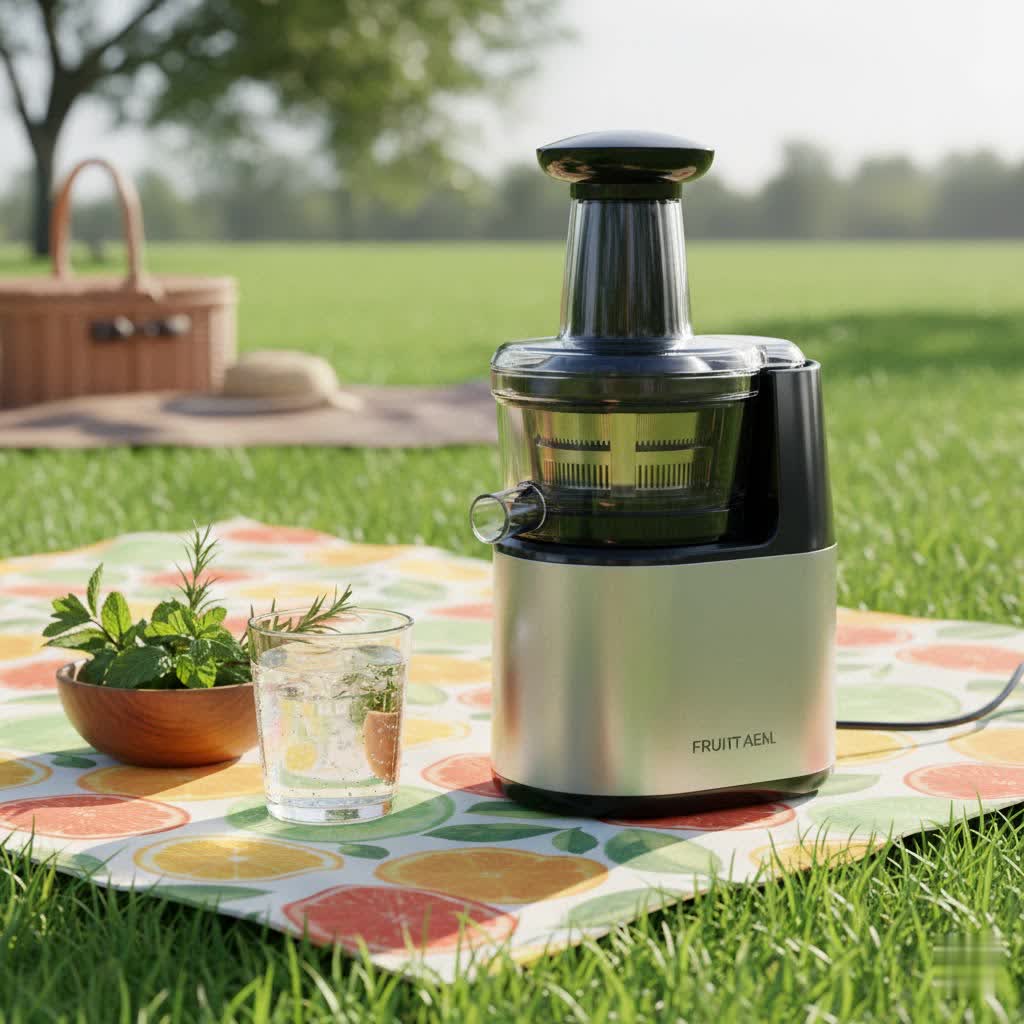
What is a Fruit Juicer and Why Do You Need One?
A fruit juicer is an appliance designed to extract liquid from fruits and vegetables, separating the fibrous pulp to create pure, concentrated juice. Beyond just taste, incorporating fresh, homemade juice into your diet offers a multitude of health benefits. These vibrant concoctions are packed with essential vitamins, minerals, and live enzymes that support improved digestion, boost the immune system, aid in detoxification, and can even contribute to increased energy levels and radiant skin. While blending keeps all the fiber, juicing allows your body to absorb a concentrated dose of nutrients quickly without the digestive effort required for whole produce.
The market primarily features three popular types of fruit juicers: centrifugal, masticating (also known as slow or cold press), and triturating (often called twin gear). Each operates on a different principle, offering distinct advantages and disadvantages tailored to various juicing preferences and budgets. Understanding these differences is key to selecting the most suitable appliance for your kitchen.
Popular Types of Fruit Juicers
The world of fruit juicers offers diverse technologies, each designed to meet specific needs and preferences. From rapid processing to maximum nutrient extraction, understanding the core differences will guide your choice.
Centrifugal Juicers
Centrifugal juicers are often the entry point for many juicing enthusiasts due to their speed and affordability. These machines work by using a fast-spinning metal blade that grates produce against a mesh filter. The centrifugal force then separates the juice from the pulp, ejecting them into different containers.
- Advantages: They are remarkably fast, processing whole or large chunks of fruit and vegetables in seconds thanks to their wide feed chutes, which minimize prep time. Centrifugal juicers are also generally more budget-friendly than other types.
- Disadvantages: The high-speed rotation generates heat and incorporates a significant amount of air, leading to oxidation. This can degrade heat-sensitive nutrients and enzymes, and the juice tends to have a shorter shelf life with more foam. They are also typically louder and less efficient at juicing leafy greens or herbs, often yielding a wetter pulp.
- Best Suited For: Individuals new to juicing, those on a tighter budget, or anyone prioritizing speed and convenience for hard fruits like apples and carrots.
|
Our Picks for the Best Fruit Juicer in 2026
As an Amazon Associate I earn from qualifying purchases.
|
||
| Num | Product | Action |
|---|---|---|
| 1 | QCen Juicer Machine, 500W Centrifugal Juicer Extractor with Wide Mouth 3” Feed Chute for Fruit Vegetable, Easy to Clean, Stainless Steel, BPA-free (Aqua) |

|
| 2 | QCen Juicer Machine, 500W Centrifugal Juicer Extractor with Wide Mouth 3” Feed Chute for Fruit Vegetable, Easy to Clean, Stainless Steel, BPA-free (Green) |
|
| 3 | Juicer Machine, 800W Centrifugal Juicer Extractor with Wide Mouth 3” Feed Chute for Fruit Vegetable, Easy to Clean, Stainless Steel, BPA-free (Metallic Red) |
|
| 4 | Juicer Machine, 800W Centrifugal Juicer Extractor with Wide Mouth 3” Feed Chute for Fruit Vegetable, Easy to Clean, Stainless Steel, BPA-free (Green) |
|
| 5 | Juicer Machine, 800W Centrifugal Juicer Extractor with Wide Mouth 3” Feed Chute for Fruit Vegetable, Easy to Clean, Stainless Steel, BPA-free (Gold) |
|
| 6 | Qcen Juicer Machine, 500W Centrifugal Juicer Extractor with Wide Mouth 3” Feed Chute for Fruit Vegetable, Easy to Clean, Stainless Steel, BPA-free (Black) |
|
| 7 | Qcen Juicer Machine, 800W Centrifugal Juicer Extractor with Wide Mouth 3” Feed Chute for Fruit Vegetable, Easy to Clean, Stainless Steel, BPA-free (Black) |
|
| 8 | Juicer Machine, 800W Centrifugal Juicer Extractor with Wide Mouth 3” Feed Chute for Fruit Vegetable, Easy to Clean, Stainless Steel, BPA-free (Metallic Black) |
|
| 9 | Juicer Machine, 800W Centrifugal Juicer Extractor with Wide Mouth 3” Feed Chute for Fruit Vegetable, Easy to Clean, Stainless Steel, BPA-free (Aqua) |
|
| 10 | QCen Juicer Machine, 500W Centrifugal Juicer Extractor with Wide Mouth 3” Feed Chute for Fruit Vegetable, Easy to Clean, Stainless Steel, BPA-free (Gold) |
|
Masticating Juicers (Slow Juicers/Cold Press Juicers)
Masticating juicers, often referred to as slow juicers or cold press juicers, operate at much lower speeds. They use a single auger (screw-like mechanism) to crush and press produce against a screen, squeezing out the juice. This gentle, slow process minimizes heat and oxidation.
- Advantages: They produce a higher yield of juice with drier pulp, maximizing nutrient extraction and preserving more vitamins, minerals, and enzymes due to reduced heat and air exposure. The juice also has a longer shelf life and less foam. Masticating juicers are excellent for a wider variety of produce, including leafy greens, wheatgrass, and soft fruits. They operate much quieter than centrifugal models.
- Disadvantages: Their primary drawbacks are slower juicing times and a higher price point. The feed chute is often narrower, requiring more chopping and prep work for fruits and vegetables.
- Best Suited For: Health enthusiasts, those serious about nutrient retention and juice quality, individuals who frequently juice leafy greens, or anyone looking for a quieter operation. Many models also offer versatility for making nut milks, sorbets, and baby food.
Triturating Juicers (Twin Gear Juicers)
Triturating juicers, also known as twin gear juicers, represent the pinnacle of juicing technology. They feature two interlocking gears that grind and press produce with incredible efficiency, mimicking the action of chewing. This method extracts the absolute maximum amount of juice and nutrients.
- Advantages: They offer the highest juice yield and the best preservation of nutrients and enzymes, producing juice with minimal oxidation and the longest shelf life (up to 72 hours when stored correctly). Triturating juicers are exceptionally versatile, capable of handling almost any produce, including dense leafy greens, sprouts, and even harder items. Many can also be used for making pasta, nut butters, and frozen desserts.
- Disadvantages: These machines are significantly more expensive and often larger and heavier, requiring more counter space. They are also the slowest type of juicer, and their multiple parts can make cleaning more involved.
- Best Suited For: Dedicated juicers, raw foodists, individuals seeking the absolute highest quality and yield, or those wanting a multi-functional appliance for various culinary tasks beyond just juicing.
Detailed Comparison Table of Fruit Juicer Types
To help you visualize the differences, here’s a comparative overview of the main fruit juicer types:
| Feature | Centrifugal Juicers | Masticating Juicers | Triturating Juicers |
|---|---|---|---|
| Juicing Speed | Very Fast | Slow | Very Slow |
| Juice Quality/Nutrients | Moderate (some oxidation) | High (minimal oxidation) | Highest (best retention) |
| Produce Suitability | Hard fruits, some soft | All produce, incl. greens | All produce, incl. greens |
| Juice Yield | Moderate | High | Highest |
| Price Range | $50 – $200 | $150 – $500+ | $400 – $1000+ |
| Noise Level | High | Low | Low |
| Ease of Cleaning | Moderate | Moderate to Easy | Moderate to Difficult |
| Prep Time | Low | Moderate to High | High |
| Juice Shelf Life | Short (12-24 hours) | Longer (24-48 hours) | Longest (48-72 hours) |
Top-Rated Fruit Juicers on the Market Today
Based on performance, user reviews, and value, several models consistently stand out across different categories, reflecting the diverse needs of juicing enthusiasts.
- Best Overall Masticating Juicer: Models in this category are often praised for their exceptional juice yield, quiet operation, and ability to handle everything from robust root vegetables to delicate leafy greens. They feature durable construction and easy-to-assemble parts, making daily juicing a joy. Users frequently highlight the superior taste and longevity of the juice produced.
- Best Value Centrifugal Juicer: For those new to juicing or seeking a quick, no-fuss option, an effective budget-friendly centrifugal juicer is ideal. These models typically boast powerful motors and wide feed chutes, allowing for minimal produce preparation and rapid juice extraction. While they may produce more foam, their ease of use and affordability make them a popular choice for quick morning drinks.
- Best Premium Cold Press Juicer: High-end masticating or triturating models deliver unparalleled juice quality and versatility. These machines are an investment, offering robust build quality, advanced slow-press technology for maximum nutrient preservation, and often additional functions like making nut butters or sorbets. They are designed for serious juicers who prioritize the purest, most nutrient-dense juice possible.
- Best Compact/Citrus Juicer: For small kitchens or those primarily interested in citrus juices, compact and specialized models are excellent. These include efficient electric citrus presses that quickly extract juice from oranges, lemons, and limes with minimal effort, or small-footprint slow juicers designed for personal servings without sacrificing quality. They offer convenience and space-saving solutions for specific juicing needs.
How to Choose the Right Fruit Juicer for You
Selecting the perfect fruit juicer goes beyond just comparing features; it’s about matching the machine to your personal juicing habits and health objectives. Considering a few key questions will help you narrow down the vast array of options.
Assess Your Juicing Needs
- What produce do you plan to juice? If your diet is rich in hard fruits and vegetables like apples, carrots, and celery, a centrifugal juicer might suffice for speed. However, if leafy greens, wheatgrass, or soft berries are your staples, a masticating or triturating juicer will be far more efficient and effective, yielding more juice and preserving sensitive nutrients.
- How often will you be juicing? Daily juicers might prioritize ease of cleaning and quick operation. Occasional users might lean towards more affordable or compact models. If you plan to do large batches for the family or for meal prep, consider models with larger pulp containers and continuous juicing capabilities.
- What quantity of juice do you need? Single-serve juicers are great for individuals, while larger models with bigger juice pitchers are better for families or batch juicing.
Budget Considerations
Your budget will significantly influence your choices. While entry-level centrifugal juicers are typically the most affordable, investing in a mid-range masticating juicer can offer a better balance of price and performance for nutrient retention and versatility. High-end triturating or premium masticating juicers, while a substantial investment, provide the best quality and longest lifespan for dedicated juicers.
Other Factors
- Noise Level: Centrifugal juicers are notoriously loud, which might be a concern for early morning juicers. Masticating and triturating models are much quieter.
- Ease of Cleaning: Juicers can be tedious to clean. Look for models with fewer parts, dishwasher-safe components, and included cleaning brushes.
- Footprint and Size: Consider your available counter and storage space. Vertical masticating juicers are often more compact than horizontal ones.
- Warranty: A good warranty indicates the manufacturer’s confidence in their product’s durability. Longer warranties are particularly beneficial for higher-priced models.
Tips for Using and Maintaining Your Fruit Juicer
To ensure your fruit juicer performs optimally and lasts for years, proper usage and diligent maintenance are essential. These simple tips can significantly enhance your juicing experience and the longevity of your machine.
Proper Usage
- Prepare Your Produce: Wash all fruits and vegetables thoroughly. Cut produce into appropriate sizes for your juicer’s feed chute. Hard items like carrots or apples should be cut into pieces that fit comfortably without forcing. For leafy greens, rolling them into a tight ball can improve extraction in masticating juicers.
- Alternate Ingredients: When juicing a mix of hard and soft produce, alternate between them. This helps push softer items through the auger more effectively and prevents clogging.
- Don’t Overfill: Feed produce at a steady pace, allowing the juicer to process each piece fully before adding more. Overfilling can strain the motor and reduce efficiency.
- Use Fresh, Firm Produce: The fresher and firmer your fruits and vegetables, the more juice you’ll extract. Limp or overripe produce yields less juice and often a wetter pulp.
Cleaning
- Clean Immediately: The golden rule of juicer maintenance is to clean it right after use. Dried pulp is much harder to remove and can stain parts.
- Disassemble Carefully: Most juicers have several removable parts. Familiarize yourself with the assembly and disassembly process.
- Rinse and Scrub: Rinse all removable parts under running water. Use the provided cleaning brush, especially for the mesh screen, as pulp can easily get lodged in the tiny holes. A toothbrush can be helpful for small crevices.
- Dishwasher-Safe Parts: If your juicer has dishwasher-safe parts, utilize this feature for convenience. Always check the manufacturer’s instructions.
Storage
- Dry Completely: Ensure all parts are completely dry before reassembling or storing your juicer to prevent mold or mildew growth.
- Proper Assembly: Store your juicer assembled in a cool, dry place to protect its components and make it ready for the next use. If space is an issue, store components neatly in a designated cupboard.
Common Fruit Juicer Problems and Troubleshooting
Even with the best fruit juicers, occasional issues can arise. Understanding common problems and their simple solutions can save you frustration and keep your juicing routine uninterrupted.
- Machine Not Starting: First, ensure the power cord is securely plugged into a working outlet. Many modern juicers have safety features that prevent operation if all parts are not correctly assembled and locked into place. Double-check that the lid and pulp container are correctly seated according to your manual.
- Juicer Jamming or Stopping Mid-Cycle: This often occurs when the machine is overloaded or when produce is not cut small enough, especially with masticating juicers. Turn off and unplug the juicer, then carefully disassemble it to remove any lodged produce. Cut fruits and vegetables into smaller pieces and feed them gradually. Alternating between hard and soft ingredients can also help prevent jams.
- Excess Pulp in Juice: If your juice contains more pulp than desired, check that the mesh screen is clean and free of blockages. For centrifugal juicers, ensuring the blade is sharp and the filter is correctly placed can help. For slow juicers, sometimes very soft or overripe produce can lead to more pulp.
- Low Juice Yield: If you’re getting less juice than expected, first ensure you’re using fresh, firm produce. Limp produce yields less. For centrifugal juicers, worn blades can be a culprit, requiring replacement. For masticating juicers, a very wet pulp often indicates a blockage or that the auger isn’t pressing efficiently; clean the screen thoroughly.
Where to Buy a Reliable Fruit Juicer
When you’re ready to invest in a fruit juicer, purchasing from a reputable source is crucial to ensure product authenticity, customer support, and warranty coverage.
You can find fruit juicers at major electronics retailers and department stores, both in-store and online. These often carry a wide range of brands and models, from entry-level to high-end. Specialty kitchen appliance stores might offer a more curated selection and knowledgeable staff who can provide personalized recommendations. For online shoppers, large e-commerce platforms provide convenience and competitive pricing. However, always exercise caution by checking seller reviews, product authenticity, and return policies. It’s also wise to research the manufacturer’s warranty and registration process to protect your investment.
> “Choosing the right fruit juicer is more than just a purchase; it’s an investment in your daily wellness journey. Consider it a partner in achieving your health targets.” – Dr. Elena Petrova, Nutritional Scientist.
Conclusion
Embarking on a juicing journey can be a transformative step towards enhanced health and vitality, and a fruit juicer is the cornerstone of this endeavor. We’ve explored the distinct advantages of centrifugal, masticating, and triturating juicers, highlighting how each type caters to varying needs, budgets, and produce preferences. From the quick convenience of a centrifugal model to the nutrient-maximizing power of a cold press, understanding these differences is crucial. The key to making an informed decision lies in carefully assessing your personal juicing frequency, the types of produce you’ll be using, your budget, and factors like noise and ease of cleaning.
By selecting the right fruit juicer, you’re not just buying an appliance; you’re investing in a tool that will empower you to consistently create fresh, nutrient-rich beverages right in your own kitchen. This guide aims to equip you with the knowledge to navigate the options and confidently choose a machine that will serve your health goals for years to come.
Which fruit juicer will you choose to embark on your invigorating juicing journey and hit your health targets?
Frequently Asked Questions
Are cold press juicers really better than centrifugal juicers?
Generally, yes. Cold press (masticating) juicers operate at lower speeds, generating less heat and oxidation. This helps preserve more vitamins, enzymes, and nutrients in the juice, leading to a higher quality beverage with a longer shelf life compared to centrifugal juicers, which are faster but produce more foam and heat.
How long does fresh juice last?
The shelf life of fresh juice varies significantly by juicer type and storage. Juice from centrifugal juicers typically lasts 12-24 hours. Juice from masticating (cold press) juicers can last 24-48 hours, while triturating juicers can yield juice that stays fresh for up to 72 hours, provided it’s stored in an airtight container in the refrigerator.
Can I juice all types of fruits and vegetables?
Most electric juicers can handle a wide range of produce. However, centrifugal juicers struggle with leafy greens and wheatgrass. Masticating and triturating juicers are highly versatile and excel at juicing all kinds of fruits, vegetables, and leafy greens, even extracting juice from tough fibers.
Is it worth buying an expensive fruit juicer?
The value of an expensive fruit juicer depends on your juicing frequency and health goals. If you juice daily, prioritize nutrient retention, and frequently process leafy greens, a higher-priced masticating or triturating juicer can be a worthwhile investment due to better yield, higher juice quality, and durability. For occasional users, a budget-friendly option might suffice.
How often should I clean my fruit juicer?
You should clean your fruit juicer immediately after every use. This prevents pulp from drying and hardening, making cleaning much easier and faster. Regular, thorough cleaning also maintains hygiene, prevents mold growth, and ensures optimal performance and longevity of your appliance.
