Stepping into the world of fresh juices can be a transformative journey for your health. With the abundance of fruits and vegetables available, a quality juicer can be your gateway to unlocking a wealth of nutrients and vibrant flavors. But with so many options on the market, choosing the right fruit and vegetable juicer can feel overwhelming. This comprehensive guide will simplify your decision, exploring everything from the different types of juicers to their health benefits, maintenance, and top recommendations, empowering you to make a choice that supports your wellness goals.
What is a Fruit and Vegetable Juicer? Why Do You Need One?
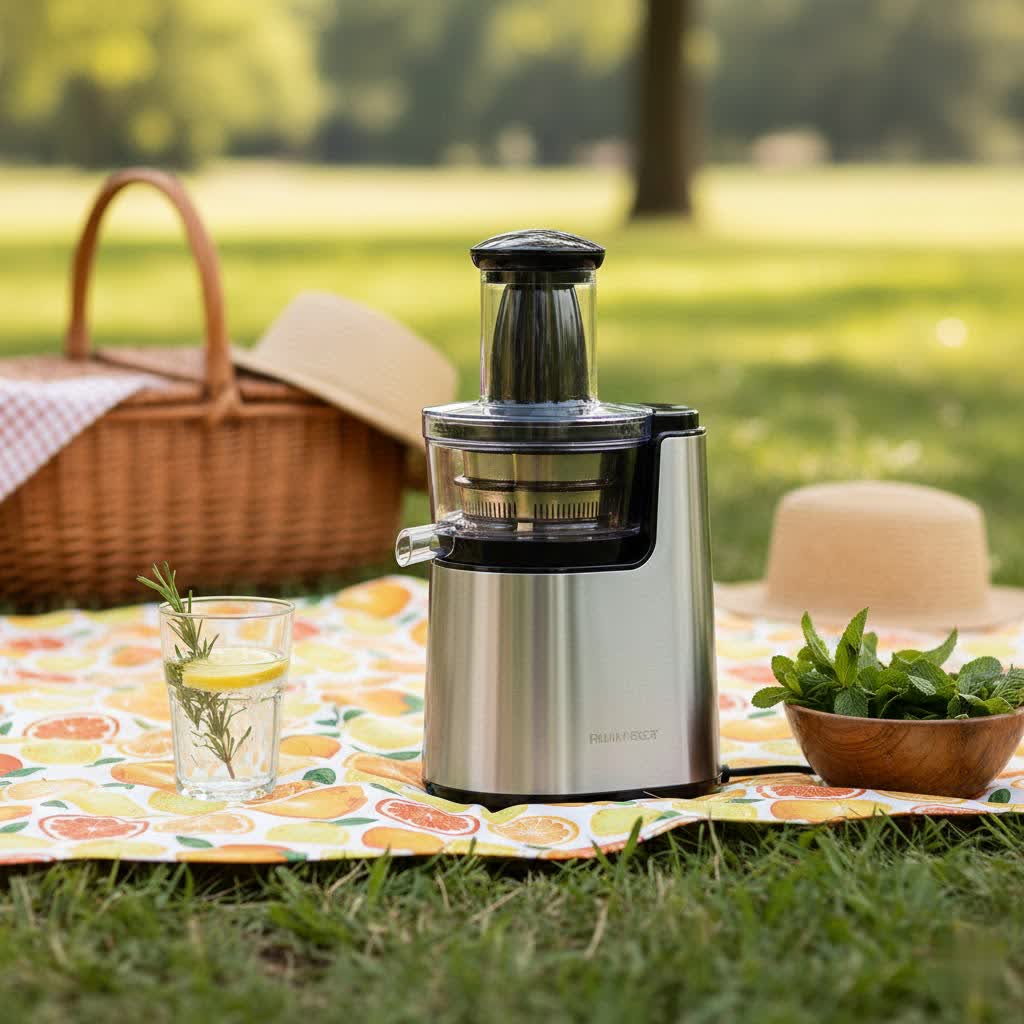
A fruit and vegetable juicer is a kitchen appliance designed to extract liquid from fresh produce, separating the juice from the pulp. Unlike blenders, which create smoothies that retain all the fiber, juicers deliver a smoother, thinner beverage. This process allows your body to absorb a concentrated dose of vitamins, minerals, antioxidants, and plant compounds quickly and efficiently.
Incorporating fresh, homemade fruit and vegetable juice into your diet offers numerous health advantages. Juices are an excellent way to increase your daily intake of essential nutrients like Vitamin C, Vitamin A, potassium, and folate, especially if you struggle to consume enough whole produce. They can also contribute to better hydration, support your immune system, and help reduce inflammation due to their rich antioxidant content. Some studies even suggest that certain vegetable juices can help lower blood pressure and cholesterol. While juicing offers a convenient nutrient boost, it’s important to note that it removes much of the dietary fiber, which is vital for digestion and blood sugar regulation. Therefore, moderation and a focus on vegetable-heavy juices are often recommended to keep sugar intake in check.
Popular Types of Fruit and Vegetable Juicers
Understanding the different types of juicers is key to finding the one that best suits your needs and lifestyle. Each type operates with a distinct mechanism, influencing juice quality, speed, and the kinds of produce it handles best.
Centrifugal Juicers
Centrifugal juicers are often the most common and budget-friendly option, making them a popular choice for beginners.
- How they work: These “fast juicers” use a high-speed spinning blade to shred produce, then centrifugal force separates the juice from the pulp through a mesh strainer.
- Advantages: They are known for their speed, quickly producing juice, and are generally more affordable than other types. Their wide feed chutes often mean less pre-chopping of fruits and vegetables.
- Disadvantages: The high-speed operation generates heat and incorporates more air, which can lead to oxidation, reducing nutrient content, increasing foam, and shortening the juice’s shelf life. They are also less efficient at juicing leafy greens and tend to produce wetter pulp, indicating less juice extraction.
- Best for: Individuals new to juicing, those on a budget, and people who prioritize speed for hard fruits and vegetables like apples and carrots.
|
Our Picks for the Best Fruit Juicer in 2026
As an Amazon Associate I earn from qualifying purchases.
|
||
| Num | Product | Action |
|---|---|---|
| 1 | Qcen Juicer Machine, 500W Centrifugal Juicer Extractor with Wide Mouth 3” Feed Chute for Fruit Vegetable, Easy to Clean, Stainless Steel, BPA-free (Black) |

|
| 2 | Juicer Machine, 800W Centrifugal Juicer Extractor with Wide Mouth 3” Feed Chute for Fruit Vegetable, Easy to Clean, Stainless Steel, BPA-free (Metallic Red) |
|
| 3 | QCen Juicer Machine, 500W Centrifugal Juicer Extractor with Wide Mouth 3” Feed Chute for Fruit Vegetable, Easy to Clean, Stainless Steel, BPA-free (Green) |
|
| 4 | Juicer Machine, 800W Centrifugal Juicer Extractor with Wide Mouth 3” Feed Chute for Fruit Vegetable, Easy to Clean, Stainless Steel, BPA-free (Green) |
|
| 5 | QCen Juicer Machine, 500W Centrifugal Juicer Extractor with Wide Mouth 3” Feed Chute for Fruit Vegetable, Easy to Clean, Stainless Steel, BPA-free (Aqua) |
|
| 6 | Juicer Machine, 800W Centrifugal Juicer Extractor with Wide Mouth 3” Feed Chute for Fruit Vegetable, Easy to Clean, Stainless Steel, BPA-free (Metallic Black) |
|
| 7 | Juicer Machine, 800W Centrifugal Juicer Extractor with Wide Mouth 3” Feed Chute for Fruit Vegetable, Easy to Clean, Stainless Steel, BPA-free (Gold) |
|
| 8 | Juicer Machine, 800W Centrifugal Juicer Extractor with Wide Mouth 3” Feed Chute for Fruit Vegetable, Easy to Clean, Stainless Steel, BPA-free (Aqua) |
|
| 9 | QCen Juicer Machine, 500W Centrifugal Juicer Extractor with Wide Mouth 3” Feed Chute for Fruit Vegetable, Easy to Clean, Stainless Steel, BPA-free (Gold) |
|
| 10 | Qcen Juicer Machine, 800W Centrifugal Juicer Extractor with Wide Mouth 3” Feed Chute for Fruit Vegetable, Easy to Clean, Stainless Steel, BPA-free (Black) |
|
Masticating Juicers (Slow/Cold Press Juicers)
Masticating juicers, also known as slow juicers or cold press juicers, prioritize juice quality and nutrient preservation.
- How they work: These machines use a single auger (screw-like gear) that slowly crushes and presses produce against a screen, thoroughly extracting juice with minimal heat and oxidation.
- Advantages: Masticating juicers produce high-quality, nutrient-rich juice with less foam, preserving more vitamins, enzymes, and antioxidants. The juice typically has a longer shelf life (up to 48-72 hours when refrigerated). They are also highly efficient for leafy greens, wheatgrass, and a wide variety of fruits and vegetables, producing very dry pulp. They operate much quieter than centrifugal models.
- Disadvantages: Their primary drawbacks are slower operation and a higher price point. Smaller feed chutes often require more pre-chopping of ingredients.
- Best for: Health-conscious individuals, those who prioritize nutrient retention, green juice enthusiasts, and those willing to invest more time and money for superior juice quality.
Triturating Juicers (Twin Gear Juicers)
Triturating juicers, or twin gear juicers, are considered the gold standard for juice quality and yield, though they come with a premium price and more involved use.
- How they work: These advanced machines feature two interlocking gears that grind and press produce extremely finely, extracting the maximum amount of juice from nearly any ingredient.
- Advantages: They offer the highest juice yield and best nutrient preservation, making them exceptional for leafy greens, wheatgrass, and extracting juice from fibrous vegetables. Many models also offer versatility for making nut butters, sorbets, and baby food.
- Disadvantages: Triturating juicers are significantly more expensive and generally larger and heavier than other types. They are also slower to operate and can be more challenging to clean due to their intricate design.
- Best for: Serious juicing enthusiasts, those on specific health regimens, and individuals seeking maximum juice yield and versatility.
Comparison Table of Juicer Types
| Feature | Centrifugal Juicers | Masticating Juicers (Slow/Cold Press) | Triturating Juicers (Twin Gear) |
|---|---|---|---|
| Speed | Fast | Slow to Medium | Slow |
| Juice Quality | Good, more foam, some oxidation, shorter shelf life | Excellent, minimal foam/oxidation, preserves nutrients, longer shelf life | Superior, highest nutrient preservation, longest shelf life |
| Produce Suitability | Hard fruits & vegetables (apples, carrots) | All produce, excellent for leafy greens, soft fruits, wheatgrass | All produce, exceptional for leafy greens, wheatgrass, fibrous vegetables |
| Price Range | Budget-friendly ($50-$200) | Mid to High ($150-$600) | High to Premium ($500-$1200+) |
| Noise Level | Loud | Quiet | Quiet |
| Ease of Cleaning | Generally easy, but mesh screen can be tricky | Easy to moderate, often fewer parts to clean | Moderate to difficult, more intricate parts |
| Pulp Dryness | Wet | Very Dry | Extremely Dry |
Top Recommended Fruit and Vegetable Juicers Today
Based on recent testing and user reviews, several models consistently stand out for their performance, durability, and user experience across different categories.
- Ninja NeverClog Cold Press Juicer: A strong contender for overall value, this masticating juicer delivers excellent performance, especially with leafy greens, at a more accessible price point. It’s also praised for its ease of cleaning.
- Nama J2/J3 Cold Press Juicer: Often cited as a top premium cold press option, Nama juicers are known for their efficiency in extracting high yields of pulp-free juice from a wide range of produce, making clean-up relatively simple despite not being dishwasher safe.
- Breville Juice Fountain Cold Plus: This centrifugal juicer is a top pick for speed and handling hard produce with ease. It features a wide feed chute, reducing prep time, and many parts are dishwasher safe, making it convenient for quick, large batches.
- Kuvings REVO830 Whole Slow Juicer: A popular choice in the premium slow juicer category, the Kuvings REVO830 excels at producing delicious, pulp-free juice from various ingredients, including tough vegetables and fibrous items. It offers a large feed chute for a masticating model, which reduces prep work.
Guide to Choosing the Right Fruit and Vegetable Juicer
Selecting the perfect fruit and vegetable juicer involves more than just picking a popular model. Consider these factors to align your choice with your personal juicing habits and preferences.
Determine Your Usage Needs
- What produce will you juice most? If leafy greens and wheatgrass are your priority, a masticating or triturating juicer will offer superior results. For hard fruits and vegetables, a centrifugal juicer can be fast and effective. If you plan to juice a variety, a versatile slow juicer is often the best all-rounder.
- How much juice will you make? If you plan on daily juicing for multiple people or batch juicing, consider models with larger pulp containers and higher yields. For occasional use or single servings, a compact model might suffice.
- How often will you juice? Daily juicers benefit from easy-to-clean models, while occasional users might tolerate a slightly more involved cleaning process.
Set Your Budget
Juicers range significantly in price. While budget centrifugal models are attractive for their low cost, investing in a higher-quality masticating or triturating juicer can be worthwhile for better juice quality, higher yield, and longer durability. Think of your juicer as an investment in your long-term health.
Consider Other Key Factors
- Noise Level: If you plan to juice early in the morning or late at night, a quiet masticating juicer will be preferable over a loud centrifugal model.
- Ease of Cleaning: This is a crucial factor for consistent use. Look for models with fewer parts, dishwasher-safe components, or innovative easy-clean designs. Pulp tends to dry quickly, making immediate cleaning essential.
- Size and Storage: Horizontal juicers can be large and require dedicated counter space, while vertical masticating and compact centrifugal models have smaller footprints.
- Feed Chute Size: Wider chutes minimize pre-chopping, which can be a significant time-saver, particularly for hard produce.
- Durability and Warranty: A longer warranty often indicates a manufacturer’s confidence in their product’s lifespan. Check reviews for motor robustness and overall build quality.
Tips for Using and Maintaining Your Fruit and Vegetable Juicer
Proper use and diligent maintenance are crucial for ensuring your fruit and vegetable juicer operates efficiently, produces high-quality juice, and has a long lifespan.
Optimal Usage Techniques
- Prepare your produce: Wash all fruits and vegetables thoroughly. Remove pits, large seeds, and tough skins from items like citrus or pineapple. Chop produce into sizes appropriate for your juicer’s feed chute; this is especially important for masticating juicers.
- Feed gradually: Avoid overloading the juicer, as this can strain the motor and reduce efficiency. Feed produce slowly and steadily, allowing the machine to process each piece.
- Alternate ingredients: When juicing a mix of hard and soft produce, alternate between them. This helps prevent clogging and maximizes juice extraction. For example, follow leafy greens with a harder fruit like an apple.
- Use appropriate speed: Some juicers offer multiple speed settings. Use slower speeds for soft fruits and leafy greens, and higher speeds for harder vegetables.
Essential Cleaning and Care
- Clean immediately: The most important rule for juicer maintenance is to clean it as soon as you finish juicing. Dried pulp and juice residue are much harder to remove.
- Disassemble all parts: Unplug the juicer and carefully take apart all removable components: pulp container, juice pitcher, auger/blade, strainer, and chute.
- Rinse thoroughly: Rinse each part under warm running water to remove loose pulp and juice residue.
- Scrub the mesh filter: The mesh screen is where pulp tends to accumulate most. Use the cleaning brush (often included with the juicer) or a soft toothbrush to scrub the tiny holes. Hold it up to a light to ensure all holes are clear.
- Wash with soapy water: Wash all removable parts with warm, soapy water using a mild detergent and a non-abrasive sponge or cloth.
- Soak stubborn stains: For persistent stains or buildup, especially on plastic parts, soak them in a solution of warm water with a splash of white vinegar or lemon juice for 10-15 minutes, or even overnight. Avoid soaking metal parts for extended periods to prevent rust.
- Dry completely: Allow all parts to air dry thoroughly or use a clean towel before reassembling. This prevents mold and mildew growth.
- Wipe the motor base: Use a damp cloth to wipe down the exterior of the motor base, removing any splashes. Never submerge the motor base in water.
- Consult your manual: Always refer to your juicer’s manual for specific cleaning instructions and to confirm which parts are dishwasher-safe.
Storage Best Practices
- Store in a clean, dry place: Ensure your juicer is completely dry before storing it to prevent bacterial growth.
- Cover if possible: Use a clean cloth or cover to protect the juicer from dust and debris, especially if it’s stored in a cabinet.
- Consider disassembling: If storing for an extended period, disassembling the juicer and storing parts separately can be beneficial.
Common Fruit and Vegetable Juicer Problems and Solutions
Even with proper care, you might encounter some common issues with your fruit and vegetable juicer. Here’s how to troubleshoot them:
- Machine Not Turning On:
- Solution: Check if the juicer is properly assembled. Most juicers have safety mechanisms that prevent operation if parts are not correctly locked into place. Ensure it’s plugged into a working outlet.
- Juicer Clogs or Stalls:
- Solution: This often happens when feeding produce too quickly or overloading the machine, especially with fibrous ingredients like celery or kale. Cut produce into smaller pieces. Feed items slowly. For masticating juicers, alternate between hard and soft ingredients to help push pulp through. Some juicers have a reverse function to clear clogs.
- Juice is Too Pulpy or Foamy:
- Solution: Pulpy juice can be a characteristic of certain centrifugal juicers, which are less efficient at separating solids. If you desire less pulp, a masticating or triturating juicer will yield clearer juice. Ensure the mesh filter is clean and free of blockages. For foam, centrifugal juicers naturally produce more; some models include a froth separator in the juice pitcher.
- Low Juice Yield/Wet Pulp:
- Solution: This typically indicates inefficient extraction. Ensure you are using the correct juicer type for your produce (e.g., masticating for leafy greens). Feed produce slowly. A dirty or clogged filter can also reduce yield, so ensure it’s thoroughly clean.
Where to Buy a Reputable Fruit and Vegetable Juicer?
When you’re ready to invest in a fruit and vegetable juicer, it’s essential to purchase from reputable sources to ensure you get a genuine product with reliable warranty support.
- Major Appliance Retailers: Large electronics and home appliance stores, both physical and online, like Amazon, Best Buy, and other well-known retailers, carry a wide selection of brands and models. They often offer competitive pricing and extended warranty options.
- Brand Websites: Purchasing directly from the manufacturer’s website (e.g., Nama, Kuvings, Breville) can provide direct access to customer support, sometimes exclusive deals, and guaranteed authenticity.
- Specialty Health Stores: Some health-focused kitchenware stores might offer a curated selection of high-end juicers, often with knowledgeable staff to guide your purchase.
When buying online, always read recent customer reviews and check the seller’s return policy. Verify the warranty information and ensure the model you choose is suitable for your specific needs, as online product descriptions can sometimes be generic.
Conclusion
Embracing the habit of juicing fruits and vegetables can significantly enhance your daily nutrient intake, boost your energy, and contribute to overall wellness. Whether you’re a beginner seeking a quick, convenient method or a dedicated health enthusiast aiming for maximum nutrient preservation, there’s a fruit and vegetable juicer designed for you. Understanding the differences between centrifugal, masticating, and triturating juicers, along with considering your budget, lifestyle, and maintenance preferences, will guide you to your ideal machine.
By investing in the right juicer and adhering to simple usage and cleaning routines, you’ll be well on your way to enjoying delicious, fresh, and health-boosting concoctions for years to come. What fresh juice creation will you whip up first?
Frequently Asked Questions
What’s the main difference between a cold press and a centrifugal juicer?
The main difference lies in their operation: cold press (masticating) juicers slowly crush and press produce to extract juice with minimal heat and oxidation, preserving more nutrients and yielding a longer-lasting juice. Centrifugal juicers use high-speed blades to shred produce, generating heat and foam, which can degrade nutrients and shorten juice shelf life.
Can I juice leafy greens and wheatgrass effectively with any juicer?
No, masticating (slow) and triturating (twin gear) juicers are far more effective at juicing leafy greens and wheatgrass. Their slow, pressing action extracts more juice from fibrous ingredients, whereas centrifugal juicers often struggle with greens, yielding less juice and wetter pulp.
How often should I clean my fruit and vegetable juicer?
You should clean your fruit and vegetable juicer immediately after every use. This prevents pulp and juice residue from drying and hardening, which makes cleaning much more difficult and can lead to bacterial growth. Regular cleaning extends the juicer’s lifespan and maintains hygiene.
Is juicing better than blending for nutrient intake?
Juicing provides a concentrated dose of vitamins, minerals, and antioxidants that are quickly absorbed by the body because the fiber is removed. Blending, on the other hand, retains all the fiber, which is beneficial for digestion and satiety. Neither is definitively “better”; they offer different nutritional benefits, and both can be part of a healthy diet.
How long does fresh homemade fruit and vegetable juice last?
Fresh juice from a centrifugal juicer typically lasts for about 24 hours in the refrigerator due to higher oxidation. Juice made with a cold press (masticating) or triturating juicer can last longer, usually up to 48-72 hours, when stored in an airtight container in the refrigerator, thanks to less oxidation during extraction.
