In an era where health and well-being take center stage, incorporating fresh fruit and vegetable juices into your daily routine is a powerful step towards a more vibrant life. A fruit juicer is more than just a kitchen appliance; it’s a gateway to easily boosting your nutrient intake, supporting your immune system, and enhancing overall vitality. With countless options available, choosing the right juicer can feel overwhelming. This comprehensive guide will navigate you through the world of fruit juicers, ensuring you find the perfect machine to kickstart or elevate your juicing journey for optimal health and delicious, homemade beverages.
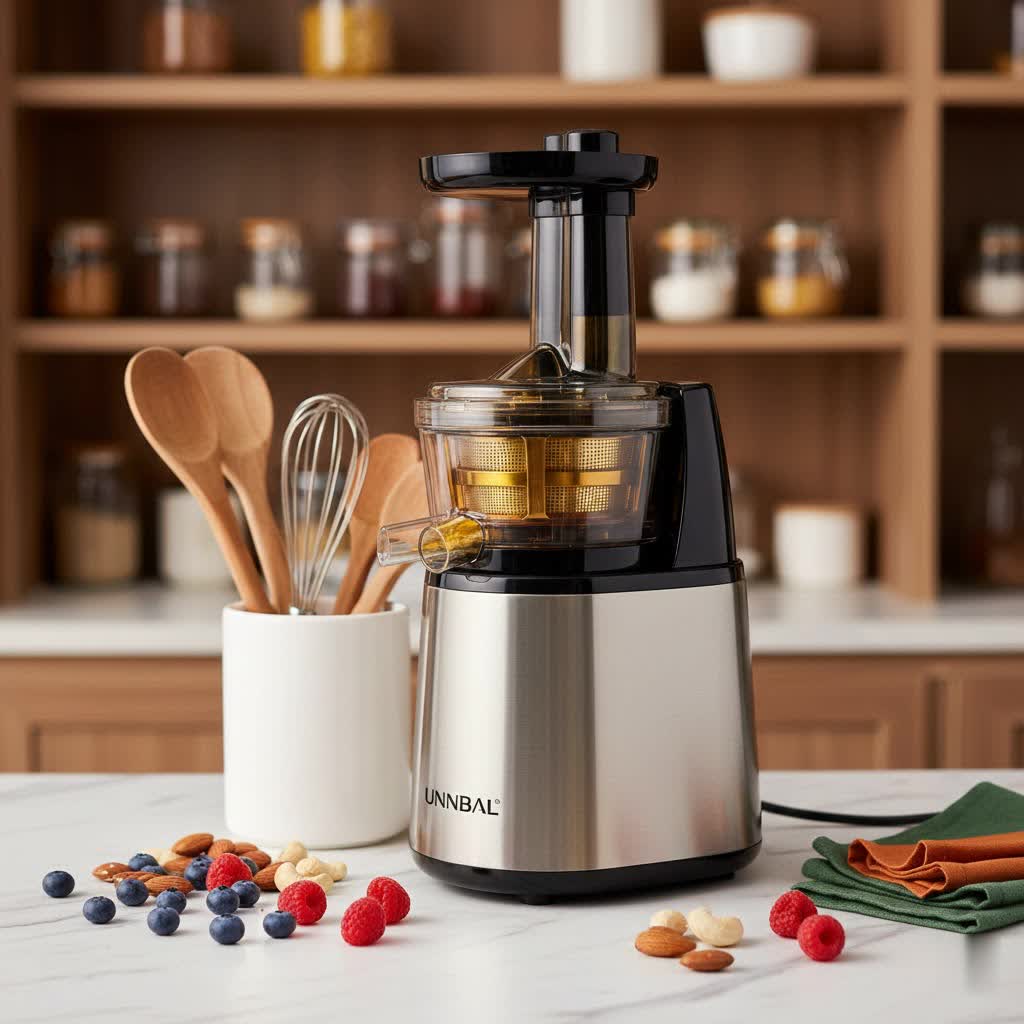
What is a Fruit Juicer? Why Do You Need One?
A fruit juicer is an electrical appliance designed to extract liquid from fruits and vegetables, separating the juice from the pulp. It provides a convenient way to consume a concentrated amount of vitamins, minerals, and enzymes that are crucial for maintaining good health. Integrating fresh juices into your diet offers numerous advantages, from supporting bodily functions to enhancing your appearance.
Drinking fresh fruit juice can significantly boost your health. Juices are rich in nutrients, including vitamins like C and A, potassium, and folate, which are readily absorbed by the body. They provide an antioxidant boost, helping to neutralize free radicals and reduce oxidative stress, which is linked to chronic illnesses. Fresh juices also support your immune system, improve hydration, aid in detoxification by encouraging the production of enzymes that remove harmful chemicals, and can assist with weight management due to their low-calorie content and natural sugars. Additionally, they contribute to improved digestive health by supporting healthy gut microbiota and promoting regular bowel movements, offer a natural energy boost, enhance mental clarity, and promote healthier, more radiant skin.
The market offers several types of fruit juicers, each with unique mechanisms and benefits, catering to different needs and preferences. Understanding these varieties is key to making an informed decision about which machine is best suited for your lifestyle.
Common Types of Fruit Juicers
Exploring the different categories of fruit juicers reveals a range of technologies designed to extract juice in various ways, influencing everything from nutrient retention to preparation time.
Centrifugal Juicers
Centrifugal juicers are often considered the entry point into the world of juicing, prized for their speed and affordability. These machines operate by using a high-speed spinning blade to shred fruits and vegetables against a fine mesh filter. The centrifugal force then separates the juice from the pulp, sending the juice out through a spout and the pulp into a separate container.
- Pros: They are notably fast at extracting juice, making them ideal for quick daily use. Many centrifugal models feature wide feed chutes, reducing the need for extensive pre-chopping of produce. They are generally more budget-friendly than other types.
- Cons: The high-speed rotation generates heat and introduces more air, which can lead to increased oxidation, creating foam on top of the juice and potentially degrading some heat-sensitive nutrients. The juice also has a shorter shelf life and often contains more pulp. They may struggle with leafy greens and wheatgrass, yielding less juice from these items. They can also be quite noisy during operation.
- Suitable for: Beginners, those on a budget, and individuals who prioritize speed and convenience for juicing harder fruits and vegetables, and plan to consume their juice immediately.
|
Our Picks for the Best Fruit Juicer in 2026
As an Amazon Associate I earn from qualifying purchases.
|
||
| Num | Product | Action |
|---|---|---|
| 1 | Juicer Machine, 800W Centrifugal Juicer Extractor with Wide Mouth 3” Feed Chute for Fruit Vegetable, Easy to Clean, Stainless Steel, BPA-free (Gold) |

|
| 2 | Qcen Juicer Machine, 500W Centrifugal Juicer Extractor with Wide Mouth 3” Feed Chute for Fruit Vegetable, Easy to Clean, Stainless Steel, BPA-free (Black) |
|
| 3 | QCen Juicer Machine, 500W Centrifugal Juicer Extractor with Wide Mouth 3” Feed Chute for Fruit Vegetable, Easy to Clean, Stainless Steel, BPA-free (Green) |
|
| 4 | Qcen Juicer Machine, 800W Centrifugal Juicer Extractor with Wide Mouth 3” Feed Chute for Fruit Vegetable, Easy to Clean, Stainless Steel, BPA-free (Black) |
|
| 5 | QCen Juicer Machine, 500W Centrifugal Juicer Extractor with Wide Mouth 3” Feed Chute for Fruit Vegetable, Easy to Clean, Stainless Steel, BPA-free (Aqua) |
|
| 6 | Juicer Machine, 800W Centrifugal Juicer Extractor with Wide Mouth 3” Feed Chute for Fruit Vegetable, Easy to Clean, Stainless Steel, BPA-free (Metallic Black) |
|
| 7 | Juicer Machine, 800W Centrifugal Juicer Extractor with Wide Mouth 3” Feed Chute for Fruit Vegetable, Easy to Clean, Stainless Steel, BPA-free (Metallic Red) |
|
| 8 | Juicer Machine, 800W Centrifugal Juicer Extractor with Wide Mouth 3” Feed Chute for Fruit Vegetable, Easy to Clean, Stainless Steel, BPA-free (Aqua) |
|
| 9 | Juicer Machine, 800W Centrifugal Juicer Extractor with Wide Mouth 3” Feed Chute for Fruit Vegetable, Easy to Clean, Stainless Steel, BPA-free (Green) |
|
| 10 | QCen Juicer Machine, 500W Centrifugal Juicer Extractor with Wide Mouth 3” Feed Chute for Fruit Vegetable, Easy to Clean, Stainless Steel, BPA-free (Gold) |
|
Masticating Juicers (Slow/Cold-Press Juicers)
Masticating juicers, often referred to as slow juicers or cold-press juicers, utilize a different approach. Instead of shredding, they use a slow-turning auger to crush and press fruits and vegetables against a screen, thoroughly squeezing out the juice. This ‘chewing’ action minimizes heat buildup and oxidation.
- Pros: They produce higher quality juice with minimal foam and oxidation, which is believed to preserve more vitamins and enzymes. The juice typically has a longer shelf life, often up to 48-72 hours when stored properly. Masticating juicers are highly efficient at juicing leafy greens, wheatgrass, and soft fruits, and they tend to be quieter than centrifugal models. Many also offer versatility, capable of making nut milks, sorbets, and baby food.
- Cons: Their slower operating speed means juicing takes more time, and they often require produce to be cut into smaller pieces due to narrower feed chutes. They are generally more expensive than centrifugal juicers. Cleaning can sometimes be more involved due to more parts and the potential for pulp to get stuck.
- Suitable for: Health-conscious individuals seeking maximum nutrient retention and yield, those who frequently juice leafy greens and soft fruits, and users who appreciate multi-functional appliances.
Triturating Juicers (Twin Gear Juicers)
Triturating juicers are a specialized type of masticating juicer, featuring two interlocking gears (twin augers) that rotate at very slow speeds. These gears grind and press produce with extreme efficiency, extracting the highest possible yield and nutrient content.
- Pros: They are considered the most efficient in terms of juice extraction and nutrient preservation, offering the highest quality juice with the longest shelf life (up to 72 hours). They excel at processing a wide range of produce, especially fibrous greens and wheatgrass. Many models are also versatile for making nut butters, sorbets, and pasta.
- Cons: Triturating juicers are the most expensive type of home juicer. They are generally slower and can be more cumbersome to clean due to their intricate design.
- Suitable for: Dedicated juicers, health enthusiasts, and individuals who demand the absolute highest juice quality and are willing to invest significantly in their juicing equipment.
Other Types: Citrus Juicers
While not comprehensive for all produce, citrus juicers are worth mentioning. These are designed specifically for extracting juice from citrus fruits like oranges, lemons, and grapefruits. They can be manual (reamers) or electric with spinning cones. They are fast, simple, and affordable for their specific task, but lack versatility for other fruit and vegetable types.
Detailed Comparison Table of Fruit Juicer Types
Understanding the differences at a glance can help narrow down your choice. Here’s a comparative overview of the main fruit juicer types:
| Feature | Centrifugal Juicers | Masticating Juicers (Slow/Cold-Press) | Triturating Juicers (Twin Gear) |
|---|---|---|---|
| Juicing Speed | Fast (6,000-14,000 RPM) | Slow (40-100 RPM) | Very Slow (e.g., 80 RPM or less) |
| Juice Quality | Lower (more foam, oxidation, separation) | Higher (less foam, oxidation, more nutrients) | Highest (minimal oxidation, maximum nutrients) |
| Nutrient Retention | Moderate (some heat/oxidation loss) | High (preserves most vitamins/enzymes) | Excellent (maximum preservation) |
| Pulp in Juice | Higher amount, wetter pulp | Lower amount, drier pulp | Very low amount, driest pulp |
| Shelf Life of Juice | Short (consume immediately) | Medium (up to 48 hours) | Longest (up to 72 hours) |
| Best for Produce | Hard fruits & vegetables | All produce, excellent for leafy greens | All produce, exceptional for leafy greens |
| Versatility | Limited (primarily juicing) | High (nut milks, sorbets, baby food) | Very High (nut butters, pasta, sorbets) |
| Noise Level | Loud | Quiet | Very Quiet |
| Price Range | $ | $$ | $$$ |
| Ease of Cleaning | Generally easier (fewer parts to scrub) | Moderate to challenging (can have intricate parts) | Challenging (intricate twin gears) |
| Prep Time | Minimal (wide chute) | More (narrow chute, more chopping) | More (narrow chute, careful feeding) |
Top Fruit Juicers on the Market Today
Based on performance, value, and user satisfaction, several models consistently stand out in their respective categories.
Best Overall Masticating Juicers
The Kuvings Hands-Free Slow Juicer Auto10 is frequently lauded for its hands-free operation and large capacity, automatically cutting and feeding ingredients. It extracts clean, fresh juice efficiently and quietly, with a 15-year warranty. Its ability to handle large batches makes it ideal for families or meal prepping. For a more compact yet powerful option, the NutriBullet Slow Juicer offers superior extraction, a low noise level, and is largely dishwasher-safe, making it perfect for daily, hassle-free juicing, even from tough greens like kale and celery. Another top performer is the Nama J3 Cold Press Juicer, praised for its hands-free, exceptionally quiet operation and high yield.
> “Masticating juicers are more efficient than centrifugal juicers, extracting more juice and nutrients from fruits and veggies. Because of this, they take a bit longer to juice, but the process results in a higher-quality juice.” – Catherine Ward, Prep Kitchen Manager at Taste of Home
Best Value Masticating Juicers
The Cuisinart Easy Clean Slow Juicer offers excellent performance at a more economical price point. It’s praised for its ease of use and cleaning thanks to a mesh-free filter. The Ninja NeverClog Cold Press Juicer provides excellent performance with two interchangeable filters for pulp control at a reasonable price, proving that quality cold-press juicing doesn’t always require a hefty investment.
Best Overall Centrifugal Juicers
The Breville Juice Fountain Cold is a top choice for centrifugal juicing, offering robust performance and efficient juice extraction from a variety of produce, including tougher greens. It features two speeds and a large juice container with minimal temperature transfer during juicing. For an even more professional-grade option, the Breville Commercial Juice Fountain XL Pro boasts an ultra-powerful motor and adjustable power levels, designed to handle large quantities of produce effortlessly. The Breville Juice Fountain Plus Juicer is also highly regarded as a well-rounded option for its balance of price, quality, and ease of use.
Best Value Centrifugal Juicers
The Hamilton Beach Big Mouth Juicer stands out as an affordable option under $100. It offers a wide-mouth opening for less prep and easy assembly, though it can be noisier and struggle with leafy greens. The NutriBullet Centrifugal Juicer Machine is another good all-rounder for convenience and ease of use, with dishwasher-safe parts for hassle-free cleaning.
Guide to Choosing a Fruit Juicer
Selecting the right fruit juicer depends heavily on your individual needs, habits, and budget. Consider these factors to ensure you make the best choice.
Determine Your Juicing Needs
First, consider what types of produce you plan to juice most often. If your diet is rich in leafy greens, wheatgrass, or soft fruits, a masticating or triturating juicer will offer superior yield and nutrient preservation. For hard fruits and vegetables like apples and carrots, centrifugal juicers are faster but might leave wetter pulp. Also, think about the quantity. Do you need single servings for daily use, or large batches for a family or meal prepping? Large-capacity juicers, especially some masticating models with self-feeding hoppers, are excellent for bigger volumes.
Set Your Budget
Juicers vary widely in price, from under $100 for basic centrifugal models to several hundred dollars for high-end masticating or triturating machines. View your juicer purchase as an investment in your long-term health. While cheaper models can be a good starting point, investing more often translates to better performance, higher juice yield, greater durability, and enhanced features.
Other Important Factors
- Noise Level: Centrifugal juicers are generally louder due to their high-speed motors, which might be a concern for early morning juicers. Masticating and triturating juicers operate much more quietly.
- Ease of Cleaning: This is a crucial factor, as a difficult-to-clean juicer can quickly discourage regular use. Look for models with fewer parts, wider openings, and dishwasher-safe components. Many come with specialized brushes for cleaning mesh filters.
- Size and Footprint: Consider your available kitchen counter space and storage. Some juicers are compact, while others are large and bulky. Vertical masticating juicers tend to have a smaller footprint compared to horizontal ones.
- Durability and Warranty: High-quality materials, especially stainless steel, indicate better durability. Check the warranty period; a longer warranty (5-15 years for motor, 2-5 for parts) is a good indicator of a manufacturer’s confidence in their product and protects your investment.
- Versatility: Beyond juicing, some masticating models can make nut milks, sorbets, or baby food, adding value to your purchase.
Tips for Using and Maintaining Your Fruit Juicer
Proper usage and consistent maintenance are vital to extend the life of your fruit juicer and ensure it continues to produce high-quality juice.
How to Use Your Juicer Correctly
- Prepare Produce: Wash fruits and vegetables thoroughly. For most juicers, remove pits, hard seeds, and thick peels (e.g., pineapple, citrus). For masticating juicers, cut produce into smaller, manageable pieces to fit the chute and prevent clogging.
- Feed Gradually: Avoid overloading the juicer. Feed produce slowly and steadily, allowing the machine to process each piece effectively. This prevents straining the motor and ensures maximum juice extraction.
- Alternate Produce: When juicing leafy greens or fibrous vegetables in a masticating juicer, alternate them with harder fruits or vegetables to help push the softer produce through and prevent tangling.
- Use the Plunger: Always use the provided food pusher to guide produce down the chute; never use your fingers or other utensils.
How to Clean Your Juicer After Each Use
Immediate cleaning after each use is the most important step to prevent pulp and juice residue from drying and hardening, which makes cleaning much more difficult and can lead to odors or mold.
- Unplug: Always unplug the juicer from the power source before disassembling or cleaning to avoid electrical hazards.
- Disassemble: Carefully remove all detachable parts, such as the juicing bowl, strainer, auger/blades, pulp container, and juice container. Consult your manufacturer’s manual for specific instructions.
- Rinse Immediately: Rinse each part under warm running water to remove loose pulp and juice residue.
- Soak & Scrub: Soak the removable parts in warm, soapy water for 10-15 minutes to loosen any stuck-on residue. Use a soft brush (often provided with the juicer) to scrub thoroughly, paying special attention to the mesh strainer to clear tiny holes. Avoid abrasive materials that can scratch or damage parts.
- Rinse & Dry: Rinse all parts thoroughly to remove soap residue. Allow them to air dry completely or use a clean towel before reassembling. Trapped moisture can lead to mold or unpleasant smells.
- Clean Main Unit: Wipe down the exterior of the motor base with a damp cloth, avoiding abrasive cleaners. Never immerse the motor base in water.
Long-Term Maintenance Tips
- Deep Clean Regularly: Periodically, check your manufacturer’s guidelines for deep cleaning. For hard water areas, consider using a descaling solution or a mild vinegar/lemon juice solution to clean internal parts every 2-3 weeks to prevent mineral buildup.
- Inspect for Wear and Tear: Regularly check parts for cracks, chips, or dull blades. Replace worn blades or filters as needed, as dull blades reduce efficiency and strain the motor.
- Lubricate Moving Parts: If recommended by the manufacturer, use food-safe lubricants on moving parts to ensure smooth operation.
- Tighten Components: Vibrations can loosen screws and bolts over time. Periodically check and tighten any loose components.
- Store Properly: Store your juicer in a dry area. Only reassemble parts when they are completely dry to prevent rust or mold. If possible, keep it on the counter for easier access and more frequent use.
Common Problems When Using a Fruit Juicer and How to Fix Them
Even with the best juicer, you might encounter occasional issues. Here are some common problems and their straightforward solutions.
Juicer Not Operating
- Check Power: Ensure the juicer is properly plugged in and the power outlet is working.
- Assembly: Confirm all parts are correctly assembled and locked into place. Many juicers have safety features that prevent operation if not assembled correctly.
- Overheat Protection: If the motor overheated due to continuous use or overloading, it might have an automatic shut-off. Unplug the unit and let it cool down for 15-30 minutes before trying again.
Low Juice Yield / Wet Pulp
- Clogged Filter/Strainer: A clogged mesh filter is a common culprit. Disassemble and thoroughly clean the filter using the provided brush to clear all holes.
- Dull Blades/Auger: Over time, cutting blades (centrifugal) or augers (masticating) can become dull. Inspect them for wear and replace if necessary.
- Incorrect Speed: For centrifugal juicers, ensure you’re using the appropriate speed setting for the produce. Softer fruits often benefit from lower speeds, while harder vegetables require higher speeds.
- Overloading: Feeding too much produce at once can overwhelm the motor and prevent efficient extraction. Feed smaller, gradual batches.
Clogging or Pulp Buildup
- Fibrous Produce: Leafy greens and fibrous vegetables (like celery) are common causes of clogging, especially in some centrifugal models. For masticating juicers, ensure they are cut into small pieces and alternated with harder produce.
- Insufficient Pushing: Ensure you’re using the plunger consistently to guide ingredients through the feed chute.
- Reverse Function: Many masticating juicers have a reverse function to dislodge stuck produce. Use this feature briefly to clear jams. If the jam persists, disassemble and clean the parts.
Leaking Juice
- Improper Assembly: This is often due to parts not being correctly aligned or securely locked. Disassemble and reassemble carefully, ensuring all seals are in place.
- Damaged Seals: Over time, silicone seals and gaskets can wear out or become brittle, causing leaks. Inspect seals for damage and replace them if needed.
- Overfilling: Avoid filling the juice collection container beyond its maximum fill line.
Where to Buy a Reputable Fruit Juicer?
Investing in a quality fruit juicer means purchasing from trusted retailers that offer reliable products and good customer service.
- Major Retailers: Large electronics stores, department stores, and online marketplaces (like Amazon, Walmart, Target) offer a wide selection of brands and models, often with competitive pricing and customer reviews.
- Brand Websites: Purchasing directly from the manufacturer’s website (e.g., Breville, Omega, Kuvings, Hurom) often ensures you get authentic products, direct warranty support, and sometimes exclusive deals.
- Specialty Kitchen Stores: Stores specializing in kitchen appliances may offer expert advice and a curated selection of higher-end models.
When buying online, always read customer reviews, check the seller’s reputation, and understand the return and warranty policies.
Conclusion
Choosing the right fruit juicer is an exciting step towards a healthier lifestyle, offering an effortless way to infuse your diet with essential nutrients and vibrant flavors. Whether you prioritize speed and affordability with a centrifugal model or seek maximum nutrient retention and versatility from a masticating or triturating juicer, there’s a perfect machine for every need. Remember to consider your juicing habits, budget, and cleaning preferences, and commit to consistent maintenance to ensure your investment serves you well for years to come.
By empowering yourself with this knowledge, you can make a confident decision that aligns with your health goals and kitchen needs. Which type of fruit juicer will you choose to transform your daily wellness routine?
Frequently Asked Questions
What’s the main difference between a cold-press and a centrifugal juicer?
The main difference lies in their juicing method. Centrifugal juicers use high-speed spinning blades that generate heat and oxidation, resulting in faster juice extraction but potentially lower nutrient retention and a shorter shelf life. Cold-press (masticating) juicers use a slow-moving auger to crush and press produce, minimizing heat and oxidation, leading to higher nutrient preservation and juice that lasts longer.
Can I juice leafy greens in any fruit juicer?
While you can technically juice leafy greens in most juicers, masticating and triturating juicers are far more efficient at extracting juice from them. Centrifugal juicers often struggle with leafy greens, yielding less juice as much of the produce can end up in the pulp container.
How long does fresh juice last from a fruit juicer?
The shelf life depends on the juicer type. Juice from centrifugal juicers should ideally be consumed immediately or within a few hours due to rapid oxidation. Juice from masticating or cold-press juicers can typically last up to 48-72 hours when stored in an airtight container in the refrigerator, thanks to the minimized oxidation during extraction.
Is juicing better than blending for nutrient intake?
Juicing separates the fiber from the liquid, offering a concentrated dose of vitamins, minerals, and enzymes that your body can absorb quickly. Blending, on the other hand, keeps the entire fruit or vegetable, including its fiber, which is beneficial for digestion and satiety. Neither is definitively “better”; they offer different benefits, and your choice depends on your specific health goals.
How often should I clean my fruit juicer?
You should clean all removable parts of your fruit juicer immediately after every use. This prevents pulp and juice residue from drying and hardening, which makes cleaning difficult and can lead to bacterial growth or mold. A thorough rinse and scrub with warm, soapy water is usually sufficient for daily cleaning.
