Imagine enjoying the vibrant taste of summer berries or tropical mangoes in the dead of winter, without compromising on your daily dose of fresh, nutritious juice. Frozen fruits offer an incredible solution, providing convenience and year-round availability. However, many wonder if their trusty fruit juicer can handle these icy gems. The good news is, with the right approach and a clear understanding of your machine, you absolutely can incorporate frozen fruit into your juicing routine. This comprehensive guide will equip you with the knowledge to safely and effectively juice frozen fruit, ensuring you create delicious, healthy beverages every time.
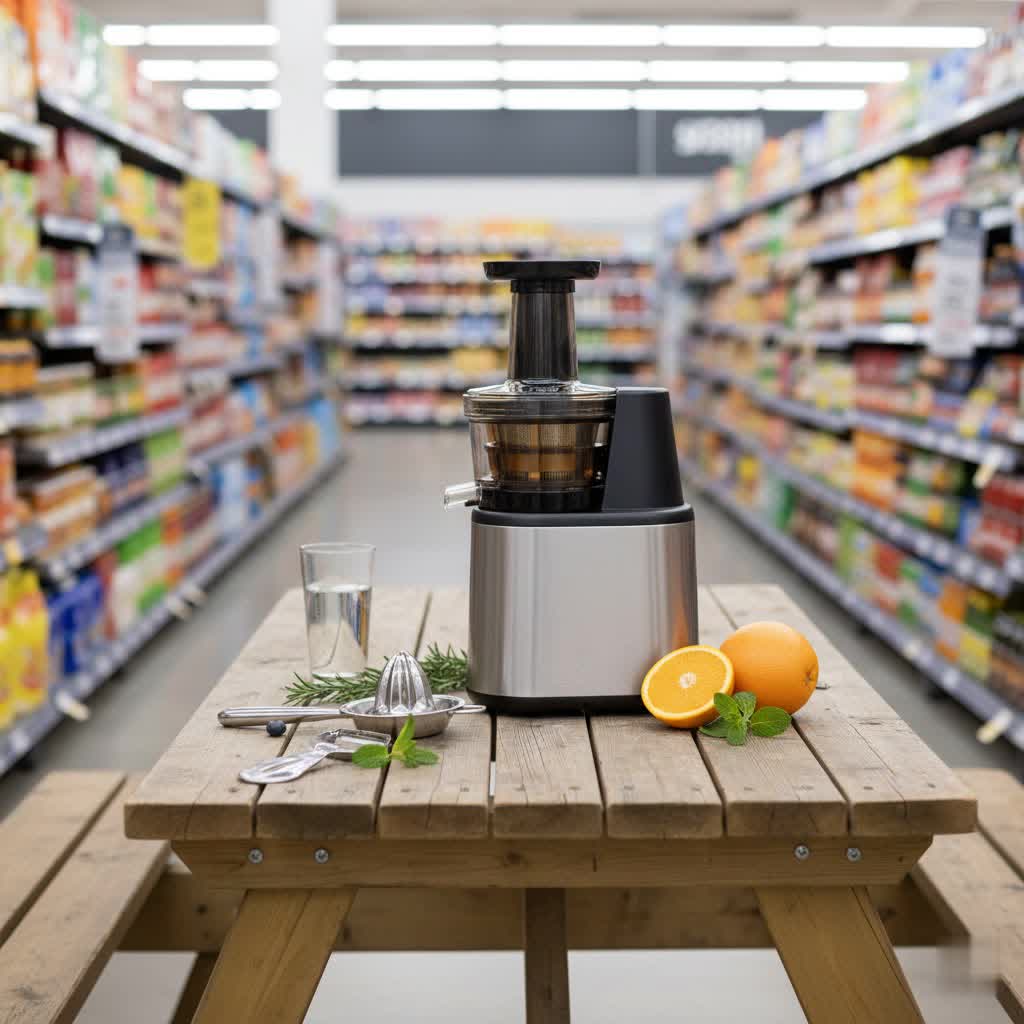
A fruit juicer is an appliance designed to extract liquid from fruits and vegetables, separating the pulp from the juice. It’s a fantastic tool for boosting your daily intake of essential vitamins, minerals, and enzymes. Drinking fresh juice can support detoxification, enhance energy levels, and provide a concentrated burst of nutrients. While traditionally used with fresh produce, the convenience of frozen fruit makes understanding its compatibility with various juicers increasingly important.
Types of Fruit Juicers and Their Compatibility with Frozen Fruit
Not all juicers are created equal, especially when it comes to handling frozen ingredients. Understanding the differences is crucial for preventing damage to your appliance and achieving the desired results.
Centrifugal Juicers
These are often the entry-level option for many juicing enthusiasts.
- Advantages: Centrifugal juicers operate at high speeds, making them quick and generally more affordable. They are excellent for quickly processing firmer fruits and vegetables.
- Disadvantages: Their high-speed spinning generates heat, which can degrade some heat-sensitive nutrients and enzymes. They also tend to produce more foam and separate less pulp, leading to a thinner, often frothy juice.
- Frozen Fruit Compatibility: When it comes to frozen fruit, centrifugal juicers require complete thawing. Attempting to juice hard, frozen fruit can strain the motor, damage the spinning blade, or clog the mesh filter. Once thoroughly thawed, frozen fruits can be juiced just like fresh produce, though the texture of the resulting juice might be slightly mushier due to cell wall expansion during freezing.
|
Our Picks for the Best Fruit Juicer in 2026
As an Amazon Associate I earn from qualifying purchases.
|
||
| Num | Product | Action |
|---|---|---|
| 1 | Juicer Machine, 800W Centrifugal Juicer Extractor with Wide Mouth 3” Feed Chute for Fruit Vegetable, Easy to Clean, Stainless Steel, BPA-free (Metallic Black) |

|
| 2 | Juicer Machine, 800W Centrifugal Juicer Extractor with Wide Mouth 3” Feed Chute for Fruit Vegetable, Easy to Clean, Stainless Steel, BPA-free (Green) |
|
| 3 | Qcen Juicer Machine, 500W Centrifugal Juicer Extractor with Wide Mouth 3” Feed Chute for Fruit Vegetable, Easy to Clean, Stainless Steel, BPA-free (Black) |
|
| 4 | Qcen Juicer Machine, 800W Centrifugal Juicer Extractor with Wide Mouth 3” Feed Chute for Fruit Vegetable, Easy to Clean, Stainless Steel, BPA-free (Black) |
|
| 5 | Juicer Machine, 800W Centrifugal Juicer Extractor with Wide Mouth 3” Feed Chute for Fruit Vegetable, Easy to Clean, Stainless Steel, BPA-free (Gold) |
|
| 6 | QCen Juicer Machine, 500W Centrifugal Juicer Extractor with Wide Mouth 3” Feed Chute for Fruit Vegetable, Easy to Clean, Stainless Steel, BPA-free (Green) |
|
| 7 | QCen Juicer Machine, 500W Centrifugal Juicer Extractor with Wide Mouth 3” Feed Chute for Fruit Vegetable, Easy to Clean, Stainless Steel, BPA-free (Aqua) |
|
| 8 | Juicer Machine, 800W Centrifugal Juicer Extractor with Wide Mouth 3” Feed Chute for Fruit Vegetable, Easy to Clean, Stainless Steel, BPA-free (Metallic Red) |
|
| 9 | QCen Juicer Machine, 500W Centrifugal Juicer Extractor with Wide Mouth 3” Feed Chute for Fruit Vegetable, Easy to Clean, Stainless Steel, BPA-free (Gold) |
|
| 10 | Juicer Machine, 800W Centrifugal Juicer Extractor with Wide Mouth 3” Feed Chute for Fruit Vegetable, Easy to Clean, Stainless Steel, BPA-free (Aqua) |
|
Masticating (Slow) Juicers
Masticating juicers, also known as cold press or slow juicers, operate at much slower speeds.
- Advantages: They mimic chewing motions, pressing and crushing ingredients slowly. This minimizes heat buildup and oxidation, preserving more nutrients, enzymes, and the vibrant color of the juice. They also excel at processing leafy greens and produce a higher yield with less foam.
- Disadvantages: Masticating juicers are generally more expensive and slower than centrifugal models, requiring more prep time for ingredients.
- Frozen Fruit Compatibility: Masticating juicers are generally more versatile with frozen fruit. For traditional juice, fruit still needs to be thawed to avoid strain on the auger and motor. However, many slow juicers come with specialized attachments or settings for making sorbets or “nice creams” directly from fully frozen fruit. In these cases, the frozen fruit is typically processed into a thick, soft-serve consistency rather than a liquid juice. Always consult your specific model’s manual.
Triturating Juicers (Twin Gear Juicers)
These are the most advanced and robust type of slow juicers.
- Advantages: Triturating juicers feature two interlocking gears that grind and press produce with extreme efficiency, yielding the highest juice quantity and nutrient preservation. They are excellent for a wide range of produce, including very fibrous greens.
- Disadvantages: They are the most expensive juicers on the market and can be more cumbersome to clean due to the twin-gear design.
- Frozen Fruit Compatibility: Similar to single-auger masticating juicers, twin-gear models can handle thawed frozen fruit for juice. Given their robust construction, some may be suitable for making sorbets from partially frozen or slightly softened fruit, but introducing fully rock-hard frozen fruit without checking the manual is risky and could lead to damage. Their primary design is for maximum juice extraction, not necessarily for frozen dessert creation.
Detailed Comparison of Juicer Types
Here’s a quick overview to help you compare:
| Feature | Centrifugal Juicer | Masticating (Slow) Juicer | Triturating (Twin Gear) Juicer |
|---|---|---|---|
| Juicing Speed | Very Fast | Slow | Very Slow |
| Juice Quality | Good, more froth | Excellent, less froth | Superior, minimal froth |
| Nutrient Preservation | Good | Very High | Highest |
| Yield | Moderate | High | Highest |
| Price Range | Low to Moderate | Moderate to High | High to Very High |
| Noise Level | High | Low | Low |
| Ease of Cleaning | Moderate | Easy (some models) | Moderate to Complex |
| Frozen Fruit (Thawed) | Yes | Yes | Yes |
| Frozen Fruit (for Sorbet) | No (can cause damage) | Yes (with attachments) | Possibly (check manual) |
Top Considerations for Juicing Frozen Fruit
When incorporating frozen fruit into your juicing routine, keep these key factors in mind to ensure safety and optimal results.
- Thawing is Paramount for Juice: For traditional liquid juice, it cannot be stressed enough: always thaw your frozen fruit first. Frozen fruit’s hard, icy texture can put immense strain on your juicer’s motor, auger, or blades, potentially leading to costly damage or reduced lifespan of your appliance. A general rule of thumb is to let fruit thaw until it’s soft to the touch, similar to fresh fruit.
- Sorbet/Ice Cream Attachments: If your primary goal for using frozen fruit is to create a thicker, dessert-like consistency, look for masticating juicers that explicitly state they can make sorbets or have dedicated ice cream/sorbet attachments. These specific strainers or components are designed to handle semi-frozen or fully frozen ingredients safely, transforming them into a delightful, spoonable treat.
- Machine Strength and Durability: Consider the overall build quality and motor power of your juicer. A more robust machine, especially a slow juicer with a powerful motor, will generally handle thawed frozen fruit more reliably than a less powerful, cheaper model. Always prioritize a juicer with a good warranty.
- Consult Your User Manual: This is arguably the most critical step. Every juicer model is different. Your user manual provides specific guidelines on what ingredients your machine can safely process, whether it can handle frozen fruit (and in what state), and if it requires any special accessories for such tasks. Ignoring the manual can void your warranty.
Choosing the Right Juicer for Your Needs
Selecting the ideal juicer involves aligning the machine’s capabilities with your personal juicing habits and goals.
- Identify Your Primary Goal: Are you looking to make clear, liquid juice, or are you excited about thick, frozen fruit sorbets and smoothies? If liquid juice is your priority, any juicer can work with thawed fruit, but a masticating juicer will offer better nutrient retention. If frozen desserts are a key interest, a slow juicer with dedicated sorbet capabilities is a must.
- Budget: Juicers vary widely in price. Centrifugal models are entry-level, while high-end masticating and triturating juicers represent a significant investment. Determine what you’re willing to spend, keeping in mind that durability and versatility often come with a higher price tag.
- Lifestyle Factors: Consider how much time you have for prep and cleaning. Centrifugal juicers are faster but can be messier. Masticating juicers are slower but often easier to clean and prepare for. Also, think about the space available in your kitchen for the appliance.
> “While fresh is always ideal, flash-frozen fruit offers a fantastic nutritional alternative and extends the availability of seasonal produce. The key is knowing your juicer’s limits.” – Dr. Elena Petrova, Nutritional Scientist
Tips for Using and Maintaining Your Juicer with Frozen Fruit
To get the best out of your juicer and ensure its longevity when working with frozen fruit, follow these practical tips.
Preparation for Juicing Frozen Fruit
- Thawing Methods:
- Refrigerator: The safest and most recommended method. Transfer frozen fruit to the fridge the night before juicing.
- Cold Water Bath: For quicker thawing, place frozen fruit in a sealed bag and submerge it in a bowl of cold water. Change the water every 30 minutes until thawed.
- Microwave Defrost: Use the defrost setting on your microwave for 1-2 minutes, stirring occasionally, until the fruit is soft but not cooked. This is the fastest but can sometimes alter texture slightly.
- Cut into Smaller Pieces: Even after thawing, larger pieces of fruit can put a strain on your juicer. Cut thawed frozen fruit into smaller, manageable chunks before feeding them into the juicer. This helps the juicer process them more efficiently and reduces the risk of clogging.
Juicing Technique
- Alternate with Fresh Produce: If you’re juicing a large batch of thawed frozen fruit, consider alternating it with a piece of fresh, firmer fruit or vegetable. This can help push the softer thawed fruit through the juicer more effectively and prevent clogging.
- Don’t Overload: Feed the fruit into the juicer slowly and steadily. Overloading the chute can cause the motor to strain or the juicer to jam.
Cleaning and Storage
- Immediate Cleaning: Pulp from thawed fruit can be softer and stickier than fresh fruit pulp. Clean your juicer immediately after use to prevent pulp from drying and hardening in the components, which makes cleaning much more difficult.
- Proper Storage of Juice: Juice made from thawed frozen fruit should be consumed immediately for optimal freshness and nutrient content. If you need to store it, transfer the juice to an airtight container and refrigerate it. Fresh juice typically lasts up to 72 hours when stored correctly.
Common Issues When Juicing Frozen Fruit and How to Fix Them
Even with proper preparation, you might encounter some common challenges when juicing frozen fruit.
- Machine Clogging or Struggling:
- Cause: Most often, this is due to using fruit that isn’t fully thawed or feeding large, hard pieces.
- Fix: Ensure fruit is completely thawed and cut into smaller chunks. Feed produce slowly, and consider alternating with a firmer fresh fruit to help push it through. If a masticating juicer has a reverse function, use it briefly to clear blockages.
- Mushy Output (when expecting liquid juice):
- Cause: Insufficient thawing or the inherent nature of thawed frozen fruit. Freezing causes water inside fruit cells to expand and rupture cell walls, which can result in a softer, mushier texture upon thawing, leading to a less clear, more pulpy juice.
- Fix: While complete thawing is necessary, understand that the juice might naturally be thicker or have more pulp than juice from fresh fruit. If you desire a thinner consistency, you might need to strain the juice a second time or combine it with higher-water-content fresh produce like cucumber or celery.
- Reduced Flavor or Yield:
- Cause: Some fruits naturally lose a bit of their vibrant flavor or some moisture during the freezing and thawing process.
- Fix: Experiment with different types of frozen fruits. Berries, cherries, mango, and stone fruits like peaches and plums tend to perform well. Water-rich fruits such as watermelon, cantaloupe, cucumbers, and citrus (unless peeled and segmented before freezing) are generally less ideal for freezing and juicing as they can become excessively mushy. Packing fruits in an airtight container before freezing can help maintain flavor and texture.
Where to Buy Quality Juicers
When you’re ready to invest in a juicer capable of handling your juicing needs, including thawed frozen fruit or even frozen desserts, consider these purchasing avenues:
- Manufacturer Websites: Buying directly from reputable brands like Hurom, Omega, or Breville often provides access to their full product range, detailed specifications, direct customer support, and often better warranty options.
- Major Appliance Retailers: Large electronics and home goods stores, both online and brick-and-mortar, offer a wide selection of juicers from various brands. This allows for easy comparison and often competitive pricing.
- Specialty Kitchen Stores: These stores may have knowledgeable staff who can guide you to the best juicer for your specific requirements and demonstrate features.
When purchasing, always look for strong warranties, clear return policies, and read customer reviews to gauge real-world performance and durability.
Conclusion
Juicing with frozen fruit is not only possible but also a smart way to enjoy your favorite produce year-round and reduce food waste. The key to success lies in understanding your juicer type and committing to proper preparation. While traditional juicing requires thoroughly thawed fruit to protect your appliance, many slow juicers open up a world of creamy frozen sorbets and desserts directly from unthawed ingredients. By following the guidelines for thawing, preparation, and maintenance, you can confidently integrate frozen fruit into your healthy lifestyle. Embrace the versatility, savor the nutrients, and elevate your juicing game.
What frozen fruit combination will you try in your juicer first?
Frequently Asked Questions
Can I use frozen fruit for juicing?
Yes, you can use frozen fruit for juicing, but it generally needs to be thawed first to prevent damage to your juicer. Some slow juicers can process fully frozen fruit into sorbet-like consistency using specific attachments, but this is different from making liquid juice.
Does freezing fruit affect its nutrients?
Flash-freezing fruit is an effective way to preserve its nutritional content, often comparable to fresh produce. While some subtle changes in texture or flavor may occur upon thawing, the core vitamins, minerals, and antioxidants typically remain intact.
What kind of juicer is best for frozen fruit?
For making liquid juice from frozen fruit, any juicer type can work, provided the fruit is completely thawed. However, if you want to make sorbets or frozen desserts directly from fully frozen fruit, a masticating (slow) juicer with a dedicated sorbet or ice cream attachment is the most suitable choice.
Can I put completely frozen fruit directly into my juicer?
Generally, no. Putting completely frozen, hard fruit directly into most juicers can severely damage the motor, auger, or blades. Only specific juicer models designed with sorbet/ice cream functions and specialized attachments are built to handle fully frozen ingredients without prior thawing. Always check your juicer’s manual.
How do I thaw frozen fruit for juicing?
The safest methods include thawing overnight in the refrigerator or submerging sealed bags of fruit in cold water, changing the water frequently. For a quicker option, you can use the defrost setting on a microwave for a minute or two until the fruit is soft, but avoid cooking it.
