Stepping into the world of fresh juice can be transformative, offering a vibrant boost to your daily nutrition and overall well-being. But with countless options available, choosing the right machine to extract that liquid gold can feel overwhelming. As someone with over a decade of experience in testing and evaluating hundreds of juicers, I understand the intricacies of advanced technologies, the pros and cons of each type, and the critical factors in selecting the perfect machine for your family’s health. This guide aims to demystify mechanical fruit juicers, sharing honest and easy-to-understand insights to help you make an informed decision.
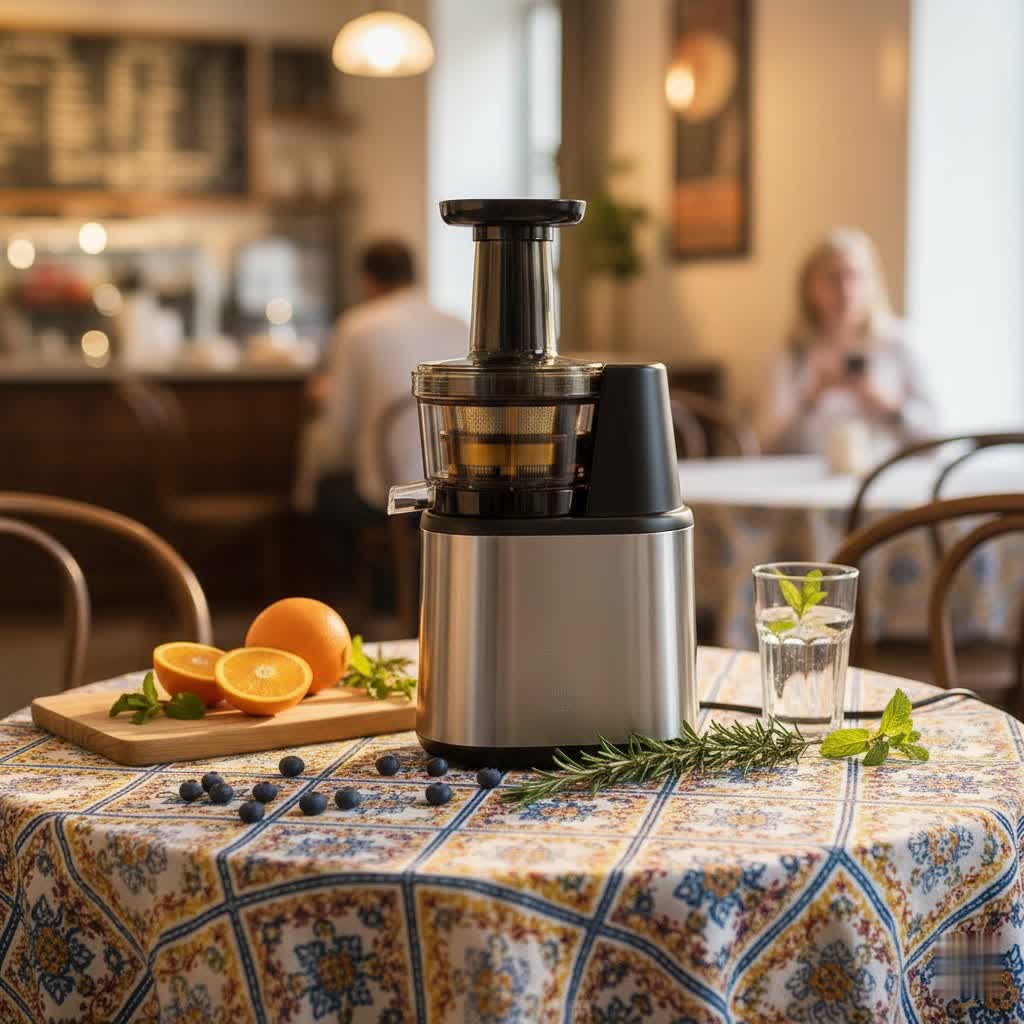
What is a Fruit Juicer? Why Do You Need One?
A fruit juicer, often called a juice extractor, is a specialized kitchen appliance designed to separate juice from the pulp of fruits, vegetables, and leafy greens. Unlike blenders that create smoothies containing both liquid and solid components, a juicer clarifies the liquid, leaving behind the fibrous pulp. This process allows for the efficient absorption of concentrated nutrients, enzymes, and vitamins directly into your bloodstream.
The health benefits of incorporating fresh, homemade juice into your diet are extensive. Juices are packed with antioxidants, which combat inflammation and may reduce the risk of chronic diseases like cancer, cardiovascular disease, and diabetes. They provide a quick and easy way to increase your daily intake of essential fruits and vegetables, enhancing digestion, boosting energy levels, and supporting overall vitality.
Exploring the Popular Types of Mechanical Fruit Juicers
When we talk about “mechanical fruit juicers,” we’re referring to the various mechanisms these machines employ to extract juice. Each design offers a unique approach to juicing, influencing factors like speed, juice quality, and the types of produce they handle best.
Centrifugal Juicers
Centrifugal juicers are often the most common and entry-level choice for many juicing enthusiasts. These “fast juicers” operate on a simple yet effective principle.
- How They Work: Produce is fed into a chute, where a flat cutting blade with tiny teeth rapidly shreds it. The shredded produce is then spun at very high speeds, typically between 3,000 to 14,000 revolutions per minute (RPM). This centrifugal force pushes the juice through a fine mesh strainer, separating it from the pulp, which is usually ejected into a separate container.
- Advantages: Centrifugal juicers are prized for their speed and convenience. They can produce a glass of juice in seconds, making them ideal for busy mornings. They are generally more affordable than other types of juicers and often feature wider feed chutes, requiring less pre-cutting of ingredients. Cleaning is also relatively straightforward for most models.
- Disadvantages: The high-speed rotation generates heat and introduces a significant amount of air into the juice, leading to oxidation. This can degrade heat-sensitive nutrients and enzymes, resulting in a frothy juice with a shorter shelf life that tends to separate quickly. They are also less efficient at juicing leafy greens and wheatgrass, yielding less juice from these ingredients. Furthermore, centrifugal juicers are typically quite noisy during operation.
|
Our Picks for the Best Fruit Juicer in 2026
As an Amazon Associate I earn from qualifying purchases.
|
||
| Num | Product | Action |
|---|---|---|
| 1 | Juicer Machine, 800W Centrifugal Juicer Extractor with Wide Mouth 3” Feed Chute for Fruit Vegetable, Easy to Clean, Stainless Steel, BPA-free (Aqua) |

|
| 2 | QCen Juicer Machine, 500W Centrifugal Juicer Extractor with Wide Mouth 3” Feed Chute for Fruit Vegetable, Easy to Clean, Stainless Steel, BPA-free (Green) |
|
| 3 | Qcen Juicer Machine, 800W Centrifugal Juicer Extractor with Wide Mouth 3” Feed Chute for Fruit Vegetable, Easy to Clean, Stainless Steel, BPA-free (Black) |
|
| 4 | QCen Juicer Machine, 500W Centrifugal Juicer Extractor with Wide Mouth 3” Feed Chute for Fruit Vegetable, Easy to Clean, Stainless Steel, BPA-free (Gold) |
|
| 5 | Juicer Machine, 800W Centrifugal Juicer Extractor with Wide Mouth 3” Feed Chute for Fruit Vegetable, Easy to Clean, Stainless Steel, BPA-free (Green) |
|
| 6 | Qcen Juicer Machine, 500W Centrifugal Juicer Extractor with Wide Mouth 3” Feed Chute for Fruit Vegetable, Easy to Clean, Stainless Steel, BPA-free (Black) |
|
| 7 | Juicer Machine, 800W Centrifugal Juicer Extractor with Wide Mouth 3” Feed Chute for Fruit Vegetable, Easy to Clean, Stainless Steel, BPA-free (Metallic Black) |
|
| 8 | Juicer Machine, 800W Centrifugal Juicer Extractor with Wide Mouth 3” Feed Chute for Fruit Vegetable, Easy to Clean, Stainless Steel, BPA-free (Gold) |
|
| 9 | Juicer Machine, 800W Centrifugal Juicer Extractor with Wide Mouth 3” Feed Chute for Fruit Vegetable, Easy to Clean, Stainless Steel, BPA-free (Metallic Red) |
|
| 10 | QCen Juicer Machine, 500W Centrifugal Juicer Extractor with Wide Mouth 3” Feed Chute for Fruit Vegetable, Easy to Clean, Stainless Steel, BPA-free (Aqua) |
|
Masticating Juicers
Masticating juicers, also known as “slow juicers” or “cold press juicers,” take a more gentle approach to juice extraction, focusing on maximizing nutrient retention.
- How They Work: Instead of shredding, a masticating juicer uses a single auger (a spiral-shaped gear) to slowly crush and grind fruits and vegetables against a fine screen. This “chewing” action, operating at much lower speeds (around 40-100 RPM), presses out the juice while minimizing heat buildup and oxidation. The pulp is expelled separately, often much drier than that from a centrifugal juicer.
- Advantages: The primary benefit of masticating juicers is their superior juice quality. The slow process preserves a higher percentage of vitamins, minerals, and live enzymes, resulting in a more nutrient-dense and flavorful juice. This juice also experiences less oxidation, meaning it has a longer shelf life, often remaining fresh for up to 72 hours when refrigerated. Masticating juicers are highly efficient at extracting juice from a wide variety of produce, including fibrous leafy greens, wheatgrass, and soft fruits, yielding significantly more juice. They also operate much more quietly than centrifugal models.
- Disadvantages: The slow juicing process means it takes longer to prepare your juice. Masticating juicers are generally more expensive upfront than centrifugal juicers. Many models have smaller feed chutes, requiring more pre-cutting of ingredients. While easy to clean, they often have more components to wash.
Triturating Juicers
Triturating juicers, commonly referred to as “twin-gear juicers,” represent the pinnacle of juice extraction technology, offering the highest quality and yield.
- How They Work: These advanced machines feature two interlocking gears that rotate inward, crushing and grinding produce exceptionally finely. This dual-gear mechanism maximizes the breakdown of cell walls, extracting virtually every drop of juice and nutrient. Like masticating juicers, they operate at very slow speeds, ensuring minimal heat and oxidation.
- Advantages: Triturating juicers offer the highest juice yield and the most nutrient-rich juice possible, with very dry pulp indicating maximum extraction. They are exceptionally effective with all types of produce, particularly challenging leafy greens and wheatgrass. The juice produced has the longest shelf life due to minimal oxidation. Many twin-gear models are also highly versatile, capable of making nut butters, baby food, and even pasta.
- Disadvantages: Triturating juicers are the most expensive type on the market. They are also the slowest to operate and tend to be quite bulky, requiring significant counter space. Cleaning can be more involved due to their intricate design.
Comparison Table: Understanding Your Options
To help you visualize the differences, here’s a detailed comparison of the main mechanical juicer types:
| Feature | Centrifugal Juicers | Masticating (Slow) Juicers | Triturating (Twin Gear) Juicers |
|---|---|---|---|
| Extraction Speed | Very Fast (3,000-14,000 RPM) | Slow (40-100 RPM) | Very Slow |
| Juice Quality | Moderate; frothy, quick separation | High; less foam, better nutrients | Highest; smooth, maximum nutrients |
| Nutrient Retention | Lower (due to heat/oxidation) | High (minimal heat/oxidation) | Highest (minimal heat/oxidation) |
| Juice Yield | Moderate | High (drier pulp) | Highest (very dry pulp) |
| Best For | Hard fruits/veggies, quick juice | All produce, especially leafy greens | All produce, especially leafy greens |
| Noise Level | High | Low | Low |
| Price Range | $$ | $$$ | $$$$ |
| Ease of Cleaning | Generally Easy | Moderate (more parts) | More Involved |
| Juice Shelf Life | Short (immediate consumption best) | Up to 72 hours | Up to 72 hours |
| Prep Time | Less (wider chute) | More (smaller chute, more cutting) | More (smaller chute, more cutting) |
Top Mechanical Fruit Juicers Loved by Enthusiasts
Based on extensive testing and user feedback, certain mechanical juicers consistently stand out for their performance and reliability across different categories.
- Best Overall Masticating Juicer: The Omega NC900HDC is a perennial favorite, known for its exceptional juice yield, versatility in handling various produce, and quiet operation. It’s an excellent investment for those serious about nutrient-dense juicing.
- Best Centrifugal Juicer for Beginners: The Breville JE98XL Juice Fountain Plus offers a fantastic balance of speed, efficiency, and affordability, making it a great entry point into home juicing. It handles hard fruits and vegetables with ease.
- Best Premium Twin-Gear Juicer: For the ultimate juicing experience, the Tribest GSE-5050 Greenstar Elite Cold Press Juicer excels in extracting the highest quality and quantity of juice, particularly from greens and wheatgrass. Its robust build ensures longevity.
- Top Vertical Masticating Juicer: Models like the Kuvings Whole Slow Juicer series (e.g., C7000S or Auto10) are praised for their convenience, powerful extraction, and sleek vertical design that saves counter space.
How to Choose the Right Mechanical Fruit Juicer for You
Selecting the ideal juicer involves a thoughtful consideration of your individual needs and lifestyle.
- Identify Your Juicing Needs: What types of fruits and vegetables do you plan to juice most often? If leafy greens and wheatgrass are a priority, a masticating or triturating juicer will yield better results. For hard fruits and quick drinks, a centrifugal model might suffice. How much juice do you need to make at once? Batch juicing for longer storage favors slow juicers.
- Consider Your Budget: Juicers vary widely in price. Centrifugal models are generally the most budget-friendly, while masticating and triturating juicers represent a more significant investment, often justified by higher juice quality and yield over time.
- Evaluate Other Factors:
- Noise Level: If you live in a shared space or prefer quiet mornings, a masticating or triturating juicer will be less disruptive.
- Ease of Cleaning: Some juicers have fewer parts and are dishwasher-safe, while others require more manual scrubbing.
- Size and Storage: Consider your kitchen counter space and storage availability. Vertical slow juicers often have a smaller footprint.
Tips for Using and Maintaining Your Mechanical Fruit Juicer
Proper usage and regular maintenance will extend the life of your juicer and ensure consistent performance.
- Preparation is Key: Wash all produce thoroughly. Cut fruits and vegetables into appropriate sizes for your juicer’s feed chute to prevent clogging and ensure efficient processing. For fibrous greens, you might consider rolling them into tight bundles.
- Feed Slowly and Consistently: Avoid overfilling the chute or pushing produce too quickly, especially with slow juicers, as this can strain the motor and reduce efficiency.
- Clean Immediately After Use: Disassemble and rinse all removable parts with warm soapy water as soon as you finish juicing. This prevents pulp from drying and sticking, making cleanup much easier. Many parts are not dishwasher safe, so refer to your manual.
- Regular Deep Cleaning: Periodically perform a deeper clean, especially on screens and augers, to remove any stubborn residue that can build up over time.
- Store Properly: Ensure all parts are completely dry before reassembling or storing your juicer to prevent mold or mildew growth.
Common Juicer Issues and Troubleshooting
Even the best juicers can encounter minor issues. Here’s how to address some common problems:
- Machine Not Turning On: Check if the juicer is properly assembled and all safety locks are engaged. Ensure it’s plugged into a working outlet.
- Juicer Gets Clogged: This is more common with slow juicers, especially when processing fibrous ingredients or feeding too quickly. Stop the machine, disassemble, and clear any blockages. Alternating hard and soft produce can also help.
- Pulp in Juice: A small amount of pulp is normal, but excessive pulp might indicate a worn-out screen or improper assembly. Ensure the mesh screen is clean and correctly fitted.
- Machine Jams or Strains: This often happens when feeding large, hard pieces of produce. Cut ingredients into smaller pieces and feed them slowly. If your juicer has a reverse function, use it to dislodge jams.
Where to Purchase a Reputable Mechanical Fruit Juicer
When investing in a mechanical fruit juicer, it’s crucial to buy from trusted retailers to ensure product authenticity and warranty support.
- Online Retailers: Major online marketplaces like Amazon, as well as specialized kitchen appliance websites, offer a vast selection of brands and models, often with competitive pricing and detailed customer reviews.
- Department Stores and Appliance Shops: Physical stores allow you to see the juicer in person, compare sizes, and sometimes get demonstrations. Brands like Breville, Omega, Kuvings, and Hurom are widely available.
- Brand Websites: Purchasing directly from the manufacturer’s website can sometimes offer exclusive deals or extended warranties.
Always check for clear return policies and warranty information before making a purchase, especially when buying online.
Conclusion
Choosing the right mechanical fruit juicer is a personal journey that depends on your health goals, budget, and lifestyle. Whether you opt for the speedy convenience of a centrifugal model, the nutrient-rich output of a masticating juicer, or the ultimate extraction power of a triturating machine, each type offers a path to incorporating more vibrant, fresh nutrition into your diet. By understanding their unique mechanisms, advantages, and limitations, you can confidently select a mechanical fruit juicer that will become a cherished tool in your kitchen.
What kind of delicious, health-boosting juices are you most excited to create with your new mechanical fruit juicer?
Frequently Asked Questions
What does “mechanical” mean in the context of fruit juicers?
In this context, “mechanical” refers to the physical action or mechanism used to extract juice from fruits and vegetables, distinguishing it from purely electrical processes that might not involve crushing or pressing. It covers a range of methods from high-speed shredding to slow grinding and squeezing.
Are mechanical fruit juicers better than blenders for health?
While both blenders and juicers can be part of a healthy diet, they serve different purposes. Mechanical fruit juicers extract pure liquid, allowing for concentrated nutrient absorption, while blenders retain the fiber, creating a thicker beverage. For specific nutrient boosts and digestive ease, juicers often have an edge.
Can I juice hard vegetables like carrots and beets in a masticating juicer?
Yes, masticating juicers are excellent at processing hard vegetables like carrots and beets. Their slow, powerful grinding action efficiently breaks down tough fibers, extracting high-quality juice and leaving behind very dry pulp, indicating maximum yield.
How often should I clean my mechanical fruit juicer?
It is strongly recommended to clean your mechanical fruit juicer immediately after each use. Rinsing the parts promptly prevents pulp from drying and hardening, which makes cleaning significantly easier and helps maintain hygiene and performance.
Do mechanical juicers extract more juice than manual presses?
Generally, electric mechanical juicers (centrifugal, masticating, triturating) extract significantly more juice than most manual presses, especially from a wider variety of fruits and vegetables beyond just citrus. Manual presses are typically limited to soft, juicy fruits.
