In today’s fast-paced world, maintaining a healthy lifestyle often feels like a juggling act. With demanding schedules, quick meals, and constant travel, it’s easy to let nutritious eating slide. But what if you could enjoy fresh, vibrant juices and smoothies no matter where your day takes you? This is where the portable fruit juicer steps in as a game-changer, transforming how you access vital nutrients on the go.
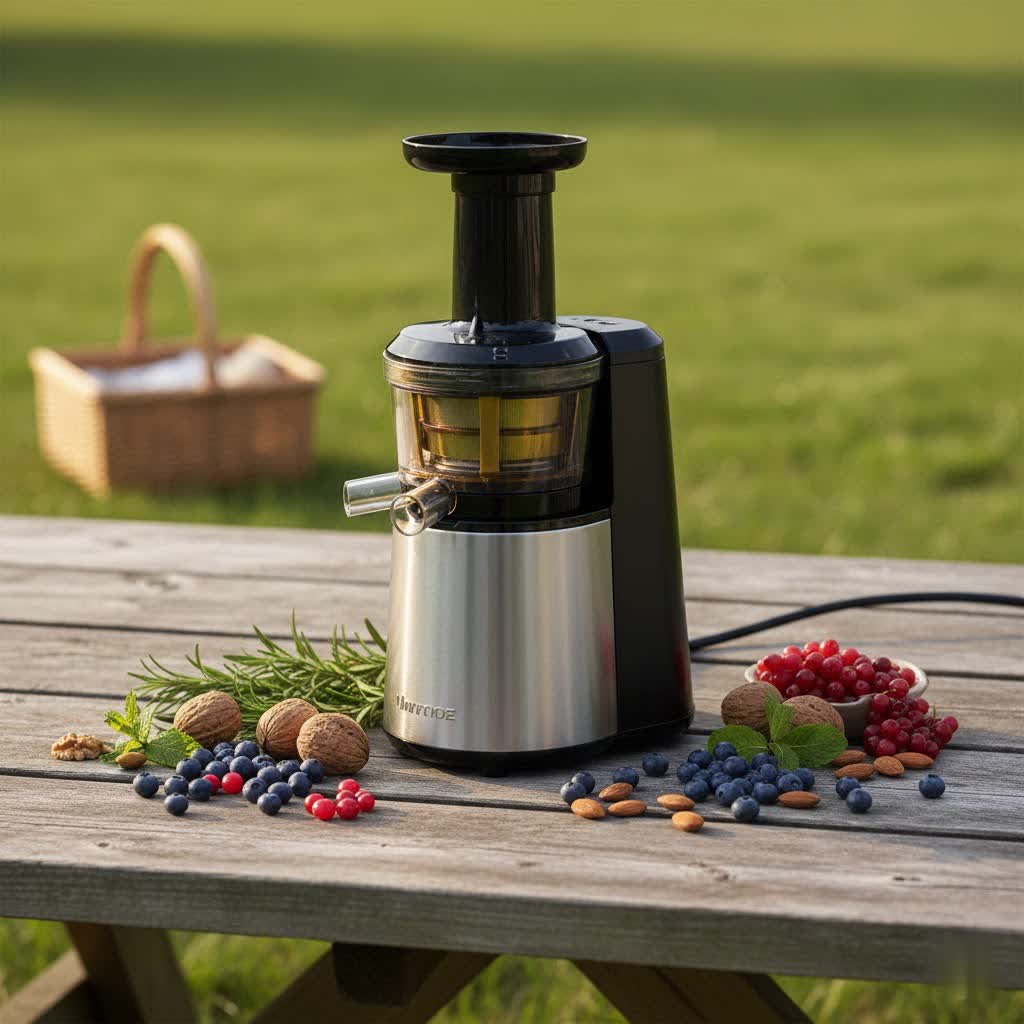
This comprehensive guide will demystify the world of portable fruit juicers, exploring their essential features, myriad benefits, and how to choose the perfect companion for your health journey. Get ready to unlock the secret to effortless, healthy hydration, anytime and anywhere.
What is a Portable Fruit Juicer? Why Do You Need One?
A portable fruit juicer is a compact, battery-powered device designed to extract juice or blend ingredients into smoothies away from your traditional kitchen setup. Unlike bulky countertop appliances, these mini powerhouses prioritize mobility, often featuring a sleek design, lightweight construction, and USB-rechargeable capabilities. They typically combine a small motor with sharp blades within a compact cup or bottle.
You need one if you’re constantly on the move, whether it’s commuting to work, hitting the gym, traveling, or simply enjoying outdoor activities. These devices allow you to bypass expensive store-bought options, offering an instant solution for fresh, nutrient-rich beverages that support a balanced diet and boost your overall well-being.
The Rise of Portable Juicers: Beyond Traditional Blenders
While traditional juicers (like centrifugal or masticating models) are excellent for high-volume juicing at home, they are impractical for portability due to their size, weight, and reliance on power outlets. Portable juicers, often referred to as personal blenders or smoothie makers, operate on a different principle. Instead of separating pulp from liquid entirely, most portable models blend whole fruits and vegetables, creating a smoothie-like consistency that retains beneficial fiber.
The primary types you’ll encounter in the portable category are:
- Electric Portable Blenders/Juicers: This is the most common and versatile type. They feature internal blades, a rechargeable battery (usually via USB), and are designed for blending a variety of fruits, vegetables, and even soft ice. They are essentially mini, cordless blenders optimized for single servings.
- Manual Portable Citrus Juicers: Simpler, non-electric devices primarily used for squeezing juice from citrus fruits like lemons, limes, and oranges. While truly portable, their functionality is limited to specific fruit types.
For the purpose of this guide, “portable fruit juicer” will primarily refer to the electric, blender-style units that offer broad versatility for on-the-go health enthusiasts.
Top Benefits of Owning a Portable Fruit Juicer
Owning a portable fruit juicer brings a host of advantages that seamlessly integrate into a health-conscious and dynamic lifestyle.
Freshness on Demand: Anytime, Anywhere
|
Our Picks for the Best Fruit Juicer in 2026
As an Amazon Associate I earn from qualifying purchases.
|
||
| Num | Product | Action |
|---|---|---|
| 1 | Qcen Juicer Machine, 800W Centrifugal Juicer Extractor with Wide Mouth 3” Feed Chute for Fruit Vegetable, Easy to Clean, Stainless Steel, BPA-free (Black) |

|
| 2 | QCen Juicer Machine, 500W Centrifugal Juicer Extractor with Wide Mouth 3” Feed Chute for Fruit Vegetable, Easy to Clean, Stainless Steel, BPA-free (Gold) |
|
| 3 | QCen Juicer Machine, 500W Centrifugal Juicer Extractor with Wide Mouth 3” Feed Chute for Fruit Vegetable, Easy to Clean, Stainless Steel, BPA-free (Green) |
|
| 4 | Qcen Juicer Machine, 500W Centrifugal Juicer Extractor with Wide Mouth 3” Feed Chute for Fruit Vegetable, Easy to Clean, Stainless Steel, BPA-free (Black) |
|
| 5 | Juicer Machine, 800W Centrifugal Juicer Extractor with Wide Mouth 3” Feed Chute for Fruit Vegetable, Easy to Clean, Stainless Steel, BPA-free (Aqua) |
|
| 6 | QCen Juicer Machine, 500W Centrifugal Juicer Extractor with Wide Mouth 3” Feed Chute for Fruit Vegetable, Easy to Clean, Stainless Steel, BPA-free (Aqua) |
|
| 7 | Juicer Machine, 800W Centrifugal Juicer Extractor with Wide Mouth 3” Feed Chute for Fruit Vegetable, Easy to Clean, Stainless Steel, BPA-free (Metallic Black) |
|
| 8 | Juicer Machine, 800W Centrifugal Juicer Extractor with Wide Mouth 3” Feed Chute for Fruit Vegetable, Easy to Clean, Stainless Steel, BPA-free (Gold) |
|
| 9 | Juicer Machine, 800W Centrifugal Juicer Extractor with Wide Mouth 3” Feed Chute for Fruit Vegetable, Easy to Clean, Stainless Steel, BPA-free (Metallic Red) |
|
| 10 | Juicer Machine, 800W Centrifugal Juicer Extractor with Wide Mouth 3” Feed Chute for Fruit Vegetable, Easy to Clean, Stainless Steel, BPA-free (Green) |
|
Imagine enjoying a vibrant, freshly blended green juice at your office desk or a refreshing fruit smoothie after a rigorous workout, without needing a kitchen in sight. Portable juicers make this a reality, allowing you to prepare healthy drinks precisely when you need them. This instant access to fresh produce ensures you never have to compromise on nutrition, even on your busiest days or during travel.
Boost Your Health: Nutrient-Rich, Avoid Processed Drinks
Freshly made juices and smoothies are packed with essential vitamins, minerals, and antioxidants that are crucial for energy levels and overall health. By making your own, you control the ingredients, avoiding the added sugars, preservatives, and artificial flavors often found in store-bought options. A portable juicer simplifies incorporating more fruits and vegetables into your daily diet, supporting your immune system and combating diseases.
Compact & Travel-Friendly
Traditional juicers can dominate counter space, but portable electric juicers are designed for minimal footprint. Their sleek, lightweight construction makes them incredibly easy to pack into a gym bag, backpack, or suitcase. This makes them perfect companions for road trips, camping, dorm rooms, or even just decluttering a small kitchen.
Effortless & Quick Blending
Despite their size, many portable juicers boast impressive power, capable of blending fruits, vegetables, and even small ice cubes in seconds, delivering a smooth, lump-free texture. Most models feature simple one-button operation, making them user-friendly even for first-time users. You can create healthy drinks in under a minute, saving valuable time during busy mornings or post-workout rushes.
USB Rechargeable Convenience
Bid farewell to restrictive cords and hunting for power outlets. Portable juicers typically come with a rechargeable battery that can be powered via a USB cable. This means you can charge them using a power bank, laptop, car charger, or any USB port, offering unparalleled flexibility. A single charge can often yield multiple blends, ready whenever you are.
Easy to Clean & Safe Design
Designed with practicality in mind, most portable electric juicers feature detachable parts for straightforward washing. Many even offer a “self-cleaning” function – simply add water and a drop of detergent, then run the blender. Safety is also a priority, with common features like secure locks and magnetic safety protection systems that prevent the blades from operating unless the components are correctly assembled.
Cost-Effective & Eco-Friendly
While there’s an initial investment, a portable electric juicer can save you significant money in the long run compared to purchasing daily drinks from juice bars or stores. Furthermore, by making your own beverages, you actively reduce the need for single-use plastic bottles and cartons, making it an environmentally friendly choice.
Key Factors to Consider When Buying a Portable Fruit Juicer
Choosing the right portable fruit juicer depends heavily on your individual needs and lifestyle. Here’s a breakdown of crucial factors to evaluate before making your purchase:
Power and Blade Quality
The motor’s strength and the quality of the blades are paramount for efficient blending. A powerful motor (often measured in watts, though less emphasized for portable units) paired with durable stainless steel blades (look for 301 or 304 grade) ensures smooth results, especially if you plan to blend harder fruits, vegetables, or ice. Some models feature a 4- or 6-blade system for enhanced performance. Consider models designed to handle tougher ingredients if your diet includes fibrous greens or frozen items.
Battery Life & Charging
Since portability is key, battery performance is critical. Look for a decent battery capacity, often expressed in mAh (milliampere-hours). For daily users, a battery of at least 4,000 mAh might provide 15-20 blends per charge, while other models advertise 2,000mAh x 2 batteries capable of 20 cups. Charging convenience is also vital; USB-C is often preferred for its faster charging and universal compatibility with modern devices like power banks and laptops.
Capacity & Size
Portable juicers typically range from 12 oz (350 ml) to 20 oz (600 ml), with some larger models offering up to 800ml for direct drinking. Consider your typical serving size: a smaller capacity is more compact and lighter, ideal for single servings, while a larger one means fewer refills but slightly reduced portability. Ensure the overall size and weight fit comfortably in your bag or cup holder.
Materials & Durability
Prioritize models made from BPA-free, food-grade materials like PCTG or ABS plastic, and ensure silicone seals are used. High-grade plastics resist cracking, staining, and odor absorption better than cheaper alternatives. Stainless steel components for the blades and sometimes the housing add to durability and longevity. A sturdy build quality is essential, especially if the juicer will endure regular travel.
Ease of Cleaning & Safety Features
Cleaning can be a chore, so look for features that simplify it. Detachable parts, a waterproof base, and simple designs make rinsing and cleaning quicker. Some even offer a self-cleaning cycle by blending water and a drop of soap. Safety features are non-negotiable: magnetic induction switches prevent accidental operation if the cup isn’t properly secured, and overload protection safeguards the motor.
Intended Use
Reflect on how you’ll primarily use the juicer. Will it be for quick fruit smoothies at the office, protein shakes post-gym, or elaborate green juices during travel? This will influence the required power, capacity, and durability. Occasional users might opt for simpler, more budget-friendly models, while daily, heavy users will benefit from more robust and powerful units.
Price Range
Portable juicers typically fall into three tiers:
- Budget ($20–$40): Entry-level, basic features, shorter battery life, suitable for occasional use with soft ingredients.
- Mid-Range ($40–$70): Better build, longer battery, improved efficiency, often includes extras like travel lids. Offers the best value for most users.
- Premium ($70–$100+): Advanced motors, durable materials, reputable brands. Justified for specific high-performance needs.
Table: Portable Juicer Buying Checklist
| Feature | Description | Ideal for… |
|---|---|---|
| Motor Power | Sufficient wattage for efficient blending. | Ice, frozen fruits, leafy greens, smooth textures |
| Blade Material | Food-grade 304 Stainless Steel (4 or 6 blades recommended). | Durability, sharp cuts, smooth results with tough ingredients |
| Battery Capacity | 2000mAh+ (e.g., 15-20 blends per charge); USB-C for fast charging. | Extended use, travel, fewer recharges, compatibility with power banks |
| Capacity | 350-500ml (12-17oz) for single servings. | On-the-go convenience, personal use |
| Materials | BPA-free, food-grade PCTG or ABS plastic; robust silicone seals. | Safety, durability, pure taste, resistance to odors/stains |
| Cleaning | Detachable parts, waterproof base, self-cleaning function. | Quick maintenance, hygiene, hassle-free daily use |
| Safety Features | Magnetic induction switch, overload protection, auto-stop function. | Preventing accidental starts, protecting the motor, enhanced user safety |
Tips for Using and Maintaining Your Portable Fruit Juicer
To get the most out of your portable fruit juicer and ensure its longevity, follow these practical tips:
- Prepare Your Ingredients: Always cut fruits and vegetables into small, manageable pieces (1-2 inches) before adding them to avoid overwhelming the blades and motor. Remove hard seeds, pits, and tough skins.
- Add Liquid First: For optimal blending, always pour your chosen liquid (water, milk, juice base) into the cup before adding solid ingredients. This helps the blades move freely and ensures a smoother blend.
- Don’t Overfill: Respect the maximum fill line indicated on your juicer cup. Overfilling can strain the motor and lead to leaks or an inefficient blend.
- Charge Fully: For peak performance and battery health, fully charge your portable juicer before its first use and regularly thereafter. Avoid letting the battery drain completely too often.
- Clean Immediately: Rinse your juicer thoroughly with water immediately after each use. For a deeper clean, disassemble detachable parts and wash with soap and water. Many models can “self-clean” by running with water and a drop of detergent.
- Proper Storage: Ensure all components are completely dry before reassembling and storing. Keep your juicer in a cool, dry place, away from direct sunlight, to prevent material degradation.
Common Issues and Quick Fixes
Even the best portable juicers can encounter minor hiccups. Here are some common issues and how to troubleshoot them:
- Juicer Not Starting:
- Fix: Check the battery level and ensure it’s charged. Verify that all components (cup, lid, base) are securely assembled. Most portable juicers have safety mechanisms that prevent operation if not properly closed.
- Blades Stuck / Not Blending Smoothly:
- Fix: This often occurs due to too much fruit, insufficient liquid, or ingredients cut too large. Shake the juicer gently to dislodge items, add more liquid, or remove and cut ingredients into smaller pieces. Avoid packing the cup too densely.
- Leaking During Operation:
- Fix: Ensure the lid is tightened correctly and the rubber seal (gasket) is properly seated. Check for any damage to the cup or lid that might compromise the seal. Do not overfill beyond the maximum line.
- Chunky Juice/Smoothie:
- Fix: The blending time might be too short, or there might be too little liquid for the density of ingredients. Blend for a longer duration, add a bit more liquid, or shake the juicer during blending to ensure all contents come into contact with the blades.
Where to Buy Reliable Portable Fruit Juicers
Investing in a quality portable fruit juicer ensures durability and performance. You can find reliable models at several retail avenues:
- Online Retailers: Platforms like Amazon, specialty health appliance websites, and direct-to-consumer brand sites (e.g., those from the search results like DeoDap or Geeklane) offer a vast selection, customer reviews, and competitive pricing. Look for sellers with clear return policies and warranties.
- Electronics and Home Goods Stores: Larger retail chains often carry a selection of personal blenders and portable juicers. This allows you to physically inspect the product before purchase.
- Health and Wellness Stores: Some stores specializing in healthy living products may stock higher-end or niche portable juicer brands.
When purchasing, always prioritize products with numerous positive customer reviews, a clear warranty, and responsive customer service. These indicators suggest a reliable product and a trustworthy brand.
Conclusion
A portable fruit juicer is more than just a kitchen gadget; it’s a powerful tool for empowering your healthy lifestyle, offering unparalleled convenience and nutritional benefits wherever you go. By providing fresh, homemade beverages at your fingertips, it helps you stay energized, maintain a balanced diet, and reduce reliance on less healthy, store-bought alternatives. Its compact design, USB-rechargeable battery, and easy-to-clean features make it an indispensable companion for busy individuals, fitness enthusiasts, and avid travelers alike.
Investing in a portable fruit juicer means investing in your well-being, offering the freedom to prioritize health without compromising on your active life. Are you ready to take your nutrition on the go and experience the freshness revolution?
Frequently Asked Questions
Are portable juicers worth it?
Yes, portable juicers are absolutely worth it for individuals with active or busy lifestyles. They offer the convenience of fresh, healthy drinks anytime, anywhere, saving money on store-bought juices and encouraging consistent nutrient intake.
Can I put ice in a portable juicer?
Many portable juicers with powerful motors and stainless steel blades can handle small ice cubes. However, always check the product specifications and user manual, and avoid using large or frozen solid ice chunks to prevent damage.
How long do portable juicers last on a single charge?
Battery life varies by model and usage, but most portable juicers can provide between 10 to 20 blends on a full charge. Higher capacity batteries (e.g., 2000mAh or more) will offer extended use.
What’s the difference between a portable juicer and a portable blender?
For portable devices, the terms are often used interchangeably. Generally, a “portable juicer” implies a device that can extract juice, while a “portable blender” suggests it creates smoothies by blending whole ingredients. Most electric portable “juicers” are functionally personal blenders, producing drinks with some pulp.
Are portable juicers difficult to clean?
No, most portable juicers are designed for easy cleaning. They typically feature detachable parts that can be rinsed quickly, and many models offer a convenient “self-cleaning” function by simply blending water and a drop of detergent.
