Embarking on a journey to a healthier lifestyle often begins with simple yet powerful changes, and incorporating fresh juices is a fantastic start. A high-quality vegetable fruit juicer machine can transform raw produce into nutrient-packed beverages, offering a delicious and efficient way to boost your daily intake of vitamins, minerals, and antioxidants. But with so many options available, choosing the right juicer can feel overwhelming. This comprehensive guide will navigate you through the world of juicers, helping you understand their types, benefits, and how to select the perfect machine to meet your health goals and lifestyle.
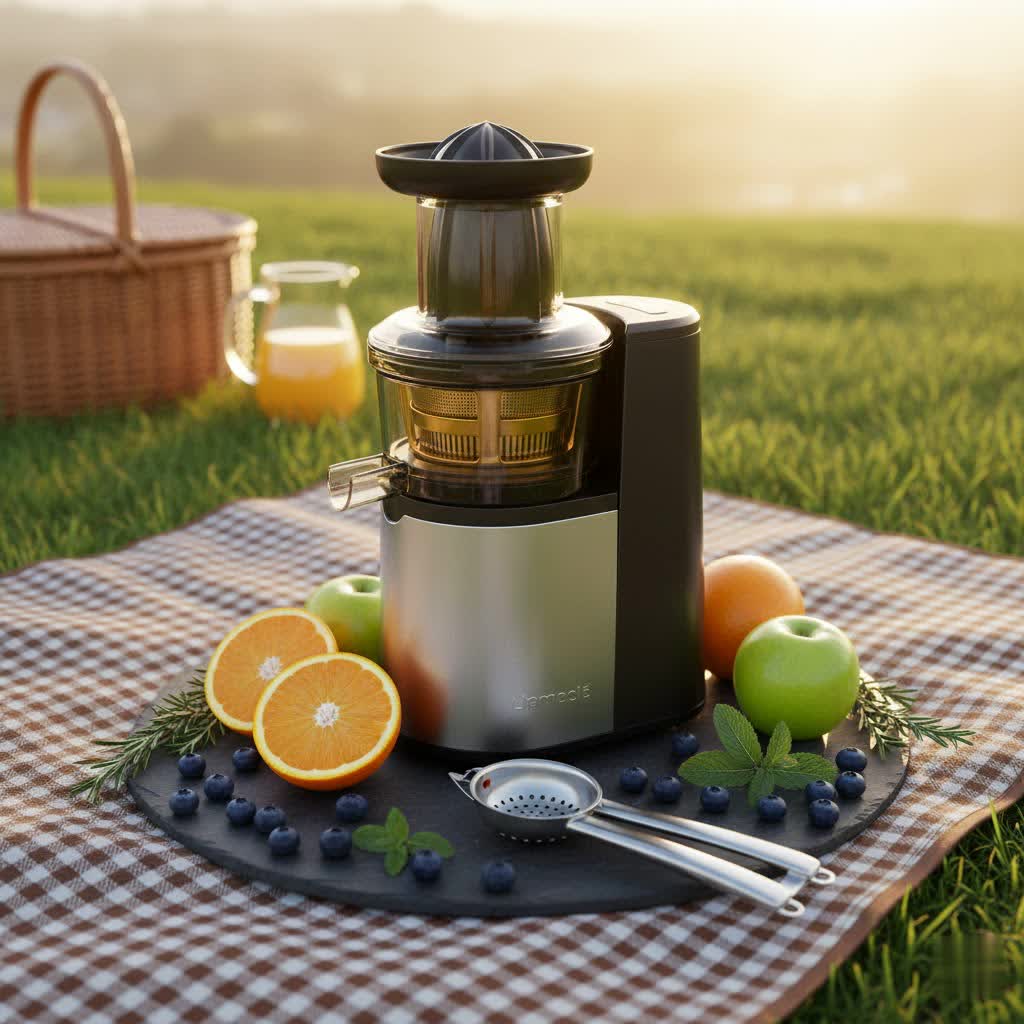
What is a Juicer Machine and Why Do You Need One?
A juicer machine is a kitchen appliance designed to extract liquid from fruits and vegetables, separating the juice from the fibrous pulp. These versatile devices allow you to consume a concentrated dose of nutrients, making it easier to reach your recommended daily servings of produce. Beyond convenience, fresh juices offer numerous health benefits, including improved digestion, enhanced energy levels, and a strengthened immune system.
Many people find it challenging to eat enough fruits and vegetables each day due to taste preferences or busy schedules. A juicer machine offers a convenient solution, enabling you to combine various ingredients into a single, palatable drink. It’s an excellent way to introduce new flavors and nutrients into your diet, even for picky eaters, and helps reduce food waste by utilizing produce that might otherwise go uneaten.
Common Types of Vegetable Fruit Juicer Machines
The market offers several types of vegetable fruit juicer machines, each with distinct mechanisms, advantages, and disadvantages. Understanding these differences is crucial for selecting a machine that aligns with your juicing habits and desired juice quality.
Centrifugal Juicers
Centrifugal juicers are often the entry-point for many juicing enthusiasts, known for their speed and affordability. They operate by shredding fruits and vegetables with a rapidly spinning blade against a mesh filter, using centrifugal force to separate the juice from the pulp.
- Pros:
- Speed: They extract juice very quickly, often in seconds, making them ideal for busy mornings.
- Affordability: Generally less expensive than other types, making them budget-friendly.
- Ease of Use: Simple operation with often minimal pre-cutting required for larger produce due to wider feed chutes.
- Cons:
- Oxidation & Heat: The high-speed spinning generates heat and introduces more air, leading to faster oxidation of nutrients and a shorter shelf life for the juice. Juice can be frothy and may separate quickly.
- Lower Yield: They tend to extract less juice, especially from leafy greens and soft fruits, resulting in wetter pulp and more waste.
- Noise: Can be quite noisy during operation, similar to a blender.
- Best for: Beginners, those on a budget, and individuals who prioritize speed and primarily juice harder fruits and vegetables like apples and carrots.
|
Our Picks for the Best Fruit Juicer in 2026
As an Amazon Associate I earn from qualifying purchases.
|
||
| Num | Product | Action |
|---|---|---|
| 1 | Juicer Machine, 800W Centrifugal Juicer Extractor with Wide Mouth 3” Feed Chute for Fruit Vegetable, Easy to Clean, Stainless Steel, BPA-free (Metallic Red) |

|
| 2 | Juicer Machine, 800W Centrifugal Juicer Extractor with Wide Mouth 3” Feed Chute for Fruit Vegetable, Easy to Clean, Stainless Steel, BPA-free (Gold) |
|
| 3 | Juicer Machine, 800W Centrifugal Juicer Extractor with Wide Mouth 3” Feed Chute for Fruit Vegetable, Easy to Clean, Stainless Steel, BPA-free (Metallic Black) |
|
| 4 | Juicer Machine, 800W Centrifugal Juicer Extractor with Wide Mouth 3” Feed Chute for Fruit Vegetable, Easy to Clean, Stainless Steel, BPA-free (Green) |
|
| 5 | QCen Juicer Machine, 500W Centrifugal Juicer Extractor with Wide Mouth 3” Feed Chute for Fruit Vegetable, Easy to Clean, Stainless Steel, BPA-free (Green) |
|
| 6 | Qcen Juicer Machine, 800W Centrifugal Juicer Extractor with Wide Mouth 3” Feed Chute for Fruit Vegetable, Easy to Clean, Stainless Steel, BPA-free (Black) |
|
| 7 | QCen Juicer Machine, 500W Centrifugal Juicer Extractor with Wide Mouth 3” Feed Chute for Fruit Vegetable, Easy to Clean, Stainless Steel, BPA-free (Aqua) |
|
| 8 | Juicer Machine, 800W Centrifugal Juicer Extractor with Wide Mouth 3” Feed Chute for Fruit Vegetable, Easy to Clean, Stainless Steel, BPA-free (Aqua) |
|
| 9 | QCen Juicer Machine, 500W Centrifugal Juicer Extractor with Wide Mouth 3” Feed Chute for Fruit Vegetable, Easy to Clean, Stainless Steel, BPA-free (Gold) |
|
| 10 | Qcen Juicer Machine, 500W Centrifugal Juicer Extractor with Wide Mouth 3” Feed Chute for Fruit Vegetable, Easy to Clean, Stainless Steel, BPA-free (Black) |
|
Masticating (Slow/Cold Press) Juicers
Masticating juicers, also known as slow juicers or cold press juicers, operate at a much slower speed. They use a single auger (a screw-like mechanism) to crush and press produce, thoroughly extracting juice. This gentle process minimizes heat buildup and oxidation, preserving more enzymes and nutrients.
- Pros:
- High Juice Quality: Produces nutrient-dense juice with minimal oxidation, resulting in vibrant colors, better flavor, and a longer shelf life (up to 48-72 hours when stored properly).
- Higher Yield: More efficient at extracting juice from a wider range of produce, including leafy greens, wheatgrass, and soft fruits, leading to drier pulp and less waste.
- Versatility: Many models can also make nut milks, sorbets, baby food, and even pasta.
- Quiet Operation: Significantly quieter than centrifugal juicers.
- Cons:
- Speed: The juicing process is slower, requiring more time.
- Price: Generally more expensive than centrifugal juicers.
- Prep Work: Often requires more pre-cutting of ingredients due to smaller feed chutes.
- Cleaning: Can have more parts, making cleanup slightly more involved, though many now feature dishwasher-safe components.
- Best for: Health enthusiasts, those who juice regularly, individuals prioritizing nutrient retention and juice quality, and those who frequently juice leafy greens and wheatgrass.
Triturating (Twin Gear) Juicers
Triturating juicers, also known as twin gear juicers, are considered the most advanced type of masticating juicer. They feature two interlocking gears that grind and press produce with extreme thoroughness, achieving the highest possible juice yield and nutrient extraction.
- Pros:
- Maximum Yield & Nutrient Retention: Unmatched efficiency in extracting juice and preserving nutrients, producing incredibly dry pulp.
- Exceptional Juice Quality: The least oxidation and heat generation, leading to the highest quality, most enzyme-rich juice with the longest shelf life.
- Versatility: Can handle almost any produce, including tough fibrous greens and sprouts, and can often be used for making nut butters, purees, and even grinding coffee.
- Cons:
- Highest Price: These are typically the most expensive juicer machines on the market.
- Slowest Operation: The process is very slow due to the intricate grinding mechanism.
- Complex Cleaning: Generally has more components and can be the most challenging to clean.
- Bulky: Often larger and heavier, requiring more counter or storage space.
- Best for: Dedicated juicers, raw food enthusiasts, those undergoing juice fasts or nutritional therapy, and anyone seeking the absolute highest quality juice and maximum yield regardless of cost or time.
Detailed Comparison Table: Choosing Your Ideal Juicer
| Feature | Centrifugal Juicers | Masticating (Slow) Juicers | Triturating (Twin Gear) Juicers |
|---|---|---|---|
| Speed | Very Fast | Slow | Very Slow |
| Juice Quality | Good (more oxidation, foam, shorter shelf life) | Excellent (minimal oxidation, rich nutrients, longer shelf life) | Superior (virtually no oxidation, maximum nutrients, longest shelf life) |
| Juice Yield | Moderate (wetter pulp) | High (drier pulp) | Highest (bone-dry pulp) |
| Ingredients | Best for hard fruits/veg; struggles with leafy greens, soft fruits | All-rounder: excellent for leafy greens, soft/hard fruits, wheatgrass | Best for all, especially fibrous greens, wheatgrass, sprouts |
| Nutrient Retention | Moderate (heat can degrade some nutrients) | High (low heat, preserves enzymes) | Highest (ultra-low heat, maximum preservation) |
| Price Range | Low to Medium | Medium to High | High to Premium |
| Noise Level | Loud | Quiet | Very Quiet |
| Ease of Cleaning | Fair (some dishwasher-safe parts, but mesh can clog) | Good (often fewer parts, many dishwasher-safe) | Fair to Complex (more parts, intricate gears) |
| Footprint | Varies, often tall | Varies, horizontal or vertical | Often large and heavy |
Top-Rated Vegetable Fruit Juicer Machines for Every Need
When searching for the best vegetable fruit juicer machine, consider models that consistently receive high marks for performance, durability, and user experience. While specific model names can vary, understanding the characteristics that make a juicer stand out will guide your choice.
For overall versatility and excellent nutrient retention, masticating juicers with wide feed chutes are highly favored. These often excel in handling a diverse range of produce, from crunchy carrots to delicate spinach, with minimal pre-cutting. Look for features like durable augers and quiet motors, which are hallmarks of quality slow juicers. Many top-rated models in this category also offer attachments for making sorbets or nut butter, enhancing their value.
If speed and convenience are your top priorities, leading centrifugal juicers are designed to deliver quick results. The best options in this category feature powerful motors that efficiently process hard produce and pulp containers with generous capacity. While they may produce more foam, advancements in technology have led to models that minimize oxidation better than older designs. They often come with easily detachable, dishwasher-safe parts for rapid cleanup.
For those dedicated to maximizing every drop of nutrient and tackling the most challenging ingredients like wheatgrass, premium twin gear juicers are unparalleled. These machines, though a significant investment, are built for superior extraction and longevity. They are often constructed with high-grade materials and are designed for heavy-duty, consistent use, ensuring you get the most out of your organic produce.
> “The best juicer isn’t just about price or brand; it’s about matching the machine’s capabilities to your personal juicing frequency, the types of ingredients you prefer, and your commitment to nutrient quality.” – Dr. Emily R. Hayes, Nutritional Scientist & Author of ‘Juice Your Way to Wellness’
Your Ultimate Guide to Choosing the Right Juicer
Selecting the perfect vegetable fruit juicer machine is a personal decision based on your specific needs and preferences. Here’s a breakdown of key factors to consider:
1. Identify Your Usage Needs
- What types of produce will you juice most often? If leafy greens, wheatgrass, and soft fruits are staples, a masticating or triturating juicer is superior. For hard fruits and vegetables, a centrifugal juicer can be efficient.
- How often will you juice? Daily juicers might benefit from a higher-quality, more durable, and easier-to-clean masticating or twin gear model, justifying a higher initial investment. Occasional juicers might find a centrifugal model more suitable.
- How much juice do you need? Consider the capacity of the juicer and its pulp container. If you’re juicing for a family or batch-making, a larger model will save time.
2. Budget Considerations
Juicer machines vary widely in price, from under $100 to over $1000.
- Entry-level centrifugal juicers are the most affordable, typically ranging from $50-$150.
- Mid-range masticating juicers usually fall between $150-$400.
- High-end masticating and triturating juicers can cost anywhere from $400 to over $1000.
Remember that a higher upfront cost for a quality masticating or twin gear juicer can often be offset by greater juice yield, meaning less produce waste and potentially more savings on groceries over time.
3. Other Essential Factors
- Ease of Cleaning: This is a critical factor influencing how often you’ll actually use your juicer. Look for models with fewer parts, wider chutes, and dishwasher-safe components. Some juicers come with special cleaning brushes to help with mesh screens.
- Noise Level: Centrifugal juicers are notoriously loud. If you live in an apartment, have young children, or prefer quiet mornings, a masticating or twin gear juicer will be a better choice.
- Kitchen Space: Consider the size and footprint of the machine. Some juicers are quite bulky and require significant counter or storage space. Vertical masticating juicers often have a smaller footprint than horizontal ones.
- Durability and Warranty: Invest in a juicer from a reputable brand that offers a solid warranty. This indicates the manufacturer’s confidence in their product’s longevity. Stainless steel and BPA-free plastics are preferred materials.
- Feed Chute Size: A wider feed chute means less pre-cutting, saving you preparation time. However, smaller chutes are common in masticating juicers, ensuring proper mastication.
Essential Tips for Using and Maintaining Your Vegetable Fruit Juicer Machine
Proper usage and regular maintenance are key to ensuring your vegetable fruit juicer machine operates efficiently and lasts for years.
How to Use Your Juicer Effectively:
- Prepare Your Produce: Wash all fruits and vegetables thoroughly. For centrifugal juicers, softer items like berries might be better alternated with harder produce to push them through. For masticating juicers, cut produce into smaller, manageable pieces to fit the chute and prevent clogging. Remove pits from fruits like peaches or cherries.
- Feed Gradually: Don’t overload the juicer. Feed produce slowly and steadily, allowing the machine to process each piece effectively. Use the tamper or plunger provided to gently guide ingredients.
- Alternate Ingredients: When juicing a mix of soft and hard produce, alternate between them. Harder items can help push softer ones through the juicing mechanism.
- Enjoy Immediately: For best taste and nutrient retention, consume your fresh juice as soon as possible, especially juice from centrifugal models. If storing, do so in an airtight container in the refrigerator for 24-72 hours, depending on the juicer type and ingredients.
Cleaning and Storage Tips:
- Clean Immediately: The most important rule for juicer maintenance is to clean it immediately after use. This prevents pulp from drying and sticking to parts, making cleanup much easier.
- Disassemble Carefully: Follow your juicer’s manual for proper disassembly. Most parts can be rinsed under warm running water.
- Brush the Mesh Screen: The mesh screen (especially in centrifugal juicers) can trap fine pulp. Use the cleaning brush provided with your juicer to scrub it thoroughly.
- Dishwasher Safe Parts: If parts are dishwasher safe, take advantage of this convenience. Otherwise, hand wash with mild soap and water.
- Dry Completely: Ensure all parts are completely dry before reassembling or storing to prevent mold or mildew growth.
- Store Properly: Store your juicer in a clean, dry place. If space is an issue, consider models that are more compact or can be easily disassembled for storage.
> “A well-maintained juicer isn’t just a clean appliance; it’s an investment in consistent nutrient extraction and a testament to sustainable living in the kitchen.” – Chef Lena Petrov, Culinary Innovator and Advocate for Fresh Produce
Troubleshooting Common Juicer Problems and How to Fix Them
Even the best vegetable fruit juicer machine can encounter occasional issues. Here are some common problems and their solutions:
1. Juicer Not Turning On
- Check Power Connection: Ensure the juicer is securely plugged into a working outlet.
- Safety Features: Many juicers have safety interlocks. Make sure all parts are correctly assembled and locked into place according to the manual. If even one component isn’t properly aligned, the juicer won’t start.
- Overheat Protection: If the juicer has been running for a long time or processing very tough ingredients, it might have an overheat protection feature. Unplug it and let it cool down for 20-30 minutes before trying again.
2. Machine Gets Jammed or Clogged
- Too Much Produce: You might be feeding ingredients too quickly or overloading the chute. Stop the machine, clear the blockage, and feed produce more slowly.
- Incorrect Cutting: For masticating juicers, produce might be cut into pieces that are too large or fibrous. Cut ingredients into smaller, thinner pieces.
- Fibrous Ingredients: Long, fibrous greens (like celery or kale stems) can wrap around the auger or blade. Try alternating them with harder fruits, or trim them into shorter segments. Many slow juicers have a reverse function that can help clear minor jams.
3. Juice is Pulpy or Has Too Much Foam
- Centrifugal Juicers: Some foam and pulp are normal for centrifugal juicers due to their high-speed operation. If it’s excessive, ensure the mesh screen is clean and not clogged. You can strain the juice afterward if desired.
- Masticating Juicers: While masticating juicers produce less foam and drier pulp, excessive pulp in the juice could indicate a clogged screen or incorrect assembly. Disassemble and clean the screen thoroughly. Check that the pulp outlet is clear.
- Soft Fruits: Very soft or overripe fruits can sometimes lead to more pulp. Try mixing them with firmer ingredients.
4. Low Juice Yield
- Type of Juicer: Centrifugal juicers naturally have a lower yield than masticating or triturating models.
- Produce Quality: Fresh, firm, and ripe produce generally yields more juice than old or soft produce.
- Incorrect Feeding: Ensure you’re feeding produce slowly and allowing the machine to fully extract juice before adding more.
Where to Purchase Your Vegetable Fruit Juicer Machine
Finding a reliable vegetable fruit juicer machine is easier than ever with numerous purchasing options available.
- Online Retailers: Websites like Amazon, Williams Sonoma, and manufacturer-specific sites (e.g., Omega, NutriBullet, Kuvings, Breville) offer a vast selection, often with competitive pricing and customer reviews. Online shopping provides convenience and the ability to compare models side-by-side from the comfort of your home.
- Department and Appliance Stores: Major retailers often carry a selection of popular juicer brands. Shopping in-store allows you to see the machines firsthand, assess their size, and sometimes even get demonstrations or advice from sales associates.
- Specialty Health Food Stores: Some health food or natural appliance stores might offer a curated selection of high-end masticating and triturating juicers, often with knowledgeable staff.
When buying online, always check the seller’s return policy, warranty information, and read recent customer reviews to gauge satisfaction and identify potential issues. Look for clear product specifications regarding motor power, materials, and cleaning instructions. Reputable brands with strong customer support are always a safe bet.
Conclusion
Investing in a vegetable fruit juicer machine is a proactive step towards a healthier, more vibrant lifestyle. Whether you opt for the rapid efficiency of a centrifugal model, the nutrient-preserving power of a masticating juicer, or the ultimate extraction of a twin gear machine, the benefits of fresh, homemade juice are undeniable. By understanding the different types, considering your personal needs, and committing to proper maintenance, you can select the perfect juicer to seamlessly integrate wholesome nutrition into your daily routine. Take the plunge, explore the colorful world of juicing, and unlock a new dimension of wellness.
What delicious juice concoctions will you create first with your new vegetable fruit juicer machine?
Frequently Asked Questions
What is the difference between a juicer and a blender?
A juicer extracts the liquid from fruits and vegetables, separating it from the pulp and fiber, resulting in a smooth drink. A blender, on the other hand, pulverizes whole ingredients, including the fiber, into a thick consistency like a smoothie.
Can I juice frozen fruits and vegetables?
It’s generally not recommended to juice frozen fruits and vegetables directly as they can be too hard for most juicer motors and augers, potentially causing damage. Thaw them completely before juicing for optimal results.
How much fruit and vegetable do I need for one glass of juice?
The amount of produce needed varies significantly based on the type of juicer and the ingredients. Generally, you’ll need a substantial amount of produce, often 1-2 pounds, to yield an 8-12 ounce glass of juice, especially for low-water content vegetables.
Is juicing better than eating whole fruits and vegetables?
Juicing provides a concentrated dose of nutrients that can be quickly absorbed by the body. However, it removes much of the beneficial fiber found in whole produce. While juicing is a great supplement, it should not entirely replace eating whole fruits and vegetables, which are essential for digestive health.
How do I prevent my juice from oxidizing?
To minimize oxidation, use a masticating or twin gear juicer, as they generate less heat and air. Store your freshly made juice immediately in an airtight container, filled to the brim to reduce air exposure, and refrigerate it. Add a squeeze of lemon or lime juice for natural preservation.
Can I put the pulp back into the juice for added fiber?
While you can add some pulp back into your juice for extra fiber, remember that juicing is primarily about extracting liquid. If you want a thicker, fiber-rich drink, a smoothie made in a blender might be a better option.
What are some good beginner juice recipes?
For beginners, try simple combinations like apple and carrot, orange and ginger, or a basic green juice with apple, cucumber, and a handful of spinach. These combinations are generally palatable and easy to juice.
