Embracing a healthier lifestyle often begins in the kitchen, and for many, that journey includes fresh, homemade juice. Have you ever wondered if there’s a simpler way to unlock the vibrant nutrients from your favorite fruits and vegetables without the manual effort? An automatic fruit juicer might be the game-changer you need. This comprehensive guide will walk you through everything about these modern kitchen marvels, helping you make an informed decision for your health and family.
What is an Automatic Fruit Juicer? Why You Need One?
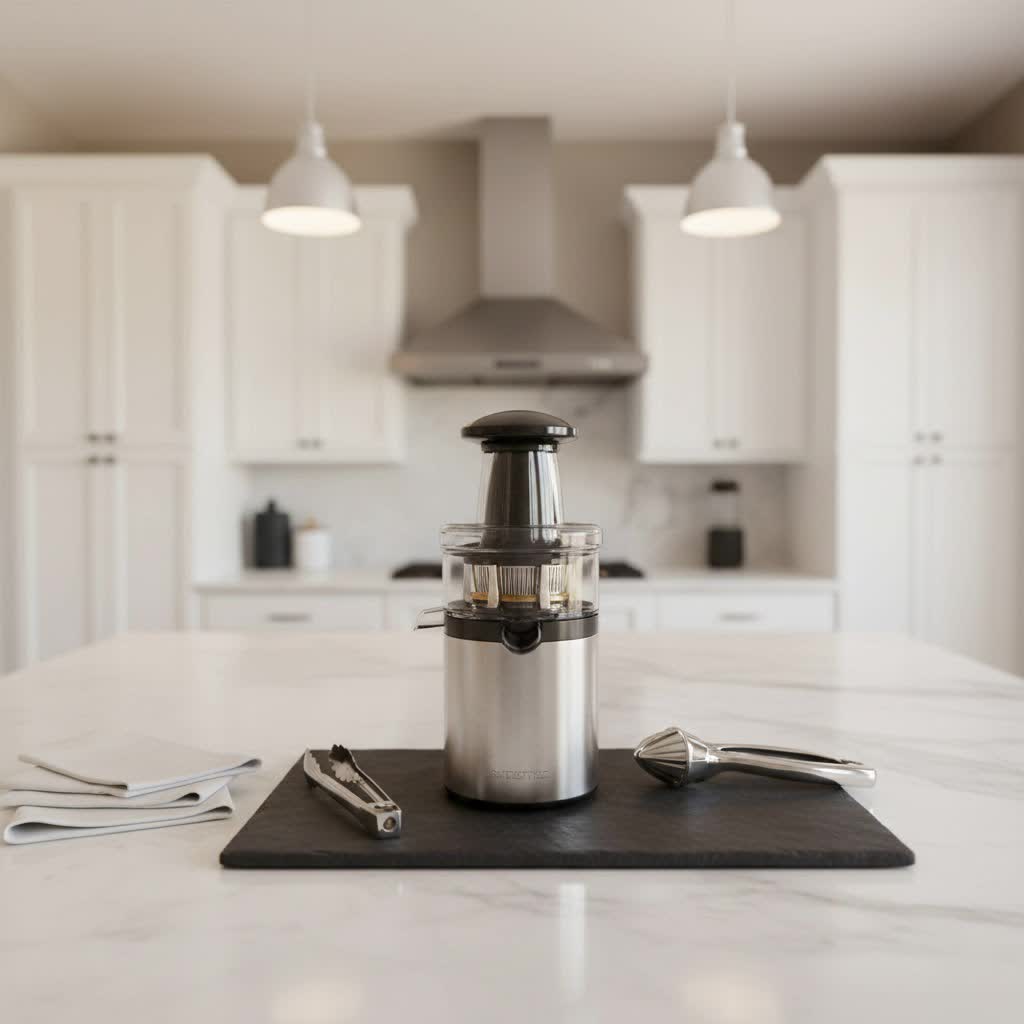
An automatic fruit juicer is an electric appliance designed to extract juice from fruits, vegetables, and leafy greens with minimal manual intervention. Unlike traditional manual juicers that require significant physical effort, automatic models handle the crushing, grinding, or pressing process efficiently, delivering fresh juice at the touch of a button. They transform the laborious task of juicing into a quick and enjoyable part of your daily routine.
The primary reason to invest in an automatic fruit juicer is the unparalleled health benefits of consuming fresh, living juice. Packed with vitamins, minerals, and enzymes, fresh juice can boost immunity, improve digestion, increase energy levels, and contribute to overall well-being. Furthermore, making your own juice allows you to control the ingredients, avoiding added sugars, preservatives, and artificial flavors often found in store-bought options. It’s a convenient way to significantly increase your daily intake of fruits and vegetables, especially for those with busy schedules or picky eaters in the family.
Exploring the Popular Types of Automatic Fruit Juicers
The world of automatic fruit juicers offers a variety of technologies, each with its unique approach to juice extraction. Understanding these differences is key to choosing the best machine for your needs. The main categories you’ll encounter are centrifugal, masticating (slow), and triturating (twin gear) juicers.
Centrifugal Juicers
Centrifugal juicers are often the entry point for many aspiring juicers due to their speed and affordability. They operate by using a rapidly spinning metal blade that grates produce against a mesh filter. The centrifugal force then separates the pulp from the juice, which is collected in a separate container.
- Advantages: These machines are remarkably fast, processing fruits and vegetables in mere seconds, making them ideal for quick morning routines. Their generally lower price point also makes them an attractive option for beginners or those on a budget. Cleaning is often straightforward with many parts being dishwasher- safe.
- Disadvantages: The high-speed rotation generates heat and introduces air into the juice, which can lead to oxidation and a reduction in nutrient content and shelf life. They also produce more foam and are less efficient at juicing leafy greens or soft fruits, often leaving wetter pulp.
- Best For: Individuals new to juicing, those prioritizing speed and convenience, and who mainly juice harder fruits and vegetables like apples, carrots, and celery. They are a good choice if you’re not overly concerned with maximizing nutrient retention to the absolute highest degree.
|
Our Picks for the Best Fruit Juicer in 2026
As an Amazon Associate I earn from qualifying purchases.
|
||
| Num | Product | Action |
|---|---|---|
| 1 | Juicer Machine, 800W Centrifugal Juicer Extractor with Wide Mouth 3” Feed Chute for Fruit Vegetable, Easy to Clean, Stainless Steel, BPA-free (Green) |

|
| 2 | Juicer Machine, 800W Centrifugal Juicer Extractor with Wide Mouth 3” Feed Chute for Fruit Vegetable, Easy to Clean, Stainless Steel, BPA-free (Metallic Black) |
|
| 3 | Juicer Machine, 800W Centrifugal Juicer Extractor with Wide Mouth 3” Feed Chute for Fruit Vegetable, Easy to Clean, Stainless Steel, BPA-free (Metallic Red) |
|
| 4 | Juicer Machine, 800W Centrifugal Juicer Extractor with Wide Mouth 3” Feed Chute for Fruit Vegetable, Easy to Clean, Stainless Steel, BPA-free (Aqua) |
|
| 5 | Qcen Juicer Machine, 500W Centrifugal Juicer Extractor with Wide Mouth 3” Feed Chute for Fruit Vegetable, Easy to Clean, Stainless Steel, BPA-free (Black) |
|
| 6 | QCen Juicer Machine, 500W Centrifugal Juicer Extractor with Wide Mouth 3” Feed Chute for Fruit Vegetable, Easy to Clean, Stainless Steel, BPA-free (Green) |
|
| 7 | Qcen Juicer Machine, 800W Centrifugal Juicer Extractor with Wide Mouth 3” Feed Chute for Fruit Vegetable, Easy to Clean, Stainless Steel, BPA-free (Black) |
|
| 8 | Juicer Machine, 800W Centrifugal Juicer Extractor with Wide Mouth 3” Feed Chute for Fruit Vegetable, Easy to Clean, Stainless Steel, BPA-free (Gold) |
|
| 9 | QCen Juicer Machine, 500W Centrifugal Juicer Extractor with Wide Mouth 3” Feed Chute for Fruit Vegetable, Easy to Clean, Stainless Steel, BPA-free (Gold) |
|
| 10 | QCen Juicer Machine, 500W Centrifugal Juicer Extractor with Wide Mouth 3” Feed Chute for Fruit Vegetable, Easy to Clean, Stainless Steel, BPA-free (Aqua) |
|
Masticating (Slow) Juicers
Masticating juicers, also known as slow juicers or cold press juicers, live up to their name by mimicking the chewing process. They use a single auger (a spiral-shaped screw) to slowly crush and press produce against a screen, thoroughly extracting the juice. This gentle, low-speed process minimizes heat buildup and oxidation.
- Advantages: The slow extraction method preserves more vitamins, minerals, and enzymes, resulting in a higher quality, more vibrant juice with a longer shelf life. They are exceptionally efficient at juicing a wide variety of produce, including fibrous leafy greens, wheatgrass, herbs, and soft fruits, yielding a drier pulp. Many models also offer additional functionalities like making nut butter, sorbets, or pasta.
- Disadvantages: Their primary drawback is the slower processing time compared to centrifugal models, requiring more patience. Masticating juicers also tend to be more expensive upfront.
- Best For: Health-conscious individuals seeking the highest nutritional value from their juice, those who frequently juice leafy greens and soft fruits, and anyone willing to invest more for superior juice quality and versatility.
Triturating (Twin Gear) Juicers
Triturating juicers, often referred to as twin-gear juicers, represent the pinnacle of juicing technology. They feature two interlocking gears that rotate inward, grinding and pressing produce with extreme precision. This method achieves the most thorough extraction and highest nutrient preservation.
- Advantages: These machines extract the maximum amount of juice from nearly any produce, including tough leafy greens and wheatgrass, resulting in the driest pulp and the most nutrient-dense juice. The juice has an excellent texture and the longest shelf life. Some can even perform food processing tasks like grinding coffee or making baby food.
- Disadvantages: Triturating juicers are typically the most expensive type and can be more cumbersome to clean due to their multiple parts. They also require more preparation time for produce due to smaller feeding chutes.
- Best For: Dedicated juicing enthusiasts, those on specific health protocols, and anyone demanding the absolute highest yield and nutritional purity from their produce, regardless of cost or extra effort.
Detailed Comparison Table of Automatic Fruit Juicers
To help you visualize the differences, here’s a breakdown of key criteria across the main types of automatic fruit juicers:
| Feature | Centrifugal Juicers | Masticating (Slow) Juicers | Triturating (Twin Gear) Juicers |
|---|---|---|---|
| Juicing Speed | Very Fast | Slow | Slow |
| Juice Quality | Good (some oxidation, foam) | Excellent (minimal oxidation, high nutrients) | Superior (maximum nutrients, longest shelf life) |
| Yield | Moderate (wet pulp) | High (dryer pulp) | Highest (very dry pulp) |
| Produce Versatility | Best for hard fruits/veg; struggles with leafy greens | Excellent for all produce, especially leafy greens | Exceptional for all produce, including wheatgrass |
| Price Range | Low to Mid | Mid to High | High to Premium |
| Noise Level | Loud | Quiet | Quiet |
| Ease of Cleaning | Fairly easy | Moderate (can have more parts) | Can be more complex |
| Oxidation & Foam | High | Low | Very Low |
| Additional Functions | Rarely | Often (nut butter, sorbet, pasta) | Sometimes (grinding, food processing) |
Top Automatic Fruit Juicers Loved by Users
Choosing a top automatic fruit juicer depends heavily on individual needs and budget. However, certain models consistently receive high praise for their performance, durability, and user experience. Here are a few examples across different categories that illustrate what to look for:
- For Beginners (Centrifugal): Breville Juice Fountain Cold Plus. This model stands out for its powerful motor, wide chute, and “Cold Spin Technology” that aims to mitigate heat transfer, providing a decent juice quality for a centrifugal machine. It’s fast, efficient, and relatively easy to clean, making it a popular choice for those new to juicing. Users often praise its robust build and quick operation.
- Best Overall (Masticating): Omega J8006HDS Nutrition Center. A long-standing favorite, the Omega J8006HDS is renowned for its durability, high juice yield, and versatility. It excels at juicing leafy greens and hard produce, and its low speed ensures maximum nutrient retention. Beyond juicing, it can also make nut butter, grind coffee, and extrude pasta. This “workhorse” juicer is a top recommendation for serious home juicers.
- Premium Performance (Masticating/Triturating): Hurom HZ Slow Juicer or Green Star Elite Cold Press Juicer. The Hurom HZ offers a sleek design and excellent performance with a focus on cold-press technology, providing superior juice quality and quiet operation. It’s often highlighted for its self-cleaning function and aesthetic appeal. For those seeking triturating power, the Green Star Elite is a powerhouse, delivering exceptionally high yields and nutrient preservation, particularly with fibrous greens. While pricier, its robust construction and unmatched extraction capabilities make it a worthy investment for dedicated users.
These examples illustrate the range of features and price points available. When researching, look for models with strong user reviews, reliable warranties, and features that align with your specific juicing habits.
How to Choose the Right Automatic Fruit Juicer for You
Selecting the perfect automatic fruit juicer doesn’t have to be overwhelming. By considering a few key factors, you can narrow down your options and find a machine that fits your lifestyle.
Determine Your Usage Needs
Start by evaluating what and how much you plan to juice. Do you primarily want to juice hard fruits like apples and carrots, or are leafy greens, herbs, and soft berries your main focus?
If you’re an avid green juice drinker, a masticating or triturating juicer will offer superior results. For occasional use with harder produce, a centrifugal model might suffice. Also, consider the quantity: if you’re juicing for a family, a juicer with a larger capacity or faster processing time might be more suitable. If you aim to incorporate juicing into your daily health regimen, investing in a higher-quality masticating juicer will yield better long-term satisfaction.
Set Your Budget
Automatic fruit juicers range widely in price, from under $100 to over $600. Generally, centrifugal juicers are the most affordable, followed by masticating, and then triturating models.
Decide how much you are willing to spend. Remember, a higher price often correlates with better juice quality, yield, durability, and versatility. While a budget-friendly option can get you started, a mid-range or premium juicer might be a better long-term investment if you’re serious about juicing. Consider the cost-per-use over the lifespan of the appliance.
Evaluate Other Important Factors
Beyond type and budget, several other considerations can influence your decision:
- Noise Level: Centrifugal juicers tend to be very loud, while masticating and triturating models operate much more quietly. If you plan to juice early in the morning or late at night, a quieter model is a significant advantage.
- Ease of Cleaning: This is a crucial factor, as a difficult-to-clean juicer often ends up unused in the back of a cabinet. Look for models with fewer parts, dishwasher-safe components, and cleaning brushes included. Some modern juicers feature self-rinsing functions or simplified designs for quicker cleanup.
- Footprint and Storage: Juicers can be bulky. Measure your counter space and consider where you will store the juicer when not in use. Compact designs are available, but they might compromise on features or chute size.
- Chute Size: A wider feeding chute means less pre-cutting of fruits and vegetables, saving you prep time. Centrifugal juicers typically have wider chutes than slow juicers, though some masticating models now offer wider openings.
- Warranty: A longer warranty period indicates the manufacturer’s confidence in their product’s durability. This is especially important for more expensive juicers.
Essential Tips for Using and Maintaining Your Automatic Fruit Juicer
To ensure you get the most out of your automatic fruit juicer and extend its lifespan, proper usage and diligent maintenance are key.
How to Use Your Automatic Juicer Correctly
- Prepare Produce: Wash all fruits and vegetables thoroughly. Depending on your juicer’s chute size, you may need to peel some items (like oranges or pineapples) and chop produce into smaller, manageable pieces to prevent clogging, especially with masticating juicers. Remove pits and large seeds.
- Assemble Correctly: Always ensure all parts of your juicer are securely assembled according to the manufacturer’s instructions before plugging it in and turning it on.
- Feed Slowly: For optimal extraction, especially with masticating juicers, feed produce into the chute slowly and steadily. Overloading the juicer can cause it to jam or reduce its efficiency. Use the provided food pusher, but avoid forcing ingredients.
- Alternate Hard and Soft: When juicing a mix of ingredients, alternate between harder and softer items. For example, follow leafy greens with a carrot or apple to help push the softer pulp through and maximize extraction.
- Don’t Overfill: Pay attention to the juice and pulp containers. Empty them before they become too full to prevent overflow or back-up.
Cleaning and Storage for Longevity
Cleaning your automatic fruit juicer immediately after each use is paramount. Dried pulp can be incredibly difficult to remove and can harbor bacteria.
- Unplug and Disassemble: Always unplug the juicer before disassembling. Carefully take apart all removable components.
- Rinse Immediately: Rinse all parts under warm running water to remove most of the pulp. Use the cleaning brush (usually included) to scrub the mesh screen, as this is where pulp tends to stick the most.
- Wash with Soap: Wash all components with warm, soapy water. For stubborn residue, a gentle sponge or cloth is effective.
- Dry Thoroughly: Allow all parts to air dry completely or dry them with a clean towel before reassembling or storing. Storing damp parts can lead to mold and mildew.
- Regular Deep Cleaning: Periodically, check your manual for specific deep cleaning instructions, which might involve soaking parts or using vinegar solutions for mineral buildup.
- Proper Storage: Store your juicer in a clean, dry place. If counter space is limited, consider a cabinet, but ensure it’s easily accessible to encourage regular use.
Common Problems When Using Automatic Fruit Juicers and Their Solutions
Even the most reliable automatic fruit juicers can encounter occasional hiccups. Knowing how to troubleshoot common issues can save you frustration and keep your juicing routine smooth.
- Machine Not Turning On:
- Solution: Check if the juicer is properly plugged into a working outlet. Ensure all parts are correctly assembled and locked into place, as many juicers have safety interlocks that prevent operation if not assembled correctly.
- Juicer Getting Clogged or Jammed:
- Solution: This often happens when produce is fed too quickly or in pieces that are too large, especially with slow juicers. Turn off the machine, disassemble, and clear the blockage. For masticating juicers, use the reverse function briefly to clear minor clogs before disassembling. Pre-cut fibrous vegetables and alternate hard and soft ingredients to prevent future clogs.
- Low Juice Yield or Wet Pulp:
- Solution: If you’re getting very wet pulp, especially with a centrifugal juicer, it might be less efficient with certain produce types. For masticating juicers, ensure you’re feeding slowly. With leafy greens, try rolling them into a tight ball before feeding. Some very soft fruits naturally yield less. If the screen is clogged, cleaning it thoroughly can improve yield.
- Excessive Foam in Juice (Centrifugal Juicers):
- Solution: Foam is a common byproduct of centrifugal juicing due to air incorporation. To reduce it, strain the juice through a fine-mesh sieve after juicing. Some high-end centrifugal juicers incorporate technology to minimize foam.
- Juicer Vibrating Excessively or Making Strange Noises:
- Solution: Stop the juicer immediately. Check for any loose parts or foreign objects that might have fallen into the chute. Ensure the juicer is on a stable, flat surface. If the issue persists, consult the user manual or contact customer support.
Where to Buy a Reputable Automatic Fruit Juicer
Purchasing an automatic fruit juicer from a reputable source is crucial to ensure you receive a genuine product with warranty support. Both online and brick-and-mortar stores offer a wide selection.
- Retail Chains and Department Stores: Major appliance retailers like Williams Sonoma, Crate & Barrel, Best Buy, or Bed Bath & Beyond often carry popular juicer brands. This allows you to see the juicers in person, compare sizes, and sometimes even get demonstrations. You also have the benefit of direct customer service for returns or exchanges.
- Online Marketplaces: Websites like Amazon, Walmart.com, Target.com, and manufacturer’s official websites (e.g., OmegaJuicers.com, Hurom.com) offer the widest selection, competitive pricing, and often detailed customer reviews.
- When buying online, always:
- Check Seller Reputation: Ensure you are buying from the official brand store or a highly-rated, authorized reseller.
- Read Reviews: Pay attention to recent reviews about product quality, shipping, and customer service.
- Verify Warranty: Confirm the warranty details and ensure it’s valid for your region.
- When buying online, always:
By choosing a trusted retailer, you safeguard your investment and ensure access to support if needed.
“Investing in an automatic fruit juicer is more than just buying an appliance; it’s investing in your health. The convenience and consistent quality of homemade juice can truly transform your dietary habits.” – Dr. Eleanor Vance, Nutritional Biochemist
Conclusion
An automatic fruit juicer is an invaluable kitchen tool for anyone looking to effortlessly incorporate fresh, nutrient-rich beverages into their daily life. Whether you opt for the speed of a centrifugal model, the superior nutrient retention of a masticating juicer, or the ultimate extraction of a triturating machine, the benefits of homemade juice are undeniable. By understanding the different types, considering your specific needs and budget, and committing to proper use and maintenance, you can select the perfect automatic fruit juicer to support your journey toward vibrant health and well-being.
What kind of delicious juice will you create first with your new automatic fruit juicer?
Frequently Asked Questions
What is the primary difference between an automatic centrifugal juicer and a slow juicer?
The primary difference lies in their extraction method and speed. Automatic centrifugal juicers use fast-spinning blades that generate heat and air, resulting in quicker juicing but potentially less nutrient preservation and more foam. Slow juicers (masticating) use a slower, crushing motion that minimizes heat and oxidation, yielding higher quality, more nutrient-dense juice with less foam, though the process takes longer.
Are automatic fruit juicers difficult to clean?
The ease of cleaning varies significantly by type and model. Centrifugal juicers are often considered easier to clean due to fewer parts, but their mesh screens can be tricky. Masticating juicers may have more parts, but many modern designs focus on simplified disassembly and cleaning. Cleaning immediately after use is crucial for all types to prevent pulp from drying and sticking.
Can I juice leafy greens in any automatic fruit juicer?
While you can technically juice leafy greens in most automatic juicers, masticating (slow) and triturating (twin gear) juicers are far superior for this task. Centrifugal juicers are much less efficient with leafy greens, often yielding very little juice and leaving a lot of wet pulp due to the way they process fibrous ingredients.
Is an automatic fruit juicer worth the investment for a beginner?
Yes, an automatic fruit juicer can be a worthwhile investment for a beginner, especially if you are committed to improving your diet and health. Entry-level centrifugal juicers are affordable and provide an easy way to start. As you become more dedicated, you might consider upgrading to a masticating juicer for higher juice quality and versatility, ensuring you get the best value for your health journey.
