Are you looking for a simple, effective way to boost your daily nutrient intake and enjoy fresh, homemade juice without the fuss of complex electric appliances? A hand fruit juicer machine might be the perfect addition to your kitchen. These compact, often underestimated devices offer a direct route to healthy, delicious beverages, empowering you to take control of what goes into your glass. Forget about added sugars and preservatives found in store-bought options; with a hand juicer, pure, unadulterated goodness is just a squeeze away.
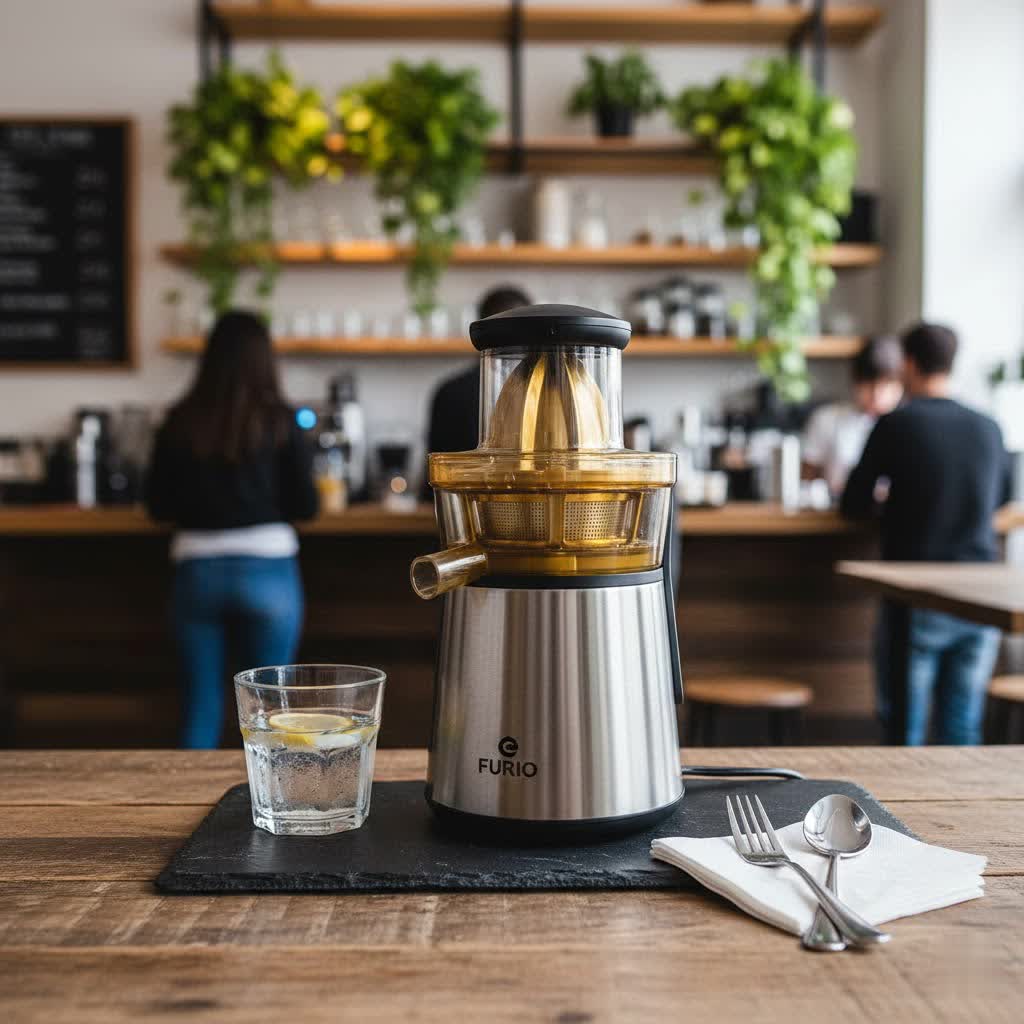
This comprehensive guide will walk you through everything you need to know about hand fruit juicers. We’ll explore their various types, delve into their benefits, help you choose the ideal model for your needs, and provide essential tips for usage and maintenance. Get ready to discover how a small, manual machine can make a big difference in your health and wellness journey.
What is a Hand Fruit Juicer Machine and Why Do You Need One?
A hand fruit juicer machine is a manual device designed to extract juice from fruits and vegetables using human power rather than electricity. These machines come in various forms, but their core purpose remains the same: to efficiently separate liquid from pulp, providing you with fresh juice. In a world increasingly focused on healthy eating and natural ingredients, a hand juicer offers a refreshing alternative to processed drinks and energy-intensive electric appliances.
The benefits of owning a hand fruit juicer are numerous and compelling:
- Superior Nutrient Retention: Manual juicers often operate at slower speeds, especially manual masticating types. This gentle action minimizes heat buildup and oxidation, preserving more vitamins, minerals, and enzymes that can be destroyed by faster, heat-generating electric juicers.
- Portability and No Electricity Required: Enjoy fresh juice anywhere, anytime! Hand juicers are perfect for camping trips, picnics, or even just moving around your kitchen without being tethered to an outlet. Their independence from power sources makes them incredibly versatile.
- Quiet Operation: Unlike noisy electric models, hand juicers operate with minimal sound. You can prepare your morning juice without waking the entire household, creating a more peaceful kitchen environment.
- Cost-Effective and Energy Efficient: Typically, hand juicers are more affordable than their electric counterparts. Furthermore, since they don’t consume electricity, they contribute to lower utility bills and a smaller carbon footprint.
- Easy to Clean: With fewer intricate parts and no complex electronics, most hand juicers are remarkably easy to disassemble and clean, often requiring just a quick rinse under running water.
- Fresh, Preservative-Free Juice: By juicing at home, you have complete control over your ingredients, ensuring your juice is free from artificial additives, sugars, and preservatives. This commitment to fresh, pure ingredients directly supports a healthier lifestyle.
|
Our Picks for the Best Fruit Juicer in 2026
As an Amazon Associate I earn from qualifying purchases.
|
||
| Num | Product | Action |
|---|---|---|
| 1 | QCen Juicer Machine, 500W Centrifugal Juicer Extractor with Wide Mouth 3” Feed Chute for Fruit Vegetable, Easy to Clean, Stainless Steel, BPA-free (Gold) |

|
| 2 | Juicer Machine, 800W Centrifugal Juicer Extractor with Wide Mouth 3” Feed Chute for Fruit Vegetable, Easy to Clean, Stainless Steel, BPA-free (Metallic Red) |
|
| 3 | Juicer Machine, 800W Centrifugal Juicer Extractor with Wide Mouth 3” Feed Chute for Fruit Vegetable, Easy to Clean, Stainless Steel, BPA-free (Aqua) |
|
| 4 | Qcen Juicer Machine, 800W Centrifugal Juicer Extractor with Wide Mouth 3” Feed Chute for Fruit Vegetable, Easy to Clean, Stainless Steel, BPA-free (Black) |
|
| 5 | Juicer Machine, 800W Centrifugal Juicer Extractor with Wide Mouth 3” Feed Chute for Fruit Vegetable, Easy to Clean, Stainless Steel, BPA-free (Gold) |
|
| 6 | Juicer Machine, 800W Centrifugal Juicer Extractor with Wide Mouth 3” Feed Chute for Fruit Vegetable, Easy to Clean, Stainless Steel, BPA-free (Metallic Black) |
|
| 7 | Qcen Juicer Machine, 500W Centrifugal Juicer Extractor with Wide Mouth 3” Feed Chute for Fruit Vegetable, Easy to Clean, Stainless Steel, BPA-free (Black) |
|
| 8 | QCen Juicer Machine, 500W Centrifugal Juicer Extractor with Wide Mouth 3” Feed Chute for Fruit Vegetable, Easy to Clean, Stainless Steel, BPA-free (Aqua) |
|
| 9 | Juicer Machine, 800W Centrifugal Juicer Extractor with Wide Mouth 3” Feed Chute for Fruit Vegetable, Easy to Clean, Stainless Steel, BPA-free (Green) |
|
| 10 | QCen Juicer Machine, 500W Centrifugal Juicer Extractor with Wide Mouth 3” Feed Chute for Fruit Vegetable, Easy to Clean, Stainless Steel, BPA-free (Green) |
|
Exploring the Popular Types of Hand Fruit Juicer Machines
The world of hand fruit juicers is diverse, with different designs optimized for specific types of produce and juicing preferences. Understanding these categories will help you identify which machine best suits your needs.
Manual Citrus Presses (Squeezers)
These are perhaps the most common and recognizable type of hand juicer. They range from simple handheld reamers to more robust clam-shell designs. They are exclusively designed for citrus fruits like lemons, limes, oranges, and grapefruits.
- Pros: They are incredibly fast and efficient for citrus, simple to use, and often very affordable and compact. Many are small enough to store in a drawer.
- Cons: Their utility is limited strictly to citrus fruits, and some designs may allow seeds or excessive pulp to pass into the juice.
- Best for: Daily lemon water, freshly squeezed orange juice for breakfast, or adding lime juice to recipes.
Lever Press Juicers
Lever press juicers, sometimes called “commercial” or “heavy-duty” presses, typically feature a heavy base and a long handle that you pull down to press fruit against a cone or strainer. These are designed for larger citrus fruits, pomegranates, and sometimes even apples (if cut small).
- Pros: They are highly efficient at extracting juice, durable due to their robust construction (often cast iron or stainless steel), and require less physical effort compared to handheld squeezers because of the leverage mechanism. They yield a good amount of juice with minimal pulp.
- Cons: These machines are heavier, take up more counter space, and generally come with a higher price tag. They are also limited to relatively soft, large fruits.
- Best for: Making large batches of orange or grapefruit juice, or tackling notoriously difficult-to-juice fruits like pomegranates.
Manual Masticating/Slow Juicers (Hand-Crank)
Often resembling compact versions of electric slow juicers, these hand-crank models feature an auger that slowly crushes and presses produce against a screen. They are particularly effective for leafy greens, wheatgrass, and a wider variety of fruits and vegetables than press-style juicers.
- Pros: Excel at nutrient retention due to minimal heat and oxidation. They can effectively juice leafy greens, wheatgrass, soft fruits, and even some firmer vegetables when chopped finely. They produce a high-quality, pulp-free juice.
- Cons: Operating these machines is slower and requires more manual effort, as you continuously turn a crank. They are also generally more expensive than simple citrus presses and take longer to disassemble for cleaning.
- Best for: Health enthusiasts focused on maximum nutrient extraction, regularly juicing wheatgrass, kale, spinach, and a diverse range of fruits.
Detailed Comparison Table: Hand Juicer Types
| Feature | Manual Citrus Press (Squeezer) | Lever Press Juicer | Manual Masticating/Slow Juicer (Hand-Crank) |
|---|---|---|---|
| Best For | Lemons, limes, small oranges | Large oranges, grapefruits, pomegranates | Leafy greens, wheatgrass, soft fruits, some firmer veggies |
| Effort | Moderate (direct squeezing) | Low to Moderate (leverage provides power) | High (continuous cranking) |
| Juice Quality | Good (fresh, but can contain pulp/seeds) | Excellent (pulp-free, efficient extraction) | Superior (high nutrient retention, minimal oxidation) |
| Clean-up | Very Easy (1-2 parts to rinse) | Easy (few parts, often just a strainer and cone) | Moderate (more parts, but generally easy to disassemble) |
| Price Range | $10 – $30 | $40 – $100+ | $80 – $200+ |
| Footprint | Very Small | Large, heavy | Small to Moderate (often clamps to counter) |
| Versatility | Low (citrus only) | Moderate (large fruits) | High (greens, soft fruits, some firm produce) |
Top Hand Fruit Juicers on the Market Today
While specific model names can change, focusing on the features that make each type excel will guide you to a top-performing hand juicer. When choosing, look for these characteristics:
- For Citrus Presses: Prioritize an ergonomic design that fits comfortably in your hand or provides good leverage for countertop models. Look for durable materials like stainless steel or sturdy, BPA-free plastic that won’t rust or crack. A good seed filter is also crucial to avoid unwanted bits in your juice.
- For Lever Press Juicers: Seek out machines with a heavy, stable base (often cast iron) to prevent tipping during use. The lever mechanism should feel robust and smooth, indicating quality construction. Stainless steel components for the juicing cone and cup are preferred for hygiene and durability.
- For Manual Masticating Juicers: A strong, efficient auger made from high-quality, food-grade plastic or stainless steel is key for effective crushing. Ensure the machine comes with a secure suction base or a strong clamp to firmly attach it to your countertop, preventing movement during vigorous cranking. BPA-free parts are a must for health and safety. The easier it is to disassemble, the better for cleaning.
How to Choose the Right Hand Fruit Juicer for You
Selecting the perfect hand fruit juicer involves a bit of self-reflection about your habits and preferences. By considering a few key factors, you can narrow down the options and find a machine that truly meets your needs.
Identify Your Juicing Needs
This is the most critical step. What type of fruits or vegetables do you plan to juice most often? If you only want to squeeze lemons and limes for cooking or daily drinks, a simple citrus press is sufficient. If you dream of fresh orange and pomegranate juice, a lever press is ideal. For those who prioritize leafy greens, wheatgrass, or want to explore a wider variety of produce for maximum health benefits, a manual masticating juicer is the way to go. Consider how often you’ll juice and what quantities; a handheld squeezer might be fine for one glass, but a lever press is better for a family’s breakfast.
Consider Materials and Durability
The material of your hand juicer directly impacts its longevity and safety.
- Stainless steel is durable, rust-resistant, and easy to clean, making it a premium choice.
- Cast iron is incredibly robust, particularly for lever presses, offering excellent stability and longevity, though it can be heavy and requires proper care to prevent rust.
- BPA-free plastics are common in citrus reamers and parts of manual masticating juicers. Ensure they are food-grade and certified safe. Avoid flimsy plastics that can crack under pressure.
Ease of Cleaning
No one wants to spend more time cleaning than juicing. Look for hand juicers with minimal parts that are easy to disassemble and reassemble. Dishwasher-safe components are a bonus, but even hand-wash-only models should be straightforward to clean. Quick rinsing immediately after use is always recommended to prevent pulp from drying and sticking.
Portability vs. Stability
Think about where you’ll be using and storing your juicer. Handheld citrus squeezers are highly portable. Lever press juicers are built for stability on a countertop. Manual masticating juicers often come with suction bases or clamps for countertop stability, but they are generally more compact than electric models, making them semi-portable for trips if counter space and a stable surface are available.
Budget
Hand juicers span a wide price range.
- Basic citrus squeezers are very affordable, often under $20.
- Lever press models are in the mid-range, typically $40-$100.
- High-quality manual masticating juicers can be a larger investment, sometimes $80-$200, but offer superior juice quality and versatility.
Set a realistic budget based on your needs and how much you plan to use the juicer.
Essential Tips for Using and Maintaining Your Hand Fruit Juicer
To get the most out of your hand fruit juicer machine and ensure its longevity, proper usage and diligent maintenance are key.
Usage Tips:
- Prepare Your Produce: Wash all fruits and vegetables thoroughly. For citrus, cut them in half. For manual masticating juicers, chop harder or fibrous produce into small, manageable pieces (about 1-inch) to prevent clogging and reduce effort.
- Secure Your Juicer: If using a lever press or hand-crank masticating juicer, ensure it’s firmly secured to a stable countertop using its suction base or clamp before you begin.
- Apply Steady Pressure: Whether you’re squeezing a lemon or turning a crank, use steady, consistent pressure rather than sudden bursts. This maximizes juice extraction and protects your machine.
- Strain If Desired: Some juicers, especially simple presses, may let through a bit of pulp or seeds. Keep a fine-mesh strainer handy if you prefer completely pulp-free juice.
Maintenance Tips:
- Clean Immediately After Use: This is perhaps the most important tip. Residue from fruits and vegetables can dry and harden quickly, making cleaning much more difficult. A quick rinse right after juicing will save you a lot of scrubbing.
- Disassemble and Rinse All Parts: Separate all removable components and rinse them under warm running water. Use a small brush (often included with masticating juicers) to remove any stubborn pulp from screens or crevices.
- Allow to Air Dry Completely: Before reassembling or storing, ensure all parts are thoroughly dry to prevent mold, mildew, and rust, especially on metal components.
- Store Properly: Store your hand juicer in a clean, dry place. If it’s a lever press, consider covering it to protect it from dust.
Common Issues with Hand Fruit Juicers and How to Resolve Them
Even the most straightforward hand fruit juicer machine can occasionally present minor challenges. Here’s how to troubleshoot some common problems:
- Low Juice Yield: If you’re not getting as much juice as you expect, first check the ripeness of your fruit – overripe or underripe produce yields less. Also, ensure you’re using enough steady pressure. For manual masticating juicers, make sure your produce is chopped to the correct size, and you’re not overloading the chute. Sometimes, the issue is simply using the wrong type of juicer for your produce (e.g., trying to juice carrots in a citrus press).
- Difficulty Juicing Hard Produce: Most hand juicers, particularly citrus and lever presses, are not designed for very hard fruits or root vegetables. If you consistently want to juice items like carrots or beets, you’ll need to invest in a robust electric masticating juicer or consider pre-processing (like grating) for manual masticating models, though results may vary.
- Juicer Moving While in Use: For countertop models with suction bases or clamps, this usually means the base isn’t properly secured. Ensure the suction cup is clean and dry, and press it firmly onto a smooth, non-porous surface. If using a clamp, tighten it securely.
- Hard to Clean Due to Stuck Pulp: As mentioned, the best remedy is prevention: clean immediately after use! If pulp has dried, soak the affected parts in warm, soapy water for 10-15 minutes before scrubbing with a brush. A firm bristled brush is often more effective than a sponge for screens.
Where to Purchase a Reliable Hand Fruit Juicer Machine
Finding a quality hand fruit juicer machine is easier than ever, with many reputable avenues available.
Online Retailers:
Major online marketplaces like Amazon, Walmart, and specialty kitchenware e-stores offer a vast selection of hand juicers. These platforms allow you to browse numerous brands and models, compare prices, and read customer reviews, which can be invaluable for making an informed decision. Look for products with high ratings and detailed feedback on durability, ease of use, and cleaning.
Local Kitchenware Stores:
Visiting a physical kitchenware store or a department store with a home goods section allows you to see and feel the juicers in person. You can assess their build quality, weight, and ergonomics, which can be particularly helpful for lever presses and handheld squeezers where comfort and stability are key. Store associates can also often offer expert advice.
Considerations When Buying:
- Customer Reviews: Always check recent reviews for insights into real-world performance and potential issues.
- Return Policy and Warranty: Ensure the retailer offers a reasonable return policy and check if the manufacturer provides a warranty against defects. This adds peace of mind to your purchase.
- Brand Reputation: While not always necessary for simple models, choosing a brand known for quality kitchen appliances can increase your confidence in the product’s longevity and performance.
Conclusion
Embracing a hand fruit juicer machine is a simple yet impactful step towards a healthier lifestyle. Whether you opt for a basic citrus press, a sturdy lever press, or a versatile manual masticating juicer, you’re investing in a tool that delivers fresh, nutrient-rich beverages right in your own kitchen. Their quiet operation, portability, and ease of cleaning make them an attractive choice for anyone seeking pure, unadulterated goodness without the complexities of electric appliances. By making a conscious choice to juice manually, you gain full control over your ingredients, ensuring every glass is packed with the natural vitality your body craves. So, why wait to invigorate your health with the simplicity and power of fresh, homemade juice?
Which hand juicer will become your kitchen’s new best friend?
Frequently Asked Questions
Are hand juicers as effective as electric ones?
Hand juicers, especially masticating types, often produce higher quality juice with more nutrients due to slower extraction and less heat. While they require more manual effort, their efficiency in nutrient preservation can surpass many electric models, making them an excellent choice for health-conscious individuals.
Can I juice leafy greens with a hand fruit juicer?
Yes, certain types of hand juicers are specifically designed for leafy greens and wheatgrass. Manual masticating or hand-crank juicers excel at extracting juice from fibrous greens, yielding nutrient-dense results. Simple citrus presses, however, are not suitable for this purpose.
How much do hand fruit juicer machines cost?
The price range for hand fruit juicer machines varies significantly. Basic handheld citrus squeezers can cost as little as $10-$30. More robust lever-press models might range from $40-$100, while high-quality manual masticating juicers can be $80-$200, depending on materials and features.
Are hand juicers difficult to clean?
Generally, hand juicers are known for being easy to clean because they have fewer parts and no complex electronics. Most components are detachable and can be rinsed under water or placed in a dishwasher. Prompt cleaning immediately after use prevents pulp from drying and sticking, simplifying the process.
What are the main benefits of using a manual juicer?
The main benefits of using a manual juicer include superior nutrient retention due to less heat and oxidation, quiet operation, no electricity requirement making them portable, and often a more compact design. They are also typically more affordable and simpler to maintain compared to electric models.
Can hand juicers handle hard fruits and vegetables like carrots?
While some heavy-duty lever press juicers can handle firmer fruits like pomegranates, most simple hand juicers are not ideal for very hard vegetables like carrots or beets. Manual masticating juicers can process some firmer items if chopped finely, but for very hard produce, an electric masticating or centrifugal juicer is generally more effective.
