Embarking on a journey to a healthier lifestyle often begins with simple, impactful changes. For many, integrating fresh fruit and vegetable juices is a powerful first step, offering a concentrated dose of vitamins, minerals, and enzymes. But with a myriad of options available, choosing the right fruit juicer can feel overwhelming. This comprehensive guide will demystify the world of juicers, helping you understand their types, benefits, and how to select the perfect appliance to unlock a vibrant, juicing routine for you and your family.
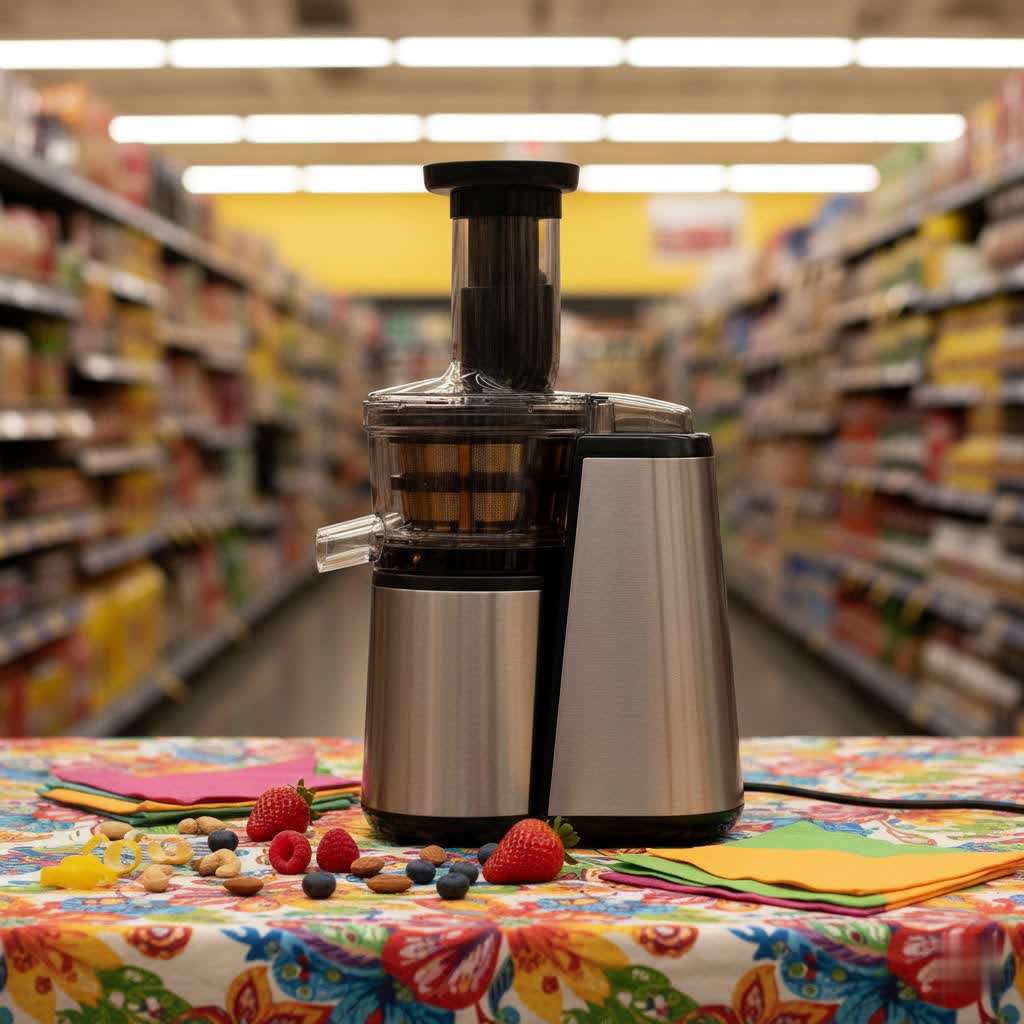
What is a Fruit and Vegetable Juicer? Why Do You Need One?
A fruit and vegetable juicer is a kitchen appliance designed to extract liquid from fresh produce, separating the juice from the pulp. In today’s fast-paced world, getting your daily recommended servings of fruits and vegetables can be a challenge. A high-quality fruit juicer transforms whole produce into a delicious, easy-to-drink beverage, making it incredibly simple to boost your nutrient intake and support overall well-being.
The benefits of incorporating fresh, homemade juices are extensive. They provide readily absorbable nutrients, aiding digestion and enhancing energy levels. Fresh juices can also support detoxification, boost immunity, and contribute to radiant skin. Furthermore, juicing allows for creative combinations, enabling you to experiment with various fruits and vegetables to discover new flavors and nutritional profiles.
On the market today, you’ll primarily encounter three main types of fruit and vegetable juicers: centrifugal, masticating (slow/cold press), and the less common triturating juicers. Each offers distinct advantages and caters to different juicing preferences and budgets.
Exploring Popular Types of Fruit and Vegetable Juicers
Understanding the mechanics behind each juicer type is crucial for making an informed decision. They differ significantly in how they process produce, impacting juice quality, speed, and efficiency.
Centrifugal Juicers (Fast Juicers)
Centrifugal juicers are often the entry point for many juicing enthusiasts due to their speed and affordability. These machines operate by rapidly spinning produce against a grater or fine mesh screen, using centrifugal force to separate the juice from the pulp. The juice then flows into a container, while the pulp is expelled into a waste bin.
- Pros:
- Speed: They are exceptionally fast, producing a glass of juice in mere seconds.
- Affordability: Generally the most budget-friendly option.
- Ease of Use: Simple to operate with minimal pre-cutting often required for larger feed chutes.
- Cons:
- Oxidation and Foam: The high-speed spinning generates heat and introduces air, leading to more oxidation, which can degrade some heat-sensitive nutrients and result in a foamy juice.
- Lower Yield: They tend to produce a wetter pulp, indicating less efficient juice extraction, especially from leafy greens.
- Noise: Centrifugal juicers are typically louder than their slow juicer counterparts.
- Best For: Beginners, those on a budget, and individuals prioritizing speed and convenience for everyday juicing of harder fruits and vegetables.
|
Our Picks for the Best Fruit Juicer in 2026
As an Amazon Associate I earn from qualifying purchases.
|
||
| Num | Product | Action |
|---|---|---|
| 1 | QCen Juicer Machine, 500W Centrifugal Juicer Extractor with Wide Mouth 3” Feed Chute for Fruit Vegetable, Easy to Clean, Stainless Steel, BPA-free (Gold) |

|
| 2 | QCen Juicer Machine, 500W Centrifugal Juicer Extractor with Wide Mouth 3” Feed Chute for Fruit Vegetable, Easy to Clean, Stainless Steel, BPA-free (Green) |
|
| 3 | Juicer Machine, 800W Centrifugal Juicer Extractor with Wide Mouth 3” Feed Chute for Fruit Vegetable, Easy to Clean, Stainless Steel, BPA-free (Metallic Red) |
|
| 4 | Qcen Juicer Machine, 800W Centrifugal Juicer Extractor with Wide Mouth 3” Feed Chute for Fruit Vegetable, Easy to Clean, Stainless Steel, BPA-free (Black) |
|
| 5 | Juicer Machine, 800W Centrifugal Juicer Extractor with Wide Mouth 3” Feed Chute for Fruit Vegetable, Easy to Clean, Stainless Steel, BPA-free (Green) |
|
| 6 | Juicer Machine, 800W Centrifugal Juicer Extractor with Wide Mouth 3” Feed Chute for Fruit Vegetable, Easy to Clean, Stainless Steel, BPA-free (Metallic Black) |
|
| 7 | QCen Juicer Machine, 500W Centrifugal Juicer Extractor with Wide Mouth 3” Feed Chute for Fruit Vegetable, Easy to Clean, Stainless Steel, BPA-free (Aqua) |
|
| 8 | Juicer Machine, 800W Centrifugal Juicer Extractor with Wide Mouth 3” Feed Chute for Fruit Vegetable, Easy to Clean, Stainless Steel, BPA-free (Gold) |
|
| 9 | Juicer Machine, 800W Centrifugal Juicer Extractor with Wide Mouth 3” Feed Chute for Fruit Vegetable, Easy to Clean, Stainless Steel, BPA-free (Aqua) |
|
| 10 | Qcen Juicer Machine, 500W Centrifugal Juicer Extractor with Wide Mouth 3” Feed Chute for Fruit Vegetable, Easy to Clean, Stainless Steel, BPA-free (Black) |
|
Masticating Juicers (Slow Juicers/Cold Press Juicers)
Masticating juicers, also known as slow juicers or cold press juicers, are revered for their ability to produce high-quality, nutrient-rich juice. These machines use a slow-moving auger (a corkscrew-like mechanism) to crush and press fruits and vegetables against a screen, thoroughly extracting the juice. This “chewing” action minimizes heat buildup and oxidation.
- Pros:
- High Juice Quality: The slow, gentle pressing preserves more vitamins, enzymes, and nutrients due to reduced heat and oxidation.
- Higher Yield: Masticating juicers extract significantly more juice, resulting in drier pulp and less waste.
- Versatility: Excellent for juicing a wide range of produce, including leafy greens, wheatgrass, and soft fruits, which can be challenging for centrifugal models.
- Quieter Operation: They are considerably quieter than centrifugal juicers.
- Cons:
- Slower Speed: Juicing takes more time compared to centrifugal models.
- Higher Price: Masticating juicers are generally more expensive.
- Pre-cutting Required: Often have smaller feed chutes, necessitating more pre-cutting of produce.
- Cleaning: Can have more parts and require a more thorough cleaning process, though many come with specialized brushes.
- Best For: Health-conscious individuals, those who juice regularly, and anyone wanting to maximize nutrient retention and juice yield, especially with leafy greens.
Triturating Juicers (Twin-Gear Juicers)
Triturating juicers, or twin-gear juicers, represent the pinnacle of juicing technology, though they are less common for home use due to their cost and size. These machines use two interlocking gears that grind and press produce with incredible efficiency, delivering the highest juice yield and nutrient preservation. Many also offer multi-purpose functions beyond juicing.
- Pros:
- Superior Juice Quality and Yield: The twin gears finely grind produce, ensuring maximum nutrient extraction and the driest pulp.
- Exceptional Versatility: Many models can also make nut butters, sorbets, pasta, and baby food.
- Excellent for Leafy Greens and Wheatgrass: Unparalleled performance with challenging fibrous ingredients.
- Cons:
- Very High Price: These are the most expensive juicers on the market.
- Complex Assembly and Cleaning: Can have many parts and be more intricate to assemble and clean.
- Large Footprint: Often bulky and require significant counter space.
- Best For: Dedicated juicing enthusiasts, those who regularly process large quantities of diverse produce, and individuals seeking maximum versatility and the highest possible juice quality.
Citrus Juicers
While not designed for all fruits and vegetables, electric citrus juicers are specialized appliances for oranges, lemons, limes, and grapefruits. They feature a reamer that rotates to extract juice from halved citrus fruits.
- Pros:
- Effortless Juicing: Quickly and easily extracts juice from citrus with minimal effort.
- Compact Options: Many are relatively small and easy to store.
- Cons:
- Limited Functionality: Only suitable for citrus fruits.
- Best For: Anyone who enjoys fresh citrus juice daily or uses large quantities of citrus for cooking and baking.
Detailed Comparison: Centrifugal vs. Masticating Juicers
To further assist in your decision, here’s a comparative overview of the two most common types of fruit juicers:
| Feature | Centrifugal Juicer | Masticating Juicer (Slow/Cold Press) |
|---|---|---|
| Juicing Method | High-speed spinning blade/grater | Slow crushing and squeezing with an auger |
| Speed | Very fast (seconds per glass) | Slower (minutes per glass) |
| Juice Quality | Good, but prone to oxidation and foam | Excellent, preserves more nutrients, minimal foam |
| Nutrient Retention | Potentially lower due to heat and oxidation | Higher due to gentle, cool extraction |
| Pulp Dryness | Wet pulp (less efficient extraction) | Very dry pulp (highly efficient extraction) |
| Produce Types | Best for hard fruits and vegetables | Excellent for all produce, especially leafy greens, wheatgrass, soft fruits |
| Noise Level | Loud | Quiet |
| Price Range | £60 – £250 | £100 – £600+ |
| Ease of Cleaning | Often easier due to fewer, larger parts | Can be more involved due to multiple intricate parts |
| Chute Width | Often wide, less pre-cutting needed | Often narrow, more pre-cutting often required |
Top Fruit and Vegetable Juicers for Every Need
Based on extensive testing and user reviews, here are some highly-regarded fruit juicer models across different categories, offering excellent performance and value.
Best Overall Slow Juicer: NutriBullet Slow Juicer
This compact masticating juicer impressed testers with its superior extraction, quiet operation, and ability to handle tough kale and stringy celery with ease. It’s an excellent choice for daily, hassle-free juicing. While some found the juice foamy, its overall performance, compact size, and dishwasher-safe parts make it a top contender.
Best Value Centrifugal Juicer: Hamilton Beach Big Mouth Juicer
For those seeking an affordable yet capable centrifugal option, the Hamilton Beach Big Mouth Juicer is a strong choice. It boasts a wide-mouth opening for whole produce, easy assembly, and dishwasher-safe parts. While noisier and less efficient with leafy greens, it provides good performance for its price point, making it ideal for budget-conscious users or occasional juicing.
Best Premium Slow Juicer: Nama J2 Cold Press Juicer
The Nama J2 is a self-feeding masticating juicer designed for serious juicing enthusiasts. It stands out for its hands-off operation, producing wonderfully smooth results and very dry pulp. While a significant investment, its versatility and quality juice make it a worthwhile splurge for those with the budget and kitchen space.
Best for Large Quantities (Centrifugal): Sage the Nutri Juicer Cold Plus
This powerful centrifugal juicer is excellent for families or those who make large batches of juice. It features a wide chute that often eliminates the need for pre-cutting and comes with a 2-liter jug. Though it can be loud and might struggle with leafy greens, it excels with hard fruits and vegetables like apples, carrots, and ginger.
Best for Leafy Greens (Triturating/Masticating): Tribest Greenstar Elite Masticating Juicer
For green juice aficionados, the Tribest Greenstar Elite is a standout. This highly versatile twin-gear juicer is specifically engineered to handle leafy greens and wheatgrass with exceptional efficiency, also capable of making nut butters, sorbets, and more. While it requires more counter space and can be challenging to clean, its performance with greens is unmatched.
How to Choose the Right Fruit and Vegetable Juicer for You
Selecting the perfect fruit juicer involves weighing your personal needs and priorities. Consider these factors before making your purchase:
- Identify Your Usage Needs:
- What produce will you juice most? If leafy greens and wheatgrass are staples, a masticating or triturating juicer is superior. For mostly hard fruits and vegetables, a centrifugal model might suffice.
- How often will you juice? Daily juicers benefit from efficient, easy-to-clean masticating models. Occasional juicers might find a centrifugal model more suitable.
- What quantity of juice do you need? Larger households or batch juicers will appreciate models with larger pulp bins and juice containers, potentially with wider feed chutes to reduce prep time.
- Set Your Budget: Juicers range widely in price. Centrifugal models are typically the most affordable, while masticating and triturating juicers demand a higher investment. Determine what you’re willing to spend, keeping in mind that a more expensive model might offer better juice quality and durability in the long run.
- Evaluate Other Essential Factors:
- Noise Level: If you plan to juice early in the morning or late at night, a quieter masticating juicer is a better choice.
- Ease of Cleaning: Juicers can be messy. Look for models with dishwasher-safe parts and included cleaning brushes to simplify cleanup. The easier it is to clean, the more likely you are to use it.
- Size and Footprint: Consider your kitchen counter space and storage availability. Some juicers are quite large, while compact models are available for smaller kitchens. Vertical masticating juicers often have a smaller countertop footprint but are taller.
- Chute Size: Wider feed chutes minimize the need for pre-cutting, saving you time. This is often a feature of centrifugal juicers, though some newer slow juicers also offer wider chutes.
Tips for Using and Maintaining Your Fruit and Vegetable Juicer
Proper usage and consistent maintenance are key to maximizing your juicer’s performance and extending its lifespan.
- Proper Use:
- Prepare Your Produce: Wash all fruits and vegetables thoroughly. For smaller chutes (common in masticating juicers), pre-cut produce into smaller pieces to prevent jamming. Remove pits from fruits like peaches or cherries, and peel thick-skinned fruits like oranges and pineapples.
- Feed Slowly (Especially for Masticating Juicers): Don’t overload the juicer. Feed produce at a steady pace, allowing the machine to process each piece effectively.
- Alternate Hard and Soft Ingredients: When juicing a mix of ingredients, alternate between harder and softer items to help push everything through and prevent blockages.
- Cleaning and Storage:
- Clean Immediately: This is perhaps the most crucial tip. Fruit and vegetable pulp and sugars dry and stick quickly, making cleanup significantly harder if delayed. Rinse all removable parts under warm water immediately after juicing.
- Utilize Cleaning Brushes: Most juicers come with specialized brushes designed to clean the fine mesh screens and crevices where pulp can accumulate. Use these diligently.
- Dishwasher-Safe Parts: Check your manual for dishwasher-safe components. Many plastic parts are top-rack safe, but the motor base should never be submerged in water.
- Air Dry: Allow all parts to air dry completely before reassembling or storing to prevent mildew and odors.
- Proper Storage: Store your juicer in a cool, dry place. If space is an issue, consider models that are easier to disassemble and store.
Troubleshooting Common Fruit Juicer Issues
Even with the best fruit juicer, you might encounter minor issues. Here’s how to address some common problems:
- Machine Not Turning On/Working:
- Check Power Connection: Ensure the juicer is properly plugged into a working outlet.
- Safety Lock Engaged: Many juicers have safety mechanisms that prevent operation if parts are not correctly assembled and locked into place. Refer to your manual to ensure all components are securely fitted.
- Overheat Protection: Some juicers have an overheat protection feature that automatically shuts down the motor if it gets too hot. Allow the machine to cool down before attempting to use it again.
- Machine Jams/Stalls:
- Overfeeding: You might be feeding produce too quickly or putting in too much at once.
- Hard/Fibrous Ingredients: Certain tough or stringy vegetables (like celery or ginger) can cause jams, especially in masticating juicers with narrower chutes. Cut these into smaller pieces.
- Reverse Function: Many masticating juicers have a reverse function to dislodge stuck ingredients. Use this feature to clear the blockage before continuing.
- Disassemble and Clean: If the reverse function doesn’t work, disassemble the machine and remove the obstruction manually.
- Juice Contains Too Much Pulp/Is Foamy:
- Centrifugal Juicers: Foam is common with centrifugal models due to air incorporation. Pouring the juice slowly or using a fine mesh strainer can help reduce foam.
- Masticating Juicers: While less common, excessive pulp could indicate that the strainer is clogged or needs a more thorough cleaning. Ensure all parts are correctly assembled.
- Filter Type: Some juicers come with different filters (e.g., fine vs. coarse). Ensure you’re using the appropriate filter for your desired juice consistency.
- Low Juice Yield/Wet Pulp:
- Ingredient Type: Some produce naturally yields less juice than others.
- Juicer Type: Centrifugal juicers inherently produce wetter pulp than masticating ones.
- Feed Speed: Feeding too quickly can reduce extraction efficiency.
- Clogged Screen: A dirty or clogged mesh screen will hinder juice extraction. Clean it thoroughly.
Where to Buy a Reputable Fruit and Vegetable Juicer?
When investing in a fruit and vegetable juicer, it’s important to purchase from reliable retailers that offer good customer service and warranties.
- Major Retailers: Large electronics stores and department stores (like Best Buy, John Lewis, or Curry’s PC World) often carry a wide selection of juicers from various brands. This allows you to compare models in person and speak with sales associates.
- Online Marketplaces: Websites like Amazon offer an extensive range of juicers, often with competitive pricing and detailed customer reviews. Be sure to check seller ratings and return policies.
- Brand Websites: Purchasing directly from the manufacturer’s website (e.g., Nama, Omega, Kuvings) can sometimes provide access to exclusive deals, the latest models, and direct customer support for warranty claims.
Important Considerations for Online Purchases:
- Read Reviews: Pay close attention to user reviews regarding juice quality, ease of cleaning, noise, and durability.
- Check Warranty: Understand the warranty period and what it covers. Many reputable brands offer generous warranties, especially on the motor.
- Return Policy: Familiarize yourself with the retailer’s return policy in case the juicer doesn’t meet your expectations.
“Masticating juicers can extract more juice and more juice means more nutrients.” – Taylor Murray, Food Network Shopping Expert. This insight highlights the nutritional advantage of slow juicing.
Conclusion
Choosing the right fruit and vegetable juicer is an investment in your health and well-being. Whether you opt for the speed and convenience of a centrifugal model, the superior nutrient retention of a masticating juicer, or the ultimate performance of a triturating system, the goal remains the same: to easily incorporate more fresh, vibrant produce into your diet. By understanding the different types, their benefits, and key buying considerations, you are now equipped to make a confident decision that will transform your daily nutrition. So, what delicious fruit and vegetable blend will you create first?
Frequently Asked Questions
What is the primary difference between a cold press juicer and a centrifugal juicer?
The primary difference lies in their operation. Cold press (masticating) juicers slowly crush and squeeze produce, minimizing heat and oxidation, which preserves more nutrients and yields higher juice quantities. Centrifugal juicers, however, use high-speed spinning blades to shred produce, a faster process that can generate heat, introduce more air, and result in a frothier juice with potentially less nutrient retention.
Can I juice leafy greens and wheatgrass in any fruit and vegetable juicer?
While you can technically juice leafy greens in most juicers, masticating and triturating juicers are far superior for these ingredients. Centrifugal juicers often struggle with leafy greens, resulting in a low yield and much of the leafy material ending up in the pulp bin. For maximum extraction from greens, a slow juicer is highly recommended.
How long does fresh fruit and vegetable juice last?
Fresh, cold-pressed juice from a masticating juicer can typically last for 3 to 5 days when stored properly in an airtight glass container in the refrigerator. Juice made with a centrifugal juicer, due to higher oxidation, generally has a shorter shelf life, usually best consumed within 24 hours for optimal freshness and nutrient content.
Is juicing better than blending for fruits and vegetables?
Juicing and blending serve different purposes. Juicing extracts only the liquid, providing a concentrated shot of nutrients that are easily absorbed by the body. Blending, on the other hand, retains all the fiber from the fruits and vegetables, which is beneficial for digestion and satiety. Neither is definitively “better”; they simply offer different nutritional experiences.
What should I do with leftover fruit and vegetable pulp?
Don’t throw it away! Leftover pulp is a rich source of fiber and can be repurposed in various ways. You can add it to vegetable stocks, use it in baked goods like muffins or bread, mix it into homemade granola or energy bites, or even incorporate it into composting for your garden.
