Embarking on a journey to better health often leads us to the vibrant world of fresh juices. But in the quest for pure, nutrient-rich beverages, the choice of your juicer’s material can be as critical as the ingredients themselves. While many options flood the market, a glass fruit juicer or glass components in your juicing setup offer unparalleled advantages for preserving the true essence and health benefits of your homemade concoctions. This comprehensive guide will explore why glass stands out as the superior choice, delve into various juicer types, and equip you with the knowledge to make an informed decision for your wellness.
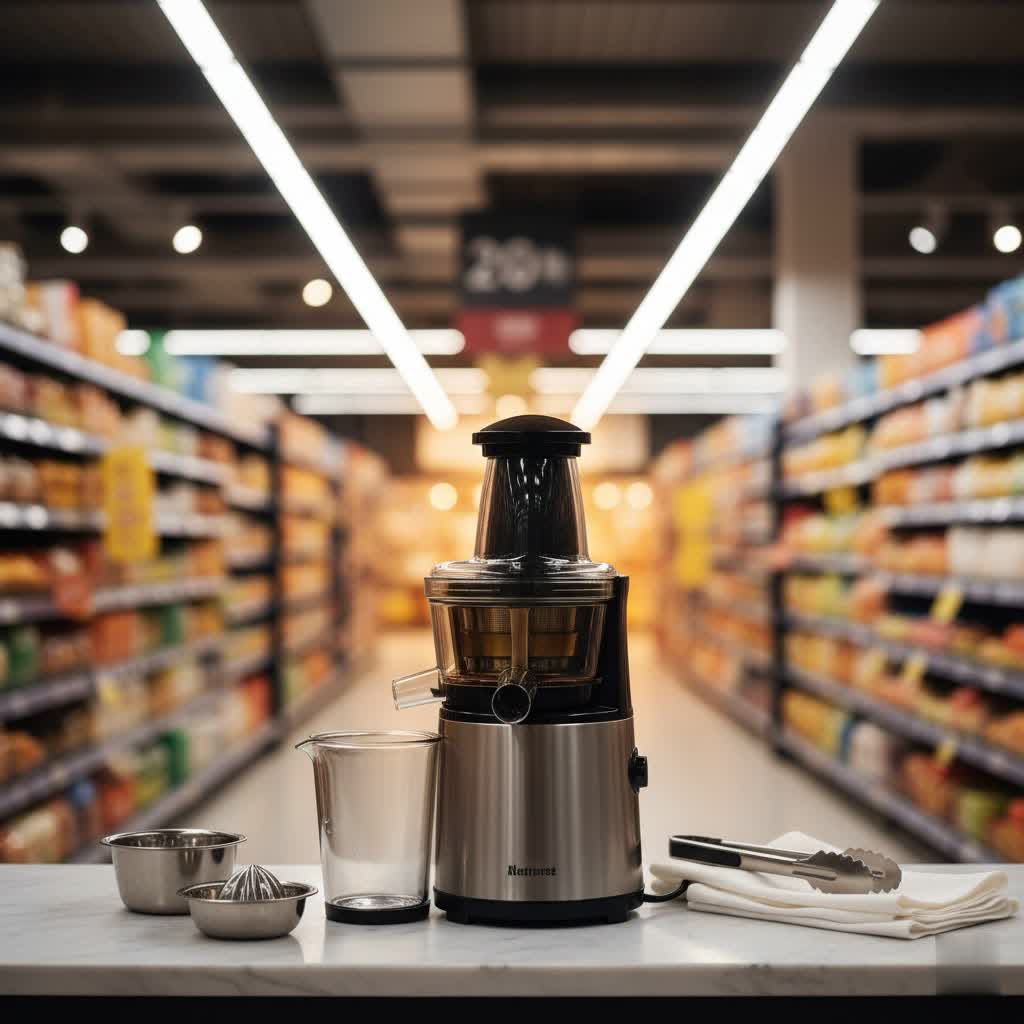
What is a Fruit Juicer? Why Do You Need One?
A fruit juicer is a kitchen appliance designed to extract liquid from fruits and vegetables, separating the pulp from the juice. In its simplest form, a “glass fruit juicer” often refers to a manual reamer and collection cup made entirely of glass, perfect for citrus fruits. Beyond these manual tools, the benefits of glass extend to collection containers and accessories across all juicer types, providing a non-reactive surface for your fresh juice.
The reasons to embrace juicing are plentiful. Freshly pressed juices are powerhouses of vitamins, minerals, and enzymes, offering a concentrated dose of nutrition that can boost immunity, aid digestion, and enhance overall vitality. Integrating fresh juice into your daily routine is a simple yet effective way to increase your intake of essential nutrients and support a healthier lifestyle.
Popular Types of Fruit Juicers
Understanding the different juicer mechanisms helps in appreciating where glass plays its most crucial role, whether as a direct component or as the preferred material for juice collection and storage.
Centrifugal Juicers
Centrifugal juicers, often called “fast juicers,” operate by shredding fruits and vegetables with a rapidly spinning blade against a mesh filter. This process separates the juice from the pulp through centrifugal force. They are popular for their speed and affordability, making them an excellent entry point for new juicing enthusiasts.
- Advantages:
- Speedy Operation: Extracts juice quickly, ideal for busy mornings.
- Affordable: Generally more budget-friendly than slow juicers.
- Minimal Prep Time: Wide chutes often accommodate larger pieces of produce.
- Disadvantages:
- Heat Generation: High-speed blades can generate heat, potentially leading to some nutrient degradation.
- Oxidation: Increased air incorporation can lead to faster oxidation, reducing shelf life and causing foam.
- Less Efficient for Leafy Greens: May not extract as much juice from fibrous greens.
- While the main mechanism is typically plastic or metal, using a glass collection jug with a centrifugal juicer immediately mitigates issues of plastic leaching and enhances taste preservation.
|
Our Picks for the Best Fruit Juicer in 2026
As an Amazon Associate I earn from qualifying purchases.
|
||
| Num | Product | Action |
|---|---|---|
| 1 | Juicer Machine, 800W Centrifugal Juicer Extractor with Wide Mouth 3” Feed Chute for Fruit Vegetable, Easy to Clean, Stainless Steel, BPA-free (Metallic Black) |

|
| 2 | Qcen Juicer Machine, 500W Centrifugal Juicer Extractor with Wide Mouth 3” Feed Chute for Fruit Vegetable, Easy to Clean, Stainless Steel, BPA-free (Black) |
|
| 3 | Juicer Machine, 800W Centrifugal Juicer Extractor with Wide Mouth 3” Feed Chute for Fruit Vegetable, Easy to Clean, Stainless Steel, BPA-free (Green) |
|
| 4 | Juicer Machine, 800W Centrifugal Juicer Extractor with Wide Mouth 3” Feed Chute for Fruit Vegetable, Easy to Clean, Stainless Steel, BPA-free (Gold) |
|
| 5 | Juicer Machine, 800W Centrifugal Juicer Extractor with Wide Mouth 3” Feed Chute for Fruit Vegetable, Easy to Clean, Stainless Steel, BPA-free (Metallic Red) |
|
| 6 | QCen Juicer Machine, 500W Centrifugal Juicer Extractor with Wide Mouth 3” Feed Chute for Fruit Vegetable, Easy to Clean, Stainless Steel, BPA-free (Gold) |
|
| 7 | Juicer Machine, 800W Centrifugal Juicer Extractor with Wide Mouth 3” Feed Chute for Fruit Vegetable, Easy to Clean, Stainless Steel, BPA-free (Aqua) |
|
| 8 | QCen Juicer Machine, 500W Centrifugal Juicer Extractor with Wide Mouth 3” Feed Chute for Fruit Vegetable, Easy to Clean, Stainless Steel, BPA-free (Green) |
|
| 9 | Qcen Juicer Machine, 800W Centrifugal Juicer Extractor with Wide Mouth 3” Feed Chute for Fruit Vegetable, Easy to Clean, Stainless Steel, BPA-free (Black) |
|
| 10 | QCen Juicer Machine, 500W Centrifugal Juicer Extractor with Wide Mouth 3” Feed Chute for Fruit Vegetable, Easy to Clean, Stainless Steel, BPA-free (Aqua) |
|
Masticating Juicers (Slow Juicers)
Masticating juicers, or “slow juicers,” mimic the chewing process by slowly crushing and pressing produce using an auger. This gentle, low-speed method minimizes heat buildup and oxidation, resulting in a higher quality, nutrient-dense juice. They are favored by health-conscious individuals seeking maximum nutritional value.
- Advantages:
- High Juice Quality: Preserves more enzymes and nutrients due to minimal heat and oxidation.
- Higher Yield: Extracts more juice, especially from leafy greens and wheatgrass.
- Longer Shelf Life: Juice typically lasts longer with less separation.
- Versatility: Can often make nut milks, sorbets, and baby food.
- Quieter Operation: Significantly less noisy than centrifugal models.
- Disadvantages:
- Slower Operation: Takes more time to juice compared to centrifugal models.
- Higher Cost: Generally more expensive upfront investment.
- More Prep Work: Smaller chutes often require produce to be cut into smaller pieces.
- The superior juice quality from a masticating juicer perfectly complements glass collection and storage, ensuring the purity and longevity of the preserved nutrients.
Triturating Juicers (Twin Gear Juicers)
Triturating juicers, also known as twin gear juicers, take the masticating principle a step further by using two interlocking gears that grind and press produce. This advanced method achieves the highest possible juice yield and nutrient extraction, making them the gold standard for serious juicers and those with specific health goals. They are particularly adept at handling hard-to-juice items and fibrous greens.
- Advantages:
- Maximum Nutrient Extraction: Considered the best for preserving enzymes and nutrients.
- Highest Yield: Extracts the most juice from a wide range of produce.
- Minimal Oxidation: Produces very little foam and offers the longest juice shelf life.
- Versatile: Capable of making a broader range of foods like pasta, nut butters, and frozen desserts.
- Disadvantages:
- Very High Cost: Most expensive type of juicer.
- Slower and More Involved: Requires more time and often more intricate cleaning.
- Larger Footprint: Can be bulky and take up significant counter space.
- For the discerning user of a triturating juicer, pairing it with glass containers for immediate collection and long-term storage is essential to maintain the pristine quality and integrity of the highly concentrated juice.
Manual Glass Citrus Juicers
These are the most direct examples of “glass fruit juicers,” consisting of a glass reamer and a collection cup, often with a spout and handle. They are simple, elegant, and perfect for squeezing juice from lemons, limes, oranges, and grapefruits.
- Advantages:
- Simplicity and Ease of Use: No electricity needed, straightforward operation.
- Pure Taste: Direct contact with glass ensures no flavor alteration.
- Easy to Clean: Typically dishwasher-safe and simple to rinse.
- Aesthetic Appeal: Classic and stylish addition to any kitchen.
- Disadvantages:
- Limited Versatility: Only suitable for citrus fruits.
- Manual Effort: Requires physical exertion, especially for larger quantities.
- Lower Yield: May not extract as much juice as electric models.
- These classic tools embody the core benefits of glass in juicing, offering an uncompromised, pure juicing experience for citrus lovers.
Detailed Comparison Table of Juicer Types
| Feature | Centrifugal Juicer | Masticating Juicer (Slow Juicer) | Triturating Juicer (Twin Gear) | Manual Glass Citrus Juicer |
|---|---|---|---|---|
| Speed | Fast (6,000-14,000 RPM) | Slow (80-100 RPM) | Very Slow (approx. 100 RPM or less) | Manual (user-dependent) |
| Juice Quality | Good, but prone to oxidation | Excellent, preserves nutrients, less foam | Superior, highest nutrient preservation | Excellent for citrus, no oxidation |
| Produce Type | Most fruits & some veggies | All fruits, vegetables, leafy greens | All fruits, vegetables, leafy greens | Citrus fruits only |
| Price | Low ($50-$200) | Medium to High ($200-$600+) | Very High ($500-$1000+) | Very Low ($10-$50) |
| Noise Level | High | Low | Low | Silent |
| Ease of Cleaning | Moderate, pulp bin | Moderate, multiple parts | More involved, intricate parts | Very Easy, often dishwasher-safe |
| Glass Component Suitability | Great for collection jugs | Excellent for all contact/collection | Essential for purest collection | Entirely glass for purity |
The Unrivaled Advantages of Choosing Glass for Your Fruit Juicer
When it comes to juicing, the material that touches your precious liquids profoundly impacts the end product. Opting for glass, whether it’s a fully glass manual juicer or glass components and collection vessels for electric models, offers a multitude of benefits that elevate your juicing experience.
Purity and Health: A Non-Toxic Promise
One of the foremost reasons to choose glass is its inert nature. Unlike certain plastics, glass is non-porous and does not leach harmful chemicals such as BPA or phthalates into your juice. This non-reactive quality ensures that your freshly extracted juice remains pure and free from unwanted contaminants, a critical consideration for health-conscious consumers. Choosing glass provides peace of mind, knowing you’re consuming only the wholesome goodness of your fruits and vegetables.
Preservation of Taste and Nutrients: Unaltered Freshness
Glass is a champion in maintaining the integrity of your juice. Its non-porous surface prevents the absorption of odors and flavors from previous uses, ensuring each new batch tastes exactly as nature intended. Furthermore, glass helps maintain the natural pH balance of your juice and, when opaque or stored correctly, can protect light-sensitive vitamins and minerals from degradation caused by UV exposure. Many avid juicers report a distinct improvement in taste and freshness when storing their juices in glass, often noting a longer, more vibrant flavor profile.
Durability and Longevity: An Investment That Lasts
While glass might seem fragile, high-quality borosilicate glass used in kitchenware is designed to be highly durable, heat-resistant, and less prone to scratches and chips. It can withstand various temperatures, making it suitable for both hot and cold liquids without warping or degrading. This resilience means that a well-cared-for glass juicer or glass accessories can last for many years, offering a sustainable and reliable option that outperforms plastic alternatives in the long run.
Ease of Cleaning & Hygiene: Sparkling Clean Every Time
The non-porous surface of glass is inherently more hygienic. It resists staining, especially from vibrant produce like carrots or beets, and doesn’t harbor bacteria or absorb food particles, which can be common issues with plastic. Glass components are typically easy to rinse clean and are often dishwasher-safe, simplifying your post-juicing routine. This ease of maintenance ensures your juicer remains spotless and ready for your next healthy creation.
Environmental Responsibility: A Sustainable Choice
For those committed to reducing their environmental footprint, glass is an eco-friendly choice. It is 100% recyclable and can be reused indefinitely without losing its quality. By opting for glass, you contribute to minimizing plastic waste and supporting a circular economy, making a healthier choice not just for yourself but also for the planet.
How to Choose the Right Fruit Juicer for You
Selecting the perfect fruit juicer, especially one that embraces the advantages of glass, involves considering your unique needs and priorities.
1. Determine Your Juicing Needs: What types of fruits and vegetables will you primarily be juicing? If it’s mostly citrus, a manual glass reamer might suffice. For a wider variety, including leafy greens and hard vegetables, an electric masticating or triturating juicer with glass collection capabilities would be more appropriate. Consider the quantity of juice you plan to make; single servings versus large batches will influence the capacity and type of juicer.
2. Evaluate Your Budget: Glass juicers, particularly manual ones, are very affordable. Electric juicers with high-quality, BPA-free plastic or stainless steel components that integrate glass collection jugs will vary in price. Determine how much you’re willing to invest, keeping in mind the long-term health and environmental benefits.
3. Consider Other Factors:
- Noise Level: Masticating and triturating juicers are significantly quieter than centrifugal models.
- Ease of Cleaning: Look for models with easily detachable parts and, ideally, glass components that are dishwasher-safe.
- Size and Storage: Assess your kitchen space. Manual glass juicers are compact, while electric models can vary greatly in footprint.
- Material Quality: Prioritize BPA-free plastics if glass isn’t possible for all parts, and always opt for glass for juice collection.
Tips for Using and Maintaining Your Fruit Juicer
Proper usage and care are vital to maximize the lifespan and performance of your fruit juicer, especially when incorporating glass elements.
- Prepare Produce Correctly: Wash all fruits and vegetables thoroughly. For electric juicers with smaller chutes, cut produce into appropriate sizes to prevent clogging. Remove large seeds or pits that could damage the juicer.
- Assemble Properly: Ensure all parts are correctly assembled before operating. Refer to your manual for specific instructions for your model.
- Clean Immediately: Rinse all juicer parts, especially glass components, immediately after use. This prevents pulp from drying and sticking, making cleaning much easier. Glass is less prone to staining, but immediate rinsing helps maintain its pristine condition.
- Hand Wash vs. Dishwasher: While many glass parts are dishwasher-safe, always check the manufacturer’s instructions. For delicate glass components, hand washing with warm, soapy water is often recommended to preserve their clarity and prevent potential chipping.
- Store Safely: Store glass components carefully to prevent breakage. For electric juicers, ensure all parts are completely dry before reassembling or storing to prevent mold or odors.
Common Juicer Problems and Solutions
Even the most reliable fruit juicers can encounter issues. Here are some common problems and their straightforward solutions:
- Machine Not Turning On: Check if the juicer is properly plugged in and if all safety locks or latches are engaged. Most modern juicers have interlocking systems that prevent operation if not assembled correctly.
- Juicer Clogging: This often occurs with fibrous greens or if produce is fed too quickly or in pieces too large for the chute. Solution: Stop the juicer, disassemble, clear the clog, and ensure you’re feeding smaller pieces more slowly. For masticating juicers, alternate between hard and soft produce.
- Excessive Pulp in Juice: If your juice is too pulpy, check the mesh filter for blockages or damage. Solution: Clean the filter thoroughly. If it’s a masticating juicer, ensure the pulp outlet isn’t blocked. Some juicers offer different strainers for varying pulp levels.
- Motor Overheating: If your juicer stops mid-operation and feels hot, it might be overheating. Solution: Turn it off and let it cool down for at least 20-30 minutes. Avoid continuous operation for extended periods, especially with harder produce.
Where to Buy Trustworthy Fruit Juicers
Investing in a quality fruit juicer is an investment in your health. You can find a wide range of options at reputable retailers, both online and in brick-and-mortar stores.
- Specialty Appliance Stores: These stores often have knowledgeable staff who can guide you through different models and brands.
- Department Stores and Electronics Retailers: Major retailers carry popular juicer brands and may offer competitive pricing.
- Online Marketplaces: Websites provide a vast selection, customer reviews, and detailed product specifications, allowing for thorough comparison.
- Manufacturer Websites: Purchasing directly from the brand often ensures authenticity and access to direct customer support and warranties.
When purchasing, always verify the material quality, specifically looking for “BPA-free” certifications for plastic parts and high-grade glass for collection jugs or manual reamers. Reading customer reviews can offer valuable insights into real-world performance and durability.
Conclusion
The journey to healthier living through fresh juice is a rewarding one, and the right fruit juicer can make all the difference. While various technologies cater to different needs, the choice of material, particularly glass, stands out as a critical factor for purity, taste, and overall well-being. Whether you opt for a simple manual glass citrus juicer or an advanced electric model complemented by glass collection vessels, you’re making a conscious decision for a healthier, more sustainable juicing experience. By prioritizing non-toxic materials, you ensure that every sip of your homemade juice delivers nothing but the purest essence of nature’s bounty.
Ready to elevate your daily dose of goodness? Which aspect of a glass fruit juicer excites you the most for your health journey?
