Embarking on a journey to healthier living often leads us to explore the vibrant world of fresh juices. But with countless options available, how do you choose the right tool for your wellness goals? If you’re looking for a convenient way to unlock the full nutritional potential of fruits and vegetables, a whole fruit cold press juicer might be your perfect kitchen companion. These innovative machines are designed to simplify your juicing routine while delivering superior quality juice that supports your health and energizes your body.
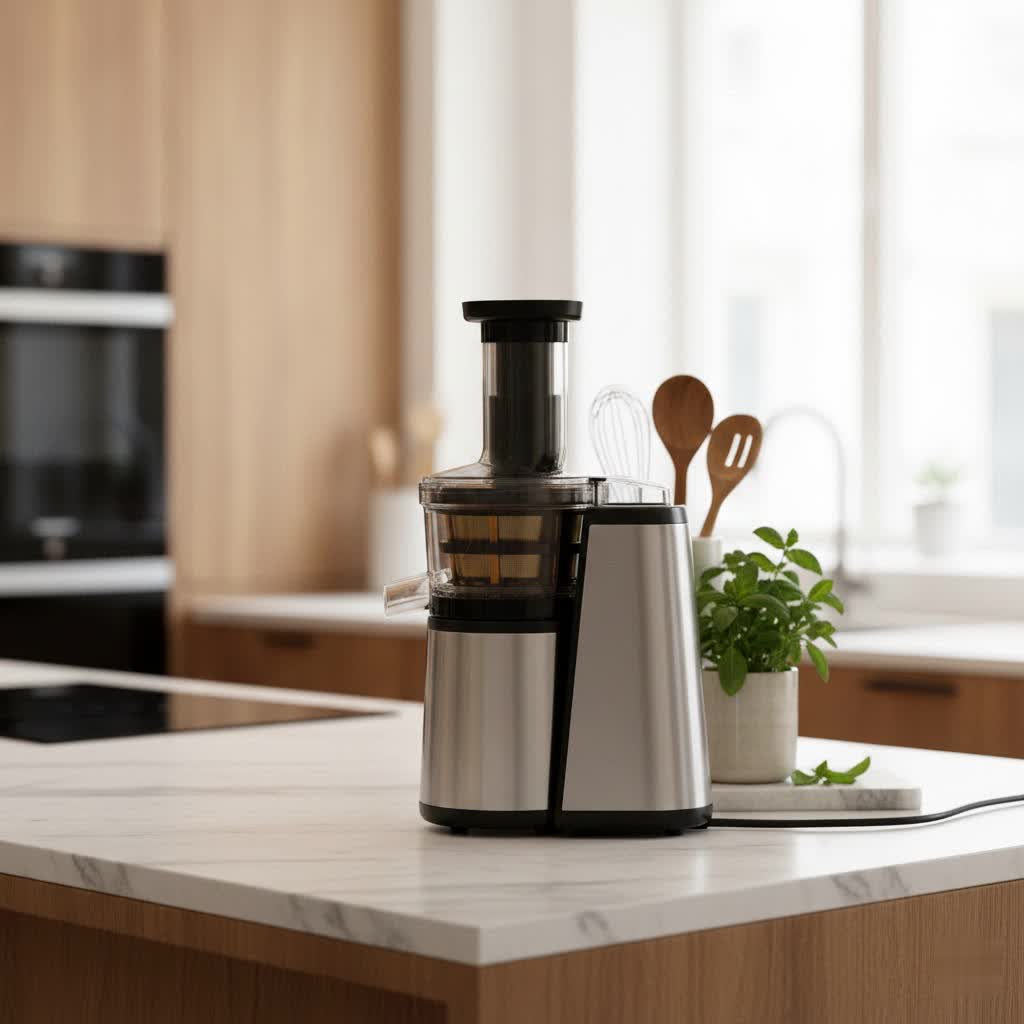
What is a Whole Fruit Cold Press Juicer? Why Do You Need One?
A cold press juicer, also known as a masticating or slow juicer, operates by slowly crushing and pressing fruits and vegetables to extract their juice. Unlike traditional high-speed juicers that use fast-spinning blades, a cold press model works at a low RPM (rotations per minute), minimizing heat buildup and oxidation. The “whole fruit” aspect of these juicers refers to models equipped with a wide feed chute, allowing you to insert larger pieces of produce, or even entire small fruits, with little to no pre-chopping. This feature significantly reduces preparation time, making daily juicing a more accessible and enjoyable habit.
The primary reason to invest in a whole fruit cold press juicer lies in the remarkable quality of the juice it produces. By preserving delicate vitamins, minerals, and enzymes that can be destroyed by heat and air exposure, cold-pressed juice offers a potent dose of nutrients that are easily absorbed by your body. It’s a fantastic way to boost your daily intake of fruits and vegetables, support your immune system, improve digestion, and even enhance your skin’s radiance.
Understanding Juicer Types: A Deep Dive
Choosing a juicer involves understanding the distinct technologies available. The two main types are centrifugal and masticating (cold press), with triturating juicers representing a more specialized, high-end masticating variant.
Centrifugal Juicers
These are the most common and often the most affordable juicers on the market.
- How they work: Centrifugal juicers use a rapidly spinning blade to shred produce against a mesh filter. The centrifugal force then separates the juice from the pulp.
- Pros: They are fast, producing juice in seconds, and typically have wider feed chutes than older masticating models, which can reduce some prep time. They are also generally more budget-friendly.
- Cons: The high-speed spinning generates heat and introduces a lot of air into the juice, leading to oxidation. This can degrade heat-sensitive nutrients and enzymes, reduce the juice’s shelf life, and often results in foamier juice with less vibrant color and flavor. They are also notoriously loud and less efficient at juicing leafy greens.
|
Our Picks for the Best Fruit Juicer in 2026
As an Amazon Associate I earn from qualifying purchases.
|
||
| Num | Product | Action |
|---|---|---|
| 1 | Qcen Juicer Machine, 500W Centrifugal Juicer Extractor with Wide Mouth 3” Feed Chute for Fruit Vegetable, Easy to Clean, Stainless Steel, BPA-free (Black) |

|
| 2 | QCen Juicer Machine, 500W Centrifugal Juicer Extractor with Wide Mouth 3” Feed Chute for Fruit Vegetable, Easy to Clean, Stainless Steel, BPA-free (Green) |
|
| 3 | QCen Juicer Machine, 500W Centrifugal Juicer Extractor with Wide Mouth 3” Feed Chute for Fruit Vegetable, Easy to Clean, Stainless Steel, BPA-free (Aqua) |
|
| 4 | Qcen Juicer Machine, 800W Centrifugal Juicer Extractor with Wide Mouth 3” Feed Chute for Fruit Vegetable, Easy to Clean, Stainless Steel, BPA-free (Black) |
|
| 5 | Juicer Machine, 800W Centrifugal Juicer Extractor with Wide Mouth 3” Feed Chute for Fruit Vegetable, Easy to Clean, Stainless Steel, BPA-free (Green) |
|
| 6 | QCen Juicer Machine, 500W Centrifugal Juicer Extractor with Wide Mouth 3” Feed Chute for Fruit Vegetable, Easy to Clean, Stainless Steel, BPA-free (Gold) |
|
| 7 | Juicer Machine, 800W Centrifugal Juicer Extractor with Wide Mouth 3” Feed Chute for Fruit Vegetable, Easy to Clean, Stainless Steel, BPA-free (Aqua) |
|
| 8 | Juicer Machine, 800W Centrifugal Juicer Extractor with Wide Mouth 3” Feed Chute for Fruit Vegetable, Easy to Clean, Stainless Steel, BPA-free (Gold) |
|
| 9 | Juicer Machine, 800W Centrifugal Juicer Extractor with Wide Mouth 3” Feed Chute for Fruit Vegetable, Easy to Clean, Stainless Steel, BPA-free (Metallic Red) |
|
| 10 | Juicer Machine, 800W Centrifugal Juicer Extractor with Wide Mouth 3” Feed Chute for Fruit Vegetable, Easy to Clean, Stainless Steel, BPA-free (Metallic Black) |
|
Masticating (Cold Press) Juicers – The Whole Fruit Advantage
Masticating juicers are the category where whole fruit cold press juicers truly shine. They prioritize quality and nutrient retention over speed.
- How they work: A slow-rotating auger (a spiral-shaped screw) grinds and presses fruits and vegetables against a screen, squeezing out the juice. This “chewing” action mimics mastication, hence the name. The slow speed ensures minimal heat and oxidation.
- Pros: This method yields highly nutritious juice with a superior taste, vibrant color, and significantly less foam. The gentle extraction preserves vitamins, minerals, and live enzymes, leading to better nutrient absorption and a longer-lasting juice (typically 24-72 hours when stored properly). Cold press juicers are also incredibly versatile, excelling with leafy greens, fibrous vegetables, soft fruits, and even making nut milks or sorbets. The “whole fruit” models, with their wide feed chutes, further enhance convenience by drastically cutting down on pre-chopping. They are also much quieter in operation compared to centrifugal juicers.
- Cons: They are generally slower than centrifugal juicers, and the initial investment is higher. While modern designs have improved, some models may have more parts to clean, though many are now designed for easy assembly and disassembly.
Triturating Juicers
These are a sub-category of masticating juicers, often referred to as twin-gear juicers.
- How they work: Instead of a single auger, triturating juicers use two interlocking gears to crush and grind produce with extreme thoroughness. This provides the most complete extraction.
- Pros: They offer the highest juice yield and nutrient retention, making them exceptional for wheatgrass and very fibrous greens.
- Cons: They are typically the most expensive, often larger, and can be more complex to clean. They are generally suited for serious juicing enthusiasts or those with specific dietary needs for maximum nutrient extraction.
Detailed Comparison: Whole Fruit Cold Press vs. Centrifugal Juicers
To help you decide, here’s a side-by-side comparison focusing on key criteria:
| Feature | Whole Fruit Cold Press Juicer (Masticating) | Centrifugal Juicer |
|---|---|---|
| Extraction Method | Slow crushing and pressing with an auger | High-speed spinning blades shredding produce |
| Juice Quality | High: nutrient-rich, vibrant, smooth, less foam | Lower: more oxidation, heat, foam, faster nutrient degradation |
| Nutrient Retention | Excellent: preserves vitamins, minerals, enzymes due to minimal heat/air | Good: some nutrient loss due to heat and oxidation |
| Juice Yield | Higher: extracts more juice, resulting in drier pulp and less waste | Lower: leaves wetter pulp, less efficient extraction |
| Noise Level | Quiet operation | Loud, often disruptive |
| Prep Time | Reduced (with wide chute models), some chopping still beneficial | Moderate (less chopping for hard produce), but overall faster operation |
| Versatility | Excellent: handles leafy greens, soft/hard fruits, nut milks, sorbets | Limited: struggles with leafy greens, best for hard fruits/veggies |
| Price | Higher initial investment | Lower initial cost |
| Cleaning | Can have more parts, but many newer models are easy to clean | Fewer parts, generally easier to clean |
Top Whole Fruit Cold Press Juicers Recommended
Navigating the market for the best whole fruit cold press juicer can be daunting. Here are some highly-regarded models known for their performance, “whole fruit” capability (wide feed chutes), and user satisfaction.
Kuvings REVO830 Whole Slow Juicer
The Kuvings REVO830 stands out with its innovative dual-chute system, including an extra-large chamber and an “Auto-Cut Chute” with a rotating knife. This design is excellent for accommodating whole apples and other produce with minimal prep. It delivers exceptional juice yield and very dry pulp, indicating maximum extraction. While it’s a premium investment, its efficiency and ease of use make it a favorite for those serious about juicing.
- Pros: Extremely wide feed chute, high juice yield, dry pulp, versatile attachments for smoothies and sorbets, powerful motor.
- Cons: High price point.
- Best for: Enthusiasts who want maximum convenience and top-tier performance, willing to invest.
Nama J2 Cold Press Juicer (or similar Nama models like J3)
Nama juicers are celebrated for their hands-off operation and efficiency. The Nama J2, for example, features a wide hopper that allows you to pre-load a significant amount of produce, reducing the need for constant feeding. It consistently produces smooth, high-quality juice and bone-dry pulp. Nama models are also generally easy to assemble, disassemble, and clean.
- Pros: Wide hopper for batch juicing, excellent juice quality, easy to clean, compact design.
- Cons: Premium price, some models require minor chopping despite wide hopper.
- Best for: Individuals seeking a convenient, high-performance batch juicer with minimal effort.
Omega MM1500 (or similar wide-chute Omega models)
Omega is a long-standing name in the juicing world, known for its durable and efficient masticating juicers. While many Omega models are horizontal and require some chopping, newer vertical or wide-chute models offer the “whole fruit” advantage. Omega juicers are praised for their robust performance, especially with leafy greens, and consistently produce high-quality juice with dry pulp.
- Pros: Durable build, excellent for leafy greens, high juice yield, reliable performance.
- Cons: Some models may not have as wide a chute as Kuvings, requiring some prep.
- Best for: Those prioritizing durability, performance with greens, and a long-term investment.
Hurom H320N Slow Juicer (or similar wide-chute Hurom models)
Hurom juicers are known for their sleek designs and quiet operation. Models like the H320N feature large hoppers for “batch juicing” whole fruits and vegetables, reducing the need for pre-cutting. They excel at producing smooth, pulp-free juice with good nutrient retention.
- Pros: Large feeding hopper, very quiet, sleek design, good juice quality.
- Cons: Can be slower than some competitors, mid-to-high price range.
- Best for: Design-conscious users who value quiet operation and hands-off batch juicing.
Cuisinart Easy Clean Slow Juicer
This model offers a good entry point into cold press juicing, especially for those new to the process. It’s relatively compact and boasts an “easy-clean” design. While it has a 3.5-inch feed tube that can technically fit a whole apple, you might still need some effort to push it through, so halving might be recommended for tougher produce.
- Pros: Easy to assemble and clean (some dishwasher-safe parts), good value for a cold press, compact.
- Cons: May require more effort for truly “whole” fruits, some users report foam.
- Best for: Beginners looking for an affordable, easy-to-clean cold press option.
How to Choose the Perfect Whole Fruit Cold Press Juicer
Selecting the right juicer depends on your lifestyle and preferences. Consider these factors before making your decision:
- Identify Your Needs: What types of produce will you juice most often? If leafy greens and fibrous vegetables are a staple, a masticating juicer is superior. If you’re mainly juicing citrus, a basic citrus juicer might suffice, but for a wider range, a cold press is better. How often do you plan to juice? Daily users will benefit most from higher-end, more convenient models.
- Consider the Feed Chute Size: For “whole fruit” convenience, this is paramount. Look for models explicitly stating a wide feed chute (3 inches or more) or a large hopper that minimizes pre-cutting. This feature is a game-changer for saving time.
- Budget: Cold press juicers range from moderately priced to high-end. Determine how much you’re willing to invest, keeping in mind that a more efficient juicer can save money on produce over time due to higher yield.
- Ease of Cleaning: This is often a deciding factor. Look for models with fewer components, designs that minimize pulp buildup, and ideally, dishwasher-safe parts. An included cleaning brush is a good sign.
- Noise Level: While all cold press juicers are quieter than centrifugal models, some are exceptionally quiet, which can be a significant advantage for early morning juicing.
- Footprint and Storage: Consider your kitchen counter space. Vertical masticating juicers generally have a smaller footprint, while horizontal ones might be longer but can be more stable.
Tips for Maximizing Your Juicing Experience
Getting the most out of your whole fruit cold press juicer involves a few simple practices:
- Smart Prep: Even with wide chutes, some firm or very large produce (like oversized carrots or beets) might benefit from being cut into smaller pieces to prevent jamming and ensure smooth operation. Remove tough skins, pits, or large seeds that aren’t meant for juicing.
- Proper Usage: For optimal performance, feed ingredients gradually. If juicing a mix, alternate between soft and hard produce. This helps the auger process everything efficiently and prevents blockages. Most cold press juicers also come with a reverse function, which is invaluable for clearing any occasional jams.
- Immediate Cleaning: The golden rule of juicing! Clean your juicer immediately after each use. Pulp can dry and harden quickly, making it much more difficult to remove later. Most parts rinse easily under warm water, and using the provided cleaning brush for screens is highly effective.
- Storage of Juice: Fresh cold-pressed juice is best consumed immediately. However, if stored correctly in airtight glass containers in the refrigerator, it can last for 24-72 hours without significant nutrient loss. Fill containers to the brim to minimize air exposure.
Troubleshooting Common Whole Fruit Cold Press Juicer Issues
Even the best juicers can encounter minor hiccups. Here’s how to address common problems:
- Machine Not Operating: Ensure all parts are correctly assembled and locked into place. Most juicers have safety features that prevent operation if components are misaligned. Check the power connection.
- Machine Jams: This is often due to feeding too much produce too quickly or attempting to juice very fibrous items without enough liquid. Use the reverse function for a few seconds to clear the blockage. If that doesn’t work, disassemble and clear the obstruction manually.
- Low Juice Yield / Wet Pulp: This could indicate an issue with the produce (e.g., very dry ingredients), or a need to feed ingredients more slowly. Ensure the juicer is properly assembled. If the pulp is consistently wet, it might be time to clean the strainer thoroughly or consider the type of produce you’re using.
- Excessive Foam: While cold press juicers produce less foam than centrifugal models, some foam can occur, especially with certain fruits like apples. This is usually harmless.
Where to Purchase Your Whole Fruit Cold Press Juicer
You can find whole fruit cold press juicers at major appliance retailers, department stores, and specialized kitchenware shops. Online marketplaces like Amazon, Wayfair, and the manufacturers’ own websites (e.g., Nama, Omega, Kuvings, Hurom) offer a wide selection and competitive pricing. When purchasing, always look for:
- Reputable Retailers: Ensure you’re buying from an authorized seller.
- Warranty Information: A good warranty (often 5-15 years on the motor) is a strong indicator of product quality and manufacturer confidence.
- Customer Reviews: Read reviews to get real-world insights into a specific model’s performance, ease of use, and cleaning.
Conclusion
A whole fruit cold press juicer is more than just an appliance; it’s an investment in your health, offering a convenient and efficient way to integrate nutrient-dense fresh juices into your daily routine. By choosing a model with a wide feed chute, you minimize prep time, making it easier than ever to enjoy the unparalleled taste and numerous health benefits of cold-pressed juice. From boosting immunity to supporting digestion and simply savoring delicious, pure flavors, a high-quality cold press juicer can transform your approach to wellness. So, are you ready to unlock the full potential of nature’s bounty and embrace a healthier, juicier lifestyle?
Frequently Asked Questions
Are whole fruit cold press juicers worth the investment?
Yes, for most health-conscious individuals, the investment in a whole fruit cold press juicer is worthwhile. They offer superior nutrient preservation, higher juice yield, and better-tasting juice compared to centrifugal models, often leading to cost savings on produce over time. The “whole fruit” feature significantly enhances convenience, saving valuable prep time.
Can I juice leafy greens in a whole fruit cold press juicer?
Absolutely! Whole fruit cold press juicers, being masticating types, are excellent at extracting juice from leafy greens like kale, spinach, and wheatgrass. Their slow crushing action is far more effective than the high-speed shredding of centrifugal juicers, yielding more juice from these fibrous ingredients.
How long does cold-pressed juice last?
Freshly made cold-pressed juice can typically last for 24 to 72 hours when stored properly in an airtight container in the refrigerator. Minimizing air exposure is key to preserving its nutritional value and freshness. Some commercially produced cold-pressed juices that undergo High-Pressure Processing (HPP) can last even longer.
Do I need to peel fruits and vegetables before juicing in a whole fruit model?
For many fruits and vegetables, peeling is not necessary, especially for organic produce where beneficial nutrients are found in the skin. However, for produce with thick, indigestible peels (like citrus rinds, pineapple skin) or those treated with pesticides, it’s best to peel them. The “whole fruit” feature primarily refers to fitting larger pieces, not necessarily unpeeled ones.
What’s the difference between “whole fruit” and “wide chute”?
The term “whole fruit” juicer generally refers to a juicer designed to accommodate larger pieces of produce, often through a “wide chute” or a large feeding hopper. So, “wide chute” is the key design feature that enables the “whole fruit” capability, significantly reducing or eliminating the need for pre-chopping for many ingredients.
