Embarking on a journey to a healthier lifestyle often begins in the kitchen, and a fruit and vegetable juicer machine is your powerful ally. With countless options available, understanding the nuances of these appliances is key to making an informed decision that supports your wellness goals. This comprehensive guide will navigate the world of juicers, ensuring you find the perfect companion to boost your daily intake of essential nutrients and revitalize your health.
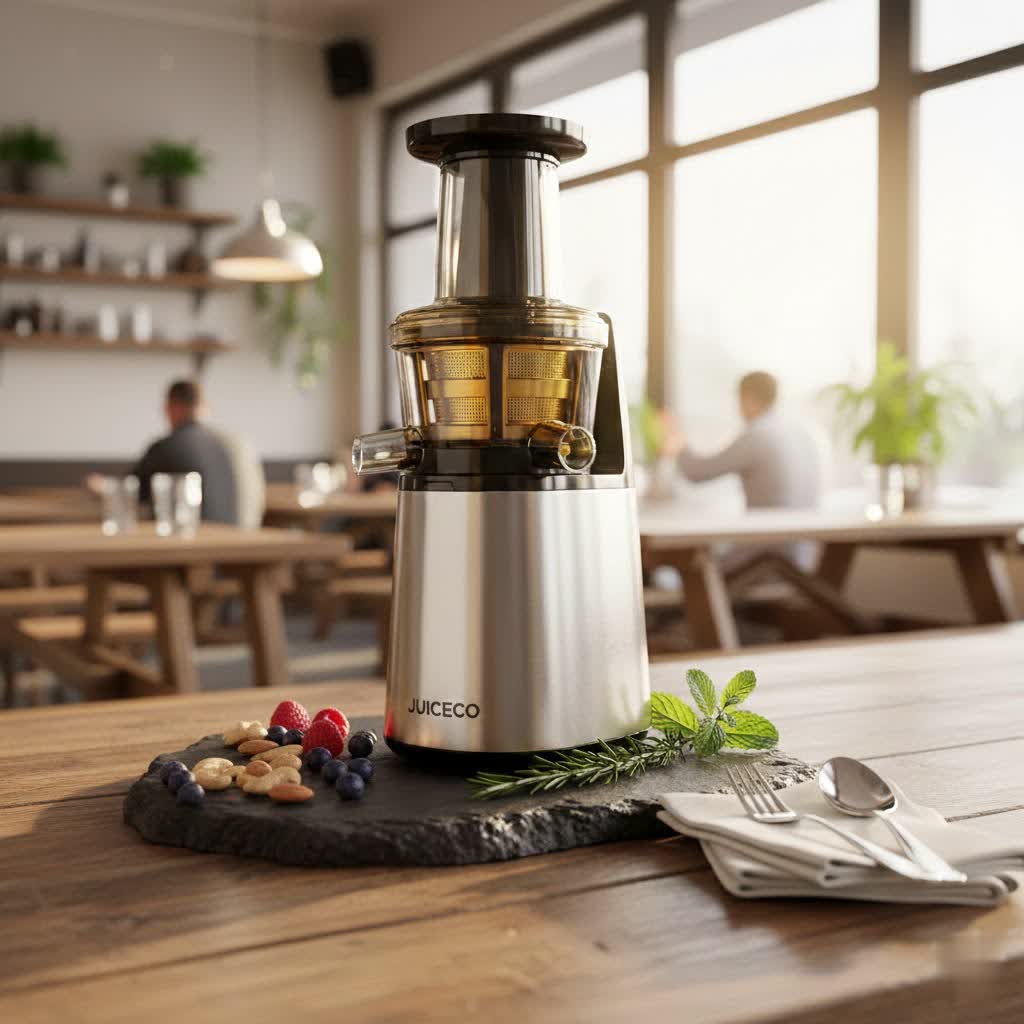
What is a Fruit and Vegetable Juicer Machine? Why Do You Need One?
A fruit and vegetable juicer machine is a kitchen appliance designed to extract liquid from fresh produce, separating it from the fibrous pulp. By doing so, it delivers a concentrated dose of vitamins, minerals, and antioxidants in a highly absorbable form. Integrating fresh juice into your routine is an excellent way to effortlessly consume more fruits and vegetables, often exceeding what you might eat whole, thus contributing to better hydration and potentially supporting cardiovascular health.
The primary benefit of juicing lies in its ability to condense a significant amount of produce into a single, easy-to-drink serving, allowing for quicker absorption of micronutrients. While juicing removes fiber, which is important for digestion and blood sugar regulation, it still provides a potent infusion of beneficial plant compounds. For many, it’s a convenient and delicious method to diversify their nutrient intake and ensure they’re getting a broad spectrum of health-supporting elements from fresh produce.
Popular Types of Fruit and Vegetable Juicer Machines
The market offers several types of juicer machines, each with distinct mechanisms, advantages, and disadvantages. Understanding these differences is crucial for selecting the right device for your specific juicing habits and desired juice quality.
Centrifugal Juicers
Centrifugal juicers are often the entry point for many aspiring juicers, known for their speed and affordability. They operate by shredding fruits and vegetables with a rapidly spinning blade against a mesh filter, then using centrifugal force to separate the juice from the pulp.
- Advantages:
- Speed: They process produce very quickly, ideal for busy mornings.
- Affordability: Generally the most budget-friendly option.
- Ease of Use: Simple to operate, often requiring minimal pre-cutting for larger produce due to wide feed chutes.
- Disadvantages:
- Oxidation and Heat: The high-speed spinning generates heat and introduces more air, leading to higher oxidation. This can reduce enzyme and nutrient content, and juice may separate or spoil faster.
- Juice Quality: Tends to produce more foamy juice with wetter pulp, indicating less efficient extraction.
- Noise Level: Can be quite loud during operation.
- Not Ideal for Leafy Greens: Struggles with fibrous greens like kale and wheatgrass, yielding less juice.
|
Our Picks for the Best Fruit Juicer in 2026
As an Amazon Associate I earn from qualifying purchases.
|
||
| Num | Product | Action |
|---|---|---|
| 1 | Juicer Machine, 800W Centrifugal Juicer Extractor with Wide Mouth 3” Feed Chute for Fruit Vegetable, Easy to Clean, Stainless Steel, BPA-free (Gold) |

|
| 2 | Qcen Juicer Machine, 800W Centrifugal Juicer Extractor with Wide Mouth 3” Feed Chute for Fruit Vegetable, Easy to Clean, Stainless Steel, BPA-free (Black) |
|
| 3 | QCen Juicer Machine, 500W Centrifugal Juicer Extractor with Wide Mouth 3” Feed Chute for Fruit Vegetable, Easy to Clean, Stainless Steel, BPA-free (Aqua) |
|
| 4 | QCen Juicer Machine, 500W Centrifugal Juicer Extractor with Wide Mouth 3” Feed Chute for Fruit Vegetable, Easy to Clean, Stainless Steel, BPA-free (Gold) |
|
| 5 | QCen Juicer Machine, 500W Centrifugal Juicer Extractor with Wide Mouth 3” Feed Chute for Fruit Vegetable, Easy to Clean, Stainless Steel, BPA-free (Green) |
|
| 6 | Juicer Machine, 800W Centrifugal Juicer Extractor with Wide Mouth 3” Feed Chute for Fruit Vegetable, Easy to Clean, Stainless Steel, BPA-free (Green) |
|
| 7 | Juicer Machine, 800W Centrifugal Juicer Extractor with Wide Mouth 3” Feed Chute for Fruit Vegetable, Easy to Clean, Stainless Steel, BPA-free (Metallic Black) |
|
| 8 | Juicer Machine, 800W Centrifugal Juicer Extractor with Wide Mouth 3” Feed Chute for Fruit Vegetable, Easy to Clean, Stainless Steel, BPA-free (Aqua) |
|
| 9 | Juicer Machine, 800W Centrifugal Juicer Extractor with Wide Mouth 3” Feed Chute for Fruit Vegetable, Easy to Clean, Stainless Steel, BPA-free (Metallic Red) |
|
| 10 | Qcen Juicer Machine, 500W Centrifugal Juicer Extractor with Wide Mouth 3” Feed Chute for Fruit Vegetable, Easy to Clean, Stainless Steel, BPA-free (Black) |
|
Masticating Juicers (Slow Juicers / Cold Press Juicers)
Masticating juicers, also known as slow juicers or cold press juicers, work by slowly crushing and pressing produce to extract juice. This “chewing” action minimizes heat buildup and oxidation, preserving more nutrients and enzymes.
- Advantages:
- High Juice Quality: Produces nutrient-dense, vibrant juice with minimal foam and slower separation.
- High Yield: Extracts more juice from produce, especially leafy greens and wheatgrass, resulting in drier pulp.
- Nutrient Preservation: The slow, low-heat process helps retain delicate enzymes and vitamins.
- Quiet Operation: Significantly quieter than centrifugal models.
- Versatility: Many models can make nut milks, sorbets, and baby food.
- Disadvantages:
- Slower Speed: Juicing takes more time compared to centrifugal models.
- Higher Price: Generally more expensive upfront.
- Prep Time: Often requires produce to be cut into smaller pieces due to narrower feed chutes.
Triturating Juicers (Twin-Gear Juicers)
Triturating juicers, often referred to as twin-gear juicers, are a specialized type of masticating juicer. They feature two interlocking gears that grind and press produce with extreme efficiency.
- Advantages:
- Superior Juice Quality & Yield: Offer the highest juice yield and nutrient preservation, producing exceptionally dry pulp and very stable juice.
- Excellent for Leafy Greens & Wheatgrass: Unparalleled performance with challenging fibrous ingredients.
- Multi-Purpose: Often capable of a wide range of food processing tasks beyond juicing, such as making nut butters, pasta, and baby food.
- Disadvantages:
- Highest Price: The most expensive type of juicer.
- Bulky & Complex: Can be large, heavy, and have more parts, making assembly and cleaning more involved.
- Slow Operation: Similar to single-auger masticating juicers, they are slower than centrifugal models.
Detailed Comparison Table of Fruit and Vegetable Juicer Machines
| Feature | Centrifugal Juicer | Masticating Juicer (Slow/Cold Press) | Triturating Juicer (Twin-Gear) |
|---|---|---|---|
| Operating Speed | Fast (3,000-10,000 RPM) | Slow (40-100 RPM) | Very Slow (80-100 RPM) |
| Juice Quality | Moderate (more foam, quick separation) | High (less foam, slow separation) | Superior (minimal foam, very slow separation) |
| Juice Yield | High (wetter pulp) | Very High (dry pulp) | Extremely High (very dry pulp) |
| Nutrient Retention | Moderate (more oxidation/heat) | High (minimal oxidation/heat) | Highest (least oxidation/heat) |
| Best For | Hard fruits (apples), firm vegetables (carrots) | All fruits, vegetables, leafy greens, wheatgrass | All produce, especially leafy greens, wheatgrass, herbs |
| Noise Level | Moderate to High | Low | Low |
| Price Range | Budget-friendly | Mid-to-High | Premium |
| Ease of Cleaning | Moderate (fewer parts) | Moderate (can have intricate parts) | More involved (multiple components) |
Top-Rated Fruit and Vegetable Juicers on the Market Today
While specific models evolve, certain brands consistently deliver high-performance fruit and vegetable juicer machines. Here are some categories and examples of top contenders:
- Best Overall Masticating Juicer: The Omega NC900HDC is frequently cited for its robust performance, high juice yield, and versatility, making it a favorite for those serious about nutrient extraction.
- Best Centrifugal Juicer for Beginners: The Breville Juice Fountain Cold Plus offers a great balance of speed, efficiency for fruits and harder vegetables, and ease of use. It incorporates “cold spin technology” to minimize heat, a common centrifugal drawback.
- Best Budget-Friendly Cold Press Juicer: The Ninja NeverClog Cold Press Juicer provides an accessible entry point into slow juicing, noted for its user-friendly design and solid performance for its price point.
- Premium Masticating Options: Brands like Kuvings (e.g., REVO830W) and Hurom (e.g., H400) are recognized for innovative features like wide feed chutes for less prep, advanced designs, and excellent juice quality, though they come with a higher price tag.
- Versatile Options: Some masticating juicers, like certain Omega and Tribest Greenstar models, excel not only at juicing but also at making pasta, nut butters, and purees, adding significant value to your kitchen.
Guide to Choosing the Right Fruit and Vegetable Juicer Machine
Selecting the ideal juicer machine involves considering your lifestyle, juicing habits, and expectations. It’s about finding the perfect match, not just the most expensive or feature-rich model.
Determine Your Usage Needs
- What produce will you juice most often? If you mainly plan to juice hard fruits like apples and firm vegetables like carrots, a centrifugal juicer might suffice for speed. For leafy greens, wheatgrass, or soft fruits, a masticating or triturating juicer is far more effective.
- How often will you juice? Daily juicers might prioritize efficiency and ease of cleaning, while occasional users might opt for a simpler, more compact model.
- How much juice do you need? Some juicers are better suited for large batches, while others are perfect for single servings.
Set Your Budget
- Entry-Level (Under $150): Centrifugal juicers and some basic masticating models offer good value for exploring juicing without a significant investment.
- Mid-Range ($150-$400): This category typically includes higher-quality masticating juicers with better performance, yield, and durability.
- Premium ($400+): Top-tier masticating and triturating juicers, offering the best juice quality, highest yield, greatest versatility, and often extended warranties.
Consider Other Important Factors
- Noise Level: If you plan to juice early mornings or in a shared living space, a quieter masticating juicer is preferable.
- Ease of Cleaning: This is a critical factor for long-term satisfaction. Look for models with dishwasher-safe parts, minimal components, and easy-to-access screens.
- Footprint & Storage: Juicers can take up significant counter space. Consider vertical designs for smaller kitchens or models that are easy to disassemble and store.
- Feed Chute Size: Wider feed chutes reduce prep time, as you can insert larger pieces of produce.
- Durability & Warranty: A longer warranty often indicates higher quality components and manufacturer confidence.
Tips for Using and Maintaining Your Fruit and Vegetable Juicer Machine
Maximizing the lifespan and performance of your juicer machine involves proper usage and diligent maintenance.
- Prepare Your Produce: Wash all fruits and vegetables thoroughly. While some juicers handle whole produce, cutting ingredients into smaller pieces can prevent clogging, especially for fibrous items like celery or ginger.
- Feed Slowly: Avoid overfeeding the machine. Allow the juicer to process each piece before adding more, particularly with masticating models, to ensure efficient extraction and prevent jams.
- Alternate Ingredients: When juicing a mix, alternate between hard and soft ingredients. Harder produce can help push softer or fibrous items through the juicer more effectively.
- Clean Immediately: The most crucial tip for easy maintenance is to clean your juicer right after use. Dried pulp is much harder to remove. Rinse all removable parts under running water, use the provided brushes for screens, and wipe down the base.
- Deep Cleaning: Periodically, conduct a more thorough cleaning with warm soapy water. Check your manual for specific deep cleaning instructions.
- Store Properly: Ensure all parts are completely dry before reassembling or storing your juicer to prevent mold or odors.
Common Fruit and Vegetable Juicer Machine Problems and Solutions
Even with the best juicer, you might encounter minor issues. Here’s how to troubleshoot some common problems:
- Machine Not Turning On:
- Check Power: Ensure the juicer is properly plugged in and the outlet is working.
- Safety Lock: Many juicers have safety mechanisms. Confirm all parts are correctly assembled and locked into place.
- Juicer Getting Clogged / Stalling:
- Overfeeding: You might be pushing too much produce through too quickly. Reduce the amount of produce fed at once.
- Fibrous Ingredients: Leafy greens or celery can wrap around the auger or blade. Pre-cut these into smaller pieces.
- Hard Ingredients: Ensure the juicer is designed for the hardness of the produce. Some masticating juicers have a reverse function to clear jams.
- Low Juice Yield / Wet Pulp:
- Machine Type: Centrifugal juicers naturally produce wetter pulp than masticating types.
- Produce Quality: Overripe or less juicy produce will yield less.
- Feeding Speed: Slow down the feeding process to allow for maximum extraction.
- Excessive Foam:
- Centrifugal Juicers: This is common due to high-speed aeration. A froth separator in the pitcher can help.
- Masticating Juicers: Less common, but can happen with certain fruits.
Where to Buy a Reliable Fruit and Vegetable Juicer Machine?
When investing in a fruit and vegetable juicer machine, purchasing from a reputable source is essential for product authenticity, warranty, and customer support.
- Major Electronics & Department Stores: Retailers like Best Buy often carry a wide range of popular juicer brands and models, both online and in-store. This allows you to compare different types and prices directly.
- Online Retailers: Amazon, Walmart, and the official websites of brands like Omega, Breville, Ninja, Kuvings, and Hurom offer extensive selections, often with competitive pricing and direct shipping. Be sure to check seller reviews if buying from third-party sellers.
- Specialty Appliance Stores: These stores may offer more niche or high-end models and provide expert advice.
Always compare prices, read recent customer reviews, and check the warranty information before making your purchase, especially when buying online.
Conclusion
Choosing the right fruit and vegetable juicer machine is a personal decision that can significantly impact your daily wellness routine. Whether you prioritize speed and affordability with a centrifugal model, or optimal nutrient retention and versatility with a masticating or triturating juicer, there’s a perfect machine waiting to transform your kitchen into a health hub. By understanding the different types, considering your needs and budget, and committing to proper usage and maintenance, you’ll unlock a world of vibrant, nutrient-packed juices that support your health and vitality for years to come. What healthy concoction will you create first with your new juicer?
Frequently Asked Questions
Is juicing better than blending for nutrient intake?
Juicing extracts a concentrated liquid rich in vitamins, minerals, and antioxidants, allowing for quicker absorption. Blending, however, retains the whole fruit or vegetable, including all the dietary fiber, which is crucial for digestive health and satiety. Both methods offer distinct nutritional benefits, and the “better” choice depends on your specific health goals and dietary needs.
How often should I clean my fruit and vegetable juicer machine?
For optimal hygiene and to prevent pulp from hardening, you should clean your juicer machine immediately after each use. A quick rinse of removable parts and a scrub of the screen is usually sufficient for daily cleaning. For a deeper clean, disassemble all parts and wash with warm, soapy water, or place dishwasher-safe components in the dishwasher.
Can I juice frozen fruits and vegetables?
Most juicers are designed for fresh produce and are not ideal for juicing frozen fruits and vegetables directly, as this can strain the motor or cause damage. If you wish to use frozen ingredients, it’s generally best to thaw them first to a soft consistency. However, some masticating juicers are versatile enough to handle semi-frozen items to create sorbets or “nice” creams.
