Imagine starting your day with a vibrant, nutrient-packed glass of fresh juice, prepared in minutes without the tedious chore of chopping. For many, the joy of juicing is often overshadowed by lengthy ingredient preparation. This is where a whole fruit juicer becomes a kitchen game-changer. Designed with wide feed chutes, these innovative machines allow you to process entire fruits and vegetables, dramatically cutting down on prep time and making healthy living more accessible than ever. This comprehensive guide will explore why a whole fruit juicer is an essential addition to your kitchen, delve into the different types available, highlight top models, and equip you with all the information needed to make the perfect choice for your lifestyle.
What is a Whole Fruit Juicer and Why Do You Need One?
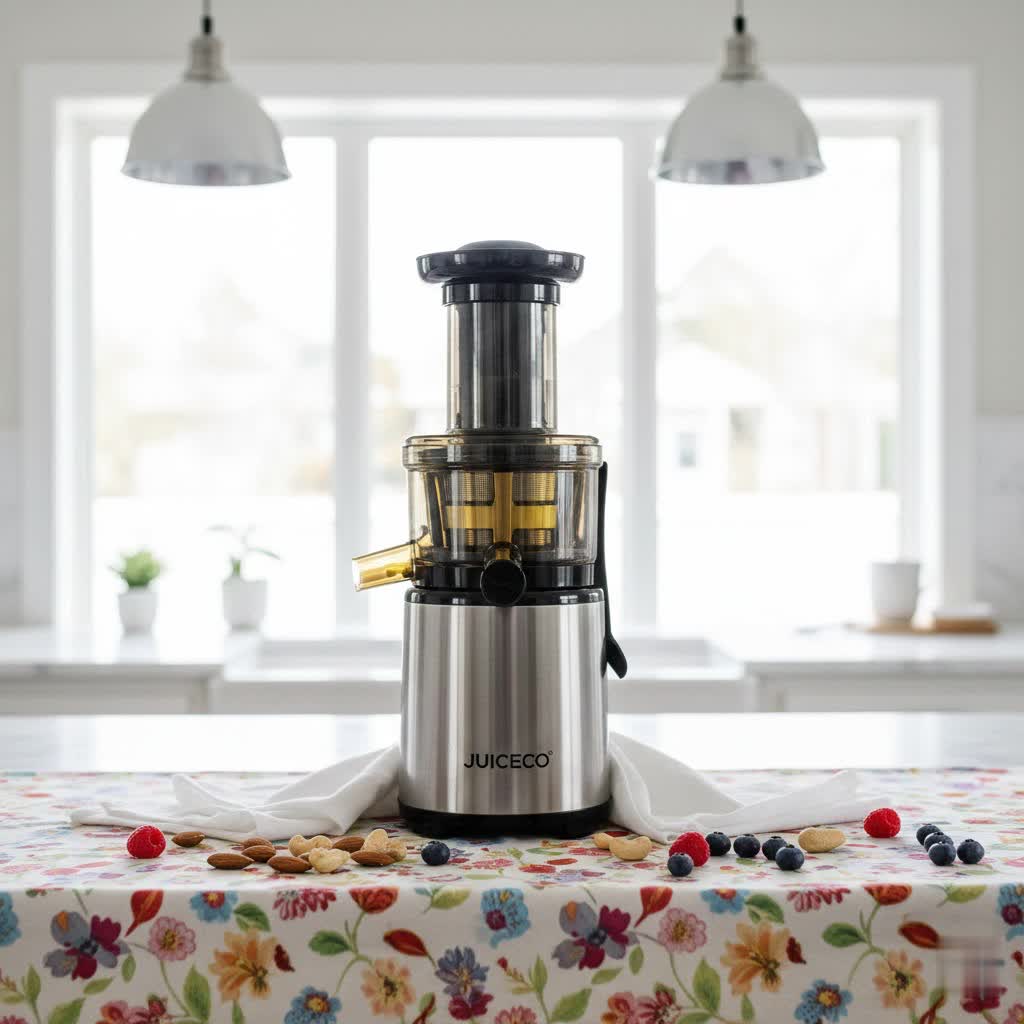
A whole fruit juicer is a juice extractor equipped with an extra-wide feed chute, typically large enough to accommodate an entire apple, orange, or other similarly sized produce without prior cutting. Its primary purpose is to streamline the juicing process, offering unparalleled convenience and significantly reducing the time spent on food preparation.
Beyond the sheer convenience, integrating fresh, homemade juice into your daily routine offers a myriad of health benefits. Fresh juices are concentrated sources of vitamins, minerals, and enzymes, easily absorbed by the body. They can boost immunity, aid digestion, increase energy levels, and contribute to overall well-being. By minimizing prep work, a whole fruit juicer makes it simpler to consistently consume the recommended daily servings of fruits and vegetables, transforming a time-consuming task into a quick and enjoyable ritual.
Understanding the Types of Whole Fruit Juicers
When considering a whole fruit juicer, you’ll primarily encounter two main types: centrifugal and masticating. Each operates differently and offers distinct advantages, especially concerning their ability to handle whole produce.
Centrifugal Juicers for Whole Fruit
Centrifugal juicers, often referred to as “fast juicers,” operate by using a rapidly spinning blade to shred fruits and vegetables into a pulp. The centrifugal force then separates the juice from the pulp, pushing the liquid through a fine mesh strainer and ejecting the pulp into a separate container. Many centrifugal models feature wide feed chutes, making them excellent choices for whole fruit juicing.
-
Pros:
- Speed: Centrifugal juicers are remarkably fast, producing a glass of juice in mere seconds. This makes them ideal for busy mornings or when you need juice quickly.
- Wide Chutes: Many come with generous feed chutes, often 3 inches or wider, allowing you to insert whole apples, pears, or peeled oranges, significantly reducing prep time.
- Affordability: Generally, centrifugal juicers are more budget-friendly than their masticating counterparts, offering a great entry point into home juicing.
- Good for Hard Produce: They excel at juicing hard fruits and vegetables like apples, carrots, and beets.
-
Cons:
- Heat and Oxidation: The high-speed spinning can generate heat and introduce air into the juice, leading to oxidation. This can potentially degrade some heat-sensitive nutrients and enzymes, and the juice may have a shorter shelf life and more foam.
- Less Efficient for Leafy Greens: They tend to be less efficient at extracting juice from leafy greens, often resulting in lower yields.
- Foamier Juice: The rapid spinning often produces a foamy layer on top of the juice.
-
Best Suited For: Individuals who prioritize speed and convenience above all else, especially those who primarily juice hard fruits and vegetables and are new to juicing.
|
Our Picks for the Best Fruit Juicer in 2026
As an Amazon Associate I earn from qualifying purchases.
|
||
| Num | Product | Action |
|---|---|---|
| 1 | QCen Juicer Machine, 500W Centrifugal Juicer Extractor with Wide Mouth 3” Feed Chute for Fruit Vegetable, Easy to Clean, Stainless Steel, BPA-free (Gold) |

|
| 2 | Juicer Machine, 800W Centrifugal Juicer Extractor with Wide Mouth 3” Feed Chute for Fruit Vegetable, Easy to Clean, Stainless Steel, BPA-free (Green) |
|
| 3 | Qcen Juicer Machine, 800W Centrifugal Juicer Extractor with Wide Mouth 3” Feed Chute for Fruit Vegetable, Easy to Clean, Stainless Steel, BPA-free (Black) |
|
| 4 | Qcen Juicer Machine, 500W Centrifugal Juicer Extractor with Wide Mouth 3” Feed Chute for Fruit Vegetable, Easy to Clean, Stainless Steel, BPA-free (Black) |
|
| 5 | Juicer Machine, 800W Centrifugal Juicer Extractor with Wide Mouth 3” Feed Chute for Fruit Vegetable, Easy to Clean, Stainless Steel, BPA-free (Metallic Red) |
|
| 6 | Juicer Machine, 800W Centrifugal Juicer Extractor with Wide Mouth 3” Feed Chute for Fruit Vegetable, Easy to Clean, Stainless Steel, BPA-free (Aqua) |
|
| 7 | QCen Juicer Machine, 500W Centrifugal Juicer Extractor with Wide Mouth 3” Feed Chute for Fruit Vegetable, Easy to Clean, Stainless Steel, BPA-free (Green) |
|
| 8 | Juicer Machine, 800W Centrifugal Juicer Extractor with Wide Mouth 3” Feed Chute for Fruit Vegetable, Easy to Clean, Stainless Steel, BPA-free (Metallic Black) |
|
| 9 | QCen Juicer Machine, 500W Centrifugal Juicer Extractor with Wide Mouth 3” Feed Chute for Fruit Vegetable, Easy to Clean, Stainless Steel, BPA-free (Aqua) |
|
| 10 | Juicer Machine, 800W Centrifugal Juicer Extractor with Wide Mouth 3” Feed Chute for Fruit Vegetable, Easy to Clean, Stainless Steel, BPA-free (Gold) |
|
Masticating (Slow) Juicers for Whole Fruit
Masticating juicers, also known as “slow juicers” or “cold press juicers,” operate at a much slower speed, typically between 40-120 RPM. They use a single or twin auger (screw-like mechanism) to crush and press produce against a screen, extracting juice without generating significant heat. In recent years, many masticating juicers have incorporated wide feed chutes, combining the benefits of cold pressing with the convenience of whole fruit processing.
-
Pros:
- Higher Nutrient Retention: The slow, gentle pressing action minimizes heat and oxidation, preserving more vitamins, minerals, and enzymes, resulting in a more nutrient-dense juice.
- Superior Juice Quality: Produces smooth, vibrant juice with less foam and pulp. The juice also typically has a longer shelf life (up to 72 hours when refrigerated).
- Higher Yield: Masticating juicers are more efficient, extracting more juice from the same amount of produce, which means less waste and more savings over time.
- Versatility: Excellent for juicing a wide variety of produce, including leafy greens, soft fruits, and even making nut milks, sorbets, and baby food with additional attachments.
- Quiet Operation: They operate much more quietly than centrifugal juicers.
-
Cons:
- Slower Speed: The juicing process takes longer, which might be a consideration if you’re always in a rush.
- Higher Price Point: Masticating juicers are generally more expensive, reflecting their advanced technology and juice quality.
- More Components to Clean: While many modern designs prioritize easy cleaning, they can sometimes have more parts to wash than basic centrifugal models.
-
Best Suited For: Health-conscious individuals who prioritize nutrient retention, high-quality juice, and versatility, and are willing to invest more time and money for superior results.
Triturating (Twin-Gear) Juicers
While not always featuring ultra-wide chutes for “whole fruit” juicing in the same way centrifugal or single-auger masticating juicers do, triturating juicers represent the pinnacle of cold-press technology. They use two interlocking gears to grind and press produce extremely thoroughly. These are highly efficient, yielding the driest pulp and the most nutrient-dense juice. They excel particularly with leafy greens, herbs, and even wheatgrass. However, they are significantly more expensive and often require more meticulous cleaning due to their complex design. For “whole fruit” juicing, their chutes are typically narrower, necessitating some pre-chopping, which means they are not as aligned with the primary “convenience” aspect of whole fruit juicing. Therefore, for most users seeking a “whole fruit juicer,” the focus remains on wide-chute centrifugal and masticating models.
Detailed Comparison Table: Centrifugal vs. Masticating Whole Fruit Juicers
| Feature | Centrifugal Juicers (Wide Chute) | Masticating Juicers (Wide Chute) |
|---|---|---|
| Extraction Method | High-speed spinning blade shreds produce; centrifugal force separates juice. | Slow-rotating auger crushes and presses produce; juice is squeezed out. |
| Speed of Juicing | Very Fast (seconds to minutes) | Slow (several minutes per batch) |
| Juice Quality | Good, but can be foamy; some pulp. | Excellent, smooth, minimal foam, less pulp. |
| Nutrient Retention | Moderate (heat/oxidation can degrade some nutrients). | High (minimal heat/oxidation preserves more nutrients and enzymes). |
| Prep Time | Very low (wide chute accepts whole fruits). | Low to moderate (wide chute reduces prep, but denser items may still need some chopping). |
| Juice Yield | Moderate (more moisture in pulp). | High (drier pulp, extracts more juice). |
| Best for Produce | Hard fruits (apples, carrots) and firm vegetables. | Wide variety, including leafy greens, soft fruits, hard fruits. |
| Noise Level | Loud, especially at high speeds. | Quiet operation. |
| Ease of Cleaning | Generally easier (fewer parts, often dishwasher-safe parts). | Varies by model; typically more components, may require hand washing. |
| Price Range | More Affordable ($100 – $300) | Higher-end ($200 – $600+) |
| Juice Shelf Life | Shorter (best consumed immediately). | Longer (up to 72 hours, due to less oxidation). |
Top Picks: Best Juicers for Whole Fruit
Choosing the best juicer for whole fruit depends on your specific needs, but here are some top-rated models that consistently impress with their performance and wide-chute capabilities:
1. Kuvings REVO830 Whole Slow Juicer (Masticating)
The Kuvings REVO830 stands out as a premium choice for serious juicers. It features a unique dual-feed chute system: a standard 3.2-inch wide chute perfect for whole apples and oranges, and a narrower, dedicated auto-cut chute for long, fibrous vegetables like carrots and celery, minimizing jamming and maximizing efficiency.
- Pros: Exceptional juice yield, high nutrient retention, quiet operation, versatile (can make sorbets and nut milks), superior for various produce, significantly reduces prep with its wide chute.
- Cons: High price point, slower juicing speed compared to centrifugal models.
- Ideal for: Health enthusiasts who demand the highest quality juice with minimal prep for a wide range of ingredients and are willing to invest.
2. Breville Juice Fountain Cold Plus (Centrifugal)
For those who prioritize speed and convenience, the Breville Juice Fountain Cold Plus is an excellent centrifugal option. It boasts a powerful motor and a 3.5-inch extra-wide feed chute, allowing you to drop in whole fruits and vegetables with ease. Its “Cold Spin Technology” aims to minimize temperature increase during juicing, preserving more nutrients than traditional centrifugal models.
- Pros: Extremely fast juicing, very wide feed chute for whole produce, relatively easy to clean with dishwasher-safe parts, durable stainless steel design.
- Cons: Can be noisy, juice may have more foam, less efficient for leafy greens compared to masticating juicers.
- Ideal for: Busy individuals or families who need quick, fresh juice from hard fruits and vegetables, and want minimal prep work.
3. Kuvings AUTO10 Plus Hands-Free Slow Juicer (Masticating)
Another standout from Kuvings, the AUTO10 Plus is designed for batch juicing with its enormous hopper extension, capable of holding up to 135 ounces of produce at once. Its wide feed chute and powerful motor allow for hands-free juicing of large quantities of whole fruits, making it a true time-saver.
- Pros: Massive capacity for hands-free whole fruit juicing, excellent juice quality and yield, strong motor, quiet operation.
- Cons: Very large footprint, premium price.
- Ideal for: Dedicated juicers who make large batches of juice regularly and value the convenience of hands-free operation and minimal prep.
4. Nutribullet Slow Juicer (Masticating)
The Nutribullet Slow Juicer offers an accessible entry into masticating juicing with a wide mouth. It’s known for its user-friendly design and ability to produce delicious juice at an entry-level price point for a slow juicer. Its wider feed chute helps reduce some chopping.
- Pros: Good value for a masticating juicer, simple to use, decent juice yield and quality, wide mouth accommodates larger pieces of produce.
- Cons: Can be slower and sometimes noisier than higher-end masticating models, may require some effort for very hard whole fruits.
- Ideal for: Beginners to slow juicing who want better nutrient retention than centrifugal models, a wide mouth for convenience, and are on a more modest budget.
How to Choose the Right Whole Fruit Juicer for Your Kitchen
Selecting the ideal whole fruit juicer involves weighing several factors unique to your lifestyle and juicing habits:
-
Identify Your Juicing Needs:
- What type of produce will you juice most? If it’s mostly hard fruits like apples and carrots, a wide-chute centrifugal might suffice. If you’re keen on leafy greens, celery, and soft berries, a wide-chute masticating juicer will perform better.
- How often will you juice? Daily juicers might justify a higher investment in a more efficient and durable masticating model. Occasional juicers might prefer the speed and lower cost of a centrifugal.
- How much juice do you need? For single servings, almost any model works. For family-sized batches or meal prepping, look for models with larger pulp bins and juice containers, or a large hopper like the Kuvings AUTO10.
-
Set Your Budget: Juicers range widely in price. Determine how much you’re willing to spend. Remember that a more expensive masticating juicer might save you money on produce in the long run due to higher yield.
-
Consider Chute Size: Since “whole fruit” is your priority, pay close attention to the feed chute’s diameter. Look for 3 inches (7.5 cm) or wider to minimize or eliminate pre-chopping.
-
Ease of Cleaning: This is a critical factor that often determines how frequently you’ll use your juicer. Look for models with fewer parts, dishwasher-safe components, and simple assembly/disassembly. Many modern juicers come with specialized cleaning brushes.
-
Countertop Space and Noise Level: Juicers can be bulky. Measure your available countertop and storage space. Also, consider the noise level, especially if you plan to juice early in the morning or late at night. Masticating juicers are generally much quieter.
-
Warranty and Brand Reputation: A good warranty (e.g., 5-10 years on motor) is a sign of a manufacturer’s confidence in their product. Research brand reviews for reliability and customer service.
Tips for Using and Maintaining Your Whole Fruit Juicer
To ensure your whole fruit juicer operates efficiently and lasts for years, proper usage and maintenance are key:
- Prepare Your Produce: Even with a wide chute, give your fruits and vegetables a good wash. For some fruits with thick, inedible rinds (like oranges or pineapples), peeling is still necessary. Remove large seeds or pits from stone fruits to prevent damage to the auger or blades.
- Feed Gradually: While wide chutes reduce chopping, don’t overload the juicer. Feed produce at a steady pace, allowing the machine to process each piece thoroughly before adding more. This prevents clogging and ensures optimal juice extraction.
- Alternate Hard and Soft Produce: When juicing a mix of ingredients, alternate between harder and softer items. This helps push through softer pulpy produce and ensures a better yield.
- Clean Immediately: The golden rule of juicing is to clean your machine immediately after use. Pulp and juice can dry and harden, making cleanup much more difficult. Disassemble all removable parts and rinse them under running water. Use any provided brushes to scrub mesh filters and crevices. For stubborn residue, soak parts in warm, soapy water.
- Regular Deep Cleaning: Periodically, give your juicer a more thorough clean. Check for any build-up in hard-to-reach areas. Some parts may be dishwasher safe, but always check your manual.
- Proper Storage: Ensure all parts are completely dry before reassembling and storing your juicer to prevent mold and mildew growth. Store it in a cool, dry place.
Common Whole Fruit Juicer Issues and Troubleshooting
Even the best juicers can encounter issues. Here’s how to troubleshoot some common problems:
-
Juicer Not Turning On:
- Check Power: Ensure the juicer is properly plugged into a functional outlet.
- Safety Lock: Most juicers have safety mechanisms. Make sure all parts are correctly assembled and locked into place. Refer to your manual for specific assembly instructions.
- Overheating: If the juicer has been running for a long time or is overloaded, it might have an automatic shut-off feature to prevent overheating. Allow it to cool down before trying again.
-
Machine Clogs or Stops Mid-Juice:
- Overloading: You might be feeding produce too quickly or pushing too much through at once. Reduce the quantity.
- Fibrous Produce: Long, fibrous greens (like celery or kale) can sometimes wrap around the auger or blade. Most masticating juicers have a “reverse” function to dislodge blockages. For centrifugal, turn it off, disassemble, and clear the obstruction.
- Hard Seeds/Pits: Ensure all large seeds and pits are removed before juicing.
-
Pulp is Wet, or Juice Yield is Low:
- Type of Produce: Some fruits naturally have higher water content than others.
- Juicer Type: Centrifugal juicers generally produce wetter pulp than masticating juicers.
- Feeding Speed: Ensure you’re feeding produce at a consistent, not too fast, pace.
- Filter Clog: A clogged mesh filter can reduce juice flow. Clean the filter thoroughly.
-
Excessive Foam:
- Centrifugal Juicers: This is common due to the high-speed operation. You can skim off the foam or use a juice pitcher with a foam separator.
- Masticating Juicers: If a masticating juicer produces excessive foam, it might indicate it’s being overloaded, or the produce is very aerated.
Where to Buy Reliable Whole Fruit Juicers
Investing in a quality whole fruit juicer means knowing where to purchase from reputable sources.
- Online Retailers: Major online platforms like Amazon, Best Buy, and the official websites of brands like Kuvings, Breville, Nama, and Omega offer a wide selection, often with competitive pricing and customer reviews. Always check the seller’s reputation and return policy.
- Department Stores & Home Appliance Retailers: Stores like Macy’s, Williams Sonoma, and dedicated kitchen appliance stores allow you to see models in person and sometimes offer demonstrations. Sales associates can also provide valuable insights.
- Specialty Health Stores: Some health-focused stores might carry a curated selection of high-end masticating juicers.
When buying online, pay close attention to the warranty, shipping costs, and the store’s return policy. Reading recent customer reviews can also provide real-world insights into a juicer’s performance and durability.
Conclusion
Embracing a whole fruit juicer is more than just buying an appliance; it’s investing in a simpler, healthier lifestyle. The ability to juice entire fruits and vegetables without the painstaking prep work transforms juicing from a chore into a delightful ritual. Whether you opt for the lightning speed of a wide-chute centrifugal model or the nutrient-preserving power of a wide-chute masticating juicer, the right choice will seamlessly integrate fresh, vibrant nutrition into your daily routine. By understanding the differences, considering your personal needs, and following proper care, you can unlock a world of effortless, delicious, and healthful beverages right in your own kitchen.
What fresh, whole fruit juice will you create first?
Frequently Asked Questions
Can you put any whole fruit in a juicer?
While wide-chute juicers significantly reduce prep, it’s generally recommended to remove large, hard pits (like from peaches, cherries, or avocados) and tough, inedible rinds (citrus, pineapple) to prevent damage to the machine. Soft fruits like berries can often be juiced whole.
Are whole fruit juicers better for nutrients?
The “whole fruit” aspect primarily refers to the convenience of the wide chute, which doesn’t directly impact nutrient retention. Nutrient retention is determined by the type of juicer: masticating (slow/cold press) juicers are generally superior in preserving nutrients compared to centrifugal juicers due to less heat and oxidation.
How do I clean a wide-chute juicer?
The cleaning process is similar to other juicers but can be easier due to fewer small pieces. Immediately after use, disassemble parts and rinse under running water. Use a brush (often included) for the mesh filter. Some parts may be dishwasher-safe, but always check your manual.
What’s the difference between a wide-chute juicer and a regular one?
The key difference is the size of the feed opening. A “wide-chute” juicer has an opening typically 3 inches (7.5 cm) or larger, allowing you to insert whole or large pieces of produce, significantly reducing or eliminating the need for pre-chopping. Regular juicers have narrower chutes, requiring more extensive cutting of ingredients.
