Embarking on a journey to a healthier lifestyle often begins in the kitchen, and a fruit and veggie juicer can be your most powerful ally. Whether you’re aiming to boost your daily nutrient intake, kickstart a detox, or simply enjoy fresh, vibrant beverages, selecting the right juicer is paramount. This comprehensive guide will navigate you through the world of juicers, ensuring you make an informed decision that perfectly aligns with your health goals and lifestyle.
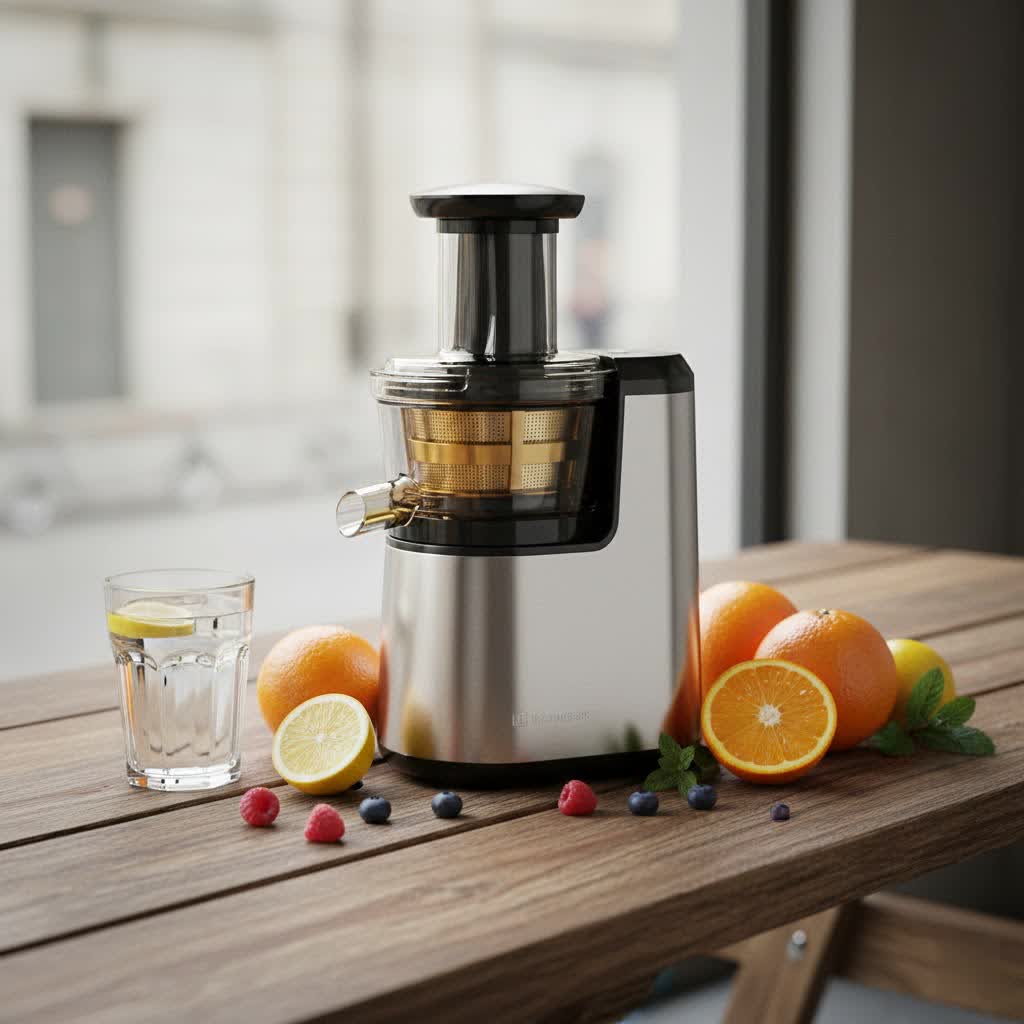
What is a Fruit and Veggie Juicer? Why Do You Need One?
A fruit and veggie juicer is an appliance designed to extract juice from fresh fruits and vegetables, separating the liquid from the pulp. It works by either rapidly spinning produce against a sieve or slowly crushing and pressing it. Owning a juicer allows you to effortlessly incorporate a higher volume of vitamins, minerals, and enzymes into your diet, often more than you could consume by eating whole produce alone.
The health benefits of drinking fresh fruit and vegetable juice are extensive and widely recognized. Fresh juices are packed with easily absorbable nutrients, supporting immune function, aiding digestion, and providing a natural energy boost. They can also contribute to better skin health and help with weight management. Beyond the nutritional advantages, juicing offers a convenient way to consume a diverse range of produce, making it easier to meet your daily recommended servings and explore new flavors.
There are several types of juicers available on the market, each with distinct mechanisms, advantages, and ideal uses. Understanding these differences is key to choosing the best fit for your needs. The most common types include centrifugal, masticating (slow), and triturating (twin gear) juicers, each offering a unique juicing experience and varying levels of juice quality and yield.
Common Types of Fruit and Veggie Juicers
Choosing the right juicer begins with understanding the core technologies available. Each type of juicer has its own method of extraction, which directly impacts the juice quality, yield, and types of produce it handles best. Let’s delve into the specifics of centrifugal, masticating, and triturating juicers to help you discern which one might be your perfect kitchen companion.
Centrifugal Juicers
Centrifugal juicers, often considered the entry-level option, operate by rapidly shredding fruits and vegetables with a flat blade disc at the base of a spinning mesh filter basket. The centrifugal force then pushes the pulp against the filter, separating the juice from the fiber. This high-speed operation is what gives them their characteristic speed and efficiency when it comes to processing large quantities of produce quickly.
- Pros:
- Speed: Centrifugal juicers are the fastest option, making them ideal for busy mornings or when you need juice in a hurry.
- Affordability: Generally, these juicers are the most budget-friendly, offering a great starting point for those new to juicing.
- Ease of Use: They are typically straightforward to assemble and operate, requiring minimal preparation of fruits and vegetables due to their wide feeding chutes.
- Cons:
- Oxidation and Foam: The high-speed spinning introduces more oxygen into the juice, leading to quicker oxidation, reduced nutrient retention, and a foamy top layer.
- Lower Juice Quality and Yield: The heat generated can degrade sensitive enzymes and vitamins. They are also less efficient at extracting juice, especially from leafy greens, resulting in a wetter pulp and lower yield.
- Noise: Centrifugal juicers tend to be significantly louder during operation compared to their slower counterparts.
- Best For: Beginners, individuals on a budget, and those primarily juicing harder fruits and vegetables like apples, carrots, and celery, who prioritize speed over maximum nutrient preservation.
|
Our Picks for the Best Fruit Juicer in 2026
As an Amazon Associate I earn from qualifying purchases.
|
||
| Num | Product | Action |
|---|---|---|
| 1 | QCen Juicer Machine, 500W Centrifugal Juicer Extractor with Wide Mouth 3” Feed Chute for Fruit Vegetable, Easy to Clean, Stainless Steel, BPA-free (Gold) |

|
| 2 | QCen Juicer Machine, 500W Centrifugal Juicer Extractor with Wide Mouth 3” Feed Chute for Fruit Vegetable, Easy to Clean, Stainless Steel, BPA-free (Green) |
|
| 3 | Juicer Machine, 800W Centrifugal Juicer Extractor with Wide Mouth 3” Feed Chute for Fruit Vegetable, Easy to Clean, Stainless Steel, BPA-free (Green) |
|
| 4 | Juicer Machine, 800W Centrifugal Juicer Extractor with Wide Mouth 3” Feed Chute for Fruit Vegetable, Easy to Clean, Stainless Steel, BPA-free (Metallic Red) |
|
| 5 | QCen Juicer Machine, 500W Centrifugal Juicer Extractor with Wide Mouth 3” Feed Chute for Fruit Vegetable, Easy to Clean, Stainless Steel, BPA-free (Aqua) |
|
| 6 | Juicer Machine, 800W Centrifugal Juicer Extractor with Wide Mouth 3” Feed Chute for Fruit Vegetable, Easy to Clean, Stainless Steel, BPA-free (Gold) |
|
| 7 | Qcen Juicer Machine, 800W Centrifugal Juicer Extractor with Wide Mouth 3” Feed Chute for Fruit Vegetable, Easy to Clean, Stainless Steel, BPA-free (Black) |
|
| 8 | Juicer Machine, 800W Centrifugal Juicer Extractor with Wide Mouth 3” Feed Chute for Fruit Vegetable, Easy to Clean, Stainless Steel, BPA-free (Aqua) |
|
| 9 | Qcen Juicer Machine, 500W Centrifugal Juicer Extractor with Wide Mouth 3” Feed Chute for Fruit Vegetable, Easy to Clean, Stainless Steel, BPA-free (Black) |
|
| 10 | Juicer Machine, 800W Centrifugal Juicer Extractor with Wide Mouth 3” Feed Chute for Fruit Vegetable, Easy to Clean, Stainless Steel, BPA-free (Metallic Black) |
|
Masticating Juicers (Slow Juicers)
Masticating juicers, also known as slow juicers or cold press juicers, use a single auger to slowly crush and press fruits and vegetables against a screen. This gentle, low-speed process minimizes heat buildup and oxidation, preserving more enzymes, vitamins, and nutrients. The slower action results in a richer, pulp-free juice with vibrant colors and a longer shelf life.
- Pros:
- Superior Juice Quality: The slow-press method significantly reduces oxidation, preserving more nutrients, enzymes, and a purer taste.
- Higher Juice Yield: Masticating juicers are highly efficient, extracting more juice and leaving behind drier pulp, especially from leafy greens and wheatgrass.
- Versatility: Many models can also make nut butters, sorbets, baby food, and grind coffee, offering multi-functional utility.
- Quiet Operation: They operate much more quietly than centrifugal juicers, making them suitable for use at any time of day without disturbing others.
- Cons:
- Slower Speed: The “slow” in slow juicer means it takes more time to process produce compared to centrifugal models.
- Higher Price Point: Masticating juicers typically come with a higher initial investment.
- More Prep Work: Produce often needs to be cut into smaller pieces to fit the narrower feeding chutes.
- Best For: Health enthusiasts, individuals focused on maximizing nutrient intake, those who frequently juice leafy greens and soft fruits, and anyone looking for a versatile appliance.
Triturating Juicers (Twin Gear Juicers)
Triturating juicers, often referred to as twin-gear or dual-gear juicers, represent the pinnacle of juicing technology. They utilize two interlocking gears that rotate inward, effectively crushing, grinding, and pressing produce with extreme precision. This method replicates the chewing process, breaking down cell walls more thoroughly than any other type of juicer, leading to the highest possible juice yield and nutritional content.
- Pros:
- Highest Juice Yield and Quality: These juicers extract the maximum amount of juice, leaving an incredibly dry pulp. The cold-press method ensures minimal oxidation and superior nutrient preservation.
- Excellent for Leafy Greens and Wheatgrass: Unmatched efficiency in juicing fibrous greens, herbs, and sprouts.
- Multi-purpose Functionality: Many models include attachments for making pasta, baby food, sorbets, and more, similar to masticating juicers but often with even greater versatility.
- Longest Juice Shelf Life: Due to minimal oxidation, the juice can be stored for up to 72 hours without significant nutrient degradation.
- Cons:
- Very High Price: Triturating juicers are the most expensive option on the market, representing a significant investment.
- Complex Assembly and Cleaning: They typically have more parts, making assembly and cleaning a bit more involved than other types.
- Slower Operation: Similar to masticating juicers, the slow, thorough process takes time.
- Best For: Serious health advocates, those with specific dietary needs, individuals who frequently juice large quantities of a wide variety of produce including fibrous greens, and those who prioritize the absolute best juice quality and yield above all else.
Detailed Comparison Table of Juicer Types
To help you visualize the differences, here’s a comprehensive comparison of centrifugal, masticating, and triturating juicers across key criteria:
| Feature | Centrifugal Juicers | Masticating Juicers | Triturating Juicers |
|---|---|---|---|
| Juicing Speed | Fast | Slow to Medium | Very Slow |
| Juice Quality | Good (more oxidation, foam, less nutrients) | Excellent (minimal oxidation, high nutrients) | Superior (virtually no oxidation, maximum nutrients) |
| Juice Yield | Moderate (wet pulp, especially with greens) | High (dry pulp) | Highest (very dry pulp) |
| Produce Types | Hard fruits, firm vegetables | All types, excellent for leafy greens, soft fruits | All types, exceptional for leafy greens, wheatgrass |
| Price Range | Low to Medium | Medium to High | High to Very High |
| Noise Level | Loud | Quiet | Very Quiet |
| Ease of Cleaning | Relatively Easy | Medium | More involved |
| Versatility | Limited to juicing | Good (nut butter, sorbets, baby food) | Excellent (nut butter, pasta, sorbets, baby food) |
| Juice Shelf Life | Up to 24 hours | Up to 48 hours | Up to 72 hours |
Top Fruit and Veggie Juicers Loved by Health Enthusiasts
Selecting a top-performing juicer can be daunting with the array of options available. Based on extensive testing and user reviews, these models consistently stand out in their respective categories for efficiency, juice quality, and durability, catering to different needs and budgets.
1. Omega NC900HDC Masticating Juicer (Best Overall Masticating)
The Omega NC900HDC is a horizontal single-auger masticating juicer renowned for its exceptional performance and versatility. It operates at a slow 80 RPM, ensuring minimal heat buildup and oxidation, which translates to high-quality, nutrient-rich juice with excellent flavor.
- Pros: Outstanding juice yield from all produce, especially leafy greens and wheatgrass. Quiet operation. Durable build with a long warranty (15 years). Versatile functions including making nut butters, baby food, and sorbets. Easy to assemble and disassemble for cleaning.
- Cons: Higher price point. Takes longer to juice compared to centrifugal models. The feeding chute is somewhat narrow, requiring produce pre-cutting.
- Specifications: 80 RPM, 2 HP motor, 5 adjustable pressure settings.
- User Experience: Users consistently praise its ability to handle tough greens and its consistent, high-quality juice output. Many highlight its durability and the value derived from its multi-purpose capabilities.
2. Breville Juice Fountain Cold Plus (Best Overall Centrifugal)
For those who prioritize speed and efficiency without entirely sacrificing juice quality, the Breville Juice Fountain Cold Plus is an excellent choice. It features Cold Spin Technology, which helps mitigate heat transfer during juicing, and a large feeding chute that accommodates whole fruits and vegetables.
- Pros: Extremely fast juicing with a powerful 1200-watt motor. Extra-wide 3.5-inch feed chute minimizes prep time. Cold Spin Technology helps preserve nutrients by reducing heat. Large 70-ounce juice jug and a sealed lid for fridge storage.
- Cons: Louder operation compared to masticating juicers. Produces more foam and causes faster juice oxidation. Less efficient with leafy greens.
- Specifications: 1200-watt motor, Cold Spin Technology, 2-speed settings, 3.5-inch extra-wide feed chute.
- User Experience: Reviewers love its speed and the convenience of its wide chute, making daily juicing a breeze. It’s often recommended for families or individuals who need juice quickly.
3. Hurom HZ Slow Juicer (Premium Masticating with Design Appeal)
The Hurom HZ Slow Juicer combines cutting-edge slow squeeze technology with a sleek, premium design. Its vertical orientation saves counter space, and its slow 43 RPM ensures maximum nutrient extraction and minimal oxidation, yielding smooth, rich juice.
- Pros: Exceptionally quiet operation. Superior juice quality and yield. Premium stainless steel finish. Self-cleaning feature simplifies maintenance. Includes a control lever and fine/coarse strainers for customized pulp levels.
- Cons: Higher end of the price spectrum. Vertical design, while space-saving, can sometimes be trickier to feed certain produce.
- Specifications: 43 RPM, alpha technology, 150-watt motor, durable ultem auger.
- User Experience: Owners appreciate its elegant design, quiet performance, and the rich, vibrant juice it produces. Its ease of cleaning, especially with the self-cleaning function, is a recurring positive comment.
4. AMZCHEF Slow Masticating Juicer (Best Value Masticating)
The AMZCHEF Slow Masticating Juicer offers impressive performance at a more accessible price point, making it an excellent option for those wanting the benefits of a slow juicer without a hefty investment. It features a 7-segment spiral masticating system for efficient juice extraction.
- Pros: Affordable price for a masticating juicer. Good juice yield and quality for its price. Quiet operation. Easy to clean with detachable parts. Reverse function helps prevent clogging.
- Cons: Build quality may not be as robust as premium brands. Narrow feed chute requires more prep work.
- Specifications: 80 RPM, 7-segment spiral, reverse function, quiet motor.
- User Experience: Many users consider it a fantastic entry-level masticating juicer, noting its effectiveness for leafy greens and overall good value. It’s frequently recommended for first-time slow juicer buyers.
How to Choose the Perfect Fruit and Veggie Juicer
Choosing the best fruit and veggie juicer isn’t just about picking the most popular model; it’s about finding the one that perfectly fits your individual needs, lifestyle, and budget. By considering a few key factors, you can narrow down your options and make a confident decision. This personalized approach ensures you’ll get the most out of your investment and enjoy fresh, healthy juices for years to come.
Determine Your Usage Needs
Before diving into specifications, consider what you primarily intend to juice and how often. Are you a daily juicer who focuses on large quantities of leafy greens and delicate fruits? Or do you occasionally juice harder vegetables and citrus?
- Type of Produce: If your diet is rich in leafy greens (kale, spinach, wheatgrass) and soft fruits (berries, oranges), a masticating or triturating juicer will yield much better results. For hard fruits and vegetables like apples, carrots, and celery, a centrifugal juicer can be efficient, though a slow juicer will still provide better quality.
- Frequency and Quantity: If you plan to juice daily and in large batches, consider a durable model with a high yield and easy cleaning. For occasional use, a simpler, more affordable model might suffice.
- Specific Dietary Needs: If you’re on a specific health regimen or dealing with sensitivities, a cold-press (masticating or triturating) juicer might be preferable for its higher nutrient preservation.
Set Your Budget
Juicers range significantly in price, from under $100 to over $1000. Establishing a budget early will help you focus on models within your financial comfort zone. Remember that a higher price often correlates with better juice quality, yield, durability, and additional features, but a mid-range model can still offer excellent performance for most users.
- Entry-Level (Under $150): Mostly centrifugal juicers, suitable for beginners and occasional juicers.
- Mid-Range ($150-$400): Good quality masticating juicers and advanced centrifugal models. Offers a balance of performance and features.
- High-End (Over $400): Premium masticating and triturating juicers, designed for maximum efficiency, nutrient preservation, and versatility.
Consider Other Important Factors
Beyond the basics, several practical considerations can influence your long-term satisfaction with a juicer.
- Noise Level: Centrifugal juicers are notably louder than masticating or triturating models. If you live in an apartment, juice early mornings, or simply prefer a quieter kitchen, a slow juicer is a better choice.
- Ease of Cleaning: This is a crucial factor, as a difficult-to-clean juicer might deter you from using it regularly. Look for models with fewer parts, dishwasher-safe components, and cleaning brushes included. Some vertical masticating juicers even have self-cleaning functions.
- Footprint and Storage: Juicers can be bulky. Measure your counter space and consider where you’ll store the appliance when not in use. Vertical masticating juicers typically have a smaller footprint than horizontal ones or many centrifugal models.
- Durability and Warranty: A juicer is an investment. Check the material quality (e.g., stainless steel, BPA-free plastics) and the length of the warranty. Reputable brands often offer extensive warranties, especially for motors, indicating confidence in their product’s longevity.
- Versatility: Some masticating and triturating juicers come with attachments that allow them to make nut milk, pasta, sorbets, baby food, or grind coffee, adding value beyond just juicing.
By thoughtfully evaluating these aspects, you can confidently select a fruit and veggie juicer that not only meets your health aspirations but also integrates seamlessly into your daily routine.
Tips for Using and Maintaining Your Fruit and Veggie Juicer
Maximizing the lifespan and performance of your fruit and veggie juicer involves more than just plugging it in. Proper usage and diligent maintenance are key to ensuring you get the most out of your investment and enjoy consistently fresh, high-quality juice. These simple tips will help you operate your machine efficiently and keep it in pristine condition.
How to Use Your Juicer Correctly
- Prepare Your Produce: Wash all fruits and vegetables thoroughly. Cut larger items into pieces that easily fit your juicer’s feeding chute. Remove pits from stone fruits (peaches, cherries) and hard seeds from apples if your juicer manufacturer recommends it, as these can damage the auger or blades.
- Alternate Hard and Soft Produce: When juicing a mix of hard and soft ingredients, alternate feeding them into the juicer. This helps push through softer items that might otherwise clog the machine and ensures a more efficient extraction process.
- Don’t Overload: Feed produce steadily, but avoid pushing too much in at once, especially with slow juicers. Overloading can strain the motor and reduce efficiency. Allow the machine to process each piece before adding the next.
- Use a Plunger: Always use the provided plunger to guide produce down the chute. Never use your fingers or other utensils, as this can be dangerous.
- Listen to Your Juicer: Pay attention to any unusual sounds or struggles from the motor. If the machine seems to be straining, stop and check for clogs.
How to Clean Your Juicer After Each Use
Immediate cleaning is the single most important maintenance tip. Residual pulp and juice can dry and become extremely difficult to remove, fostering bacteria growth and affecting taste.
- Disassemble Immediately: As soon as you finish juicing, unplug the machine and disassemble all removable parts.
- Rinse Under Running Water: Rinse all components under warm running water to remove most of the pulp and juice. Use a stiff brush (often included with the juicer) to scrub the mesh screen, as this is where pulp tends to get trapped.
- Wash with Soap and Water: For a thorough clean, wash all parts with warm, soapy water. Some parts may be dishwasher safe, but always check your manual first. Hand washing often extends the life of plastic components.
- Dry Thoroughly: Allow all parts to air dry completely or dry them with a clean cloth before reassembling or storing. This prevents mold and mildew growth.
How to Store Your Juicer to Extend Its Lifespan
- Store in a Dry Place: Ensure your juicer is completely dry before storing it to prevent rust or mold.
- Protect from Dust: Cover your juicer or store it in a cupboard to protect it from dust and kitchen grease buildup.
- Organize Parts: Keep all parts together in a designated spot to avoid misplacing them and ensure easy reassembly for your next juicing session.
By adhering to these simple usage and maintenance guidelines, you’ll ensure your fruit and veggie juicer remains a reliable and efficient tool in your healthy kitchen for many years to come.
Common Juicer Problems and Troubleshooting Tips
Even the best fruit and veggie juicers can encounter occasional hiccups. Understanding common issues and knowing how to troubleshoot them can save you frustration and keep your juicing routine on track. Most problems are easily resolvable with a few simple steps.
1. Juicer Not Turning On
- Check Power Connection: Ensure the juicer is properly plugged into a functional outlet. Try plugging another appliance into the same outlet to confirm it has power.
- Safety Lock Engaged: Many juicers have safety features that prevent operation if parts are not assembled correctly. Double-check that all components (lid, pulp container, juice pitcher) are securely locked into place according to the manufacturer’s instructions.
- Overheating Protection: If the juicer has been running for an extended period or under heavy load, its motor might have an automatic shut-off to prevent overheating. Unplug the juicer and let it cool down for 20-30 minutes before trying again.
2. Juicer Getting Clogged or Stuck
- Too Much Produce at Once: This is a common cause, especially with masticating juicers. Reduce the amount of produce you feed into the chute at one time.
- Improper Order of Produce: When juicing a mix of hard and soft ingredients, alternate them. Soft, leafy greens can sometimes wad up and cause blockages if not followed by harder produce to push them through.
- Tough, Fibrous Produce: Very fibrous vegetables like celery or stringy fruits can sometimes get tangled. Cut these into smaller, shorter pieces before feeding them into the juicer.
- Reverse Function (Masticating Juicers): If your slow juicer has a reverse function, use it briefly to dislodge the blockage. Then, try juicing again.
- Disassemble and Clean: If all else fails, turn off and unplug the juicer, then disassemble it. Clear any visible blockages from the auger, screen, and pulp chute, then reassemble carefully.
3. Juice Containing Too Much Pulp or Not Enough Yield
- Incorrect Assembly: Ensure the juicing screen/filter is correctly inserted and free from damage. A poorly fitted screen can allow pulp to bypass the filter.
- Worn Out Parts: Over time, juicing screens or augers can wear down, becoming less efficient. Check for any damage or excessive wear and consider replacing affected parts if available.
- Produce Quality: Overly ripe or watery produce might naturally yield less juice. Use fresh, firm fruits and vegetables for best results.
- For Centrifugal Juicers: These naturally produce more pulp and less yield, especially with leafy greens. This is a design characteristic. If high yield and pulp-free juice are priorities, a masticating or triturating juicer would be more suitable.
- For Masticating/Triturating Juicers: Ensure you’re not pushing produce too quickly. The slow process is key to extracting maximum juice and minimizing pulp. Applying gentle, consistent pressure with the plunger is best.
4. Excessive Foaming in Juice (Centrifugal Juicers)
- Centrifugal Nature: Foaming is a common characteristic of centrifugal juicers due to the high-speed spinning that incorporates more air into the juice. While difficult to eliminate completely, you can skim off the foam before drinking.
- Slow Down: If your centrifugal juicer has multiple speed settings, try using a lower speed for softer produce.
- Masticating Alternative: If excessive foam is a major concern, a masticating (slow) juicer will produce significantly less foam due to its gentle extraction method.
By understanding these common issues and implementing these troubleshooting steps, you can quickly address most problems and ensure a smooth, enjoyable juicing experience.
Where to Buy a Reputable Fruit and Veggie Juicer
Investing in a fruit and veggie juicer is a step towards a healthier lifestyle, and choosing a trustworthy retailer is just as important as selecting the right model. Whether you prefer the hands-on experience of a brick-and-mortar store or the convenience of online shopping, knowing where to look will ensure you purchase an authentic product with reliable support.
Reputable Retailers for Juicers
- Large Electronics and Home Appliance Stores: Retailers like Best Buy, Target, Walmart, and department stores often carry a good selection of popular juicer brands.
- Pros: You can see models in person, speak with sales associates, and often benefit from competitive pricing and easy returns.
- Cons: The selection might be limited compared to online stores, and specialized high-end models may not be available.
- Specialty Kitchen Stores: Stores focusing on kitchen gadgets and appliances, such as Williams Sonoma or Sur La Table, typically offer a curated selection of higher-quality and more specialized juicers.
- Pros: Knowledgeable staff, demonstrations, and often carry premium brands.
- Cons: Higher price points, fewer budget options.
- Online Marketplaces: Amazon, eBay, and other large online retailers offer an unparalleled selection of juicers from virtually every brand and price point.
- Pros: Vast selection, competitive pricing, customer reviews to guide decisions, and convenient home delivery.
- Cons: You can’t physically inspect the product, and verifying seller legitimacy can sometimes be a concern (especially on platforms with multiple third-party sellers).
- Manufacturer Websites: Purchasing directly from brands like Omega, Breville, Hurom, or Kuvings ensures you receive an authentic product and often provides the most comprehensive warranty support.
- Pros: Guaranteed authenticity, direct access to customer service and technical support, and sometimes exclusive offers.
- Cons: Might not offer the same competitive pricing or combined shipping as large online retailers.
Important Considerations When Buying Online
- Read Customer Reviews: Always read reviews from verified purchasers to get insights into real-world performance, durability, and common issues. Pay attention to both positive and negative feedback.
- Check Seller Reputation: If purchasing from a third-party seller on an online marketplace, examine their rating and review history to ensure trustworthiness.
- Verify Warranty and Return Policy: Confirm the warranty offered by the seller or manufacturer and understand the return policy before making a purchase. This is crucial for larger investments.
- Beware of Counterfeits: Especially for popular or high-end brands, be cautious of deals that seem too good to be true, as counterfeit products can be an issue on less regulated platforms. Always buy from authorized dealers.
By taking these steps, you can confidently purchase a fruit and veggie juicer from a reputable source, ensuring you receive a high-quality product that supports your journey to better health.
Conclusion
Choosing the best fruit and veggie juicer is a significant decision that impacts your health and daily routine. We’ve explored the distinct advantages of centrifugal, masticating, and triturating juicers, highlighted top models, and provided essential guidance on selection, usage, and maintenance. The ideal juicer for you hinges on your specific needs: from the speed of a centrifugal model to the nutrient preservation of a slow juicer.
Ultimately, investing in a fruit and veggie juicer is an investment in your well-being, offering a convenient and delicious way to boost your nutrient intake. With the right information, you can confidently select a juicer that will serve as a cornerstone of your healthy lifestyle. What kind of vibrant, fresh juice will you create first?
Frequently Asked Questions
What is the difference between a juicer and a blender?
A juicer separates the pulp from the liquid, producing a smooth, concentrated beverage rich in nutrients. A blender, conversely, processes whole fruits and vegetables into a thick smoothie, retaining all the fiber. Juicers are for pure liquid; blenders are for whole-food beverages.
Can I juice frozen fruits and vegetables?
Most juicers are not designed to process frozen fruits and vegetables directly. Doing so can damage the motor or auger. It’s best to thaw frozen produce first or use fresh ingredients for optimal juicing results and to protect your appliance. Blenders are typically better suited for frozen items.
How long does fresh juice last?
The shelf life of fresh juice varies by juicer type and ingredients. Juice from centrifugal juicers is best consumed immediately or within 24 hours due to higher oxidation. Juice from masticating or triturating (cold press) juicers can typically be stored for 24-72 hours in an airtight container in the refrigerator while retaining most nutrients.
Is it better to juice or blend?
Neither is inherently “better”; they serve different purposes. Juicing provides a concentrated dose of vitamins and minerals, ideal for quick absorption and nutrient boosts. Blending retains all the fiber, which is excellent for digestion, satiety, and blood sugar control. Your choice depends on your health goals and preference.
What are the easiest fruits and vegetables to juice?
Harder fruits and vegetables are generally easiest to juice. Apples, carrots, celery, cucumbers, and oranges are excellent choices for beginners, yielding a good amount of juice and being relatively easy for most juicers to process. Leafy greens like spinach and kale are better suited for masticating juicers.
