Are you seeking a simple yet powerful way to elevate your daily nutrition and infuse your life with natural energy? A fresh fruit juicer might be the missing link in your health routine. Imagine starting each day with a glass of vibrant, nutrient-dense juice, packed with vitamins and antioxidants, free from added sugars or preservatives. Juicers extract the pure liquid gold from your favorite produce, separating it from pulp to deliver a smooth, easy-to-digest beverage that can significantly impact your well-being. This comprehensive guide will walk you through everything you need to know about fresh fruit juicers, helping you make an informed decision for a healthier lifestyle.
What is a Fresh Fruit Juicer and Why Do You Need One?
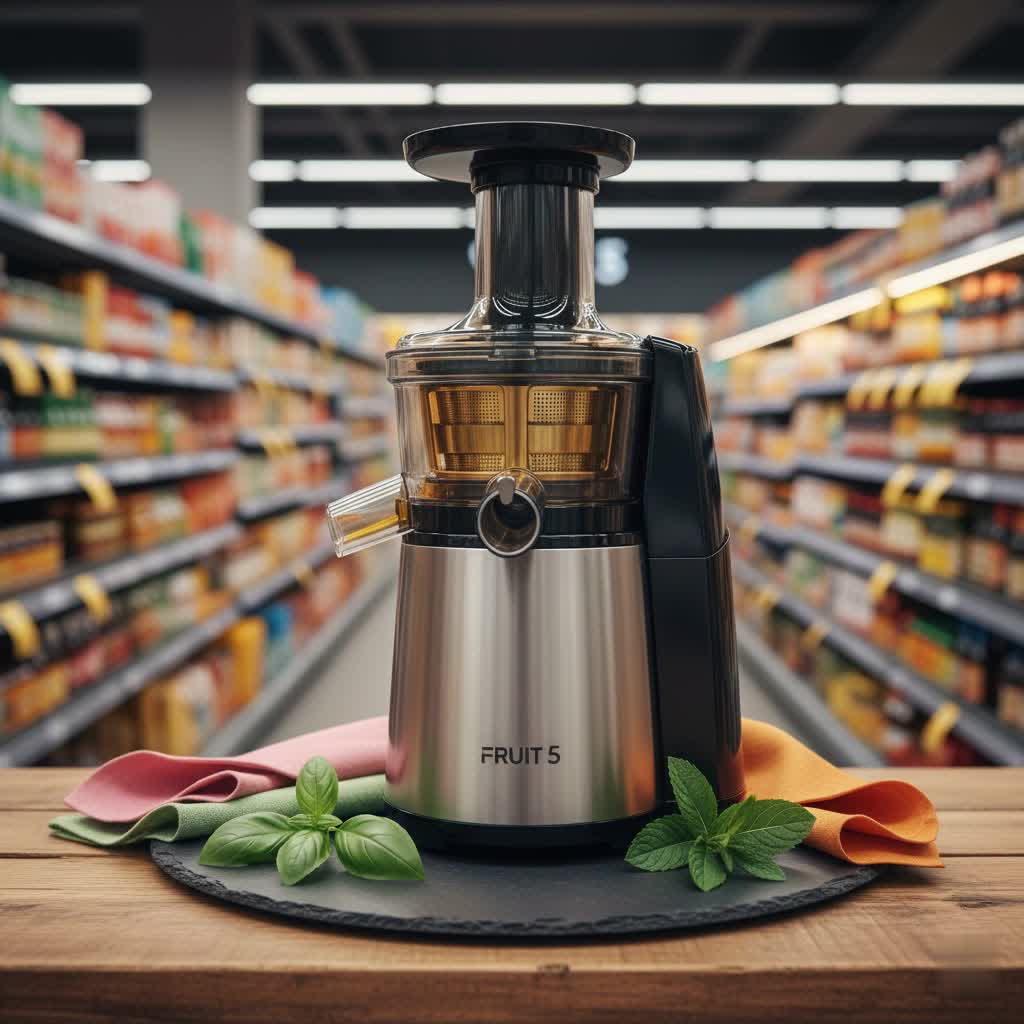
A fresh fruit juicer is a kitchen appliance designed to extract liquid from fruits and vegetables, separating it from the fibrous pulp. Unlike blenders that create smoothies (which retain all the fiber), a juicer focuses on providing a concentrated dose of vitamins, minerals, and enzymes in a readily absorbable liquid form.
The benefits of incorporating fresh juice into your diet are numerous. It’s an efficient way to consume a higher quantity of produce than you might typically eat, boosting your intake of essential nutrients. Fresh juices are rich in antioxidants that help combat cellular damage, support a robust immune system, and promote healthy, glowing skin. Many find that daily juicing aids in hydration, improves digestion, and provides a sustained natural energy boost, making it a fantastic alternative to sugary drinks or excessive caffeine. By juicing at home, you maintain complete control over ingredients, ensuring your beverages are pure and free from unwanted additives.
Popular Types of Fresh Fruit Juicers
The world of juicers offers several distinct types, each with unique mechanisms, advantages, and drawbacks. Understanding these differences is crucial to selecting the perfect fresh fruit juicer for your needs.
Centrifugal Juicers
Centrifugal juicers are often considered the entry-level option due to their speed and affordability. They operate by shredding fruits and vegetables with a high-speed blade, then using centrifugal force to spin the juice through a mesh filter, separating it from the pulp.
- Pros:
- Speed: They extract juice very quickly, ideal for busy mornings.
- Affordability: Generally less expensive than other electric juicer types.
- Ease of Use: Simple operation; just feed in produce and switch on.
- Compactness: Many models are designed to be relatively space-saving.
- Cons:
- Oxidation & Heat: The high-speed blades generate heat and expose the juice to more oxygen, which can degrade sensitive nutrients and enzymes, leading to a frothy juice that separates quickly.
- Juice Quality: Lower nutrient retention and shorter shelf life (should be consumed immediately).
- Pulp Consistency: Often produces wet pulp, indicating less efficient extraction.
- Limited Versatility: Less effective with leafy greens and wheatgrass, which tend to get shredded rather than juiced efficiently.
- Best for: Beginners, those on a budget, individuals prioritizing speed, and those who plan to juice mostly harder fruits and vegetables like apples and carrots.
|
Our Picks for the Best Fruit Juicer in 2026
As an Amazon Associate I earn from qualifying purchases.
|
||
| Num | Product | Action |
|---|---|---|
| 1 | Juicer Machine, 800W Centrifugal Juicer Extractor with Wide Mouth 3” Feed Chute for Fruit Vegetable, Easy to Clean, Stainless Steel, BPA-free (Green) |

|
| 2 | QCen Juicer Machine, 500W Centrifugal Juicer Extractor with Wide Mouth 3” Feed Chute for Fruit Vegetable, Easy to Clean, Stainless Steel, BPA-free (Gold) |
|
| 3 | QCen Juicer Machine, 500W Centrifugal Juicer Extractor with Wide Mouth 3” Feed Chute for Fruit Vegetable, Easy to Clean, Stainless Steel, BPA-free (Aqua) |
|
| 4 | QCen Juicer Machine, 500W Centrifugal Juicer Extractor with Wide Mouth 3” Feed Chute for Fruit Vegetable, Easy to Clean, Stainless Steel, BPA-free (Green) |
|
| 5 | Qcen Juicer Machine, 800W Centrifugal Juicer Extractor with Wide Mouth 3” Feed Chute for Fruit Vegetable, Easy to Clean, Stainless Steel, BPA-free (Black) |
|
| 6 | Juicer Machine, 800W Centrifugal Juicer Extractor with Wide Mouth 3” Feed Chute for Fruit Vegetable, Easy to Clean, Stainless Steel, BPA-free (Metallic Black) |
|
| 7 | Juicer Machine, 800W Centrifugal Juicer Extractor with Wide Mouth 3” Feed Chute for Fruit Vegetable, Easy to Clean, Stainless Steel, BPA-free (Metallic Red) |
|
| 8 | Qcen Juicer Machine, 500W Centrifugal Juicer Extractor with Wide Mouth 3” Feed Chute for Fruit Vegetable, Easy to Clean, Stainless Steel, BPA-free (Black) |
|
| 9 | Juicer Machine, 800W Centrifugal Juicer Extractor with Wide Mouth 3” Feed Chute for Fruit Vegetable, Easy to Clean, Stainless Steel, BPA-free (Aqua) |
|
| 10 | Juicer Machine, 800W Centrifugal Juicer Extractor with Wide Mouth 3” Feed Chute for Fruit Vegetable, Easy to Clean, Stainless Steel, BPA-free (Gold) |
|
Masticating (Slow/Cold Press) Juicers
Masticating juicers, also known as slow juicers or cold press juicers, live up to their “cold press” name by using a slower, gentler method of extraction. An auger (a slowly rotating screw) crushes and presses produce against a screen, squeezing out the juice. This process minimizes heat buildup and oxidation.
- Pros:
- High Juice Quality: Produces nutrient-dense juice with minimal oxidation, preserving vitamins, enzymes, and a fresher taste.
- Higher Yield: More efficient extraction, resulting in more juice and drier pulp, which means less waste over time.
- Longer Shelf Life: Juices can typically be stored in the refrigerator for 3-5 days in an airtight container.
- Versatility: Excellent for juicing a wide range of produce, including leafy greens, wheatgrass, soft fruits, and hard vegetables.
- Quieter Operation: Operates at much lower RPMs, making them significantly quieter than centrifugal models.
- Cons:
- Price: Generally more expensive than centrifugal juicers.
- Slower Operation: The slower processing speed means it takes longer to make juice.
- Prep Work: Many models have smaller feed chutes, requiring more pre-chopping of ingredients.
- Cleaning: Can have more components, potentially making cleaning slightly more involved, though many newer models focus on easy-clean designs.
- Best for: Health enthusiasts, those seeking maximum nutrient retention, individuals who juice leafy greens frequently, and those willing to invest more for higher quality and efficiency. Masticating juicers come in both horizontal and vertical designs, with vertical models often being more compact.
Triturating (Twin Gear) Juicers
Triturating juicers, also known as twin gear juicers, represent the pinnacle of juicing technology. They use two interlocking gears that grind and press produce with extreme precision, mimicking the human chewing process.
- Pros:
- Superior Juice Quality & Yield: Offer the highest nutrient retention and juice yield, producing exceptionally smooth, vibrant juice with virtually no pulp and minimal oxidation.
- Versatility: Excellent for all types of produce, particularly fibrous greens and wheatgrass. Many models also include attachments for making nut butters, pasta, and frozen desserts.
- Longevity: Juice produced by twin gear juicers tends to last the longest in refrigeration.
- Cons:
- Highest Price: These are the most expensive juicers on the market.
- Complex Cleaning: Can be more cumbersome to assemble, disassemble, and clean due to multiple parts.
- Size: Often bulky, requiring significant counter space.
- Slow Speed: Similar to masticating juicers, they operate at slow speeds, demanding more time.
- Best for: Serious juicers, raw food enthusiasts, and those who demand the absolute highest quality juice and are prepared to invest significantly in their juicing equipment.
Detailed Comparison Table: Centrifugal vs. Masticating vs. Twin Gear Juicers
| Feature | Centrifugal Juicers | Masticating Juicers (Slow/Cold Press) | Triturating Juicers (Twin Gear) |
|---|---|---|---|
| Speed | Very Fast | Slow | Very Slow |
| Juice Quality | Good, but prone to oxidation & froth | Excellent, high nutrient retention | Superior, maximum nutrient preservation |
| Nutrient Retention | Moderate, due to heat & oxidation | High | Highest |
| Juice Yield | Moderate (wetter pulp) | High (drier pulp) | Very High (driest pulp) |
| Noise Level | Loud | Quiet | Very Quiet |
| Ease of Cleaning | Generally easy, but mesh can clog | Varies by model, many new “easy-clean” | Can be complex, many parts |
| Price Range | Budget-friendly ($50-$200) | Mid-range to High-end ($100-$600) | Premium ($400-$1000+) |
| Best for Produce | Hard fruits & veggies | All produce, especially leafy greens | All produce, especially fibrous greens |
Top-Rated Fresh Fruit Juicers on the Market Today
Choosing from the myriad of options can be daunting. Here are some of the top-rated fresh fruit juicers across different categories and price points that have impressed experts and users alike in 2026.
-
Nama J3 Cold Press Juicer: Often lauded as a top overall cold press juicer, the Nama J3 is praised for its compact size, efficient juicing, and user-friendly cleaning tools. While it excels at extracting vibrant juice from various fruits, some users note it can struggle with kale and requires produce pre-chopping due to its smaller chute. It consistently produces high yields of delicious, fresh-tasting juice.
-
Ninja NeverClog Cold Press Juicer: For those seeking excellent performance without a hefty price tag, the Ninja NeverClog is a standout. This lightweight juicer efficiently handles carrots, kale, ginger, and apples, and boasts mostly dishwasher-safe parts for easy cleanup. While its juice yields are impressive for its cost, some report that juices might be slightly foamy and more prone to oxidation than those from more expensive machines.
-
Kuvings REVO830 Whole Slow Juicer: If you’re ready to splurge for perfection, the Kuvings REVO830 delivers. It consistently yields the highest volumes of the best-tasting juices with almost no prep thanks to its innovative dual chutes, including an “Auto-Cut Chute” that automatically chops fibrous ingredients. Its versatility extends to attachments for smoothies, sorbets, and nut milks, though its premium price and more involved cleaning process are considerations.
-
Omega Vertical Masticating Juicer: This heavy-duty Omega model shines, especially for green juice enthusiasts. It demonstrates exceptional efficiency with leafy greens like kale, yielding significantly more juice and producing some of the driest pulp in tests. Its vertical design offers a small countertop footprint, but its narrow feed chute means you’ll need to pre-chop most ingredients.
-
Hurom H70 Easy Clean Slow Juicer: Known for its revolutionary mesh-free filter system, the Hurom H70 makes cleanup remarkably easy, often requiring just a quick rinse. Its self-feeding hopper simplifies the juicing process. While it produces smooth, pulp-free juice, its yields are slightly lower than other high-end models, and it carries a premium price.
How to Choose the Right Fresh Fruit Juicer for Your Home
Selecting the ideal fresh fruit juicer involves a careful assessment of your personal juicing habits and preferences. Consider these key factors before making your purchase:
-
Identify Your Juicing Needs:
- What produce will you juice most? If leafy greens and wheatgrass are staples, a masticating or twin gear juicer is superior. For hard fruits and occasional juice, a centrifugal model might suffice.
- How much juice do you need? Large families or batch juicers will benefit from models with high-capacity containers and wider feed chutes. Single-serving juicers can be more compact.
- How often will you juice? Daily juicers might prioritize ease of cleaning and nutrient retention, justifying a higher investment.
-
Budget Considerations: Juicers range from under $100 to over $1000. While cheaper models can get you started, higher-priced juicers generally offer better performance, durability, and juice quality. Align your budget with your commitment to juicing.
-
Ease of Cleaning: This is often cited as a make-or-break factor. Look for models with fewer parts, dishwasher-safe components, or innovative designs (like Hurom’s mesh-free filter) that simplify the post-juicing cleanup. Cleaning immediately after use prevents pulp from drying and sticking.
-
Countertop Space and Size: Juicers can be bulky. Measure your available kitchen counter and storage space. Vertical masticating juicers often have a smaller footprint, while some powerful centrifugal or twin gear models can be quite large.
-
Noise Level: Centrifugal juicers are notoriously loud, which might be a concern for early morning juicers. Masticating and twin gear juicers operate much more quietly.
-
Extra Features and Versatility: Some juicers come with additional attachments for making smoothies, sorbets, baby food, or nut milks. If you desire multi-functionality, these can add significant value.
Essential Tips for Using and Maintaining Your Fresh Fruit Juicer
Maximizing the lifespan and performance of your fresh fruit juicer, while ensuring the best quality juice, comes down to proper usage and consistent maintenance.
- Prepare Your Produce: Wash all fruits and vegetables thoroughly. For juicers with smaller feed chutes, pre-chop ingredients into appropriate sizes (e.g., 1-inch pieces) to prevent clogging and allow for smoother operation. Remove large seeds, pits, and tough skins where necessary.
- Feed Gradually: Avoid overloading the juicer. Feed ingredients at a steady, manageable pace, especially with masticating juicers, to allow for optimal extraction and prevent motor strain.
- Clean Immediately: This is perhaps the most crucial tip. As soon as you finish juicing, disassemble the removable parts and rinse them under running water. Food bits can quickly dry and become stubborn to remove, particularly from mesh screens. Use any included cleaning brushes or tools to thoroughly clean all components.
- Deep Cleaning: Periodically perform a deeper clean, especially for silicone gaskets and hard-to-reach areas. Always refer to your manufacturer’s instructions regarding dishwasher-safe parts and deep cleaning recommendations.
- Proper Storage: Store freshly made juice in airtight glass containers in the refrigerator to minimize exposure to oxygen and extend its freshness. Most cold press juices last 3-5 days. Always keep the motor base unplugged and wipe it clean with a damp cloth; never submerge it in water.
Troubleshooting Common Juicer Issues
Even the best fresh fruit juicers can encounter minor hiccups. Here’s how to address some common problems:
- Machine Not Turning On: First, ensure the juicer is properly assembled and all safety locks are engaged. Many juicers have safety mechanisms that prevent operation if parts are not correctly fitted. Check the power cord and outlet.
- Clogging: This often happens with fibrous greens or by overloading the machine. Turn off the juicer, disassemble, and clear any jammed pulp. Cut fibrous ingredients into smaller pieces and feed them slowly. Some masticating juicers have a reverse function to help clear clogs.
- Low Juice Yield/Wet Pulp: If your pulp is excessively wet, your juicer might not be extracting efficiently. This can happen with older models, improper feeding, or when juicing certain soft fruits. Try feeding produce slower, or alternate soft and hard ingredients to push pulp through more effectively. For centrifugal juicers, this is a common trade-off for speed.
- Excessive Foam: Foaming is more common with centrifugal juicers due to aeration. If it bothers you, strain the juice through a fine-mesh sieve or use the froth separator often included with juice pitchers. Adding a slice of lemon or lime can also sometimes help. Masticating juicers typically produce less foam.
Where to Buy a Reliable Fresh Fruit Juicer
When you’re ready to invest in a fresh fruit juicer, you have several reputable avenues for purchase.
- Online Retailers: Websites like Amazon, Williams Sonoma, and Wayfair offer a vast selection of models from various brands, often with competitive pricing and detailed customer reviews. Be sure to check return policies and warranty information.
- Specialty Appliance Stores: Stores dedicated to kitchen appliances can provide expert advice and allow you to see models in person.
- Manufacturer Websites: Buying directly from brands like Nama, Hurom, Omega, or Kuvings ensures you get genuine products and direct access to customer support and warranty services.
By carefully considering your needs, researching different types, and following proper usage and maintenance, you can find a fresh fruit juicer that empowers you to create delicious, healthful beverages for years to come.
Frequently Asked Questions
What’s the real difference between a cold press and a centrifugal juicer?
The primary difference lies in their extraction method. Cold press (masticating) juicers slowly crush and press produce, minimizing heat and oxidation to preserve more nutrients and produce higher yields. Centrifugal juicers use high-speed blades to shred ingredients, which generates heat and oxygen, potentially degrading nutrients and resulting in a shorter-lasting, frottier juice.
How long does fresh cold press juice last in the refrigerator?
Properly stored fresh cold press juice, kept in an airtight glass container in the refrigerator, can typically last for 3 to 5 days. Minimizing air exposure is key to preserving its nutritional value and freshness.
