Freshly squeezed juice offers a vibrant burst of flavor and a potent dose of nutrients, making it a beloved addition to many health-conscious routines. However, the enthusiasm for daily juicing often wanes when faced with the tedious task of preparing fruits and vegetables – especially peeling. Many aspiring juicers dream of a magical machine: a “juicer that peels fruit” automatically, eliminating this time-consuming step. While a single, all-in-one device that universally peels a wide variety of fruits for home use remains more of a futuristic concept than a common reality, advancements in juicer design and clever accessory innovations have significantly reduced the manual effort involved in juice preparation.
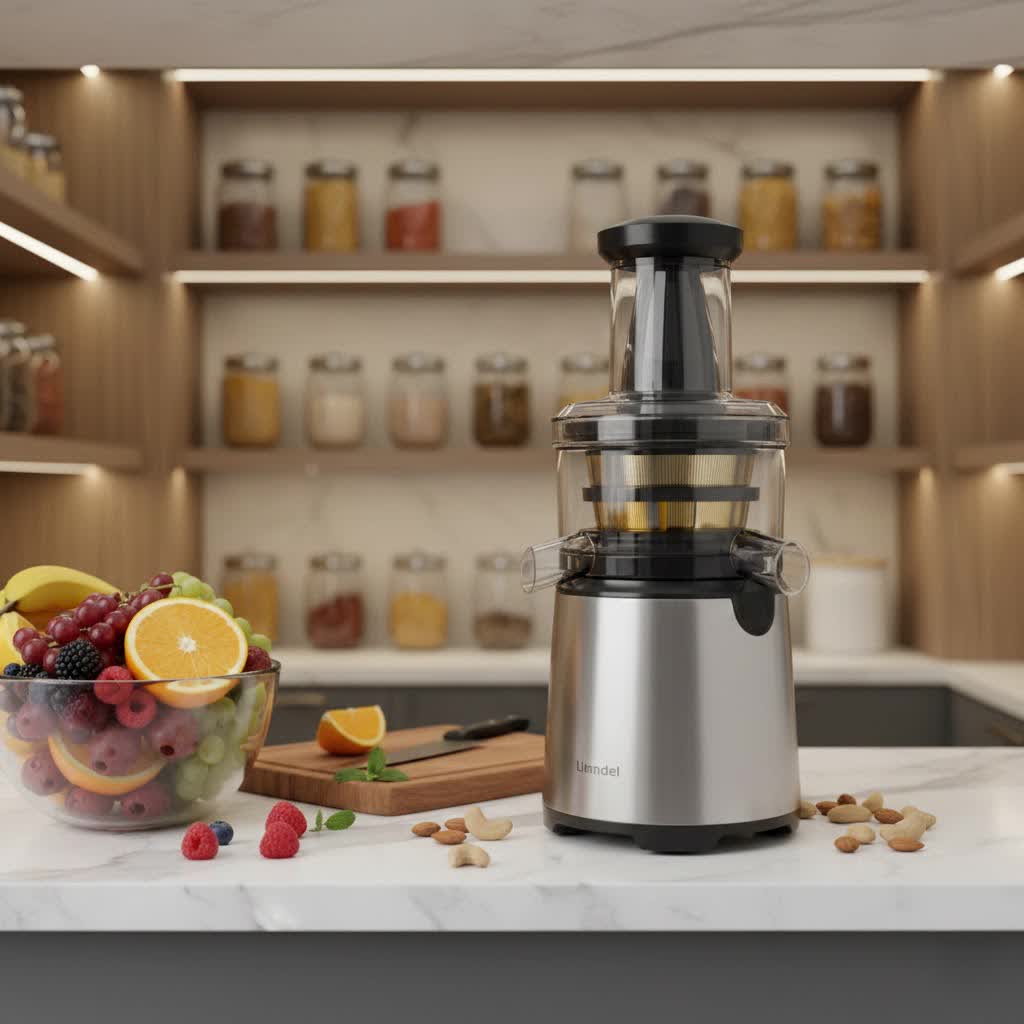
This comprehensive guide will demystify the idea of a juicer that peels fruit, explore the commercial solutions that come closest to this ideal, and, more importantly, highlight practical home-use strategies and machine types that dramatically cut down on peeling time, allowing you to enjoy fresh juice with minimal fuss.
What is a Juicer That Peels Fruit? Understanding the Concept
The term “juicer that peels fruit” often conjures images of a single appliance where you drop in whole, unpeeled produce, and out comes pure, pulp-free juice. For the vast majority of fruits and vegetables, and for typical home juicers, this fully automated, integrated peeling function doesn’t exist. Most juicers, whether centrifugal or masticating, are designed to extract juice from prepped produce. The primary goal of a home juicer is extraction, not peeling.
The desire for a “peeling juicer” stems from a very real need for convenience. Peeling can be messy, slow, and sometimes difficult, especially for fruits with tough or fibrous skins like pineapples, mangoes, or oranges. Understanding this distinction is key to finding the best solution for your juicing habits.
Commercial Solutions: The Closest to “True” Peeling Juicers
While rare in home kitchens, commercial-grade machines do exist that offer automatic peeling and juicing, primarily for citrus fruits like oranges.
Automatic Commercial Orange Juicers
These specialized machines are commonly found in juice bars, restaurants, and grocery stores. They are engineered for high-volume operation and excel at processing large quantities of oranges with minimal human intervention.
- Operation: You load whole, unpeeled oranges into a hopper. The machine then automatically feeds them through a mechanism that cuts, squeezes, and separates the peel, pulp, and juice. The peel is often ejected into a waste bin, while the fresh juice flows into a dispenser.
- Benefits: Incredibly efficient for orange juice production, minimal labor, consistent results.
- Drawbacks: These machines are typically large, very expensive, and designed exclusively for citrus fruits of a specific size range. Their footprint and cost make them impractical for most home kitchens. They are not versatile for other fruits or vegetables.
|
Our Picks for the Best Fruit Juicer in 2026
As an Amazon Associate I earn from qualifying purchases.
|
||
| Num | Product | Action |
|---|---|---|
| 1 | QCen Juicer Machine, 500W Centrifugal Juicer Extractor with Wide Mouth 3” Feed Chute for Fruit Vegetable, Easy to Clean, Stainless Steel, BPA-free (Aqua) |

|
| 2 | Juicer Machine, 800W Centrifugal Juicer Extractor with Wide Mouth 3” Feed Chute for Fruit Vegetable, Easy to Clean, Stainless Steel, BPA-free (Metallic Black) |
|
| 3 | Qcen Juicer Machine, 500W Centrifugal Juicer Extractor with Wide Mouth 3” Feed Chute for Fruit Vegetable, Easy to Clean, Stainless Steel, BPA-free (Black) |
|
| 4 | Juicer Machine, 800W Centrifugal Juicer Extractor with Wide Mouth 3” Feed Chute for Fruit Vegetable, Easy to Clean, Stainless Steel, BPA-free (Gold) |
|
| 5 | Qcen Juicer Machine, 800W Centrifugal Juicer Extractor with Wide Mouth 3” Feed Chute for Fruit Vegetable, Easy to Clean, Stainless Steel, BPA-free (Black) |
|
| 6 | QCen Juicer Machine, 500W Centrifugal Juicer Extractor with Wide Mouth 3” Feed Chute for Fruit Vegetable, Easy to Clean, Stainless Steel, BPA-free (Gold) |
|
| 7 | Juicer Machine, 800W Centrifugal Juicer Extractor with Wide Mouth 3” Feed Chute for Fruit Vegetable, Easy to Clean, Stainless Steel, BPA-free (Aqua) |
|
| 8 | Juicer Machine, 800W Centrifugal Juicer Extractor with Wide Mouth 3” Feed Chute for Fruit Vegetable, Easy to Clean, Stainless Steel, BPA-free (Green) |
|
| 9 | QCen Juicer Machine, 500W Centrifugal Juicer Extractor with Wide Mouth 3” Feed Chute for Fruit Vegetable, Easy to Clean, Stainless Steel, BPA-free (Green) |
|
| 10 | Juicer Machine, 800W Centrifugal Juicer Extractor with Wide Mouth 3” Feed Chute for Fruit Vegetable, Easy to Clean, Stainless Steel, BPA-free (Metallic Red) |
|
These commercial units truly embody the “juicer that peels fruit” concept but are niche products due to their specialization and scale.
Home Solutions for Minimizing Peeling
For the home juicer, the focus shifts from a single “peeling juicer” to strategies and tools that effectively reduce or eliminate the need for peeling.
1. Electric Automatic Peelers (Separate Devices)
An automatic peeler is a standalone appliance designed to remove the skin from various fruits and vegetables. It’s not integrated into the juicer itself but serves as a highly efficient prep tool.
- How They Work: You typically secure a fruit (like an apple, orange, potato, or even some softer fruits) onto a spindle. With the press of a button, a blade automatically rotates and shaves off the skin.
- Pros:
- Speed and Efficiency: Significantly faster than manual peeling, especially for multiple items.
- Consistency: Provides a uniform peel, reducing waste.
- Versatility: Many models can handle a range of produce, from apples and pears to potatoes and some citrus.
- Cons:
- Two-Step Process: It’s still a separate step before juicing. You peel, then you juice.
- Separate Appliance: Requires additional counter space and storage.
- Limited Scope: May not work for irregularly shaped produce or very soft fruits.
“Automatic peelers are game-changers for those who want to speed up their juicing routine without investing in a commercial setup. They streamline the most tedious part of prep for many common ingredients.” – Ava Chen, Culinary Gadget Reviewer
2. Citrus Juicers
For citrus fruits, dedicated citrus juicers naturally bypass the need for peeling.
- How They Work: You simply cut citrus fruits (oranges, lemons, limes, grapefruits) in half and press the halves onto a rotating reamer (electric models) or use a lever to press them against a cone (manual press juicers). The juice is extracted from the flesh, leaving the peel behind.
- Pros:
- No Peeling Required: The most direct answer to “no-peel” juicing for citrus.
- Quick and Easy: Extremely fast extraction for citrus.
- Clean Juice: Minimizes the bitter oils from the pith (the white part of the peel) from entering the juice.
- Cons:
- Limited to Citrus: Not suitable for any other type of fruit or vegetable.
- Some Pith Oil: While most systems try to avoid it, pressing too hard can still extract some bitter oils.
Some high-end slow juicers also offer citrus juicer attachments, allowing you to use your main juicer’s motor base for citrus-specific juicing without peeling.
3. Wide-Mouth Juicers
These juicers, available in both centrifugal and masticating varieties, address the “whole fruit” aspect, reducing the chopping required, though generally not the peeling.
- How They Work: Featuring an extra-large feeding chute (often 3 inches or more), these juicers can accommodate whole small fruits (like apples) or large chunks of produce without extensive pre-cutting.
- Pros:
- Reduced Chopping: Significantly cuts down on prep time by allowing whole or large pieces of produce to be inserted.
- Faster Juicing: Less time spent loading the chute.
- Cons:
- Doesn’t Peel Automatically: If a fruit has an inedible or bitter peel (e.g., pineapple, mango, most oranges), you still need to peel it manually before inserting it into the wide chute.
- Size Still Matters: “Wide-mouth” doesn’t mean all fruits can go in whole; very large items still need some cutting.
When Do You Really Need to Peel? A Fruit-by-Fruit Guide
Understanding which fruits and vegetables truly require peeling for juicing can save you a lot of unnecessary effort. Many peels are perfectly safe, and even beneficial, to juice!
Fruits and Vegetables You Generally SHOULD Peel:
| Fruit/Vegetable | Reason for Peeling | Notes |
|---|---|---|
| Pineapple | Thick, fibrous, and spiky rind | Can damage juicer, very bitter, indigestible. |
| Mango | Tough, fibrous, and can contain urushiol (allergen) | Difficult to juice, can be bitter and cause allergic reactions. |
| Pomegranate | Very tough, bitter rind | Extremely bitter, high tannin content. |
| Oranges, Grapefruits | Bitter pith (white part under peel) | While outer zest has benefits, pith is very bitter and can affect taste. Use a citrus press for whole halves. |
| Kiwi | Fuzzy skin | Edible but can alter texture and taste of juice. |
| Melons (e.g., Cantaloupe, Honeydew) | Thick, often waxy, and potentially contaminated rinds | Rind can be very tough and have an unpleasant flavor; best to remove. |
| Bananas, Avocados | Soft, dense flesh, bitter/fibrous skin | Not ideal for juicing; better suited for smoothies. |
Fruits and Vegetables You Generally DO NOT Need to Peel:
| Fruit/Vegetable | Reason for Leaving Peel | Notes |
|---|---|---|
| Apples | Edible, nutritious peel | Contains fiber and antioxidants. Wash thoroughly. |
| Carrots | Thin, edible skin | Skin is rich in nutrients. Scrub well. |
| Cucumbers | Thin, edible skin | Adds nutrients and flavor. Use organic if possible. |
| Berries (Strawberries, Blueberries, etc.) | No discernable peel | Simply wash and juice. |
| Grapes | Edible skin | Contains beneficial compounds. Wash thoroughly. |
| Pears | Thin, edible skin | Adds fiber. |
| Zucchini / Squash | Thin, edible skin | Contains nutrients. |
| Ginger, Turmeric | Thin, edible skin | Can be juiced with skin, scrub well. Peel if preferred for taste or if skin is tough. |
| Lemons, Limes | Zest is flavorful, beneficial | The outer colored zest is healthy; avoid too much white pith for bitterness. A citrus press handles this perfectly. |
Important Note: Always wash all produce thoroughly, regardless of whether you peel it, to remove dirt, pesticides, and wax. For fruits where the peel is typically eaten, opting for organic produce can be beneficial.
Choosing the Right Juicer for Minimal Prep
When aiming to reduce prep work, consider these aspects:
1. Centrifugal Juicers
- Pros: Fastest juicing speed. Often more affordable. Some models have wide feeding chutes.
- Cons: Higher speed generates more heat, which can slightly degrade nutrients. Juice tends to have more foam and separates faster. Can be noisier. Wide-mouth centrifugal juicers are great for whole apples but still require peeling for items like pineapple.
2. Masticating (Slow) Juicers
- Pros: Slower speed preserves more nutrients and enzymes. Produces less foam and higher quality juice that lasts longer. Quieter operation. Excellent for leafy greens. Many models now feature wide-mouth chutes.
- Cons: Slower juicing process. Generally more expensive. Can require more pre-chopping for very fibrous ingredients if not a wide-mouth model.
For ultimate convenience, a wide-mouth masticating juicer combined with an understanding of what truly needs peeling offers the best balance for home users.
Top Recommendations for Reducing Juicing Prep
Instead of recommending a “juicer that peels fruit” (as they are typically commercial or separate devices), we focus on machines known for simplifying the overall juicing process by minimizing prep.
- Hurom H400 Easy Clean Slow Juicer: This masticating juicer features a large hopper that allows you to load substantial amounts of whole or large pieces of produce, reducing the need for extensive chopping. Its innovative design also makes cleanup remarkably fast, further saving time.
- Nama J2 Cold Press Juicer: Another highly-rated slow juicer with a generous hopper that allows for batch juicing of pre-cut (but potentially unpeeled where appropriate) ingredients. It’s lauded for its high yield and efficient operation, streamlining the juicing process.
- Kuvings AUTO10 Hands-Free Slow Juicer: Designed for maximum convenience, the AUTO10 boasts a very large feed chute and an auto-cutting mechanism, meaning you can drop in whole fruits and vegetables, and the machine will handle the feeding and chopping. This greatly reduces manual prep.
These models, while not peeling your fruit for you, tackle the second biggest prep hurdle: chopping, and make the overall experience much smoother.
Tips for Efficient Juicing and Maintenance
Even with the best equipment, a few habits can make your juicing routine even more effortless:
- Prep in Batches: Wash and chop your produce for a few days in advance. Store them in airtight containers in the fridge.
- Cut Smart: Only cut what’s necessary. Utilize wide-mouth chutes to their fullest.
- Immediate Cleanup: Rinse juicer parts immediately after use. This prevents pulp from drying and sticking, making cleaning much faster. Many modern juicers have fewer parts or easier-to-clean screens.
- Listen to Your Machine: Don’t overload the juicer. Feed produce at a steady pace to prevent clogs and ensure efficient extraction.
Common Juicing Mistakes (Related to Prep) and How to Fix Them
- Mistake: Juicing everything with its peel.
- Fix: Refer to the “When to Peel” guide. For example, juicing unpeeled oranges (not in a citrus press) can make juice very bitter due to the pith.
- Mistake: Not washing produce thoroughly.
- Fix: Always wash produce, especially if you’re juicing with the peel on. Use a scrub brush for root vegetables.
- Mistake: Trying to juice inappropriate items.
- Fix: Juicers are for extracting liquid. Very soft, mushy fruits (like bananas) or fibrous, starchy items (like avocados) are better suited for blenders.
Where to Buy Juicers for Convenience
You can find high-quality juicers designed for minimal prep at major online retailers like Amazon, Walmart, and specialty kitchen appliance stores. Brands like Hurom, Nama, Kuvings, and Omega are well-regarded for their performance and user-friendly designs. Always check reviews to ensure the model you choose aligns with your specific needs for ease of use and cleanup.
Conclusion
While the dream of a universal “juicer that peels fruit” for every home kitchen remains unfulfilled by current technology, the reality offers powerful alternatives. Commercial orange juicers truly peel, but for home users, the goal is to significantly reduce manual prep. This is achieved through smart choices: investing in separate automatic peelers, utilizing dedicated citrus presses, or opting for wide-mouth masticating juicers that minimize chopping. By understanding which fruits genuinely need peeling and which don’t, you can streamline your routine and savor the benefits of fresh juice with remarkable ease. Don’t let prep work be a barrier to your health goals – embrace the tools and knowledge that make juicing a joyful, convenient practice.
What steps will you take to minimize prep in your juicing routine?
Frequently Asked Questions
Do I need to peel apples before juicing?
No, you generally do not need to peel apples before juicing. Apple peels are edible and contain beneficial fiber and antioxidants. Simply wash them thoroughly.
Can I juice an orange with its peel?
For standard juicers (centrifugal or masticating), it’s generally recommended to peel oranges because the white pith contains bitter oils that can significantly alter the taste of your juice. However, dedicated citrus juicers are designed to extract juice from unpeeled orange halves, leaving the bitter pith behind.
What is a wide-mouth juicer?
A wide-mouth juicer is any type of juicer (centrifugal or masticating) that features a larger-than-average feeding chute. This design allows you to insert whole small fruits, like apples, or larger chunks of other produce, significantly reducing the amount of pre-chopping required before juicing.
Are there any all-in-one juicers that automatically peel and juice a variety of fruits for home use?
Currently, there isn’t a single, widely available household juicer that automatically peels a diverse range of fruits (beyond specific commercial citrus juicers). Home solutions focus on separate automatic peelers or juicers with wide-mouth chutes to minimize manual prep.
Does juicing with the peel on increase nutrient content?
For many fruits and vegetables, the peel does contain a significant amount of nutrients, fiber, and antioxidants. Juicing with the peel on (for items like apples, carrots, cucumbers, and lemons/limes) can therefore contribute to a more nutrient-dense juice, provided the peel is edible and doesn’t impart an undesirable bitter taste.
