In today’s health-conscious world, offering fresh, nutritious juices can significantly boost your business, whether you operate a bustling juice bar, a cozy cafe, or a high-volume restaurant. A commercial fruit juicer machine is no longer just an appliance; it’s an investment in your customers’ well-being and your establishment’s profitability. This guide will walk you through everything you need to know about selecting, using, and maintaining the perfect commercial fruit juicer to elevate your beverage program and delight your patrons.
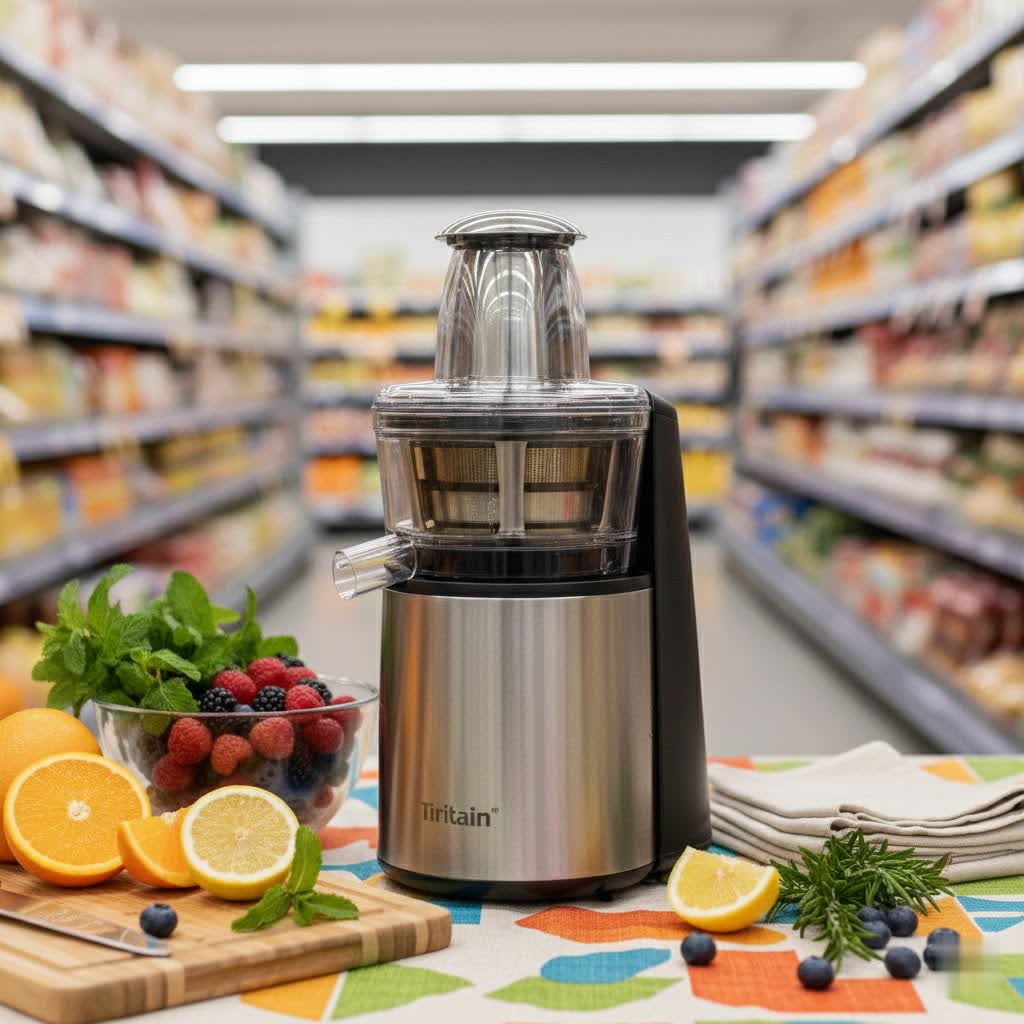
What is a Commercial Fruit Juicer Machine? Why Do Businesses Need One?
A commercial fruit juicer machine is a robust, high-performance appliance designed to extract juice from fruits and vegetables efficiently and continuously in a professional setting. Unlike their domestic counterparts, these machines are built for durability, higher capacity, and consistent output, capable of withstanding the rigors of daily, heavy-duty use. For businesses, offering freshly squeezed juice taps into a growing market of health-conscious consumers looking for natural, vitamin-rich beverages. This not only diversifies your menu but also allows for premium pricing, increasing your revenue and enhancing customer satisfaction by providing a fresh, healthy alternative.
Popular Types of Commercial Fruit Juicer Machines
Choosing the right commercial fruit juicer depends heavily on your specific business needs, the types of produce you plan to juice, and your desired juice quality. There are several primary types, each with distinct advantages and considerations.
Centrifugal Juicers
Centrifugal juicers are often the most common and affordable option for commercial use, known for their speed and efficiency. These machines shred fruits and vegetables with a fast-spinning metal blade, then use centrifugal force to separate the juice from the pulp through a mesh filter.
- Pros: They are exceptionally fast, making them ideal for high-volume operations where speed is paramount, such as busy breakfast service. They are also generally less expensive upfront.
- Cons: The high-speed operation generates heat, which can oxidize the juice and potentially reduce some nutrient content. They also tend to produce more foam and are less efficient at juicing leafy greens. The noise level can be a drawback in quieter environments.
- Best for: Businesses needing quick juice extraction from hard fruits and vegetables like apples, carrots, and pears, where immediate serving is common.
|
Our Picks for the Best Fruit Juicer in 2026
As an Amazon Associate I earn from qualifying purchases.
|
||
| Num | Product | Action |
|---|---|---|
| 1 | QCen Juicer Machine, 500W Centrifugal Juicer Extractor with Wide Mouth 3” Feed Chute for Fruit Vegetable, Easy to Clean, Stainless Steel, BPA-free (Gold) |

|
| 2 | Juicer Machine, 800W Centrifugal Juicer Extractor with Wide Mouth 3” Feed Chute for Fruit Vegetable, Easy to Clean, Stainless Steel, BPA-free (Metallic Red) |
|
| 3 | Qcen Juicer Machine, 500W Centrifugal Juicer Extractor with Wide Mouth 3” Feed Chute for Fruit Vegetable, Easy to Clean, Stainless Steel, BPA-free (Black) |
|
| 4 | Qcen Juicer Machine, 800W Centrifugal Juicer Extractor with Wide Mouth 3” Feed Chute for Fruit Vegetable, Easy to Clean, Stainless Steel, BPA-free (Black) |
|
| 5 | Juicer Machine, 800W Centrifugal Juicer Extractor with Wide Mouth 3” Feed Chute for Fruit Vegetable, Easy to Clean, Stainless Steel, BPA-free (Gold) |
|
| 6 | Juicer Machine, 800W Centrifugal Juicer Extractor with Wide Mouth 3” Feed Chute for Fruit Vegetable, Easy to Clean, Stainless Steel, BPA-free (Aqua) |
|
| 7 | Juicer Machine, 800W Centrifugal Juicer Extractor with Wide Mouth 3” Feed Chute for Fruit Vegetable, Easy to Clean, Stainless Steel, BPA-free (Metallic Black) |
|
| 8 | QCen Juicer Machine, 500W Centrifugal Juicer Extractor with Wide Mouth 3” Feed Chute for Fruit Vegetable, Easy to Clean, Stainless Steel, BPA-free (Green) |
|
| 9 | Juicer Machine, 800W Centrifugal Juicer Extractor with Wide Mouth 3” Feed Chute for Fruit Vegetable, Easy to Clean, Stainless Steel, BPA-free (Green) |
|
| 10 | QCen Juicer Machine, 500W Centrifugal Juicer Extractor with Wide Mouth 3” Feed Chute for Fruit Vegetable, Easy to Clean, Stainless Steel, BPA-free (Aqua) |
|
Masticating (Cold Press) Juicers
Masticating juicers, often referred to as cold press juicers, operate at much slower speeds, gently crushing and pressing produce to extract juice. This method minimizes heat generation and oxidation.
- Pros: They yield higher-quality juice that retains more vitamins, minerals, and enzymes, offering superior nutritional value and a vibrant flavor profile. The juice also has a longer shelf life and less foam. Masticating juicers excel with leafy greens, wheatgrass, and soft fruits. They are also significantly quieter than centrifugal models.
- Cons: The juicing process is considerably slower, which might not be ideal for peak rush hours if not managed properly with batch preparation. They typically come with a higher price tag.
- Best for: Juice bars, health-focused cafes, and establishments prioritizing nutrient retention, juice quality, and a wider variety of produce, including fibrous greens.
Triturating (Twin Gear) Juicers
Triturating juicers are a specialized type of masticating juicer, often considered the gold standard for juice quality and yield. They utilize two interlocking gears that grind and press produce exceptionally thoroughly.
- Pros: These machines extract the maximum amount of juice with minimal oxidation, resulting in the highest nutrient retention and the driest pulp. Many models offer versatility beyond juicing, capable of making nut butter, sorbets, and pasta.
- Cons: Triturating juicers are the slowest and most expensive option on the market. They can also be more challenging to assemble and clean due to their intricate design.
- Best for: Dedicated juice shops or health clinics focused on therapeutic juicing, where maximum yield, purity, and versatility are non-negotiable, and budget is less of a concern.
Citrus Juicers
As the name suggests, citrus juicers are specifically designed to extract juice from citrus fruits like oranges, lemons, limes, and grapefruits. They come in manual and electric varieties.
- Pros: They are incredibly efficient for citrus fruits, quickly separating the juice from the bitter pith. They are compact, easy to use, and relatively inexpensive, especially manual models.
- Cons: Their primary limitation is their lack of versatility; they can only juice citrus.
- Best for: Bars, cafes, and restaurants where freshly squeezed orange juice, lemonade, or citrus-based cocktails are menu staples.
Detailed Comparison: Commercial Juicer Types
Understanding the nuances between different commercial juicer types is crucial for an informed decision. Here’s a comparative overview:
| Feature | Centrifugal Juicers | Masticating Juicers | Triturating Juicers | Citrus Juicers |
|---|---|---|---|---|
| Juicing Speed | Very Fast | Slow | Very Slow | Fast (for citrus only) |
| Juice Quality | Good, but some oxidation and foam | Excellent, high nutrient retention, less oxidation | Superior, highest nutrient retention, minimal oxidation | Excellent (for citrus), no pith |
| Produce Versatility | Hard fruits, most vegetables; struggles with leafy greens | Wide range, excels with leafy greens and soft fruits | Widest range, including leafy greens, nuts, wheatgrass | Limited to citrus fruits (oranges, lemons, limes, grapefruit) |
| Juice Yield | Moderate | High | Highest | High (for citrus) |
| Price Range | $ (Affordable) | $$ (Mid-range to High) | $$$ (Very High-end) | $ (Very Affordable, especially manual) |
| Noise Level | Loud | Quiet | Quiet | Low to Moderate |
| Ease of Cleaning | Moderate | Easy to Moderate | Moderate to Difficult (due to more parts) | Easy |
| Juice Shelf Life | Short (due to oxidation) | Medium to Long | Longest | Short to Medium |
Top-Rated Commercial Fruit Juicer Machines for Businesses
Investing in a high-quality commercial juicer can significantly impact your business’s efficiency and customer satisfaction. Here are a few examples of highly-regarded models across different categories, representing a balance of performance, durability, and value.
- Breville Commercial CBJE830 Juice Fountain X (Centrifugal): This powerful centrifugal juicer is favored for its speed and extra-wide chute, which minimizes pre-cutting. It’s built for demanding commercial environments and can handle a wide variety of firm fruits and vegetables quickly. While it’s a centrifugal model, it offers variable speeds to help optimize juice yield.
- Kuvings CS700 Stainless Steel Masticating Juicer (Cold Press): A top contender for cold press juicing, the Kuvings CS700 is praised for its robust build, quiet operation, and ability to extract high-quality, nutrient-rich juice from a diverse range of produce, including tough greens. It’s ideal for businesses where juice quality and nutrient preservation are primary concerns, and it often comes with an extra top set for continuous use.
- Sunkist J-1 Commercial Citrus Juicer (Citrus): For establishments focusing on citrus, the Sunkist J-1 is a heavy-duty, reliable choice. It’s designed for continuous use, capable of extracting large volumes of juice (up to 20 gallons per hour) with ease, thanks to its oscillating metal strainer and powerful motor. Its simple design also makes it straightforward to clean.
- Omega J8006HDC Nutrition Center (Masticating): While often seen in high-end home kitchens, the Omega J8006’s durability and efficient masticating technology make it a strong option for lower-volume commercial settings or for specific tasks like wheatgrass and nut milk production. It’s known for its dry pulp and high yield.
“A commercial juicer isn’t just about output; it’s about the quality and consistency that keeps customers coming back. Choosing a model that aligns with your specific menu and operational flow is key.” – Chef Isabella Rossi, Culinary Consultant
How to Choose the Right Commercial Fruit Juicer Machine
Selecting the ideal commercial juicer for your establishment requires a thoughtful evaluation of several critical factors.
Assess Your Business Needs
Start by defining your juicing requirements. What types of fruits and vegetables will you predominantly juice? If fresh orange juice is your signature, a dedicated citrus juicer is indispensable. For a diverse menu featuring green juices, berry blends, and root vegetable concoctions, a versatile masticating or centrifugal juicer will be more suitable. Consider your anticipated volume—how many liters or gallons of juice do you need to produce daily, especially during peak hours? This will dictate the required speed and capacity of your machine.
Budget Considerations
Commercial juicers range widely in price, from a few hundred dollars for basic citrus reamers to several thousand for industrial cold press machines. While it might be tempting to opt for the cheapest option, remember that a commercial appliance is an investment. Factor in not just the initial purchase price, but also potential operational costs, energy efficiency, and the long-term savings from higher juice yield and reduced ingredient waste. A more expensive cold press juicer, for instance, might pay for itself over time through superior yield and extended juice shelf life.
Key Features to Look For
Beyond type and budget, several features contribute to a juicer’s overall value and suitability for a commercial environment:
- Durability and Construction: Look for machines made with high-quality, food-grade materials like stainless steel, designed to withstand continuous, heavy use.
- Ease of Cleaning: Commercial kitchens demand rapid and thorough cleaning. Juicers with fewer parts, easily removable components, and wide feed chutes simplify the cleaning process, saving valuable labor time. Dishwasher-safe parts are a bonus.
- Noise Level: In cafes or open-concept kitchens, a quieter machine (like masticating juicers) can significantly improve the customer experience and staff comfort.
- Safety Features: Ensure the juicer has essential safety mechanisms such as overload protection, automatic shut-off, and secure locking systems to prevent accidents and ensure safe operation.
- Size and Footprint: Consider your available counter space and storage. Some high-capacity machines can be quite large.
- Warranty and Service: A good warranty and accessible customer service or spare parts availability are crucial for any commercial equipment.
Essential Tips for Using and Maintaining Your Commercial Fruit Juicer
Proper use and diligent maintenance are key to maximizing the lifespan and performance of your commercial fruit juicer, ensuring consistent juice quality and operational efficiency.
Proper Operation
Always follow the manufacturer’s instructions for assembly and operation. Prepare your produce by washing it thoroughly and cutting it into manageable sizes, as recommended for your specific juicer type. This prevents clogging and ensures efficient extraction. For centrifugal juicers, feed produce steadily; for masticating juicers, feed slowly to allow thorough crushing. Avoid overloading the machine.
Daily Cleaning Routine
Hygiene is paramount in a commercial kitchen. After each use, or at least daily, disassemble all removable parts. Wash them immediately with warm, soapy water and a brush to remove pulp and residue. For citrus juicers, using an alkaline solution can help dissolve sticky citrus sugars. Rinse thoroughly and air dry completely before reassembling to prevent moisture-related issues and bacterial growth. Regularly wipe down the motor base and exterior.
Weekly and Monthly Checks
Develop a routine for deeper inspections. Weekly, check for any leaks, loose bolts, or signs of wear on components like seals and cutting blades. Monthly, take a moment to tighten any screws or bolts that might have loosened due to vibration. For machines with complex hydraulic or electrical systems, consult the manufacturer’s guide for specific inspection points. Maintaining a consistent power supply by plugging into a dedicated outlet can also prevent electrical issues.
Storage and Care
Store your juicer in a clean, dry area when not in use. Ensure all parts are completely dry before storage to prevent rust or mildew. If your machine has a long duty cycle, consider investing in an additional juicing assembly (e.g., an extra top set for a Kuvings masticating juicer) to swap out during busy periods, allowing one set to be cleaned while the other is in use.
Common Commercial Juicer Problems and Troubleshooting
Even with diligent maintenance, commercial juicers can encounter issues. Here’s how to address some common problems:
- Machine Not Operating: First, check if the power cord is securely plugged in. Many commercial juicers have safety sensors or an emergency stop button; ensure all parts are correctly assembled and locked into place, and the emergency stop (if present) is disengaged. Also, check the circuit breaker.
- Clogging: This is often due to feeding produce too quickly or using pieces that are too large or fibrous for the juicer type. Reduce the size of your produce, feed slowly, and clear any blockages by disassembling and cleaning the relevant parts. For fibrous greens, a masticating or triturating juicer is generally more effective.
- Excessive Pulp or Low Juice Yield: This could indicate worn-out blades (for centrifugal) or a need for deeper cleaning, particularly the mesh filter or auger. Ensure fruits and vegetables are fresh and firm, as overripe or soft produce yields less juice. For cold press juicers, ensure proper pressure is applied during the pressing stage.
- Unusual Noise: Any new or excessive noise typically signals a mechanical issue. Immediately turn off and unplug the machine. Check for loose parts, misaligned components, or foreign objects caught in the mechanism. If the noise persists, it may indicate a motor or bearing problem, requiring professional inspection.
Where to Buy Reliable Commercial Fruit Juicer Machines
Acquiring a commercial fruit juicer is a significant business decision, and choosing the right supplier is as important as choosing the right machine.
- Specialized Juicer Retailers: Companies like Juicernet or Extreme Wellness Supply specialize in juicing equipment, offering expert advice, a wide selection of commercial-grade machines, and often dedicated service and support.
- Restaurant Supply Stores: Large foodservice equipment suppliers such as WebstaurantStore, KaTom Restaurant Supply, or Wasserstrom carry a broad inventory of commercial juicers from various brands, catering to general restaurant needs.
- Online Marketplaces: While platforms like eBay or Amazon may offer competitive prices, exercise caution. Ensure the seller is reputable, the product is new (unless specifically seeking used and verified), and a valid commercial warranty is included.
- Direct from Manufacturers: Some brands, like Hamilton Beach Commercial or Zumex, offer direct sales and often have specialized support for their products.
When purchasing, always prioritize suppliers who offer good warranties, readily available spare parts, and reliable customer service. Reading customer reviews about both the product and the seller can provide invaluable insights into their after-sales support and the machine’s long-term performance.
Conclusion
Choosing the right commercial fruit juicer machine is a strategic decision that can significantly impact your business’s efficiency, menu offerings, and profitability. By understanding the different types of juicers, their unique benefits, and the key factors for selection, you can make an informed choice that perfectly aligns with your operational needs and culinary vision. Remember that proper maintenance and prompt troubleshooting will ensure your investment continues to deliver fresh, delicious results for years to come. With the ideal commercial juicer in your kitchen, you’re not just serving juice; you’re serving a commitment to quality and health that customers will savor.
What kind of fresh juice creation will your new commercial juicer inspire next?
Frequently Asked Questions
What is the primary difference between centrifugal and masticating commercial juicers?
The main difference lies in speed and juice quality. Centrifugal juicers are faster but generate heat, potentially reducing nutrients and producing foam. Masticating juicers are slower, use a cold-press method to preserve more nutrients and enzymes, yield higher quality juice with a longer shelf life, and are better for leafy greens.
How often should a commercial juicer be cleaned?
For optimal hygiene, consistent juice quality, and to prolong the machine’s lifespan, a commercial juicer should be thoroughly cleaned daily after use. Removable parts should be disassembled, washed with soapy water, rinsed, and completely dried before reassembly.
Can a commercial juicer make juice from all types of fruits and vegetables?
No, not all commercial juicers are suitable for every type of produce. Citrus juicers are only for citrus. Centrifugal juicers excel with hard fruits and vegetables but struggle with leafy greens. Masticating and triturating juicers are more versatile and are ideal for leafy greens, wheatgrass, and a wider range of produce due to their slow extraction method.
What factors determine the best commercial juicer for a cafe?
For a cafe, key factors include the menu (types of juices offered), expected volume of juice production, desired juice quality (nutrient retention vs. speed), available budget, ease of cleaning for quick turnaround, and the noise level to maintain a pleasant ambiance.
Are commercial juicers energy efficient?
The energy efficiency of commercial juicers varies by type and model. Generally, masticating (cold press) juicers, despite their longer operation time, often have lower wattage motors compared to high-speed centrifugal juicers. Newer models across all types are increasingly designed with energy-saving features.
