In today’s fast-paced world, prioritizing health often means seeking efficient ways to nourish our bodies. Fresh juice, packed with vitamins and enzymes, stands out as a powerful dietary addition. But not all juicers are created equal. Enter the cold press fruit juicer, a remarkable innovation designed to extract maximum nutrition from your produce. If you’re looking to truly revitalize your health and savor the purest form of fruits and vegetables, understanding the power of a cold press juicer is your first step.
Understanding Cold Press Juicers: The Foundation of Nutrient-Rich Living
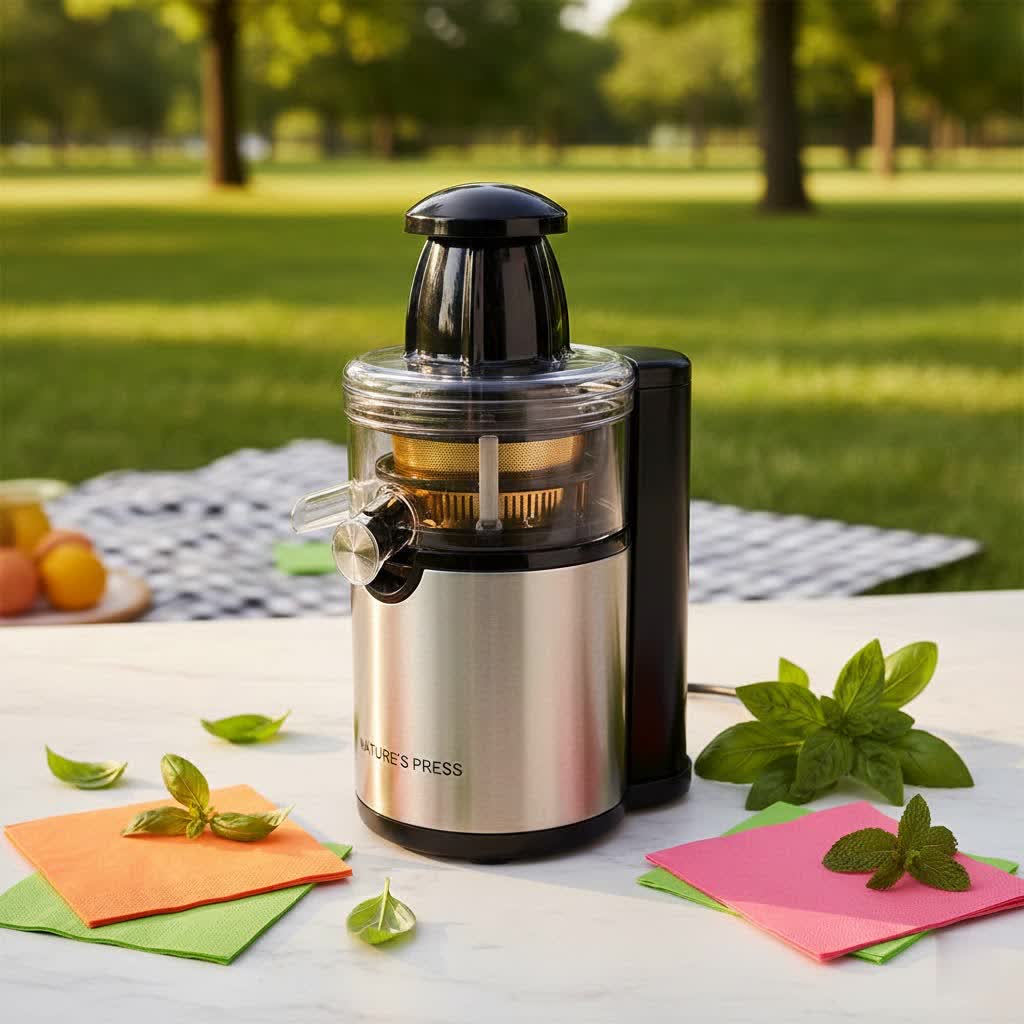
A cold press juicer, also known interchangeably as a masticating juicer or slow juicer, is an appliance engineered to extract juice from fruits and vegetables through a gentle, methodical process. Unlike traditional juicers that use high-speed blades, a cold press juicer employs an auger to slowly crush, grind, and press produce. This deliberate method minimizes heat buildup and air exposure, which are often culprits in nutrient degradation and oxidation, ensuring your juice retains its vital enzymes, vitamins, and minerals.
The primary appeal of choosing a cold press juicer lies in its ability to deliver superior juice quality. The lack of heat and aeration means less oxidation occurs, resulting in a vibrant, enzyme-rich beverage with a longer shelf life compared to juice made by other methods. For those committed to a health-conscious lifestyle, a cold press juicer offers an unparalleled way to consume the purest, most potent form of fresh produce.
Cold Press vs. Centrifugal: A Head-to-Head Comparison
When considering a juicer for your home, the choice often comes down to two main types: cold press (masticating) and centrifugal. While both can turn produce into liquid, their methods and the resulting juice quality differ significantly.
Cold Press Juicers (Masticating/Slow Juicers): These machines operate by slowly crushing and pressing ingredients.
-
Pros:
- Higher Nutrient Retention: Minimal heat and oxidation preserve more vitamins, minerals, and enzymes.
- Better Juice Yield: Extracts more juice from produce, leading to drier pulp and less waste.
- Longer Shelf Life: Reduced oxidation allows juice to be stored for 24-72 hours in the refrigerator.
- Quiet Operation: Generally much quieter due to slower motor speeds.
- Versatility: Excellent for a wide range of ingredients, including fibrous leafy greens, nuts, and even wheatgrass, and can often make nut milks and sorbets.
- Richer Flavor and Color: Produces a denser, more vibrant, and less frothy juice.
-
Cons:
- Slower Juicing Process: Takes more time to produce juice.
- Higher Cost: Typically more expensive than centrifugal models.
- More Prep Work: Some models require chopping ingredients into smaller pieces for narrower chutes.
- Cleaning: Can sometimes have more parts to disassemble and clean, though many newer models are designed for ease of cleaning.
Centrifugal Juicers: These juicers use fast-spinning blades that rapidly chop produce, then spin it against a mesh filter to separate juice from pulp.
-
Pros:
- Faster Juicing: Can produce juice quickly.
- Lower Cost: Generally more affordable, making them a good entry point for beginners.
- Less Prep Work: Often have wider chutes, requiring less chopping.
-
Cons:
- Heat Generation & Oxidation: High-speed spinning generates heat and introduces air, destroying some nutrients and enzymes.
- Lower Nutrient Retention: Reduced nutritional value due to heat and oxidation.
- Shorter Shelf Life: Juice must be consumed immediately (within 20 minutes) due to rapid oxidation.
- Noisier Operation: High-speed motors can be quite loud.
- Frothier Juice: Prone to producing a foamy layer.
- Inefficient for Leafy Greens: Struggles to extract juice from fibrous greens, often leading to wasted produce and wet pulp.
For a clearer overview, consider the detailed comparison below:
| Feature | Cold Press Juicer (Masticating/Slow) | Centrifugal Juicer |
|---|---|---|
| Juicing Method | Slow crushing and pressing (auger/gears) | High-speed spinning blades |
| Heat Generation | Minimal to none | Significant |
| Oxidation | Very low | High |
| Nutrient Retention | High (preserves vitamins, enzymes) | Lower (heat/oxidation degrade nutrients) |
| Juice Yield | Higher (drier pulp) | Lower (wetter pulp) |
| Shelf Life | Up to 72 hours (refrigerated) | Consume immediately (within 20 mins) |
| Juice Quality | Rich, dense, smooth, less foam, vibrant color | Frothy, sometimes watery, paler color |
| Noise Level | Quiet | Loud |
| Speed | Slower | Faster |
| Cost | Higher | Lower |
| Best For | Health enthusiasts, leafy greens, batch juicing | Beginners, quick juices, hard fruits |
Deep Dive: How Cold Press Juicers Work Their Magic
The secret behind a cold press juicer’s superior performance lies in its ingenious, slow-extraction mechanism. Unlike the aggressive shredding of centrifugal models, cold press juicers replicate the gentle yet firm action of chewing, preserving the integrity of produce cells.
The process typically involves these stages:
- Feeding: Fresh fruits and vegetables are fed into a wide or narrow chute at the top of the machine.
- Masticating (Crushing/Grinding): An internal auger, a robust spiral-shaped screw, slowly rotates. As produce is fed, the auger catches and grinds it against a stainless steel screen or chamber walls, breaking down the cell walls. This slow mastication process is crucial as it avoids the friction and heat generated by high-speed blades.
- Pressing: After being crushed into a pulp-like consistency, the auger continues to press this pulp against the fine mesh screen, physically squeezing out the liquid. Some advanced cold press systems even utilize a hydraulic press for this stage, applying immense pressure to the pre-ground pulp in a filter bag. This pressure extracts every last drop of juice.
- Pulp Separation: The dry, compressed pulp is then expelled through a separate chute into a waste container, demonstrating the efficiency of the extraction.
- Juice Collection: The nutrient-rich liquid flows through the mesh filter and out through a spout, collecting in a waiting jug or container, often with minimal foam.
This slow, “cold” extraction method is paramount. By avoiding heat and excessive exposure to air, the delicate enzymes, vitamins, and phytonutrients in the produce remain intact, unoxidized, and ready for your body to absorb.
Health Benefits of Cold-Pressed Juice: Fueling Your Body Naturally
Opting for cold-pressed juice isn’t just a trend; it’s a conscious choice for enhanced wellness. The method of extraction directly translates to significant health advantages.
- Enhanced Vitamin & Mineral Absorption: Because cold press juicers preserve a higher percentage of vitamins (like A, C, E, and K) and minerals (such as potassium, iron, and calcium), your body receives a more potent nutrient boost. The liquid form also makes these nutrients highly bioavailable, meaning they are easily and rapidly absorbed into your bloodstream.
- Enzyme Preservation: Enzymes are vital for digestion, metabolism, and countless bodily functions. Heat from traditional juicing can destroy these delicate living enzymes. Cold pressing, by minimizing heat, keeps these enzymes alive and active in your juice, supporting optimal digestion and overall cellular health.
- Antioxidant Power: Cold-pressed juices retain a greater concentration of antioxidants, which combat free radicals in the body. This helps reduce oxidative stress, supports cellular repair, and may lower the risk of chronic diseases.
- Detoxification & Immunity Support: Fresh, nutrient-dense cold-pressed juices can flood your system with compounds that support natural detoxification pathways. The high concentration of vitamins and minerals also plays a crucial role in bolstering your immune system, helping your body fight off illness and maintain vitality.
- Sustained Energy: Unlike sugary drinks that provide a temporary spike, cold-pressed juices offer a sustained release of energy from natural sugars, vitamins, and minerals, without the crash.
> “The gentle, slow extraction of a cold press juicer ensures that the fragile enzymes and heat-sensitive vitamins are not destroyed, making the resulting juice far more nutritionally superior.” – Dr. Elara Vance, Nutritional Scientist
Selecting Your Perfect Cold Press Juicer: A Buyer’s Guide
Choosing the right cold press juicer can feel daunting with so many options available. To make an informed decision, consider these key factors:
Define Your Juicing Habits
- What will you juice? If you primarily plan to juice hard fruits like apples and carrots, most cold press juicers will perform well. If leafy greens (kale, spinach, wheatgrass) are your priority, look for models specifically designed for high efficiency with fibrous produce, as some excel in this area more than others.
- How often? Daily juicers might prioritize durability, ease of cleaning, and larger capacity. Occasional juicers might lean towards more compact or budget-friendly models.
- How much? If you plan to batch-juice for several days, a model with a larger feeding chute and higher yield capacity would be beneficial.
|
Our Picks for the Best Fruit Juicer in 2026
As an Amazon Associate I earn from qualifying purchases.
|
||
| Num | Product | Action |
|---|---|---|
| 1 | Juicer Machine, 800W Centrifugal Juicer Extractor with Wide Mouth 3” Feed Chute for Fruit Vegetable, Easy to Clean, Stainless Steel, BPA-free (Metallic Black) |

|
| 2 | Juicer Machine, 800W Centrifugal Juicer Extractor with Wide Mouth 3” Feed Chute for Fruit Vegetable, Easy to Clean, Stainless Steel, BPA-free (Metallic Red) |
|
| 3 | Juicer Machine, 800W Centrifugal Juicer Extractor with Wide Mouth 3” Feed Chute for Fruit Vegetable, Easy to Clean, Stainless Steel, BPA-free (Aqua) |
|
| 4 | Qcen Juicer Machine, 500W Centrifugal Juicer Extractor with Wide Mouth 3” Feed Chute for Fruit Vegetable, Easy to Clean, Stainless Steel, BPA-free (Black) |
|
| 5 | Juicer Machine, 800W Centrifugal Juicer Extractor with Wide Mouth 3” Feed Chute for Fruit Vegetable, Easy to Clean, Stainless Steel, BPA-free (Green) |
|
| 6 | QCen Juicer Machine, 500W Centrifugal Juicer Extractor with Wide Mouth 3” Feed Chute for Fruit Vegetable, Easy to Clean, Stainless Steel, BPA-free (Aqua) |
|
| 7 | Juicer Machine, 800W Centrifugal Juicer Extractor with Wide Mouth 3” Feed Chute for Fruit Vegetable, Easy to Clean, Stainless Steel, BPA-free (Gold) |
|
| 8 | QCen Juicer Machine, 500W Centrifugal Juicer Extractor with Wide Mouth 3” Feed Chute for Fruit Vegetable, Easy to Clean, Stainless Steel, BPA-free (Gold) |
|
| 9 | QCen Juicer Machine, 500W Centrifugal Juicer Extractor with Wide Mouth 3” Feed Chute for Fruit Vegetable, Easy to Clean, Stainless Steel, BPA-free (Green) |
|
| 10 | Qcen Juicer Machine, 800W Centrifugal Juicer Extractor with Wide Mouth 3” Feed Chute for Fruit Vegetable, Easy to Clean, Stainless Steel, BPA-free (Black) |
|
Budget Considerations
Cold press juicers range widely in price, from entry-level options under $150 to premium machines exceeding $600.
- Entry-level (under $200): Good for beginners, often compact, might require more prep. Examples include Nutribullet Slow Juicer or Hamilton Beach Masticating Slow Juicer.
- Mid-range ($200-$400): Offers improved durability, better yield, and often enhanced features like wider chutes or easier cleaning. Omega and some Hurom models fall here.
- Premium ($400+): Top-tier performance, highest yields, robust construction, advanced features like self-feeding hoppers or dual chutes, and often longer warranties. Brands like Nama and Kuvings are prominent in this segment.
Key Features to Look For
- Chute Size: Wider chutes (e.g., 3 inches or more) reduce the need for pre-chopping, saving time. Narrower chutes require more chopping but are often found in more compact designs. Some premium models feature dual chutes for different types of produce.
- Ease of Cleaning: This is a critical factor for long-term satisfaction. Look for models with fewer parts, parts that are dishwasher-safe, or those that come with specialized cleaning brushes. “Easy-clean” designs are becoming increasingly popular.
- Motor Power & RPM: While higher wattage doesn’t always equate to better juicing, a robust motor (e.g., 150-250W) can handle tougher produce more smoothly. Crucially, look for low RPMs (e.g., 40-80 RPM) as this indicates a truly “slow” juicer that minimizes heat.
- Noise Level: Cold press juicers are generally quieter than centrifugal models, but some are exceptionally silent, making them ideal for early morning juicing without disturbing others.
- Size & Footprint: Consider your kitchen counter space and storage. Vertical models tend to have a smaller footprint but might be taller, while horizontal models require more counter width.
- Material Quality: Ensure parts that come into contact with food are BPA-free and durable. Stainless steel components are often a mark of quality.
- Warranty: A long warranty, especially on the motor (10+ years is common for premium brands), indicates manufacturer confidence in the product’s longevity.
Top Cold Press Juicers on the Market Today
Based on performance, user reviews, and features, here are some of the most popular and highly-regarded cold press juicer models across various categories:
- Nama J2/J3 Cold Press Juicer: Praised for its sleek design, exceptional efficiency, and “hands-free” juicing capabilities. The J2 features a large hopper, allowing you to load ingredients and let it process them automatically. It consistently delivers high yields and dry pulp, making it a favorite for batch juicing and those who prioritize convenience and aesthetics.
- Kuvings REVO830 Whole Slow Juicer: Often considered a premium choice, the REVO830 excels in power and versatility. It boasts a unique dual-chute system, including a large feeding chute for whole fruits and an “Auto-Cut Chute” with a rotating knife for fibrous vegetables like celery. It’s known for very high juice yields, dry pulp, and the ability to make sorbets and nut milks.
- Omega Vertical Masticating Juicer (e.g., Omega VSJ843QS): A top performer for green juice enthusiasts. Omega juicers are renowned for their durability, high juice yield, and ability to process leafy greens and wheatgrass efficiently, leaving very dry pulp. Their vertical design saves counter space.
- Nutribullet Slow Juicer: An excellent budget-friendly option for those new to cold press juicing. Despite its lower price point, it delivers comparable juice quality to more expensive models, producing dry pulp and nutrient-packed juice. It’s also relatively compact and easy to use.
- Ninja NeverClog Cold Press Juicer: Positioned as a great value option, this juicer offers a strong balance of performance and affordability. It’s designed to minimize clogging and provides good juice yield with a variety of produce, making it a solid choice for everyday use.
- Hurom H-AA Slow Juicer: Known for its quiet operation and elegant design, Hurom juicers are a favorite for those who value a peaceful juicing experience. They produce high-quality, smooth juice and are generally sturdy, though some models might be slightly more involved to clean.
When selecting from these top models, consider which features align best with your personal juicing frequency, the types of produce you plan to use most often, and your budget.
Mastering Your Cold Press Juicer: Tips for Use and Maintenance
To get the most out of your cold press juicer and ensure its longevity, proper usage and diligent maintenance are key.
Preparation
- Wash Produce Thoroughly: Always wash fruits and vegetables to remove dirt, pesticides, and wax.
- Chop as Needed: While some wide-chute models can handle whole apples, most cold press juicers benefit from produce being cut into smaller pieces (especially fibrous items like celery or carrots). This prevents clogging and ensures efficient extraction.
- Peel Only When Necessary: For organic produce, you often don’t need to peel. However, for non-organic produce or fruits with thick, bitter peels (like oranges or pineapple), peeling is recommended.
Operation
- Don’t Overload: Feed produce steadily, allowing the auger to process each piece fully before adding more. Overloading can strain the motor and reduce efficiency.
- Alternate Hard and Soft Produce: If juicing a mix of hard and soft ingredients, alternate them. For example, follow soft berries with a piece of carrot to help push through any lingering pulp.
- Use the Pusher Gently: Only use the pusher tool provided by the manufacturer, and apply gentle, even pressure. Never force produce into the chute.
- Reverse Function: If your juicer gets clogged, use the reverse function for a few seconds to clear the blockage before resuming.
Cleaning
- Clean Immediately After Use: This is the most crucial tip! Residual pulp can dry and harden, making cleaning much more difficult. Rinse all removable parts under running water right away.
- Disassemble Completely: Take apart all removable components (auger, juicing screen, juice/pulp containers, etc.).
- Use Cleaning Brushes: Most cold press juicers come with a specialized brush, often designed to clean the fine mesh screen, which can trap small fibers. Utilize these tools.
- Dishwasher Safe Parts: Check your manual to see if any parts are dishwasher safe. Even if they are, a quick rinse first can make the dishwasher cycle more effective.
- Dry Thoroughly: Ensure all parts are completely dry before reassembling or storing to prevent mold or odors.
Storage
- Store Juice Properly: Pour cold-pressed juice into airtight glass bottles or jars and refrigerate immediately. This minimizes oxidation and helps maintain freshness for up to 72 hours.
- Store Machine Safely: Keep your juicer in a clean, dry place, away from extreme temperatures.
Troubleshooting Common Cold Press Juicer Issues
Even with the best cold press juicers, you might encounter minor issues. Here’s how to address some common problems:
-
Machine Not Operating:
- Check Power: Ensure the juicer is properly plugged in and the power outlet is working.
- Proper Assembly: Most juicers have safety features that prevent operation if not assembled correctly. Double-check that all parts are securely locked into place.
- Overheat Protection: If the motor has been running for too long or is overworked, it might have an automatic shut-off feature. Let it cool down before trying again.
-
Machine Clogging/Jamming:
- Overfeeding: You might be feeding produce too quickly or in too large pieces. Cut ingredients smaller and feed them slowly.
- Fibrous Produce: When juicing very fibrous items like celery or ginger, alternate them with harder fruits (like apples) to help push the fibers through.
- Reverse Function: Use the reverse button (if available) to momentarily dislodge any blockage in the auger or screen.
- Clean Screen: A clogged juicing screen can cause blockages. Ensure it’s thoroughly clean before use.
-
Low Juice Yield or Wet Pulp:
- Produce Type: Some produce, like very ripe berries, naturally yield less juice. However, for most fruits and vegetables, you should see dry pulp.
- Pulp Adjustment Cap: Some juicers have an adjustable pulp cap at the end of the auger. Ensure it’s set correctly for the type of produce you’re juicing (a tighter setting for more extraction, looser for easier processing).
- Screen Cleanliness: A partially clogged screen will reduce juice flow and retention. Clean it thoroughly with the provided brush.
- Overripe or Underripe Produce: Use fresh, firm produce for best results.
-
Pulp in Juice:
- Damaged Screen: Inspect the juicing screen for any cracks or damage that might allow pulp to pass through. Replace if necessary.
- Assembly: Ensure the screen is properly seated and sealed within the juicing chamber.
- Overloading: Too much produce fed too quickly can sometimes overwhelm the screen.
- Double Filter: For ultra-smooth juice, you can pour the extracted juice through a fine-mesh sieve or nut milk bag.
Where to Buy Your Cold Press Juicer: Reputable Retailers
Investing in a cold press juicer means choosing a retailer that offers reliable products, good customer service, and solid warranty support.
-
Online Retailers:
- Amazon: Offers a vast selection from various brands, often with competitive pricing and extensive customer reviews. It’s easy to compare models.
- Brand Websites: Buying directly from the manufacturer (e.g., Nama, Kuvings, Omega, Hurom) often ensures you get the full warranty and access to specialized customer support and parts. They may also offer exclusive bundles or discounts.
- Specialty Appliance Stores Online: Websites like Williams Sonoma, Crate & Barrel, or Sur La Table often carry higher-end models and provide excellent service.
-
Brick-and-Mortar Stores:
- Department Stores: Major department stores (e.g., Macy’s, Nordstrom, or regional equivalents) might carry a selection of popular brands.
- Appliance Stores: Dedicated kitchen appliance stores often have knowledgeable staff who can offer in-person advice and demonstrations.
Important Considerations When Buying:
- Check Reviews: Always read recent customer reviews for insights into real-world performance, durability, and ease of cleaning.
- Verify Warranty: Confirm the warranty period, especially for the motor, and understand the terms and conditions.
- Return Policy: Familiarize yourself with the retailer’s return policy in case the juicer doesn’t meet your expectations.
Conclusion
Embracing a cold press juicer means making a powerful commitment to your health and well-being. By preserving the vital nutrients, enzymes, and flavors of fresh produce, these machines transform simple fruits and vegetables into concentrated elixirs that energize and revitalize. While they may require a slightly greater initial investment and a bit more time than their centrifugal counterparts, the unparalleled quality, superior health benefits, and extended shelf life of cold-pressed juice make it a truly worthwhile addition to any healthy lifestyle.
Are you ready to experience the pure, unadulterated goodness of cold-pressed juice and take your health to the next level?
Frequently Asked Questions
Are cold press juicers worth the investment?
Yes, for those prioritizing maximum nutrient intake, higher juice yield, and longer-lasting fresh juice, a cold press juicer is generally considered a worthwhile investment despite its higher initial cost and slower operation.
How long does cold-pressed juice last?
When stored properly in an airtight container in the refrigerator, cold-pressed juice can typically last for 24 to 72 hours (up to 3 days) without significant nutrient degradation, due to minimal oxidation during extraction.
Can I put ice in a cold press juicer?
No, it is not recommended to put ice into a cold press juicer. The hard ice can damage the auger, screen, or motor, as these machines are designed for soft and firm produce, not frozen solids.
Are slow juicers and masticating juicers the same as cold press?
Yes, “slow juicer” and “masticating juicer” are synonymous terms often used interchangeably with “cold press juicer.” They all refer to machines that use a slow, crushing-and-pressing method to extract juice.
Do cold press juicers handle leafy greens well?
Yes, cold press juicers are highly efficient at extracting juice from leafy greens like kale, spinach, and wheatgrass. Their masticating action effectively presses out juice from fibrous produce, a task that centrifugal juicers often struggle with.
