Are you navigating a compact kitchen or seeking a health boost that fits your on-the-go lifestyle? The quest for fresh, nutrient-rich juice often conjures images of bulky appliances, but modern innovation has brought forth a category of nimble, powerful machines: the small fruit juicer. These compact companions are revolutionizing how we approach daily wellness, proving that you don’t need a large footprint to extract big health benefits. This article delves into everything you need to know about small fruit juicers, from their defining features and diverse types to selecting the perfect model for your needs and maintaining it for years of vibrant elixirs.
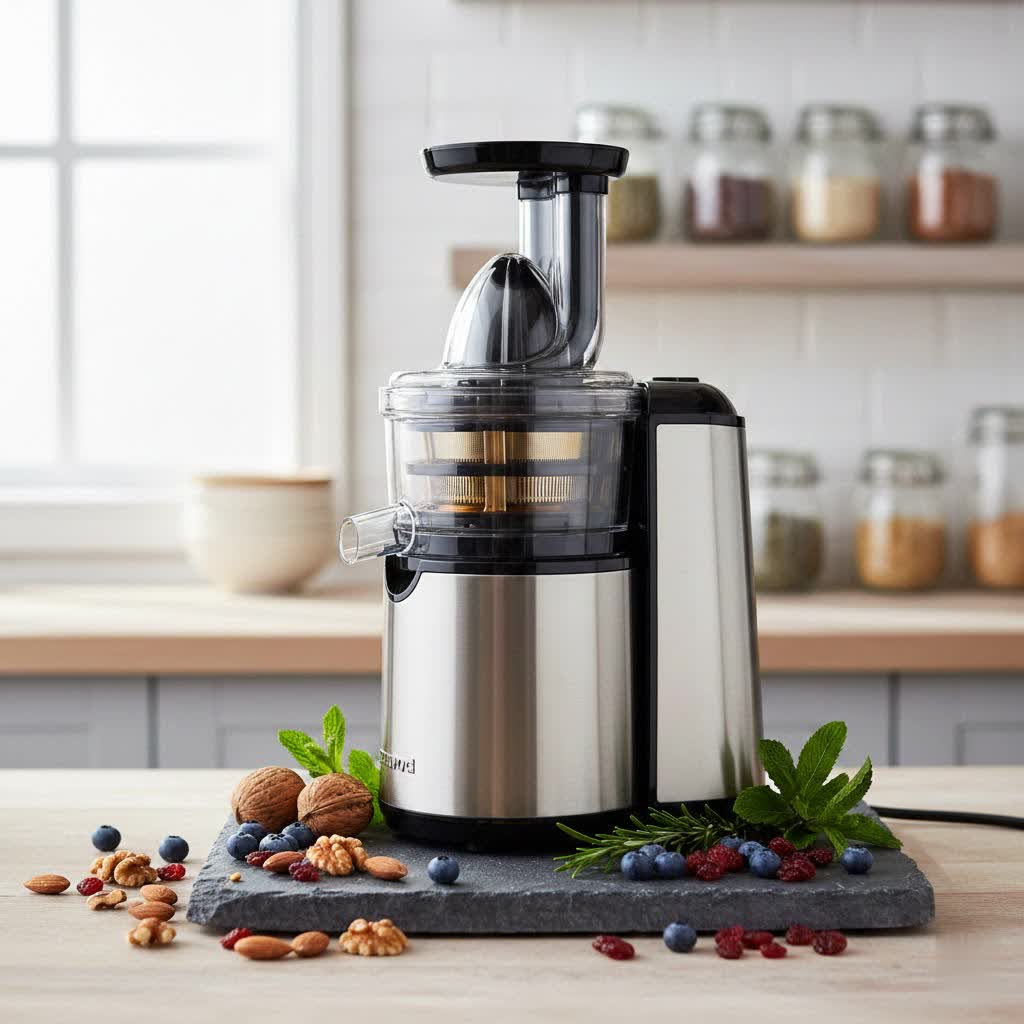
What is a Small Fruit Juicer? Why Do You Need One?
A small fruit juicer is a compact kitchen appliance specifically designed to extract juice from fruits and vegetables, occupying minimal counter or storage space. Unlike their full-sized counterparts, these juicers prioritize portability and a reduced footprint, making them ideal for apartment dwellers, dorm rooms, or anyone with limited kitchen real estate.
The benefits of owning a small fruit juicer extend far beyond just saving space. Imagine having access to freshly pressed juice packed with vitamins, minerals, and antioxidants anytime, anywhere. These devices make it incredibly easy to integrate a healthy habit into a busy schedule, supporting immune function, boosting energy levels, and enhancing overall well-being. Furthermore, they offer a more economical alternative to expensive store-bought juices, allowing you to control ingredients and avoid unwanted additives. Many portable models are even USB-rechargeable, providing the ultimate convenience for healthy sips at the office, gym, or during travel.
Popular Types of Small Fruit Juicers
Understanding the different juicer types is crucial to choosing the right small fruit juicer for your needs. Each offers a unique juicing experience, balancing speed, juice quality, and versatility.
-
Centrifugal Juicers:
- Advantages: Centrifugal juicers are often the most affordable and fastest option for extracting juice. They use a high-speed spinning blade to shred produce against a mesh filter, separating juice from pulp. Many compact centrifugal models, like the Breville Juice Fountain Compact, are celebrated for their efficiency with harder fruits and vegetables, quickly yielding a glass of juice. They are a great entry point for beginners due to their straightforward operation and often wider feed chutes that require less pre-cutting.
- Disadvantages: The high-speed operation can generate heat and introduce more air (oxidation) into the juice, potentially diminishing nutrient content and leading to more foam. They typically struggle with leafy greens, and the pulp can be wetter, indicating less efficient juice extraction. They can also be noisier than other types.
- Best for: Those new to juicing, budget-conscious buyers, or individuals prioritizing speed and ease of use for quick, everyday fruit and vegetable juices.
-
Masticating Juicers (Slow/Cold Press Juicers):
- Advantages: Masticating juicers operate at a much slower speed, using an auger to crush and press produce, minimizing heat and oxidation. This method preserves more vitamins, enzymes, and nutrients, resulting in a higher-quality, more vibrant juice with less foam. Small masticating models, such as the NutriBullet Slow Juicer or Dash Compact Masticating Slow Juicer, excel at juicing leafy greens, wheatgrass, and soft fruits, producing very dry pulp which signifies maximum juice yield. They are also significantly quieter than centrifugal models and often offer versatility beyond juicing, capable of making nut milks, sorbets, or baby food.
- Disadvantages: These juicers are generally more expensive and operate at a slower pace, requiring more time for juice preparation. Their feed chutes tend to be narrower, necessitating more pre-chopping of ingredients.
- Best for: Health enthusiasts, those looking to juice a variety of produce including leafy greens, and individuals who prioritize maximum nutrient retention and quieter operation.
|
Our Picks for the Best Fruit Juicer in 2026
As an Amazon Associate I earn from qualifying purchases.
|
||
| Num | Product | Action |
|---|---|---|
| 1 | QCen Juicer Machine, 500W Centrifugal Juicer Extractor with Wide Mouth 3” Feed Chute for Fruit Vegetable, Easy to Clean, Stainless Steel, BPA-free (Aqua) |

|
| 2 | Juicer Machine, 800W Centrifugal Juicer Extractor with Wide Mouth 3” Feed Chute for Fruit Vegetable, Easy to Clean, Stainless Steel, BPA-free (Green) |
|
| 3 | QCen Juicer Machine, 500W Centrifugal Juicer Extractor with Wide Mouth 3” Feed Chute for Fruit Vegetable, Easy to Clean, Stainless Steel, BPA-free (Green) |
|
| 4 | QCen Juicer Machine, 500W Centrifugal Juicer Extractor with Wide Mouth 3” Feed Chute for Fruit Vegetable, Easy to Clean, Stainless Steel, BPA-free (Gold) |
|
| 5 | Qcen Juicer Machine, 800W Centrifugal Juicer Extractor with Wide Mouth 3” Feed Chute for Fruit Vegetable, Easy to Clean, Stainless Steel, BPA-free (Black) |
|
| 6 | Juicer Machine, 800W Centrifugal Juicer Extractor with Wide Mouth 3” Feed Chute for Fruit Vegetable, Easy to Clean, Stainless Steel, BPA-free (Metallic Black) |
|
| 7 | Juicer Machine, 800W Centrifugal Juicer Extractor with Wide Mouth 3” Feed Chute for Fruit Vegetable, Easy to Clean, Stainless Steel, BPA-free (Metallic Red) |
|
| 8 | Qcen Juicer Machine, 500W Centrifugal Juicer Extractor with Wide Mouth 3” Feed Chute for Fruit Vegetable, Easy to Clean, Stainless Steel, BPA-free (Black) |
|
| 9 | Juicer Machine, 800W Centrifugal Juicer Extractor with Wide Mouth 3” Feed Chute for Fruit Vegetable, Easy to Clean, Stainless Steel, BPA-free (Gold) |
|
| 10 | Juicer Machine, 800W Centrifugal Juicer Extractor with Wide Mouth 3” Feed Chute for Fruit Vegetable, Easy to Clean, Stainless Steel, BPA-free (Aqua) |
|
Detailed Comparison of Small Juicer Types
| Feature | Centrifugal Juicers | Masticating Juicers (Slow/Cold Press) |
|---|---|---|
| Juicing Speed | Fast (seconds to a minute) | Slow (several minutes) |
| Juice Quality | Good, but more foam, potential for heat/oxidation | Excellent, minimal foam, high nutrient retention |
| Pulp Dryness | Wetter pulp, less efficient extraction | Very dry pulp, highly efficient extraction |
| Noise Level | Louder | Quieter |
| Versatility | Primarily for juicing | Juicing, nut milks, sorbets, baby food, etc. |
| Leafy Greens | Struggles, lower yield | Excellent, high yield |
| Price Range | More affordable | Generally higher |
| Ease of Cleaning | Varies, some dishwasher-safe parts (e.g., Magic Bullet Mini Juicer) | Varies, some “easy clean” designs (e.g., Cuisinart Easy Clean) |
| Prep Time | Less (wider chutes common) | More (narrower chutes require chopping) |
Top Small Fruit Juicers Favored Today
In the world of compact juicing, several models consistently stand out for their blend of performance, design, and user satisfaction. Here are a few top picks across different categories that demonstrate the capabilities of small fruit juicers:
- Breville Juice Fountain Compact: Often hailed as a “Best Compact” centrifugal juicer, this model is praised for its powerful 700-watt motor that quickly processes fruits and harder vegetables. It features a 3-inch feed tube, reducing the need for extensive pre-cutting, and its integrated pulp container saves counter space. Users appreciate its ease of assembly, single-button operation, and relatively quiet performance for a centrifugal model. It’s an excellent value pick for those seeking speed and efficiency in a small package.
- Magic Bullet Mini Juicer: This budget-friendly centrifugal option is celebrated for its miniature size and impressive performance. It’s incredibly simple to assemble, use, and clean, with most removable parts being dishwasher-safe. The Magic Bullet Mini Juicer comes with a convenient 16-ounce cup and twist-on travel lid, making it perfect for on-the-go juice enthusiasts. While its pulp can be somewhat wet, it still delivers better-than-expected results for various fruits and vegetables.
- NutriBullet Slow Juicer: Earning accolades as a “Best Overall” or “Most Compact Slow Juicer,” the NutriBullet Slow Juicer stands out for its efficiency in extracting high yields from tough kale and stringy celery, all while operating quietly. Its compact design ensures it fits well in small kitchens, and many parts are dishwasher-safe for easy cleanup. This masticating juicer preserves nutrients effectively, making it a top choice for health-conscious users seeking cold-pressed quality in a smaller form factor.
- Dash Compact Masticating Slow Juicer: If “ultra-compact” is your priority for a slow juicer, the Dash model is a strong contender. It’s designed for single-serving juices, fitting easily into tiny kitchens or even for office use. While it may require more pre-cutting due to a smaller chute, it delivers excellent juice quality for soft fruits and can be a very affordable entry into cold-press juicing. It even includes an attachment for making frozen smoothies.
Guide to Choosing the Right Small Fruit Juicer
Selecting the perfect small fruit juicer involves weighing your personal needs against the features each type offers. Here’s how to make an informed decision:
- Define Your Juicing Needs:
- What produce will you juice most often? If leafy greens and wheatgrass are staples, a masticating juicer is superior. For frequent hard fruits and root vegetables, both types can perform well, but centrifugal offers speed.
- How much juice do you need? Small juicers are typically ideal for single servings or small batches (1-2 glasses). If you plan to juice for a large family daily, a larger model might be more appropriate, even if it’s less compact.
- How often will you juice? Daily juicers might prioritize ease of cleaning and durability, while occasional users might opt for a budget-friendly, simpler model.
- Consider Your Budget: Small fruit juicers range in price from very affordable centrifugal options to mid-range compact masticating models. Centrifugal juicers are generally more budget-friendly, making them an accessible entry point. Masticating juicers, while a higher initial investment, often justify the cost with superior juice quality and versatility.
- Evaluate Other Important Factors:
- Footprint and Height: Measure your available counter space and consider overhead cabinet clearance, especially for vertical slow juicers which can be tall.
- Noise Level: If you plan to juice early in the morning or late at night, a quieter masticating juicer might be preferable to a louder centrifugal model.
- Ease of Cleaning: Look for models with fewer parts, wider openings, and dishwasher-safe components to simplify cleanup. The “easy clean” features found in some slow juicers can significantly enhance the user experience.
- Feed Chute Size: A wider feed chute means less pre-cutting, saving time. Smaller chutes, common in very compact models, require more chopping.
- Materials: Ensure the juicer is made from BPA-free plastics for health and safety.
Tips for Using and Maintaining Your Small Fruit Juicer
To ensure your small fruit juicer performs optimally and lasts for years, proper usage and maintenance are key.
- Proper Use:
- Read the Manual: Always familiarize yourself with your specific model’s instructions before first use.
- Prepare Produce: Wash all fruits and vegetables thoroughly. For smaller feed chutes, chop produce into manageable pieces (e.g., 3/4-inch for some masticating juicers) to prevent jamming and ensure smooth operation. Remove pits from fruits like peaches or cherries.
- Don’t Overload: Feed produce gradually, allowing the juicer to process each piece effectively. For centrifugal juicers, this prevents the motor from bogging down. For masticating juicers, it ensures maximum extraction.
- Alternate Ingredients: When juicing a mix of hard and soft items, alternate them to help push through softer produce and clean the auger/blades.
- Cleaning After Each Use: This is crucial to prevent pulp from drying and hardening, which makes cleaning much more difficult.
- Disassemble Immediately: Take apart all removable components.
- Rinse Under Running Water: Most parts can be quickly rinsed. Use a brush (often included) to scrub the mesh screen of centrifugal juicers or the auger/strainer of masticating juicers to remove stubborn fibers.
- Dishwasher-Safe Parts: If your model has dishwasher-safe components, utilize this feature for convenience. Otherwise, hand wash with warm, soapy water.
- Dry Thoroughly: Ensure all parts are completely dry before reassembling or storing to prevent mold or mildew.
- Storage: Store your compact juicer in a convenient, accessible location. Its small size means it can often be left on the counter or tucked away easily in a cabinet.
Common Issues with Small Fruit Juicers and How to Fix Them
Even the most reliable small fruit juicers can encounter minor hiccups. Here are some common problems and their solutions:
- Juicer Not Turning On:
- Check Power: Ensure the juicer is securely plugged into a functioning outlet.
- Lid/Safety Lock: Most juicers have safety mechanisms that prevent operation if the lid or components are not correctly assembled and locked into place. Reassemble and ensure all parts click securely.
- Overheating: If the juicer has been running for an extended period, it might have an automatic shut-off to prevent overheating. Allow it to cool down before attempting to use it again.
- Machine Jams or Stalls:
- Overloading: You might be feeding produce too quickly or putting in too much at once. Stop the machine, remove some produce, and restart, feeding gradually.
- Hard/Fibrous Ingredients: Some small juicers, especially compact masticating ones, might struggle with very hard root vegetables or extremely fibrous greens if not cut small enough. Turn off the machine, clear the blockage, and re-feed smaller pieces.
- Reverse Function: Many masticating juicers have a reverse function to help dislodge stuck produce. Use this feature briefly before trying to juice again.
- Excessive Pulp in Juice / Wet Pulp:
- Centrifugal Juicers: Some centrifugal models are known to produce wetter pulp or more foam. This is often a characteristic of the juicer type, but ensuring produce is fresh and not overripe can help. For drier pulp, you might consider a masticating juicer.
- Masticating Juicers: If your masticating juicer is producing wet pulp, check that all parts are correctly assembled, particularly the strainer. Ensure produce is cut appropriately; sometimes very long, stringy fibers can wrap around the auger, reducing efficiency.
- Mesh Screen Blockage: A dirty or partially blocked mesh screen can lead to less efficient juice extraction. Ensure it’s thoroughly cleaned after each use.
Where to Purchase a Reliable Small Fruit Juicer?
When investing in a small fruit juicer, finding a reputable retailer is as important as choosing the right model.
- Online Retailers: Websites like Amazon, Wayfair, and manufacturer-specific sites (e.g., NutriBullet, Breville) offer a vast selection, competitive pricing, and user reviews that can be invaluable for research. Look for products with high ratings and detailed feedback on performance and durability.
- Department Stores & Appliance Retailers: Large stores like Target, Best Buy, and other home goods retailers often carry popular small juicer brands. Shopping in person allows you to see the size and feel the build quality of the machine. Sales associates can also provide assistance, and many stores offer return policies.
- Consider Warranties: Always check the warranty offered by the manufacturer. Reputable brands often provide a substantial warranty, especially for the motor, signaling confidence in their product’s longevity.
> “A small juicer isn’t just about convenience; it’s about empowering a consistent health routine without compromising on nutrient quality or hogging precious kitchen space.” – Admin, ReviewerFL
Conclusion
Embracing a healthier lifestyle doesn’t require a kitchen renovation or a massive investment. Small fruit juicers offer a compelling solution, delivering fresh, nutrient-packed beverages with remarkable efficiency and a minimal footprint. Whether you prioritize speed and affordability with a compact centrifugal model or seek superior nutrient preservation and versatility from a mini masticating juicer, there’s a perfect small juicer waiting to transform your daily routine. By considering your specific needs, understanding the types available, and following simple care guidelines, you can enjoy the vibrant benefits of fresh juice for years to come.
What steps will you take to bring the goodness of fresh juice into your home with a compact juicer?
Frequently Asked Questions
Are small juicers as effective as their larger counterparts?
Yes, many small juicers, particularly compact masticating models, can be highly effective at extracting nutrients and juice, often yielding dry pulp. While they might be designed for smaller batches or require more frequent emptying, their juicing mechanisms are just as robust as full-sized versions.
Can I juice leafy greens in a small juicer?
The ability to juice leafy greens effectively varies by type. Small masticating (slow) juicers are generally excellent for leafy greens and wheatgrass due to their slow, crushing action. Compact centrifugal juicers, however, often struggle with greens, yielding less juice and wetter pulp.
How often should I clean my small fruit juicer?
For optimal hygiene and performance, it is highly recommended to clean your small fruit juicer immediately after every use. This prevents pulp and fiber from drying and hardening, making cleanup much quicker and easier.
Are small juicers suitable for travel?
Many small fruit juicers, especially those labeled “portable” or “mini,” are specifically designed for travel. Features like compact size, lightweight construction, included travel cups, and USB-rechargeable batteries make them excellent companions for maintaining healthy habits on the go.
What’s the main difference between a compact centrifugal and masticating small juicer?
The main difference lies in their juicing method and speed. Compact centrifugal juicers use high-speed blades for quick extraction but can introduce heat and foam. Masticating (slow) juicers use an auger to slowly press produce, preserving more nutrients and producing higher-quality juice with less foam, though at a slower pace.
