The thought of fresh, vibrant juice often comes with the dread of endless chopping and prepping. Slicing apples, dicing carrots, and meticulously peeling oranges can quickly turn a healthy habit into a chore. If you’ve ever yearned for a simpler way to enjoy homemade juice, imagine a machine that takes whole fruits, drastically cutting down your prep time and getting you to your refreshing drink faster. This guide dives deep into the world of whole fruit juicers, exploring their types, benefits, top models, and how to choose the perfect one to revitalize your kitchen routine and boost your health.
What is a Whole Fruit Juicer and Why Do You Need One?
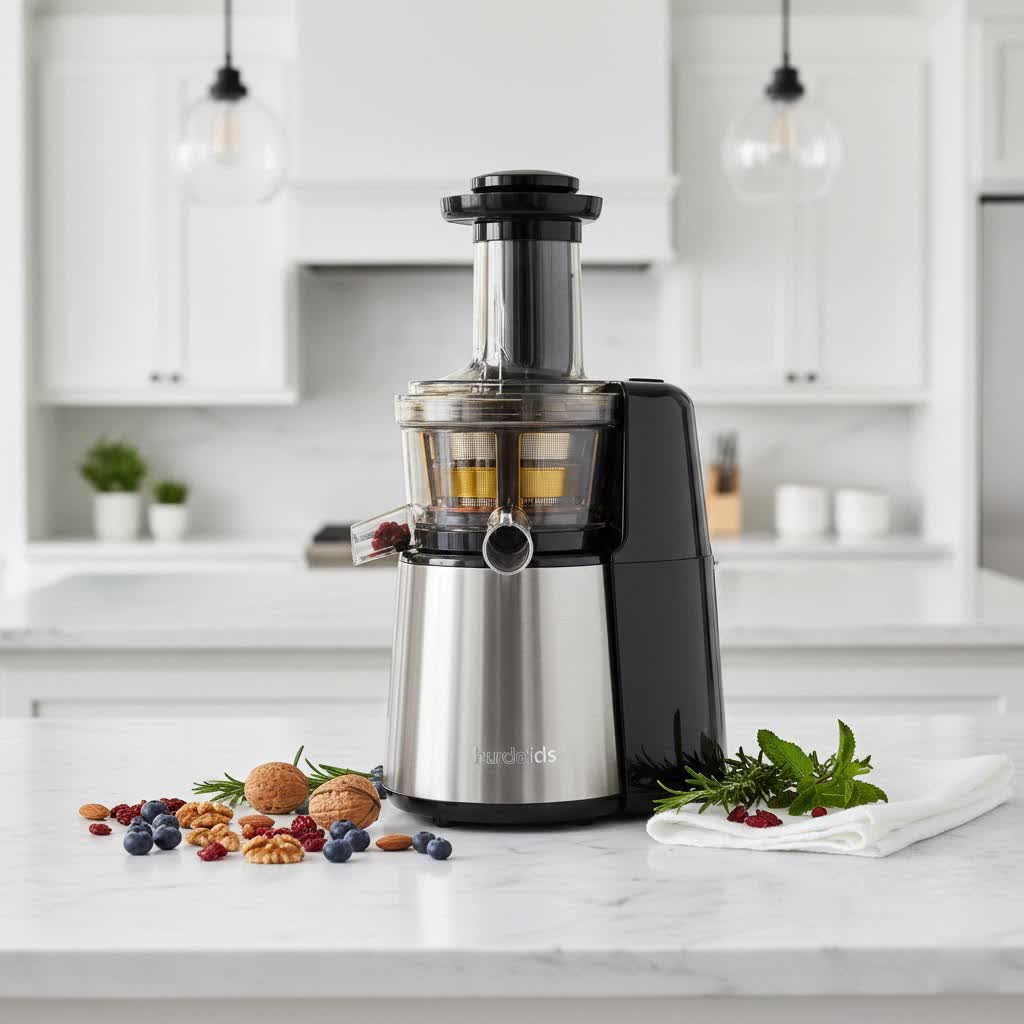
A whole fruit juicer, often characterized by its wide feed chute, is a game-changer for anyone looking to streamline their juicing process. Unlike traditional juicers that demand meticulous chopping, these machines are designed to accommodate larger pieces of produce, and in many cases, entire fruits like apples or oranges. The primary reason to invest in such a juicer is the unparalleled convenience it offers. By minimizing or eliminating pre-cutting, you save significant time and effort, making daily juicing more accessible and enjoyable. This efficiency means you’re more likely to consistently incorporate fresh, nutrient-rich juices into your diet, contributing to improved digestion, enhanced immunity, and overall well-being.
Popular Types of Juicers That Take Whole Fruit
When considering a whole fruit juicer, you’ll primarily encounter two main categories: centrifugal and masticating (slow) juicers, both of which now offer wide-chute options to simplify preparation.
Centrifugal Juicers (Wide Mouth)
Centrifugal juicers are renowned for their speed and affordability, making them a popular choice for beginners. These machines utilize fast-spinning blades that rapidly shred produce against a mesh filter, separating the juice from the pulp. Many centrifugal models now feature wide feed chutes, allowing you to drop in whole apples or oranges with minimal or no pre-chopping.
-
Advantages:
- Speed: Produce juice in seconds, perfect for a quick morning boost.
- Affordability: Generally less expensive upfront than masticating juicers.
- Ease of Use: Simple operation with few settings.
- Wide Chute: Accommodates many whole fruits, significantly reducing prep time.
-
Disadvantages:
- Oxidation and Heat: The high-speed rotation generates heat and incorporates more air, which can lead to oxidation, degrading heat-sensitive nutrients and enzymes.
- Foam: Often produces a frothy layer on top of the juice.
- Lower Yield: Can leave wetter pulp, meaning less juice extracted from your produce.
- Shorter Shelf Life: Juice is best consumed immediately or within 24 hours due to oxidation.
- Noise: Tends to be louder during operation.
-
Best for: Individuals new to juicing, those on a budget, and anyone prioritizing speed and convenience for fruits like apples and oranges.
|
Our Picks for the Best Fruit Juicer in 2026
As an Amazon Associate I earn from qualifying purchases.
|
||
| Num | Product | Action |
|---|---|---|
| 1 | Qcen Juicer Machine, 500W Centrifugal Juicer Extractor with Wide Mouth 3” Feed Chute for Fruit Vegetable, Easy to Clean, Stainless Steel, BPA-free (Black) |

|
| 2 | Juicer Machine, 800W Centrifugal Juicer Extractor with Wide Mouth 3” Feed Chute for Fruit Vegetable, Easy to Clean, Stainless Steel, BPA-free (Gold) |
|
| 3 | Juicer Machine, 800W Centrifugal Juicer Extractor with Wide Mouth 3” Feed Chute for Fruit Vegetable, Easy to Clean, Stainless Steel, BPA-free (Green) |
|
| 4 | Juicer Machine, 800W Centrifugal Juicer Extractor with Wide Mouth 3” Feed Chute for Fruit Vegetable, Easy to Clean, Stainless Steel, BPA-free (Aqua) |
|
| 5 | Juicer Machine, 800W Centrifugal Juicer Extractor with Wide Mouth 3” Feed Chute for Fruit Vegetable, Easy to Clean, Stainless Steel, BPA-free (Metallic Red) |
|
| 6 | QCen Juicer Machine, 500W Centrifugal Juicer Extractor with Wide Mouth 3” Feed Chute for Fruit Vegetable, Easy to Clean, Stainless Steel, BPA-free (Green) |
|
| 7 | Juicer Machine, 800W Centrifugal Juicer Extractor with Wide Mouth 3” Feed Chute for Fruit Vegetable, Easy to Clean, Stainless Steel, BPA-free (Metallic Black) |
|
| 8 | Qcen Juicer Machine, 800W Centrifugal Juicer Extractor with Wide Mouth 3” Feed Chute for Fruit Vegetable, Easy to Clean, Stainless Steel, BPA-free (Black) |
|
| 9 | QCen Juicer Machine, 500W Centrifugal Juicer Extractor with Wide Mouth 3” Feed Chute for Fruit Vegetable, Easy to Clean, Stainless Steel, BPA-free (Gold) |
|
| 10 | QCen Juicer Machine, 500W Centrifugal Juicer Extractor with Wide Mouth 3” Feed Chute for Fruit Vegetable, Easy to Clean, Stainless Steel, BPA-free (Aqua) |
|
Masticating (Slow/Cold Press) Juicers (Wide Chute)
Masticating juicers, also known as slow juicers or cold press juicers, operate at a much lower speed, typically using an auger to crush and press fruits and vegetables. This gentle process minimizes heat buildup and oxidation, helping to preserve more vitamins, minerals, and enzymes. While traditionally known for narrower chutes, a new generation of masticating juicers now includes wide-chute designs, allowing for larger pieces or even whole fruits to be inserted.
-
Advantages:
- Nutrient Preservation: The slow, gentle extraction process retains a higher percentage of vitamins, minerals, and enzymes, leading to a more nutrient-dense juice.
- Higher Juice Yield: More thoroughly extracts juice, resulting in drier pulp and less waste.
- Higher Quality Juice: Produces less foam and separation, leading to a smoother, more flavorful juice.
- Longer Shelf Life: Reduced oxidation means juice can be stored in the refrigerator for up to 72 hours.
- Versatility: Excellent for leafy greens, fibrous vegetables, and a wider variety of produce, including some nuts and seeds.
- Quiet Operation: Much quieter than centrifugal models.
-
Disadvantages:
- Speed: Juicing process is slower.
- Cost: Generally more expensive than centrifugal juicers.
- Bulkier: Can take up more counter space and sometimes be harder to assemble/disassemble for cleaning.
-
Best for: Health enthusiasts, those seeking maximum nutritional value from their juice, individuals who juice leafy greens frequently, and those willing to invest more for higher quality and quieter operation.
Table of Contents: Detailed Comparison of Wide Chute Juicers
| Feature | Centrifugal Juicers (Wide Mouth) | Masticating Juicers (Wide Chute) |
|---|---|---|
| Juicing Method | Fast-spinning blades shred produce | Slow-turning auger crushes and presses produce |
| Speed | Very fast (juice in seconds) | Slower (takes several minutes) |
| Nutrient Retention | Lower (due to heat and oxidation) | Higher (preserves more vitamins, enzymes, antioxidants) |
| Juice Quality | More foam, pulpier, prone to separation | Less foam, smoother, clearer, vibrant flavor |
| Juice Yield | Lower (wetter pulp) | Higher (drier pulp) |
| Shelf Life | 8-24 hours (best consumed immediately) | Up to 72 hours (less oxidation) |
| Noise Level | Louder (around 70 dB) | Much quieter |
| Versatility | Good for hard fruits/veg; struggles with leafy greens | Excellent for all produce, especially leafy greens and fibrous items |
| Price | Generally more affordable | Generally more expensive |
| Prep Time | Significantly reduced for whole fruits | Reduced for whole fruits (if wide chute); still some chopping for very dense items |
| Ease of Cleaning | Can be time-consuming due to large screens | Generally easier to clean for modern models (some parts hand-wash only) |
Top Juicers That Take Whole Fruit
Many reputable brands now offer models designed to handle whole fruits, blending convenience with performance. Here are some top picks that stand out:
- Breville Juice Fountain Elite (Centrifugal): This powerful 1000-watt juicer quickly processes fruits and vegetables, often accommodating whole apples. It excels at extracting large quantities of pulp-free juice, even from leafy greens when on a high setting. It’s also noted for its ease of assembly and cleaning.
- Kuvings REVO830 Whole Slow Juicer (Masticating): A premium masticating juicer, the REVO830 is praised for its extremely quiet operation and a large feeding tube designed to handle whole apples. It’s a significant investment but delivers a streamlined and reliable juicing experience with excellent nutrient preservation.
- Breville Juice Fountain Cold Plus (Centrifugal): Featuring a 3.5-inch wide feed tube, this model easily accommodates whole apples, making prep quick. It’s known for its speedy juicing process and a large 70-ounce pitcher with a foam separator, ideal for big batches.
- Omega JC2022GY11 Slow Masticating Cold Press Juicer (Masticating): This new Omega model simplifies batch juicing with its extra-large 68-ounce hopper, requiring minimal fruit and veggie prep. It’s designed for efficiency and preserving nutrients, though it operates slower than centrifugal models.
- Nutribullet Slow Juicer (Masticating): This juicer offers intuitive controls and a wide mouth that allows for whole and larger pieces of produce, performing efficiently even with kale and apples without needing a plunger.
How to Choose the Best Whole Fruit Juicer for You
Selecting the right whole fruit juicer involves weighing your personal needs, budget, and priorities. Consider these factors:
-
Determine Your Juicing Habits and Produce:
- What will you juice most often? If primarily hard fruits like apples and carrots, a wide-mouth centrifugal might suffice. If leafy greens, wheatgrass, or soft fruits are staples, a wide-chute masticating juicer will yield better results.
- How frequently will you juice? Daily juicers might prioritize nutrient retention and quiet operation (masticating), while occasional juicers might favor speed and lower cost (centrifugal).
- How much juice do you need? Larger families or batch juicers will benefit from models with high-capacity containers and larger chutes.
-
Set Your Budget:
- Whole fruit centrifugal juicers are typically more affordable, ranging from $50-$200.
- Wide-chute masticating juicers are a greater investment, often $200-$600+, but offer long-term benefits in juice quality and yield.
-
Evaluate Key Features:
- Chute Size: Look for models advertised as “wide mouth” or “whole fruit” to ensure minimal chopping. Measure for clarity if possible (e.g., 3-inch or 3.5-inch chutes are common for whole apples).
- Motor Power & Speed: Higher wattage for centrifugal juicers means more efficient pulverization. For masticating juicers, a strong, slow motor (e.g., 40-80 RPM) is key for effective pressing.
- Noise Level: Masticating juicers are significantly quieter, a consideration for early morning juicing or shared living spaces.
- Ease of Cleaning: Juicers have many parts. Look for models with dishwasher-safe components, easy-to-remove parts, or self-cleaning functions. Some sources highlight that cleaning the strainer can be the most time-consuming part.
- Durability and Warranty: A longer warranty, especially for the motor, often indicates a more durable machine.
Tips for Using and Maintaining Your Whole Fruit Juicer
To get the most out of your whole fruit juicer and ensure its longevity, proper usage and maintenance are crucial:
- Prep Even for “Whole Fruit” Juicers: While they reduce chopping, some fruits (like very large apples or hard-to-feed items) might still benefit from being cut into halves or quarters to prevent clogging and optimize extraction. Always remove pits, large seeds, and tough skins that aren’t meant for juicing.
- Feed Slowly and Steadily: Don’t overload the chute, especially with masticating juicers. Feed produce at a consistent pace to allow the machine to process it efficiently.
- Alternate Produce: When juicing a mix of hard and soft items, alternate them (e.g., carrot, then leafy greens, then apple) to help push softer ingredients through and prevent clogging.
- Clean Immediately: This is perhaps the most important tip. Juice residue can dry and harden quickly, making cleaning much more difficult. Rinse all removable parts under warm running water immediately after use. Use the provided cleaning brush (often a small, stiff brush) to thoroughly clean mesh screens and crevices.
- Dishwasher Safe Parts: Check your manual for which parts, if any, are dishwasher safe. This can significantly reduce cleanup time.
- Proper Storage: Ensure all parts are completely dry before reassembling or storing to prevent mold or mildew growth. Store your juicer in a cool, dry place.
Common Issues When Using a Whole Fruit Juicer and How to Fix Them
Even with the best juicers, you might encounter minor hiccups. Here’s how to troubleshoot common problems:
- Machine Not Turning On:
- Solution: Check if the juicer is properly assembled and all safety locks are engaged. Many juicers have safety features that prevent operation if parts aren’t correctly aligned. Ensure it’s plugged into a working outlet.
- Clogging or Stalling:
- Solution: This often happens when the juicer is overloaded or fed too quickly, especially with fibrous greens or very soft fruits. Use the reverse function (if available) to dislodge the blockage. For masticating juicers, alternate between hard and soft produce. For centrifugal models, try pausing for a moment to let the pulp clear.
- Excessive Foam (Centrifugal Juicers):
- Solution: Some foam is normal with centrifugal juicers. Many models come with a froth separator in the juice pitcher. Juicing at a slower speed if your model has multiple settings can help, and ensuring produce is very fresh can also reduce foam.
- Wet Pulp or Low Juice Yield:
- Solution: This is more common with centrifugal juicers than masticating ones. Ensure you’re not overloading the machine. For masticating juicers, if the pulp is excessively wet, the produce might be too soft or the juicer might need a deeper clean of its screen. Using very fresh, firm produce can also improve yield.
- Pulp in Juice:
- Solution: A small amount of fine pulp is normal, especially with certain produce. If there are noticeable chunks, the juicer might be struggling to process the ingredients, or the screen might be clogged. For some centrifugal juicers, using a higher speed might help. If you prefer completely pulp-free juice, you can strain it through a fine-mesh sieve or cheesecloth after juicing.
Where to Buy a Reliable Whole Fruit Juicer
Investing in a whole fruit juicer is an important decision for your health journey. You can find reliable models at various retailers:
- Online Retailers: Websites like Amazon, Williams Sonoma, and manufacturer direct sites (e.g., Breville, Kuvings, Omega, Nutribullet) offer a wide selection, competitive pricing, and user reviews. Be sure to check return policies and warranty information.
- Department Stores: Major department stores often carry popular juicer brands. This allows you to see the machine in person and speak with sales associates.
- Specialty Appliance Stores: These stores might offer a more curated selection and expert advice, though prices can be higher.
When buying online, always read recent customer reviews and compare specifications carefully. Look for clear information on warranty and customer support.
> “The convenience of a wide-chute juicer truly makes daily juicing a joy, transforming what could be a tedious task into a quick, healthy habit.” – Admin, ReviewerFL
Conclusion
Embracing a whole fruit juicer can fundamentally change your approach to healthy living, turning the often-tedious task of fruit and vegetable preparation into a quick and seamless process. Whether you opt for the rapid efficiency of a wide-mouth centrifugal juicer or the nutrient-preserving power of a wide-chute masticating model, the benefits of incorporating fresh, homemade juice into your daily routine are undeniable. From boosting your immune system to enhancing your energy levels, a whole fruit juicer offers a convenient path to a healthier, more vibrant you. By considering your specific needs, understanding the differences between types, and choosing a reputable model, you’re well on your way to enjoying delicious, nutritious juices with minimal fuss. Why wait to make juicing a cornerstone of your wellness journey?
Frequently Asked Questions
Can I put all whole fruits into a wide-mouth juicer?
While wide-mouth juicers significantly reduce prep, some fruits with hard pits (like peaches or cherries) must have their pits removed first. Very large or overly fibrous items may still need to be cut to prevent clogging and ensure efficient juicing, depending on the specific model’s chute size and power.
Are wide-mouth juicers better for preserving nutrients?
The size of the chute doesn’t directly impact nutrient preservation as much as the juicing method itself. Wide-chute masticating (slow) juicers are generally superior for nutrient retention because their slow-press action minimizes heat and oxidation compared to fast centrifugal juicers, regardless of chute size.
How do I clean a whole fruit juicer effectively?
To clean a whole fruit juicer effectively, disassemble it immediately after use and rinse all removable parts under warm water. Use a stiff cleaning brush (often included) to scrub the mesh screen, which can trap pulp. Many modern juicers have dishwasher-safe parts, but check your model’s manual for specific care instructions.
What’s the main difference in juice texture from wide-mouth centrifugal vs. masticating juicers?
Juice from wide-mouth centrifugal juicers tends to be frothier and may contain more fine pulp, requiring a foam separator for a smoother drink. Juice from wide-chute masticating juicers is typically smoother, less frothy, and has a more vibrant color due to less air incorporation.
