Embarking on a journey towards a healthier lifestyle often begins in the kitchen, and for many, that means exploring the vibrant world of fresh fruit and vegetable juices. With over a decade of experience as the Admin of ReviewerFL, I’ve personally tested hundreds of models, delving deep into the advanced technologies and subtle nuances that differentiate one juicer from another. Choosing the right fruit juicer can seem daunting, but it’s a critical decision that impacts not just your daily routine, but your long-term wellness. This comprehensive guide aims to cut through the noise, offering sincere, easy-to-understand insights to help you make an informed choice for yourself and your family.
What is a Fruit Juicer? Why Do You Need One?
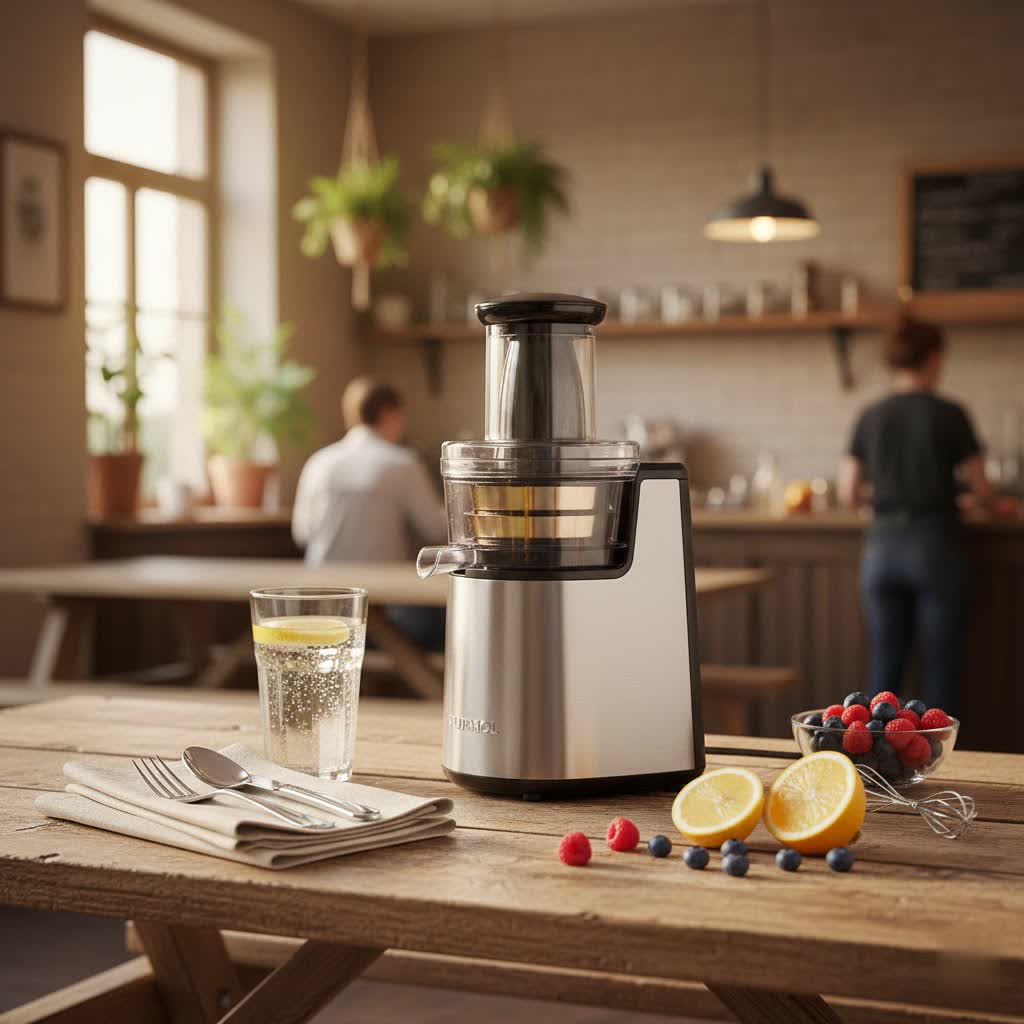
A fruit juicer is a kitchen appliance designed to extract juice from fruits, vegetables, and leafy greens, separating it from the pulp. It’s more than just a gadget; it’s a gateway to enhancing your daily nutrient intake and enjoying beverages free from artificial additives. The primary purpose is to provide quick access to nutrient-dense liquids.
The health benefits of drinking fresh fruit and vegetable juices are extensive. These elixirs deliver concentrated vitamins, minerals, and enzymes directly to your cells, supporting everything from immune function to energy levels and detoxification. Regular juicing can contribute to better digestion, improved skin health, and a stronger defense against illness. By removing the fiber, juicing allows your body to absorb nutrients more quickly and efficiently.
The market offers several popular types of fruit juicers, each with unique characteristics catering to different needs and preferences. Understanding these types is the first step toward finding your ideal companion for a healthy lifestyle.
Popular Types of Fruit Juicers
Centrifugal Juicers
Centrifugal juicers are often the entry point for many new to juicing due to their accessibility and speed. These machines operate by rapidly spinning a flat blade at the bottom of a mesh basket, shredding produce against the screen. The centrifugal force then separates the juice from the pulp.
- Pros: They are generally fast, allowing you to prepare a glass of juice in under a minute, and are often the most budget-friendly option. Their wide feed chutes mean less pre-cutting of ingredients.
- Cons: The high-speed operation can generate heat, which some believe may slightly reduce enzyme and nutrient content and oxidize the juice faster, leading to a shorter shelf life. They tend to be noisier and can produce more foam in the juice. They are also less efficient at juicing leafy greens and wheatgrass, often leaving a wetter pulp.
- Best for: Beginners, those on a tighter budget, and individuals primarily looking to juice hard fruits and vegetables like apples and carrots quickly.
|
Our Picks for the Best Fruit Juicer in 2026
As an Amazon Associate I earn from qualifying purchases.
|
||
| Num | Product | Action |
|---|---|---|
| 1 | Juicer Machine, 800W Centrifugal Juicer Extractor with Wide Mouth 3” Feed Chute for Fruit Vegetable, Easy to Clean, Stainless Steel, BPA-free (Metallic Red) |

|
| 2 | QCen Juicer Machine, 500W Centrifugal Juicer Extractor with Wide Mouth 3” Feed Chute for Fruit Vegetable, Easy to Clean, Stainless Steel, BPA-free (Green) |
|
| 3 | Juicer Machine, 800W Centrifugal Juicer Extractor with Wide Mouth 3” Feed Chute for Fruit Vegetable, Easy to Clean, Stainless Steel, BPA-free (Gold) |
|
| 4 | Qcen Juicer Machine, 800W Centrifugal Juicer Extractor with Wide Mouth 3” Feed Chute for Fruit Vegetable, Easy to Clean, Stainless Steel, BPA-free (Black) |
|
| 5 | QCen Juicer Machine, 500W Centrifugal Juicer Extractor with Wide Mouth 3” Feed Chute for Fruit Vegetable, Easy to Clean, Stainless Steel, BPA-free (Gold) |
|
| 6 | Juicer Machine, 800W Centrifugal Juicer Extractor with Wide Mouth 3” Feed Chute for Fruit Vegetable, Easy to Clean, Stainless Steel, BPA-free (Aqua) |
|
| 7 | Qcen Juicer Machine, 500W Centrifugal Juicer Extractor with Wide Mouth 3” Feed Chute for Fruit Vegetable, Easy to Clean, Stainless Steel, BPA-free (Black) |
|
| 8 | Juicer Machine, 800W Centrifugal Juicer Extractor with Wide Mouth 3” Feed Chute for Fruit Vegetable, Easy to Clean, Stainless Steel, BPA-free (Green) |
|
| 9 | QCen Juicer Machine, 500W Centrifugal Juicer Extractor with Wide Mouth 3” Feed Chute for Fruit Vegetable, Easy to Clean, Stainless Steel, BPA-free (Aqua) |
|
| 10 | Juicer Machine, 800W Centrifugal Juicer Extractor with Wide Mouth 3” Feed Chute for Fruit Vegetable, Easy to Clean, Stainless Steel, BPA-free (Metallic Black) |
|
Masticating Juicers (Slow Juicers/Cold Press Juicers)
Masticating juicers, also known as slow juicers or cold press juicers, operate differently. Instead of shredding, a single auger (screw-like gear) slowly crushes and presses produce against a screen, thoroughly extracting the juice. This process minimizes heat buildup and oxidation.
- Pros: They produce a higher quality juice with more retained vitamins, enzymes, and a longer shelf life (up to 48-72 hours when stored properly). They are excellent for leafy greens, wheatgrass, and a wide variety of fruits and vegetables, often yielding a drier pulp. They are also significantly quieter than centrifugal models. Some can even make nut butters, sorbets, or pasta with additional attachments.
- Cons: Masticating juicers are slower in operation and typically come with a higher price tag. Their feed chutes are often narrower, requiring more pre-cutting of ingredients.
- Best for: Health enthusiasts, those seeking maximum nutrient retention, individuals who frequently juice leafy greens, and anyone prioritizing juice quality and versatility.
Triturating Juicers (Twin-Gear Juicers)
Triturating juicers, or twin-gear juicers, are the most advanced and typically the most expensive category. They feature two interlocking gears that rotate inward, grinding and pressing produce with extreme precision. This method achieves the highest juice yield and nutrient preservation.
- Pros: They offer the absolute highest juice yield and superior nutrient retention, producing smooth, incredibly rich juice. They excel at juicing fibrous greens, herbs, and even wheatgrass. Many can also be used for other food processing tasks, like making baby food or pasta.
- Cons: They are very expensive, often large and heavy, and can be more challenging and time-consuming to assemble and clean due to their complex parts. They are not ideal for very soft or citrus fruits.
- Best for: Dedicated juicing enthusiasts, those on a whole-food diet, and individuals who prioritize maximum yield and the highest possible nutritional value from a wide range of produce, especially leafy greens.
Detailed Comparison Table: Fruit Juicer Types
| Feature | Centrifugal Juicers | Masticating Juicers | Triturating Juicers |
|---|---|---|---|
| Juicing Speed | Fast (6,000 – 16,000 RPM) | Slow (40 – 80 RPM) | Very Slow (approx. 40-100 RPM) |
| Juice Quality | Lower, more foam, oxidizes faster | High, less foam, preserves nutrients, lasts longer | Highest, minimal oxidation, maximum nutrient retention |
| Yield | Moderate (wetter pulp) | High (drier pulp) | Very High (very dry pulp) |
| Produce Types | Best for hard fruits/veg (apples, carrots); poor for greens | Excellent for all produce, especially leafy greens & herbs | Superior for leafy greens, wheatgrass; less ideal for citrus |
| Noise Level | High | Low | Low |
| Price Range | Low to Mid | Mid to High | High to Premium |
| Ease of Cleaning | Generally easy, some dishwasher-safe parts | Moderate, often comes with cleaning brushes | More complex, can be challenging to clean |
| Versatility | Basic juicing | Good (nut butter, sorbet with attachments) | Excellent (pasta, baby food, nut butters) |
Top Fruit Juicers Loved Today
Based on my extensive testing and current market trends, here are some of the standout fruit juicers that consistently receive high marks for performance and user satisfaction across various categories:
- Best Overall (Slow Juicer): NutriBullet Slow Juicer. This model consistently extracts the most juice from tough produce like kale and stringy celery while operating quietly. Its wide-mouth hopper reduces pre-cutting, and most parts are dishwasher-safe, making daily use hassle-free.
- Best Value (Centrifugal Juicer): Hamilton Beach Big Mouth Juicer. For those seeking an affordable yet capable option, this juicer stands out. It’s easy to set up, handles whole fruits with its wide mouth, and all parts are dishwasher-safe, simplifying cleanup.
- Best Premium Masticating Juicer: Omega Cold Press Slow Juicer. A long-standing favorite among juicing enthusiasts, the Omega excels at pressing juice without heat. It’s versatile, including parts for making pasta and nut butters, and scored highly for ease of cleaning.
- Best for Hands-Free Operation: Nama J2 Cold Press Juicer. While an investment, the Nama J2 offers exceptional performance and convenience. Its slow masticating process ensures maximum nutrient preservation, yielding smooth, rich juice. It’s praised for its robust build quality and easy-to-manage internal components.
- Best for Beginners (Slow Juicer): Cuisinart Easy Clean Slow Juicer. This compact, vertical cold press juicer is easy to assemble and clean, making it a nice entry point for those new to slow juicing without a significant cost.
Guide to Choosing the Right Fruit Juicer
Selecting the perfect fruit juicer involves weighing several factors against your personal needs and lifestyle. Here’s how to narrow down your options:
Determine Your Usage Needs
Consider what you primarily intend to juice. Do you envision daily green juices with kale and spinach, or are you mostly looking for quick glasses of apple and orange juice?
- If leafy greens, wheatgrass, or herbs are your priority, a masticating or triturating juicer will offer superior extraction and nutrient quality.
- For hard fruits and vegetables like carrots, apples, and beets, a powerful centrifugal juicer can be efficient, though slow juicers still perform exceptionally well.
- If you plan to juice large quantities or for multiple people, look for models with larger pulp containers and juice pitchers.
Set Your Budget
Juicers vary widely in price, from under $100 to well over $500.
- Entry-level centrifugal juicers are great for those on a tight budget or just starting out.
- Mid-range masticating juicers offer a balance of performance and cost.
- High-end masticating or triturating juicers are an investment in quality and versatility, often coming with longer warranties and more functions. Think of it as investing in your long-term health.
Other Crucial Factors
- Noise Level: If you live in an apartment, have young children, or prefer quiet mornings, a masticating juicer is a much better choice than a loud centrifugal model.
- Ease of Cleaning: Juicing can be messy. Look for models with dishwasher-safe parts and those that include cleaning brushes, especially for fine mesh screens. An easy-to-clean design can significantly impact how often you actually use your juicer.
- Footprint and Storage: Consider your kitchen counter space. Compact models are available if space is limited, but many high-performance juicers can be bulky.
- Warranty: A good warranty (often 5-15 years for motors in masticating juicers) is a strong indicator of a product’s durability and manufacturer confidence.
Tips for Using and Maintaining Your Fruit Juicer
Maximizing your juicer’s performance and lifespan involves proper usage and diligent care.
How to Use Your Juicer Effectively
- Wash Produce Thoroughly: Always clean fruits and vegetables to remove dirt, pesticides, and waxes.
- Cut Appropriately: While some juicers have wide chutes, pre-cutting produce into smaller, manageable pieces (especially fibrous or stringy items) can prevent jams and improve efficiency.
- Alternate Hard and Soft Ingredients: When juicing a mix of produce, alternate between harder and softer items. This can help push through softer pulp and optimize extraction.
- Don’t Overload: Feed ingredients at a steady, consistent pace. Forcing too much produce at once can strain the motor or cause clogs.
Cleaning and Storage Tips
- Clean Immediately: This is the golden rule. Fresh pulp and juice residue are far easier to remove than dried, sticky remnants. Rinse all detachable parts under warm water right after use.
- Use Cleaning Brushes: Most juicers come with specialized brushes for cleaning the mesh strainer, which can trap fine pulp. Don’t skip this step!
- Dishwasher-Safe Parts: If your juicer has dishwasher-safe components, take advantage of them, but always check the manufacturer’s instructions.
- Dry Completely: Ensure all parts are thoroughly dry before reassembling or storing to prevent mold or odors.
- Store in a Cool, Dry Place: Keep your juicer in a safe, accessible spot where it won’t get damaged and is easy to retrieve for your next juicing session.
Common Juicer Problems and How to Fix Them
Even the best fruit juicers can encounter issues. Here are some frequent problems and practical solutions:
- Machine Not Working:
- Check Power: Ensure it’s plugged in correctly and the outlet is functional.
- Safety Lock: Many juicers have safety mechanisms that prevent operation if parts aren’t assembled correctly. Disassemble and reassemble carefully, making sure all locks are engaged.
- Overheat Protection: If the motor overheated from continuous use, it might have an automatic shut-off. Unplug it and let it cool down for 20-30 minutes.
- Juicer Gets Jammed:
- Too Much Produce: You might be feeding too many ingredients too quickly, or pieces are too large.
- Fibrous Produce: Stringy vegetables like celery or tough greens can wrap around the auger or blade. Most masticating juicers have a reverse function; use it to dislodge the blockage. For centrifugal juicers, turn off, unplug, and carefully clear the obstruction.
- Insufficient Water Content: Some extremely dry or starchy vegetables can cause jamming. Add a small piece of high-water-content fruit or vegetable.
- Pulp in Juice / Low Yield:
- Worn Parts: Over time, screens or blades can wear out, reducing efficiency. Check if any parts need replacing.
- Incorrect Assembly: Ensure all parts, especially the mesh filter, are correctly fitted.
- Produce Type: Centrifugal juicers are known for wetter pulp with leafy greens. If this is a consistent issue, a masticating juicer might be more suitable for your needs.
- Blade/Auger Dullness: For centrifugal juicers, a dull blade can lead to less efficient extraction.
Where to Buy a Reliable Fruit Juicer Near You
When it comes to purchasing a fruit juicer, the “near me” aspect usually translates to convenience and accessibility. You have several trusted options, both online and in physical stores, to find the perfect model.
Major Retailers
Large electronics and home goods stores are excellent places to start. Retailers like Best Buy, Target, Walmart, Lowe’s, and The Home Depot carry a wide selection of juicers from various brands. These stores often have models on display, allowing you to compare sizes and designs firsthand.
- In-store Shopping: Provides the benefit of immediate purchase and taking the product home the same day. You can also get advice from sales associates, although their expertise might vary.
- Online with Local Pickup: Many of these retailers offer “buy online, pick up in-store” options. This allows you to research and compare models from home and then quickly collect your juicer from a nearby location.
Specialized Kitchen Appliance Stores
For a more curated selection and expert advice, consider visiting dedicated kitchen appliance stores. These shops often feature high-end brands and staff with in-depth product knowledge who can guide you based on your specific juicing goals. A quick online search for “kitchen appliance store near me” can help you locate these.
Online Marketplaces
While not “near me” in a physical sense, major online marketplaces like Amazon are incredibly convenient. They offer an unparalleled selection, competitive pricing, and user reviews that can be invaluable. Look for sellers offering fast local delivery options to get your juicer quickly. Always check the seller’s reputation and return policy when buying online.
Tips for Online Purchases:
- Read Reviews: Pay attention to recent reviews regarding product performance, durability, and customer service.
- Compare Prices: Prices can fluctuate, so use comparison tools to ensure you’re getting the best deal.
- Check Warranty and Returns: Understand the warranty policy and the ease of returning the product if it doesn’t meet your expectations.
“A well-chosen juicer is more than an appliance; it’s a daily commitment to your vitality. The right machine should inspire, not hinder, your healthy habits.” – ReviewerFL Admin, Expert in Fruit Juicer Technology
Conclusion
Choosing the right fruit juicer is a significant step towards embracing a healthier, more vibrant lifestyle. Whether you prioritize speed and affordability with a centrifugal model, or seek the ultimate nutrient extraction of a masticating or triturating juicer, there’s a perfect machine out there for you. By understanding your needs, setting a realistic budget, and considering factors like noise and ease of cleaning, you can confidently select a juicer that seamlessly integrates into your daily routine. Remember that the best juicer is the one you’ll use consistently.
What kind of delicious, health-boosting juices are you most excited to create with your new juicer?
Frequently Asked Questions
What’s the main difference between a centrifugal and a masticating juicer?
Centrifugal juicers extract juice quickly using high-speed blades and centrifugal force, generating some heat and foam. Masticating juicers, also known as cold press juicers, slowly crush and press produce, preserving more nutrients and enzymes with less heat and foam, resulting in higher quality juice.
Can I juice leafy greens in any type of fruit juicer?
While you can juice leafy greens in a centrifugal juicer, masticating and triturating juicers are far more efficient. They excel at extracting juice from fibrous greens like kale and spinach, yielding significantly more juice with higher nutrient retention compared to centrifugal models.
How often should I clean my fruit juicer?
You should clean your fruit juicer immediately after every use. Fresh pulp and juice residue are much easier to remove than dried-on remnants. Prompt cleaning prevents clogs, maintains hygiene, and prolongs the life of your appliance.
Are expensive juicers always better?
Not necessarily, but higher-priced juicers (typically masticating or triturating) often offer superior juice quality, higher yield, quieter operation, and greater versatility. A more affordable centrifugal juicer can still be excellent for basic juicing needs, especially for hard fruits, making it a great entry point.
Can I put whole fruits into my juicer?
It depends on the juicer. Many modern centrifugal and some masticating juicers feature wide feed chutes designed to accommodate whole or large pieces of fruit and vegetables, reducing the need for extensive pre-cutting. Always check your specific model’s specifications and recommendations.
