Are you searching for a simple yet effective way to boost your daily nutrient intake and embrace a healthier lifestyle? A fruit and vegetable juicer might be the perfect addition to your kitchen. In a world bustling with fast food and processed snacks, fresh, homemade juice offers a concentrated dose of vitamins, minerals, and antioxidants, revitalizing your body from the inside out. But with a myriad of options on the market, choosing the right juicer can feel overwhelming. This comprehensive guide will demystify the world of juicers, helping you understand their benefits, different types, and how to select, use, and maintain the ideal machine for your needs, ultimately guiding you toward a smarter decision for your well-being and that of your family.
What is a Fruit & Vegetable Juicer? Why Do You Need One?
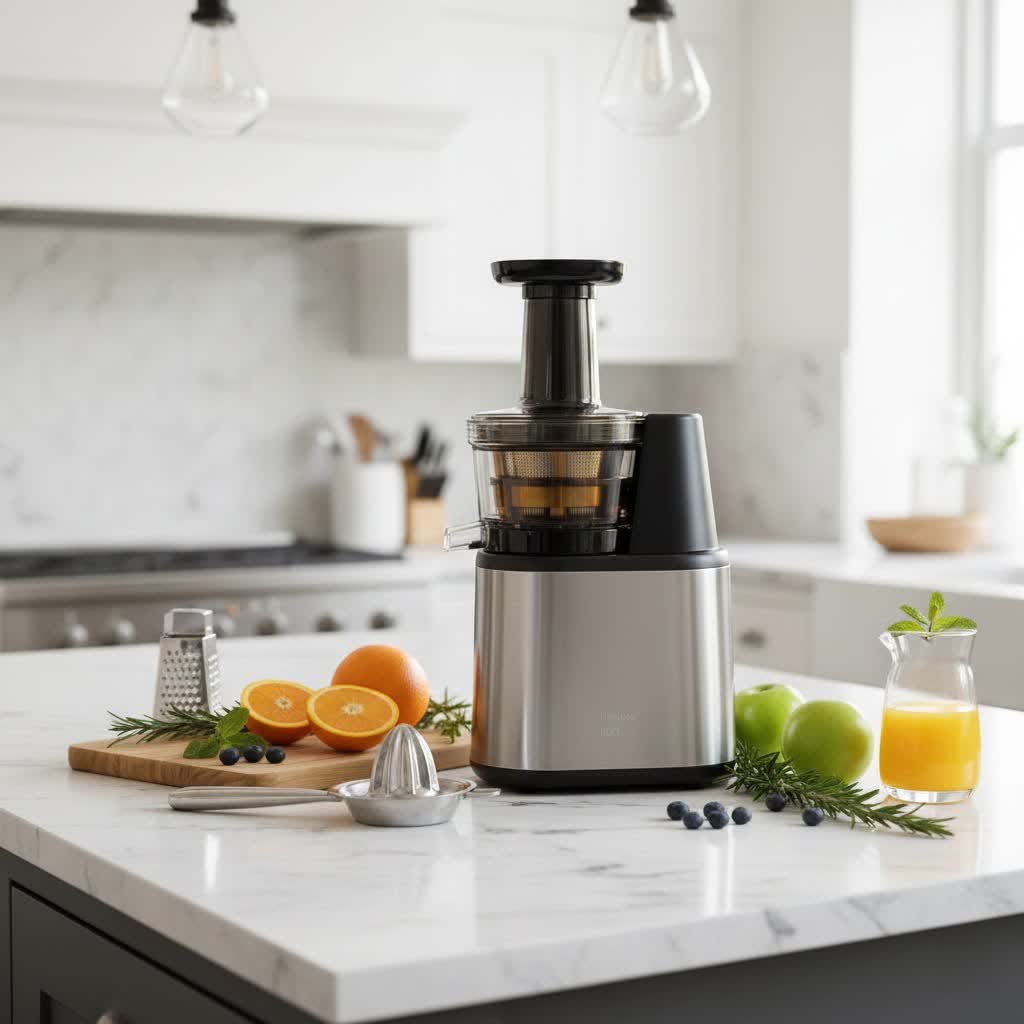
A fruit and vegetable juicer is an appliance designed to extract liquid from fresh produce, separating the nutrient-rich juice from the fibrous pulp. It’s a powerful tool for wellness, allowing you to consume a high volume of fruits and vegetables in an easily digestible form. The liquid is packed with vitamins, minerals, antioxidants, and enzymes that support overall health.
Incorporating fresh juice into your diet can offer a multitude of health benefits. Fresh juices are rich in antioxidants, which help combat oxidative stress and cellular damage, potentially reducing the risk of chronic illnesses. They are an excellent source of hydration and can significantly increase your intake of essential vitamins like C, A, K, B6, and folate, along with crucial minerals such as potassium, magnesium, iron, and zinc. Drinking juice can also support your immune system, aid in reducing inflammation, and contribute to lower blood pressure due to compounds like nitric oxide. For those who find it challenging to eat enough whole fruits and vegetables daily, juicing provides a convenient and delicious way to ensure a diverse and ample supply of these vital nutrients.
Popular Types of Fruit & Vegetable Juicers
The market offers several types of fruit and vegetable juicers, each with distinct mechanisms, advantages, and disadvantages. Understanding these differences is key to choosing a model that best suits your juicing habits and desired juice quality. The three main categories are centrifugal, masticating (slow), and triturating (twin gear) juicers.
Centrifugal Juicers
Centrifugal juicers are often the entry point for many juicing enthusiasts, known for their speed and affordability. They operate by shredding produce with a fast-spinning blade and then using centrifugal force to separate the juice from the pulp through a mesh filter.
- Pros: They are typically faster at extracting juice and are generally more budget-friendly. Their wide feed chutes often allow you to process whole fruits and vegetables with minimal pre-cutting, saving prep time.
- Cons: The high-speed operation can introduce more air, leading to oxidation and foam, which can reduce nutrient retention and shorten the juice’s shelf life. They are also notoriously louder than other types and may struggle with leafy greens, often yielding wetter pulp.
- Best for: Beginners, individuals with limited budgets, or those primarily juicing hard fruits and vegetables like apples and carrots who prioritize speed over maximum nutrient extraction.
|
Our Picks for the Best Fruit Juicer in 2026
As an Amazon Associate I earn from qualifying purchases.
|
||
| Num | Product | Action |
|---|---|---|
| 1 | Qcen Juicer Machine, 500W Centrifugal Juicer Extractor with Wide Mouth 3” Feed Chute for Fruit Vegetable, Easy to Clean, Stainless Steel, BPA-free (Black) |

|
| 2 | Juicer Machine, 800W Centrifugal Juicer Extractor with Wide Mouth 3” Feed Chute for Fruit Vegetable, Easy to Clean, Stainless Steel, BPA-free (Gold) |
|
| 3 | QCen Juicer Machine, 500W Centrifugal Juicer Extractor with Wide Mouth 3” Feed Chute for Fruit Vegetable, Easy to Clean, Stainless Steel, BPA-free (Aqua) |
|
| 4 | Juicer Machine, 800W Centrifugal Juicer Extractor with Wide Mouth 3” Feed Chute for Fruit Vegetable, Easy to Clean, Stainless Steel, BPA-free (Green) |
|
| 5 | QCen Juicer Machine, 500W Centrifugal Juicer Extractor with Wide Mouth 3” Feed Chute for Fruit Vegetable, Easy to Clean, Stainless Steel, BPA-free (Gold) |
|
| 6 | Juicer Machine, 800W Centrifugal Juicer Extractor with Wide Mouth 3” Feed Chute for Fruit Vegetable, Easy to Clean, Stainless Steel, BPA-free (Metallic Red) |
|
| 7 | Qcen Juicer Machine, 800W Centrifugal Juicer Extractor with Wide Mouth 3” Feed Chute for Fruit Vegetable, Easy to Clean, Stainless Steel, BPA-free (Black) |
|
| 8 | Juicer Machine, 800W Centrifugal Juicer Extractor with Wide Mouth 3” Feed Chute for Fruit Vegetable, Easy to Clean, Stainless Steel, BPA-free (Metallic Black) |
|
| 9 | Juicer Machine, 800W Centrifugal Juicer Extractor with Wide Mouth 3” Feed Chute for Fruit Vegetable, Easy to Clean, Stainless Steel, BPA-free (Aqua) |
|
| 10 | QCen Juicer Machine, 500W Centrifugal Juicer Extractor with Wide Mouth 3” Feed Chute for Fruit Vegetable, Easy to Clean, Stainless Steel, BPA-free (Green) |
|
Masticating (Slow/Cold-Press) Juicers
Masticating juicers, also known as slow juicers or cold-press juicers, operate at a much lower speed. They use a single auger (a slow-turning screw) to crush and press produce against a screen, thoroughly extracting the juice. This method minimizes heat and oxidation.
- Pros: They produce higher quality juice with more nutrients, enzymes, and a longer shelf life (up to 72 hours). Masticating juicers are highly efficient at extracting juice from leafy greens, wheatgrass, and soft fruits, yielding a drier pulp. They are also significantly quieter than centrifugal models. Many models offer versatility, capable of making nut milks, sorbets, and baby food.
- Cons: Their slower operation means juicing takes more time, and they typically come with a higher price tag. The feed chute can sometimes be narrower, requiring more pre-cutting of produce.
- Best for: Health-conscious individuals, those who juice leafy greens and wheatgrass frequently, or anyone prioritizing maximum nutrient retention and juice quality.
Triturating (Twin Gear) Juicers
Triturating juicers, often referred to as twin gear juicers, represent the pinnacle of juicing technology. They are a type of masticating juicer but feature two interlocking gears that grind and press produce together at an even slower RPM than single-auger masticators.
- Pros: These machines offer the most thorough and efficient juice extraction, resulting in the highest nutrient content and the longest-lasting juice. They excel with all types of produce, especially leafy greens, wheatgrass, and fibrous vegetables. Many models are highly versatile, offering attachments for various kitchen tasks.
- Cons: Triturating juicers are the most expensive option on the market and can be more complex to assemble and clean due to their intricate design.
- Best for: Dedicated juicers, health enthusiasts seeking the absolute best juice quality and yield, and those who frequently juice a wide variety of challenging produce like wheatgrass and herbs.
Detailed Comparison Table of Juicer Types
| Feature | Centrifugal Juicers | Masticating (Slow/Cold-Press) Juicers | Triturating (Twin Gear) Juicers |
|---|---|---|---|
| Juicing Method | High-speed spinning blade, centrifugal force | Slow-turning auger crushes and presses | Two interlocking gears grind and press |
| Speed | Very Fast | Slow to Moderate | Very Slow |
| Juice Quality | Lower (more oxidation, foam, less nutrients) | High (minimal oxidation, high nutrients, enzymes) | Highest (maximum nutrients, enzymes, minimal oxidation) |
| Produce Type | Best for hard fruits/veg; struggles with greens | Excellent for leafy greens, wheatgrass, all produce | Exceptional for leafy greens, wheatgrass, all produce, fibrous |
| Juice Yield | Moderate (wetter pulp) | High (drier pulp) | Highest (very dry pulp) |
| Price Range | Budget-friendly ($) | Mid to High-end ($$) | Premium ($$$) |
| Noise Level | Loud | Quiet | Very Quiet |
| Ease of Cleaning | Generally easy, but pulp can stick to mesh | Moderate to easy (fewer parts than twin gear) | More involved due to intricate gears and parts |
| Shelf Life | Drink immediately (up to 24 hours) | Up to 72 hours | Up to 72 hours or longer |
Top Recommended Fruit & Vegetable Juicers
Choosing a top-rated juicer involves balancing performance, durability, ease of use, and value. Here are some highly regarded models across different categories, offering a glimpse into what makes them stand out.
- NutriBullet Slow Juicer (Best Overall/Value): This model is praised for its efficiency in extracting juice from various produce, including tough kale and stringy celery, while operating quietly. It boasts a wide-mouth hopper, reducing pre-cutting, and many parts are dishwasher-safe for easy cleanup. It consistently extracts high yields and offers a convenient juice nozzle cap.
- Pros: High juice yield, quiet operation, wide-mouth hopper, easy to clean, good value.
- Cons: Can be slower than centrifugal options.
- Omega Cold Press Slow Juicer (Best Slow Juicer/Versatile): A favorite among juicing professionals, Omega slow juicers utilize a horizontal masticating auger that preserves nutrients by avoiding heat. This robust machine offers excellent juice extraction and often includes attachments for making pasta, nut butters, and purees, showcasing its versatility. It’s also known for being easy to clean and assemble.
- Pros: Superior juice quality, high nutrient retention, very versatile, durable build, quiet.
- Cons: Higher price point, slower juicing process.
- Breville Juice Fountain Cold (Best Centrifugal Juicer): For those seeking speed without compromising too much on quality, the Breville Juice Fountain Cold is a strong contender. It efficiently processes sturdy fruits and vegetables quickly. This model often features a wide feed chute, reducing preparation time.
- Pros: Fast juicing, large feed chute, good for hard produce.
- Cons: Can be noisy, takes up considerable counter space, juice has a shorter shelf life than cold-pressed.
- Kuvings Whole Slow Juicer REVO830W (Premium Slow Juicer): This model offers a quick and easy juicing operation, yielding delicious, pulp-free juice. It’s known for its robust performance across hard vegetables, leafy greens, and fibrous ingredients. While a premium option, it comes with a substantial warranty, reflecting its quality.
- Pros: High-quality, pulp-free juice, handles diverse ingredients, long warranty.
- Cons: High price, none of the parts are dishwasher safe.
- Hamilton Beach Big Mouth Juicer (Best Value Centrifugal): An excellent budget-friendly choice, this juicer features a simple on/off switch and an extra-large pulp container. Its lightweight and dishwasher-safe parts make it easy to store and clean. It’s a no-fuss option for occasional juicers.
- Pros: Very affordable, easy to use and clean, large pulp container.
- Cons: Less powerful motor, noisier, doesn’t extract as much juice from hardier greens.
How to Choose the Right Fruit & Vegetable Juicer
Selecting the perfect fruit and vegetable juicer involves more than just picking a popular brand. It requires careful consideration of your personal needs, habits, and preferences.
Determine Your Usage Needs
Before anything else, think about what you plan to juice. Do you envision daily green juices with spinach and kale, or are you more inclined towards occasional apple and carrot concoctions?
- Type of Produce: If leafy greens, wheatgrass, or soft fruits are your priority, a masticating or triturating juicer will offer superior extraction and nutrient retention. For hard fruits and vegetables, a centrifugal juicer can be efficient, though a masticating juicer will still yield better quality.
- Frequency and Quantity: If you plan to juice large batches daily, consider a machine with a powerful motor, large pulp container, and a wide feed chute to minimize prep time. For occasional use or smaller portions, a more compact and less powerful model might suffice.
- Juice Quality: Are you seeking maximum enzymes and nutrients, or is a quick glass of fresh juice enough? Cold-press juicers excel in preserving delicate nutrients due to minimal heat and oxidation.
Your Budget
Juicers vary significantly in price, from under $100 to over $1000.
- Entry-Level (Under $150): Mostly centrifugal models. Good for beginners, less frequent juicing, or hard fruits.
- Mid-Range ($150 – $400): Often includes quality centrifugal and entry-to-mid-level masticating juicers. Offers a good balance of performance and features.
- High-End ($400+): Typically advanced masticating or triturating juicers. These are significant investments, but they provide superior juice quality, yield, and durability, especially for leafy greens and challenging produce.
Other Important Factors
Consider these practical aspects to ensure your juicer fits seamlessly into your lifestyle:
- Noise Level: Centrifugal juicers are generally loud, which can be disruptive, especially in the mornings. Masticating and triturating juicers are much quieter, operating with a gentle hum.
- Ease of Cleaning: Juicers require cleaning after each use. Look for models with fewer parts, dishwasher-safe components, and simple assembly/disassembly. Some models come with cleaning brushes.
- Footprint and Size: Juicers can be bulky. Measure your counter space and storage areas to ensure the chosen model fits comfortably in your kitchen. Vertical slow juicers often have a smaller footprint.
- Feed Chute Size: A wider feed chute means less pre-cutting, saving time and effort.
- Versatility: Some juicers come with attachments for making pasta, nut butters, sorbets, or grinding spices, adding more value to your investment.
> “Investing in a juicer is an investment in your health. Don’t just look at the price tag; consider the long-term benefits of consistent nutrient intake and choose a machine that truly aligns with your wellness goals and kitchen habits.” – Admin of ReviewerFL, Juicing Expert
Tips for Using and Maintaining Your Fruit & Vegetable Juicer
Proper usage and regular maintenance are crucial for maximizing your juicer’s performance and extending its lifespan.
Using Your Juicer Correctly
- Preparation is Key: Wash all fruits and vegetables thoroughly. For centrifugal juicers with wider chutes, some items may not need extensive chopping. For masticating or triturating juicers, cut produce into smaller, manageable pieces to avoid clogging. Remove pits from fruits like peaches or cherries, and tough peels from citrus.
- Feed Slowly and Consistently: Avoid overfeeding the machine. For slow juicers, feed produce gradually to allow the auger to process it effectively. For centrifugal juicers, a steady pace works best.
- Alternate Produce: When juicing a mix of soft and hard ingredients, alternate them. For example, follow soft spinach with a harder apple or carrot to help push the softer produce through and maximize yield.
- Don’t Overfill: Pay attention to the juice collection container and pulp bin to prevent overflows.
Cleaning Your Juicer After Each Use
Cleaning your juicer immediately after use is the best way to prevent pulp from drying and hardening, making cleanup much easier.
- Disassemble: Unplug the machine and carefully disassemble all removable parts.
- Rinse Immediately: Rinse all parts under warm running water. A brush (often included with the juicer) is invaluable for scrubbing the mesh screen, where pulp tends to accumulate.
- Wash with Soap: Use mild dish soap and a sponge or brush to thoroughly clean all components. Pay extra attention to the mesh filter, as any dried pulp can reduce efficiency.
- Dishwasher Safe Parts: Check your juicer’s manual to see if any parts are dishwasher safe. If so, place them on the top rack to avoid potential damage.
- Dry Thoroughly: Allow all parts to air dry completely before reassembling or storing to prevent mold and mildew growth.
Storing Your Juicer
- Dry Environment: Store your juicer in a clean, dry place away from direct sunlight and extreme temperatures.
- Proper Assembly: If you store it assembled, ensure all parts are correctly in place. If storing disassembled, keep all components together in a designated container to avoid losing small parts.
- Cover: Consider using a dust cover if your juicer will be exposed on the countertop for extended periods to keep it clean.
Common Juicer Problems and Solutions
Even the best juicers can encounter issues. Here are some common problems and straightforward solutions:
Juicer Not Turning On
- Check Power Connection: Ensure the juicer is securely plugged into a working electrical outlet.
- Safety Lock Engaged: Most modern juicers have safety features that prevent operation if not assembled correctly. Double-check that all parts, especially the lid and pulp container, are properly locked into place. Refer to your manual for specific assembly instructions.
- Overheating: If the juicer has been running for an extended period, it might have an overheating protection mechanism. Unplug it and let it cool down for 20-30 minutes before trying again.
Juicer Getting Jammed or Stalling
- Overfeeding: You might be feeding produce too quickly or pushing too much at once. Stop the machine, clear any blockages, and feed ingredients more slowly.
- Hard/Fibrous Produce: Some very hard or fibrous items (like ginger, celery, or tough greens) can jam the auger or blade. Cut them into smaller pieces before juicing. For slow juicers, alternate them with softer fruits.
- Reverse Function: Many slow juicers have a “reverse” function. Use this for a few seconds to dislodge any jammed produce before attempting to juice again.
Pulp in Juice or Wet Pulp
- Pulp in Juice: A small amount of pulp is normal, especially with centrifugal juicers. If there’s excessive pulp, check that the mesh screen is clean and not damaged. For centrifugal models, a finer mesh might be needed, or consider a slow juicer for clearer juice.
- Wet Pulp/Low Yield: This indicates inefficient extraction. Ensure the mesh screen is clean. For centrifugal juicers, this can be a common issue with leafy greens; a masticating juicer would provide better results for these. For slow juicers, try feeding produce slower and alternating between soft and hard items to help push everything through effectively.
By understanding these common issues and their solutions, you can maintain a smooth and efficient juicing experience.
Where to Buy Fruit & Vegetable Juicers
Finding a reputable place to purchase your fruit and vegetable juicer is just as important as choosing the right model. You have several options, each with its own advantages.
Reputable Retailers
- Electronics and Appliance Stores: Major retailers like Best Buy, Target, Walmart, and specialty kitchen stores often carry a wide selection of juicers from various brands. These stores allow you to see the models in person, compare sizes, and sometimes even speak with sales associates for advice.
- Department Stores: Stores like Macy’s or Kohl’s often have kitchen appliance sections with a good range of juicers, especially during sales events.
Online Marketplaces
- Amazon, eBay, and Walmart.com: These large online platforms offer an unparalleled selection of juicers, often at competitive prices. You can easily compare models, read customer reviews, and benefit from fast shipping. Be sure to buy from reputable sellers and check product warranties.
- Brand Websites: Many leading juicer brands (e.g., Omega, Breville, Hurom, Kuvings, NutriBullet) have their own official websites where you can purchase directly. This often ensures you receive genuine products, full warranties, and access to brand-specific customer support and accessories.
- Specialty Online Stores: Websites dedicated to health appliances or kitchen gadgets may offer curated selections and in-depth product information.
Considerations When Buying Online
- Customer Reviews: Always read customer reviews to get insights into real-world performance, durability, and common issues.
- Warranty and Returns Policy: Verify the warranty period and the retailer’s return policy. This is crucial for protecting your investment, especially for higher-priced models.
- Shipping Costs and Times: Factor in shipping costs and estimated delivery times when comparing prices from different online vendors.
- Authenticity: Be cautious of exceptionally low prices on unfamiliar websites, which might indicate counterfeit products or lack of warranty. Stick to well-known retailers and official brand channels.
Conclusion
Embracing the world of fresh fruit and vegetable juices can be a transformative step towards a healthier lifestyle. From the speedy convenience of centrifugal juicers to the nutrient-preserving prowess of masticating and triturating models, there’s a perfect fruit and vegetable juicer out there for every need and budget. By understanding the unique benefits of each type, carefully considering your juicing habits, and prioritizing factors like ease of cleaning and noise level, you can make an informed decision that will enrich your daily routine. With proper use and maintenance, your chosen juicer will become a cherished tool, continuously providing you and your family with delicious, vibrant, and health-boosting elixirs. So, which fresh blend will you create first to invigorate your journey to wellness?
